
Montalban
MAdrid, SPAIN
2024
Madrid fascinates me, its context as a whole — both its presences and its absences. Here there was the adventure of starting out as I did 40 years ago, starting almost from zero, with a very basic practice and very limited tools. How do you recreate silence in architecture?
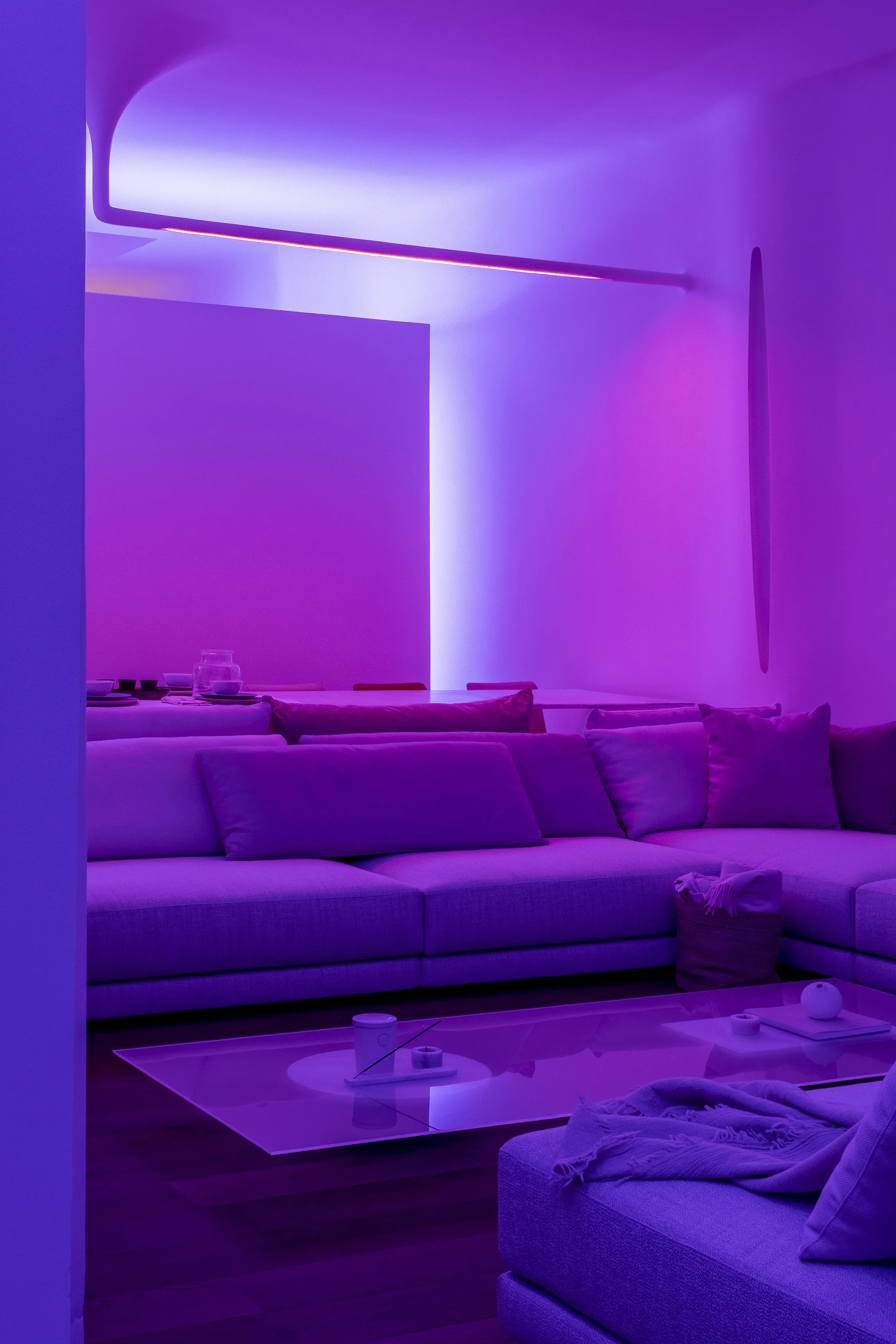
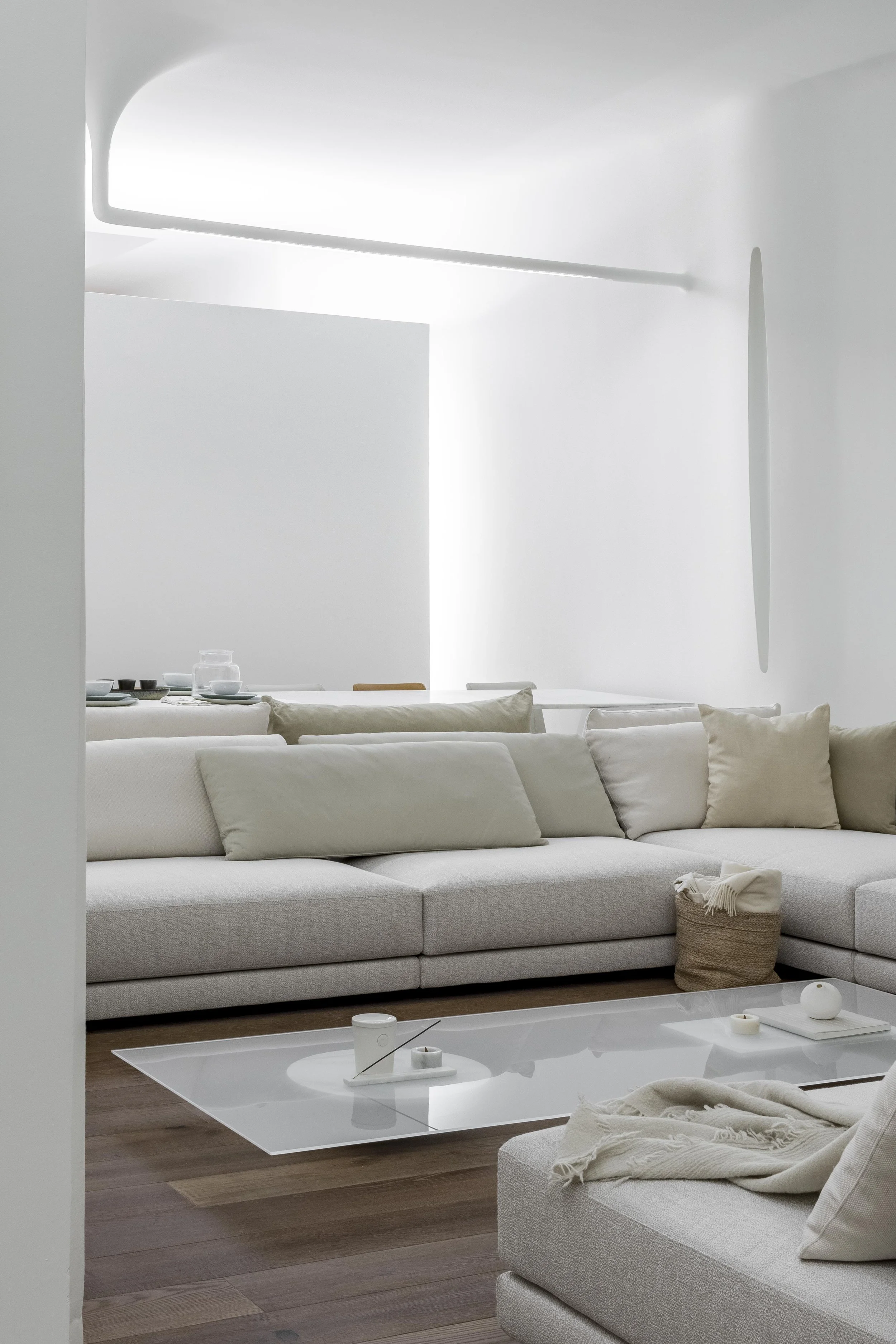
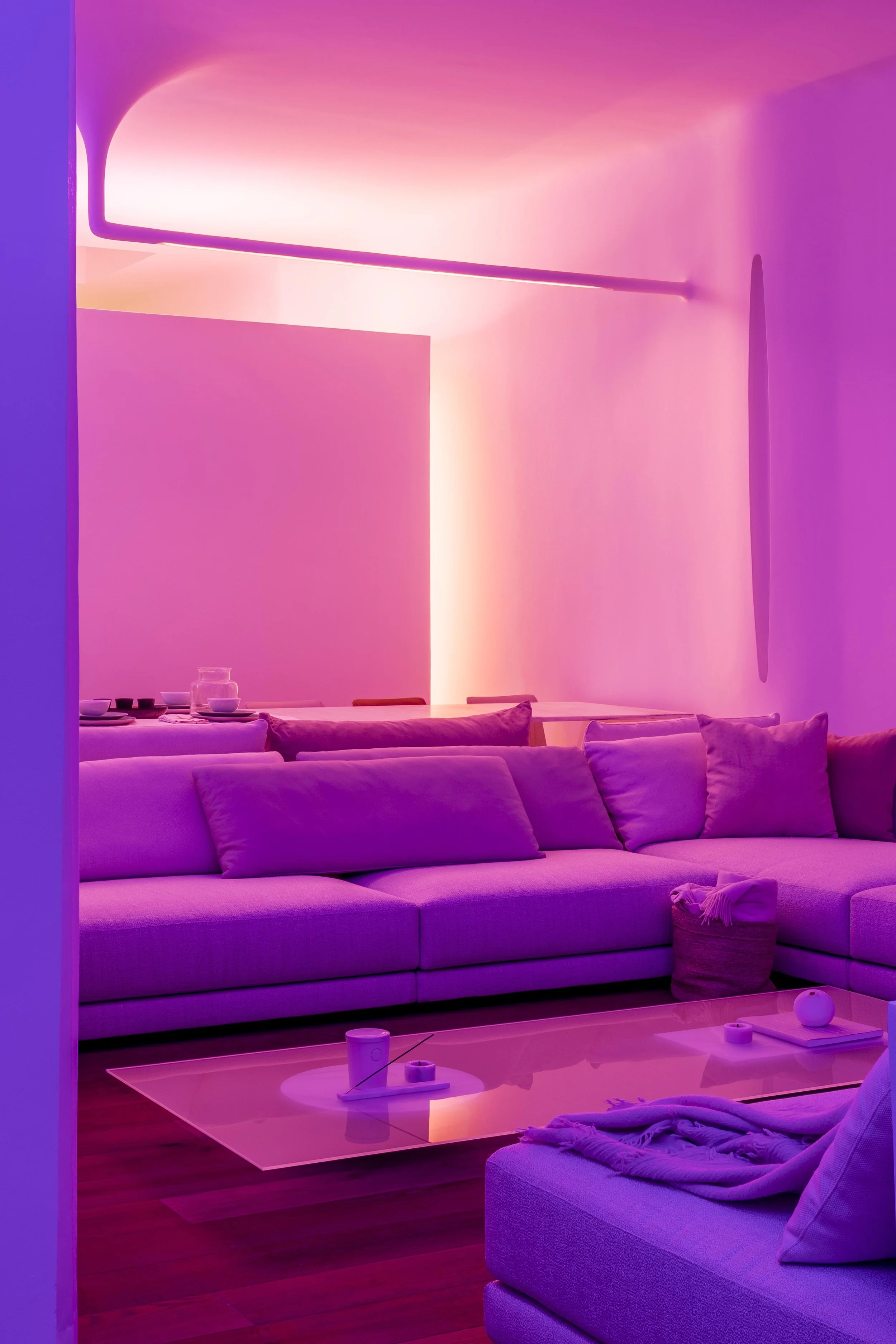
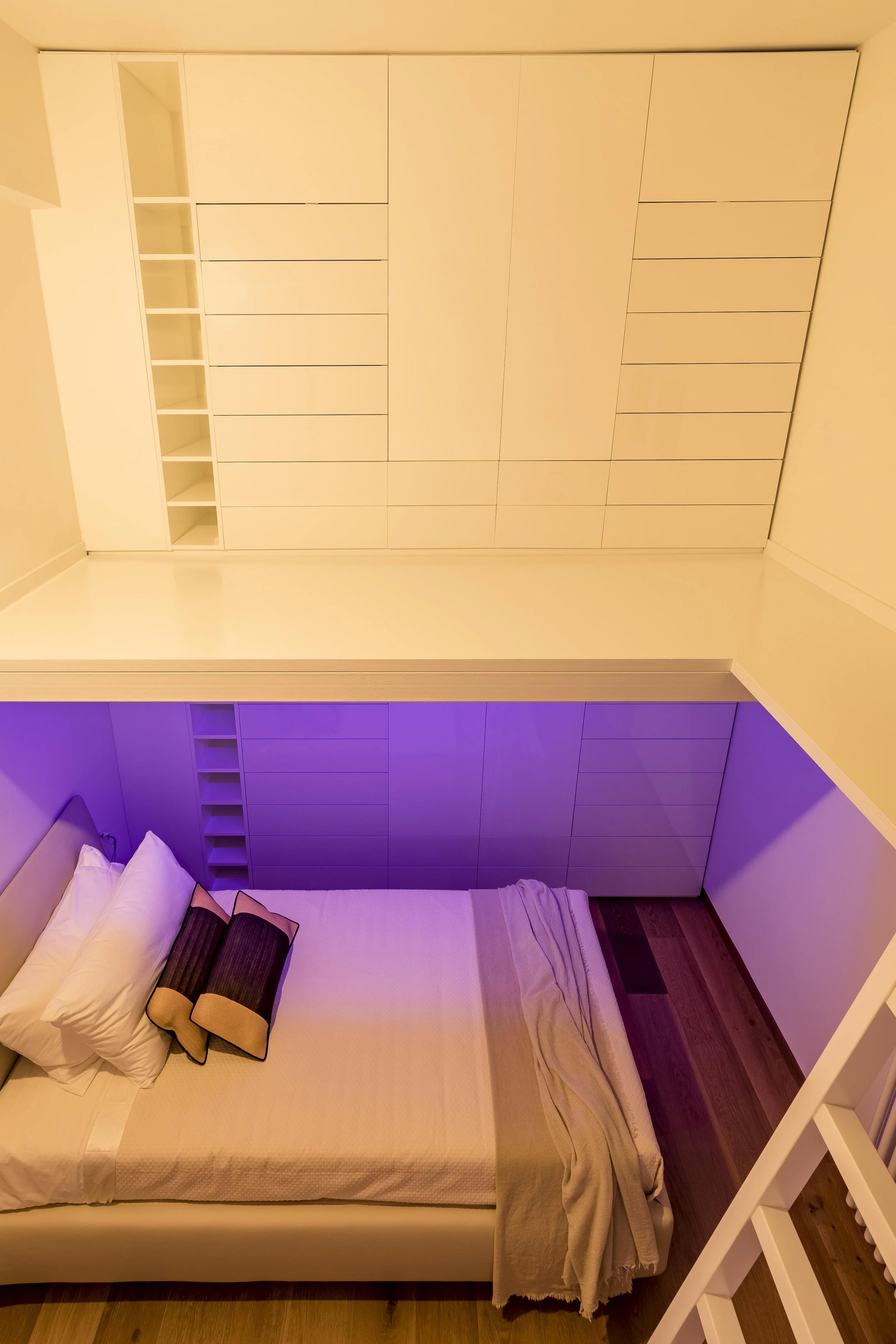
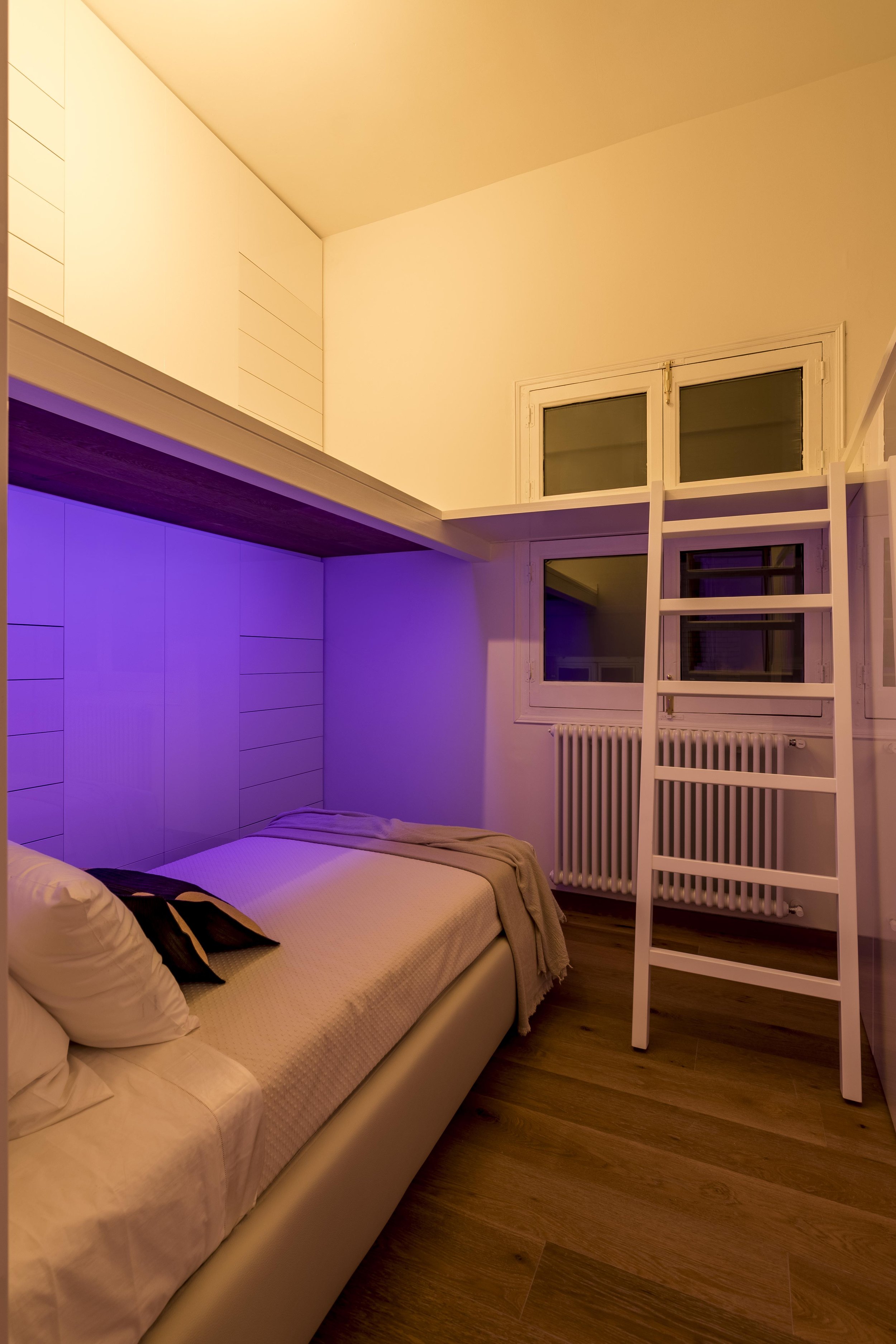
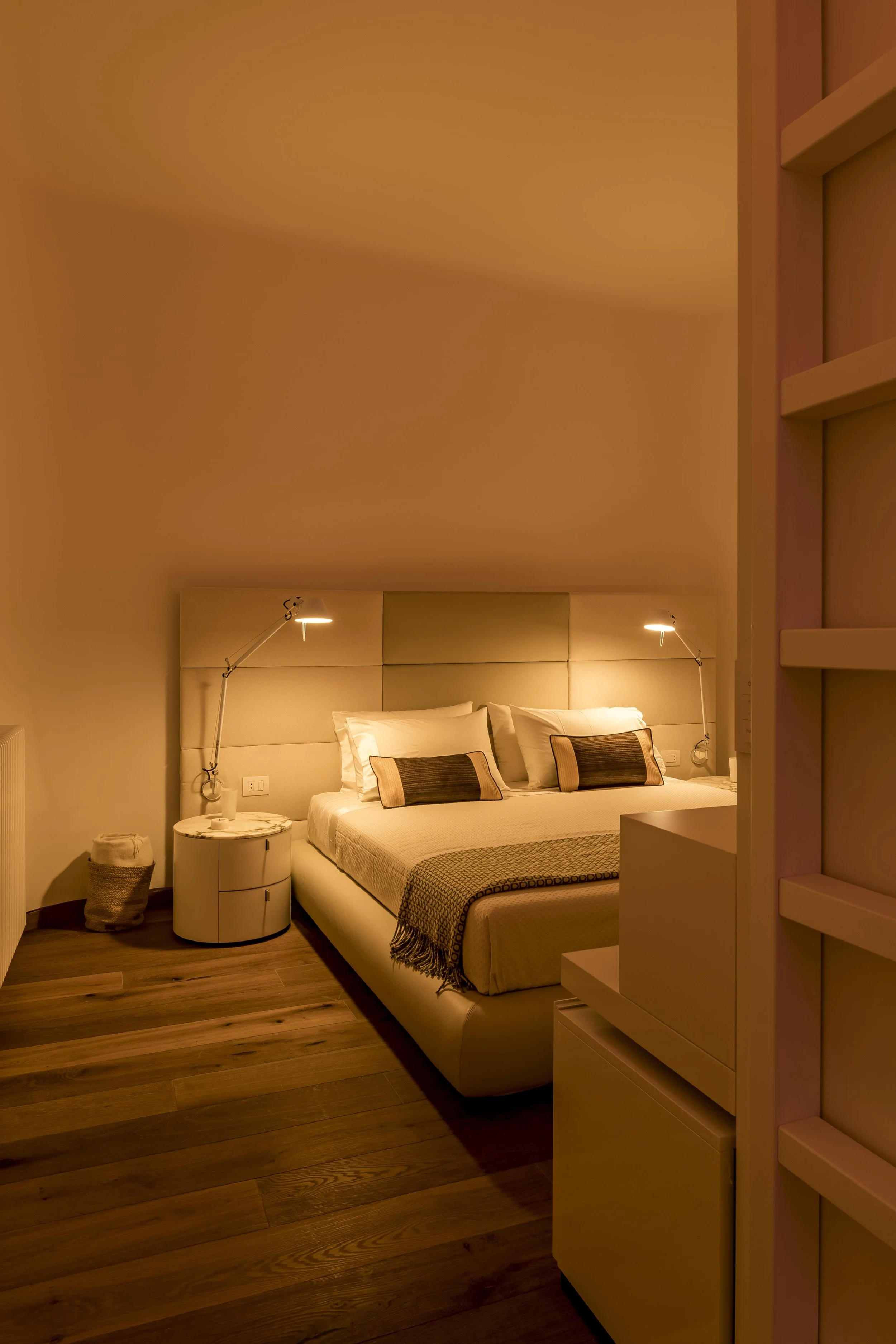
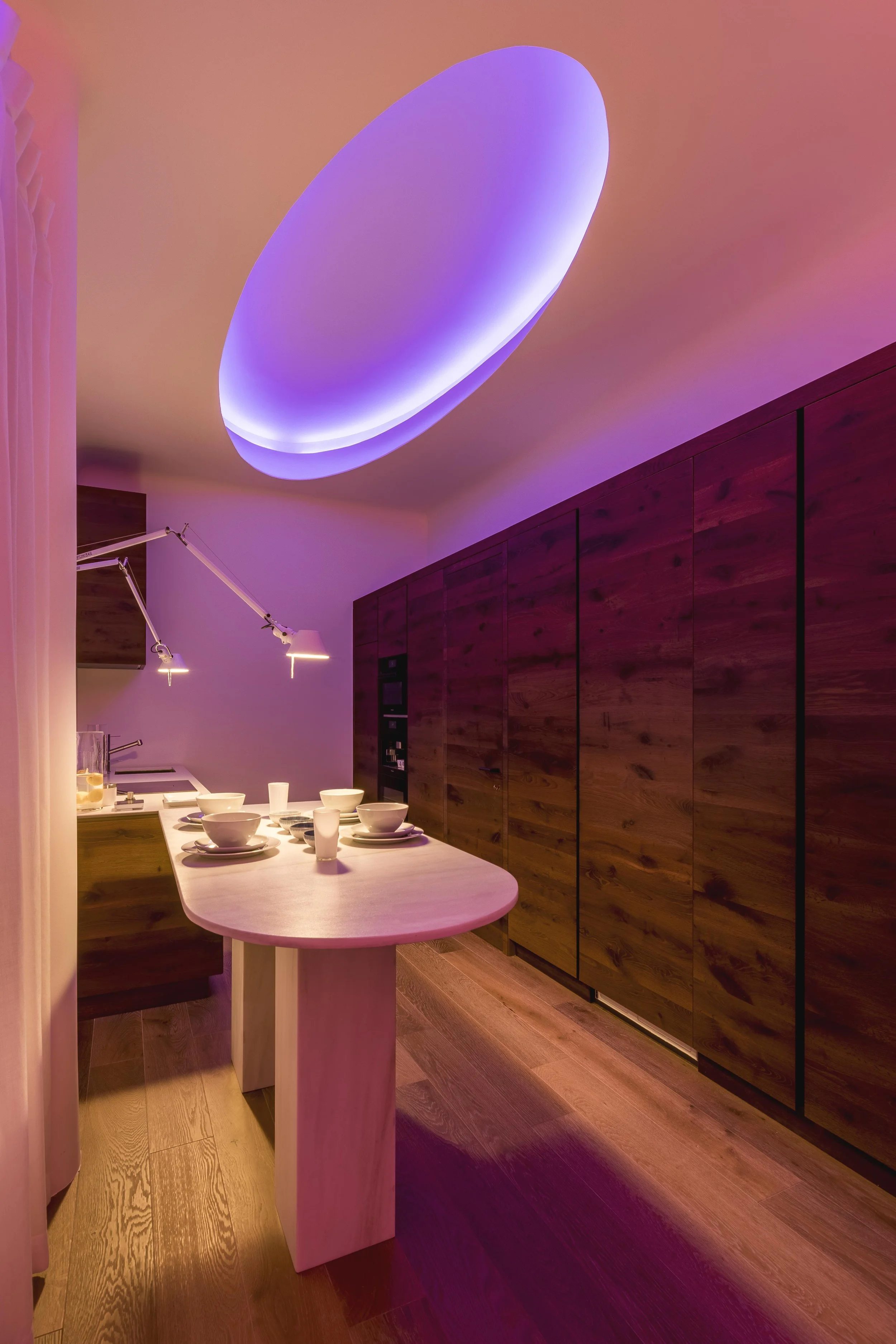
In nature, as in architecture, the resource of light in itself is not to be seen. This simple law constitutes and shapes the foundations of designing illumination in architecture.
The purpose of a lighting design program in architecture is to convert and restore the visual reading of space, based on nature and the importance of natural or artificial light. At the same time, it confronts the curious paradox in which light reaches, arises, and transforms all aspects of time and space, until the tolerant, watchful presence of darkness contains it.
David Ballester Photography
MAA Text
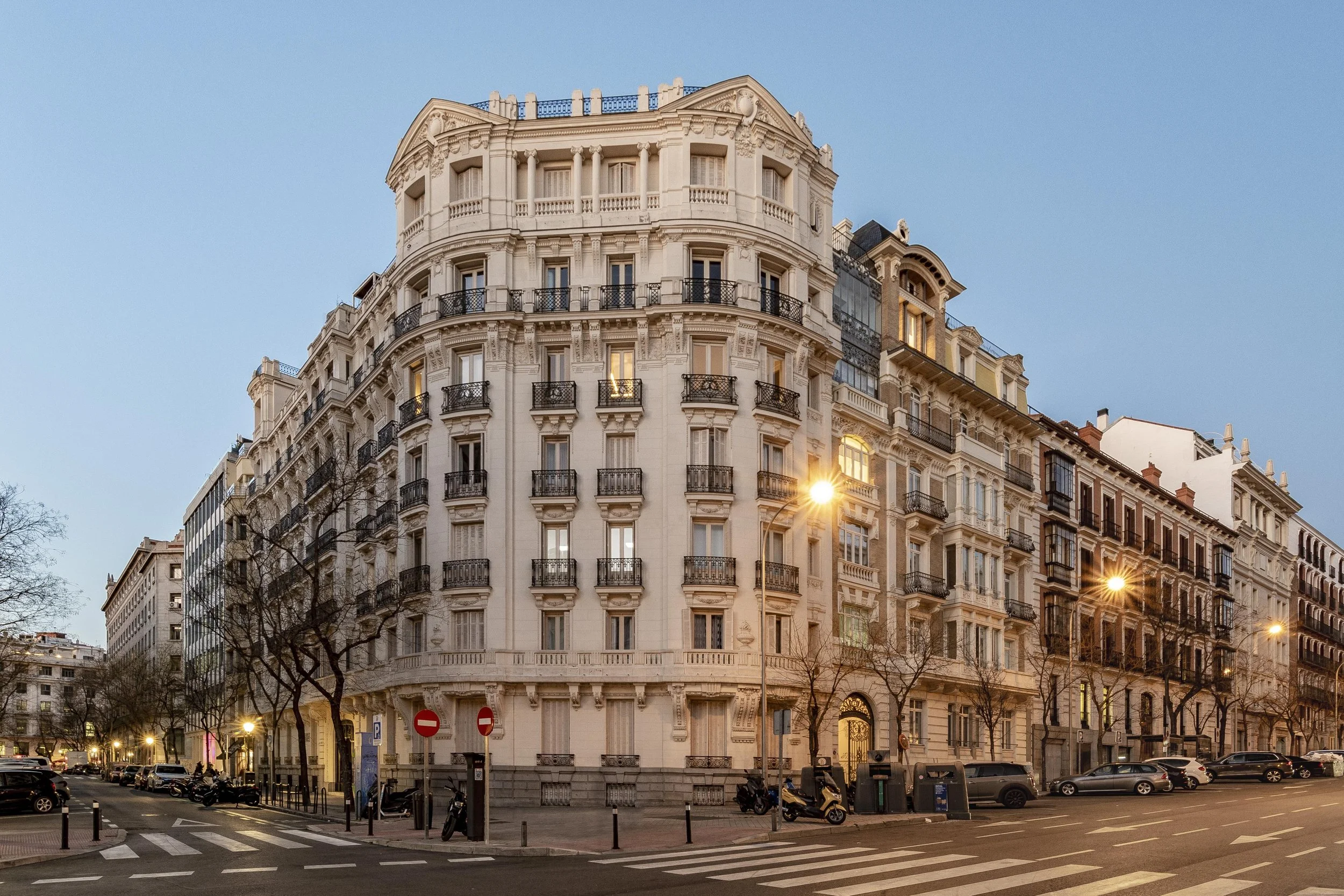
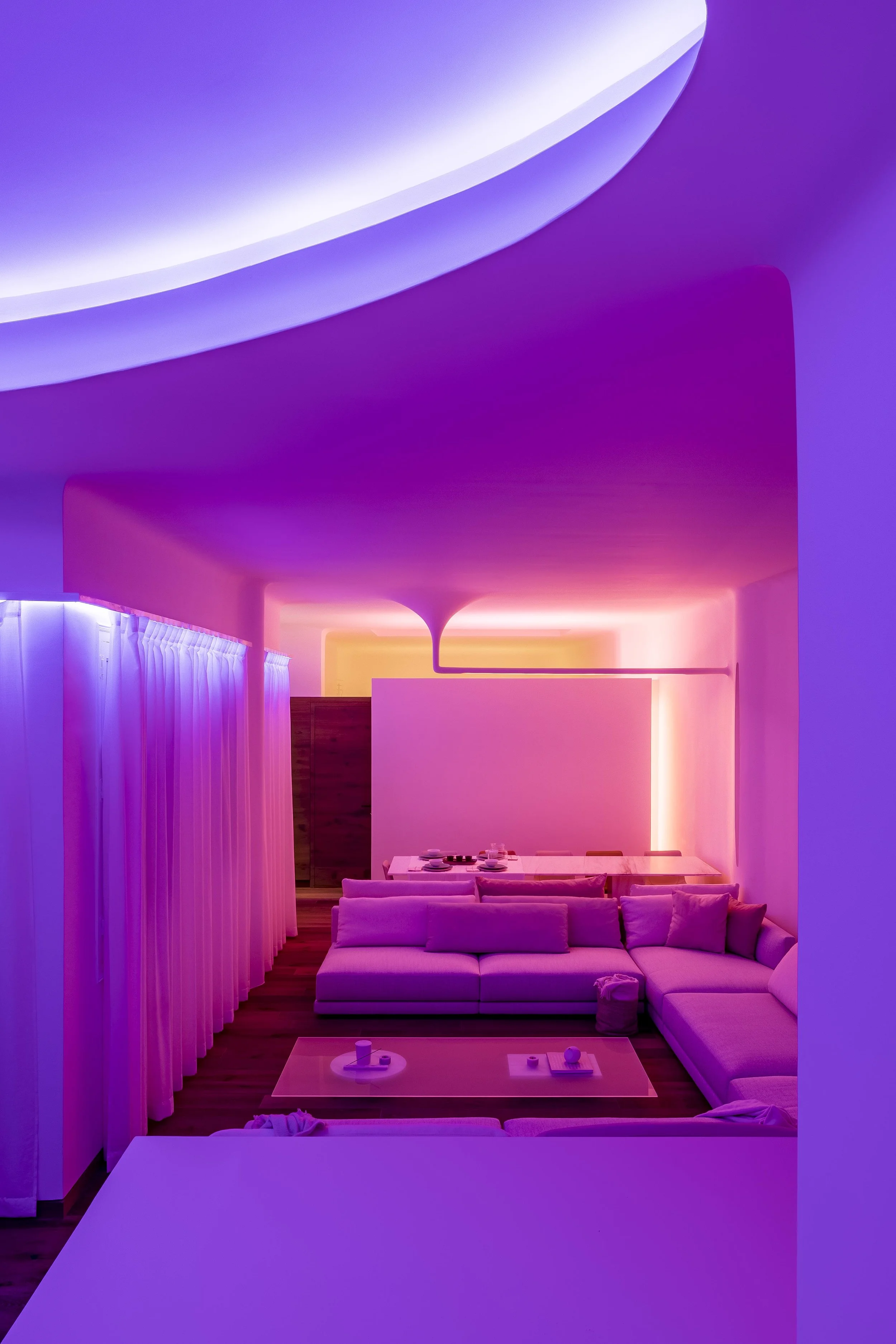
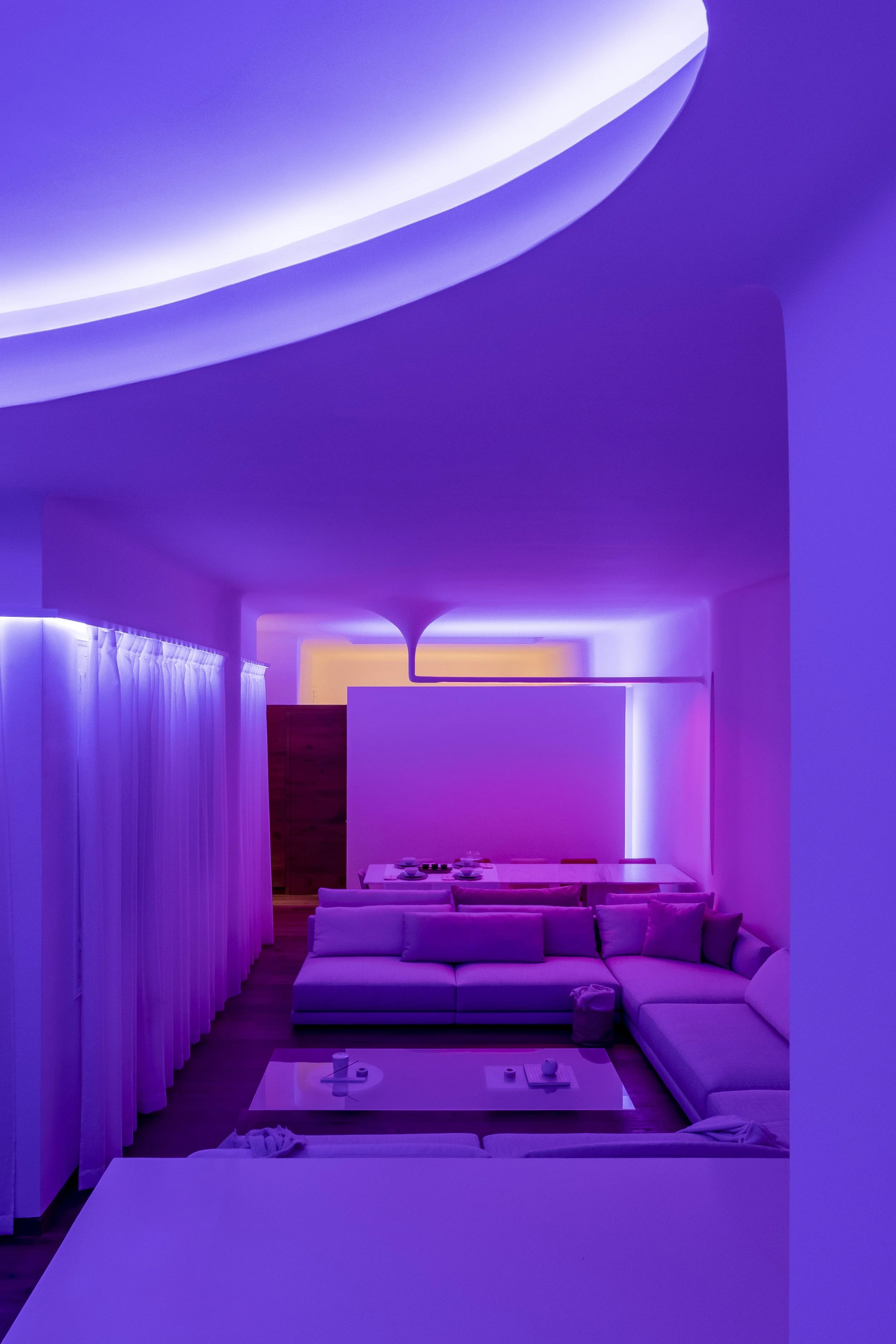
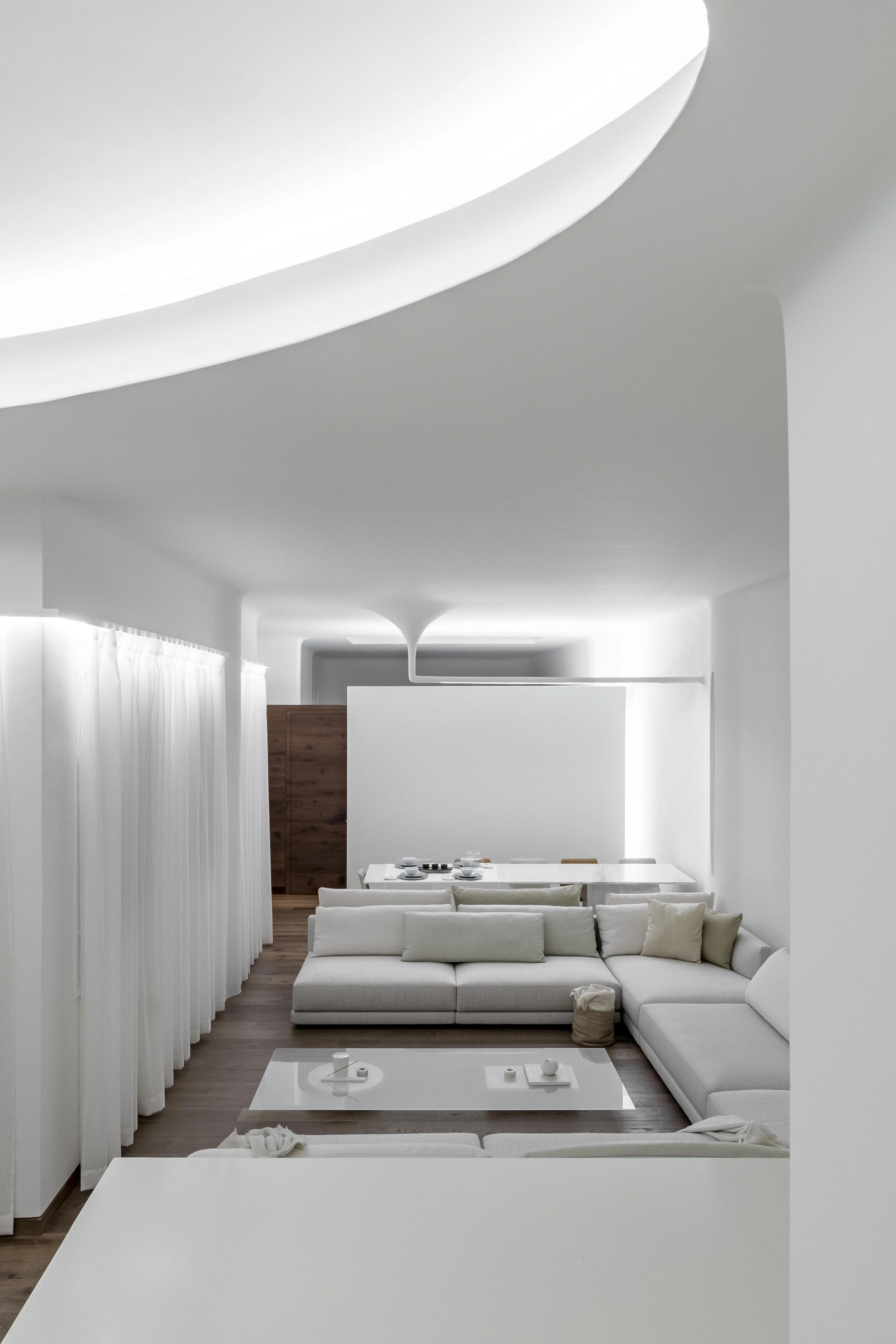
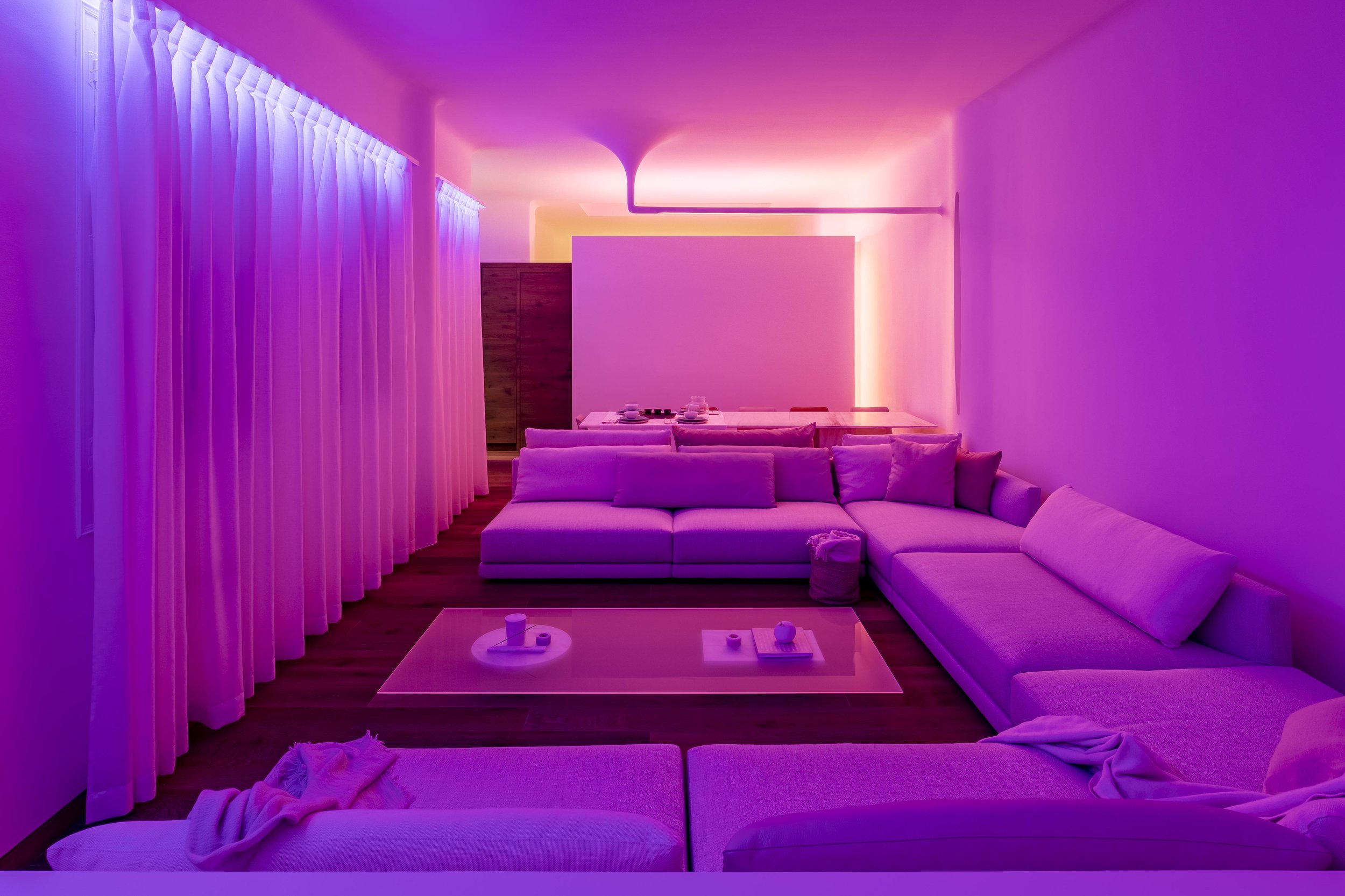
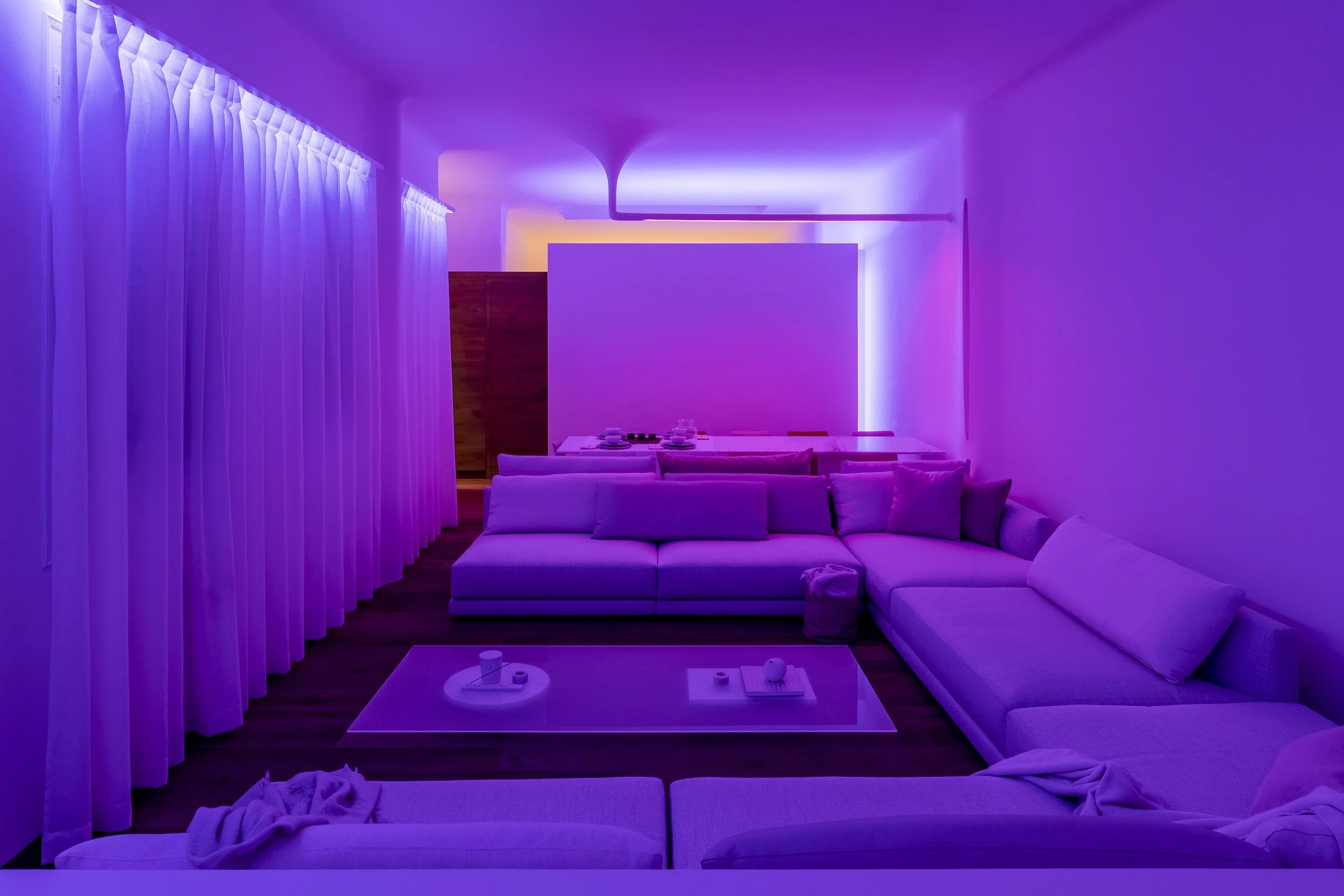
In other words, the process of designing illumination addresses the fact that working with light is not just working with light sources or lamps. Instead, above all else, it traps and captures an alternation of art and texture, in the alchemy of the state of darkness, transforming itself as evidence of the state of illumination.
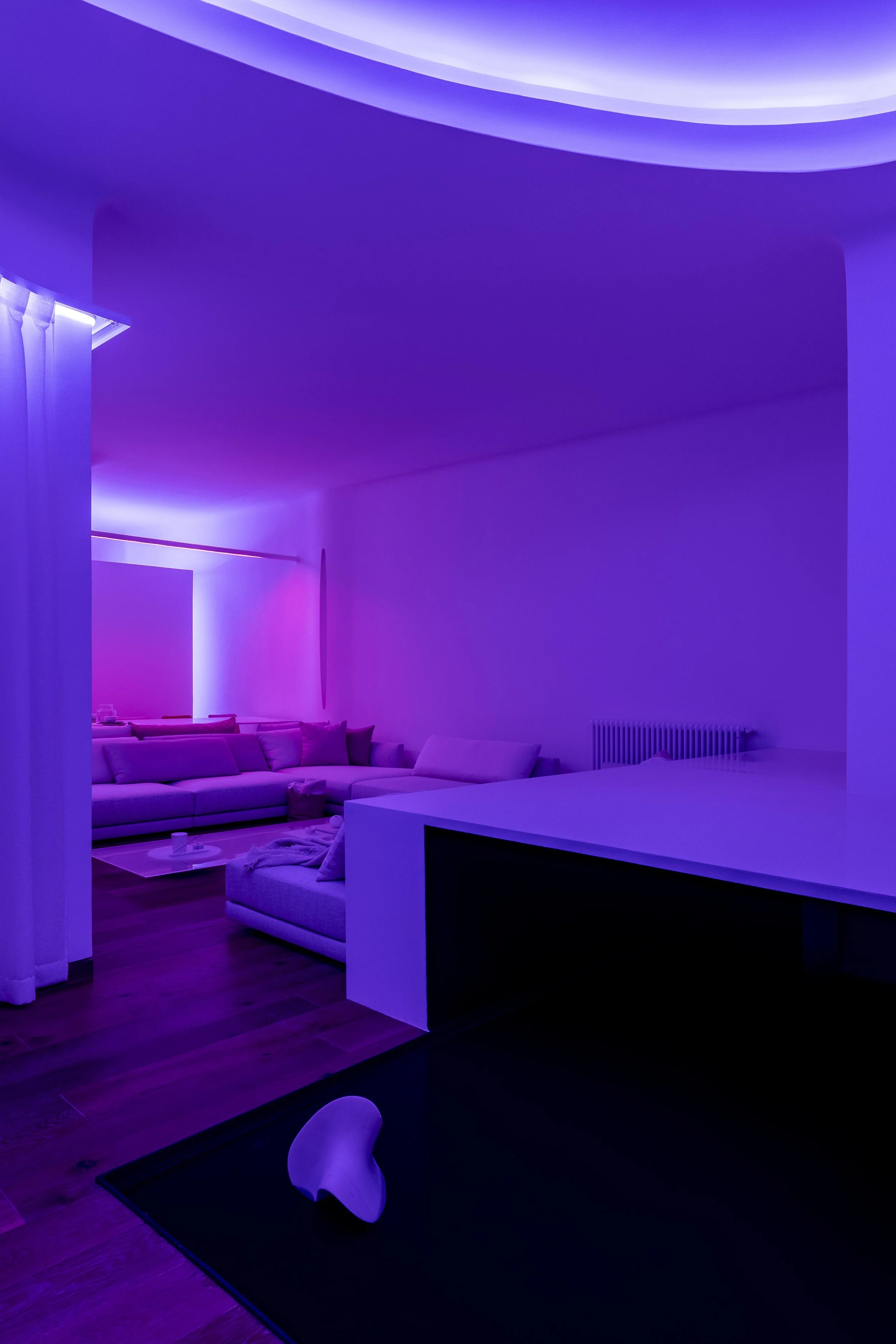
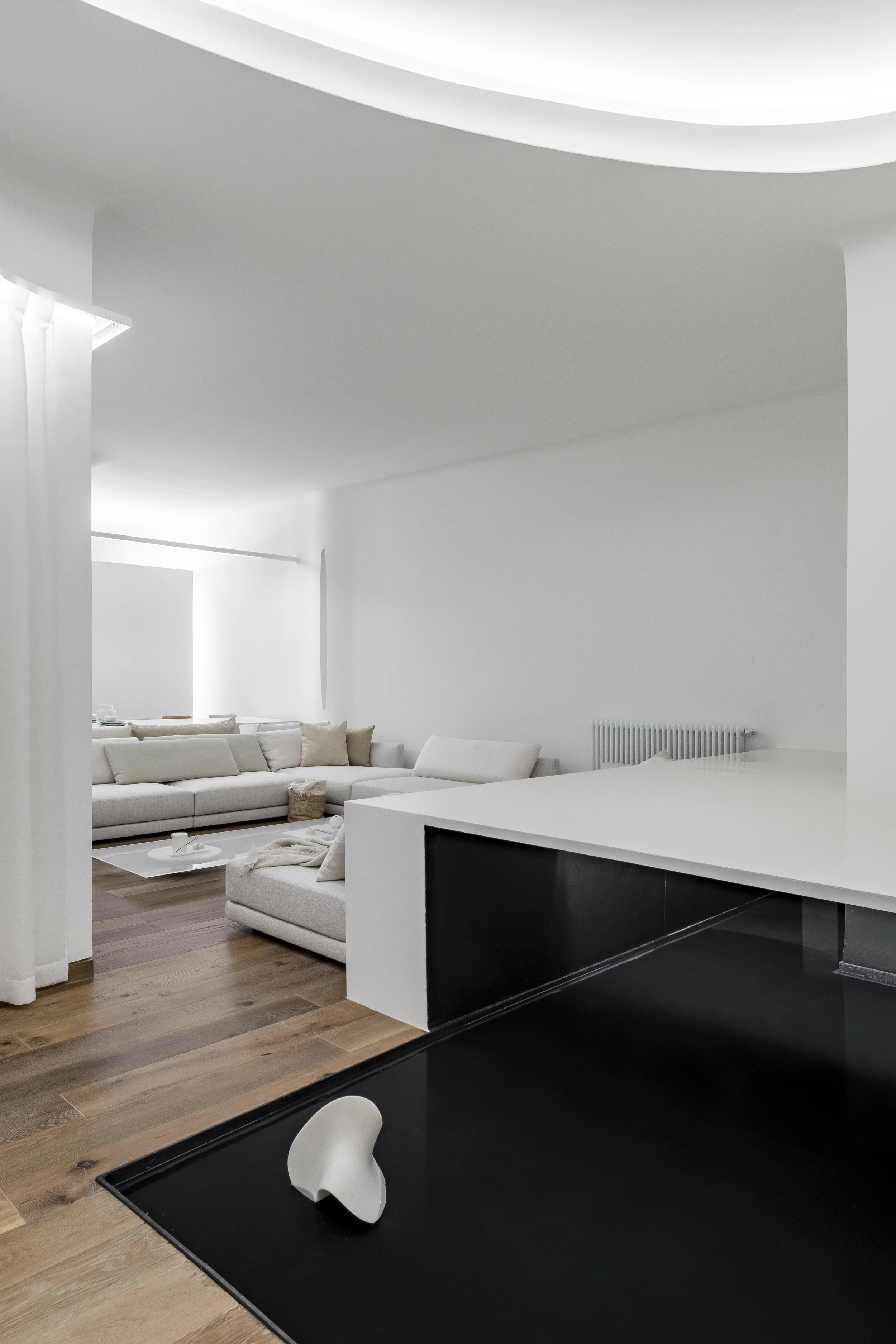
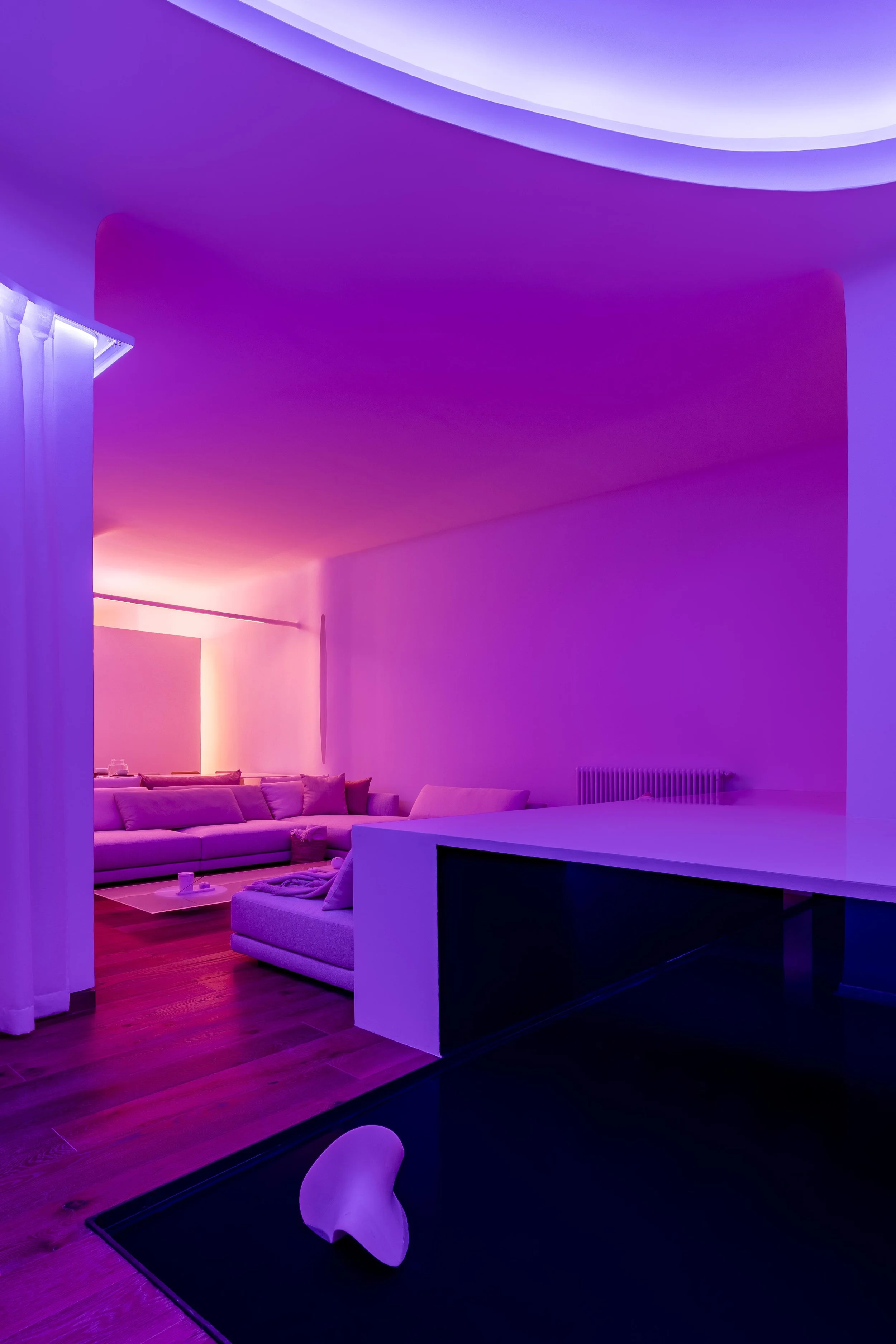
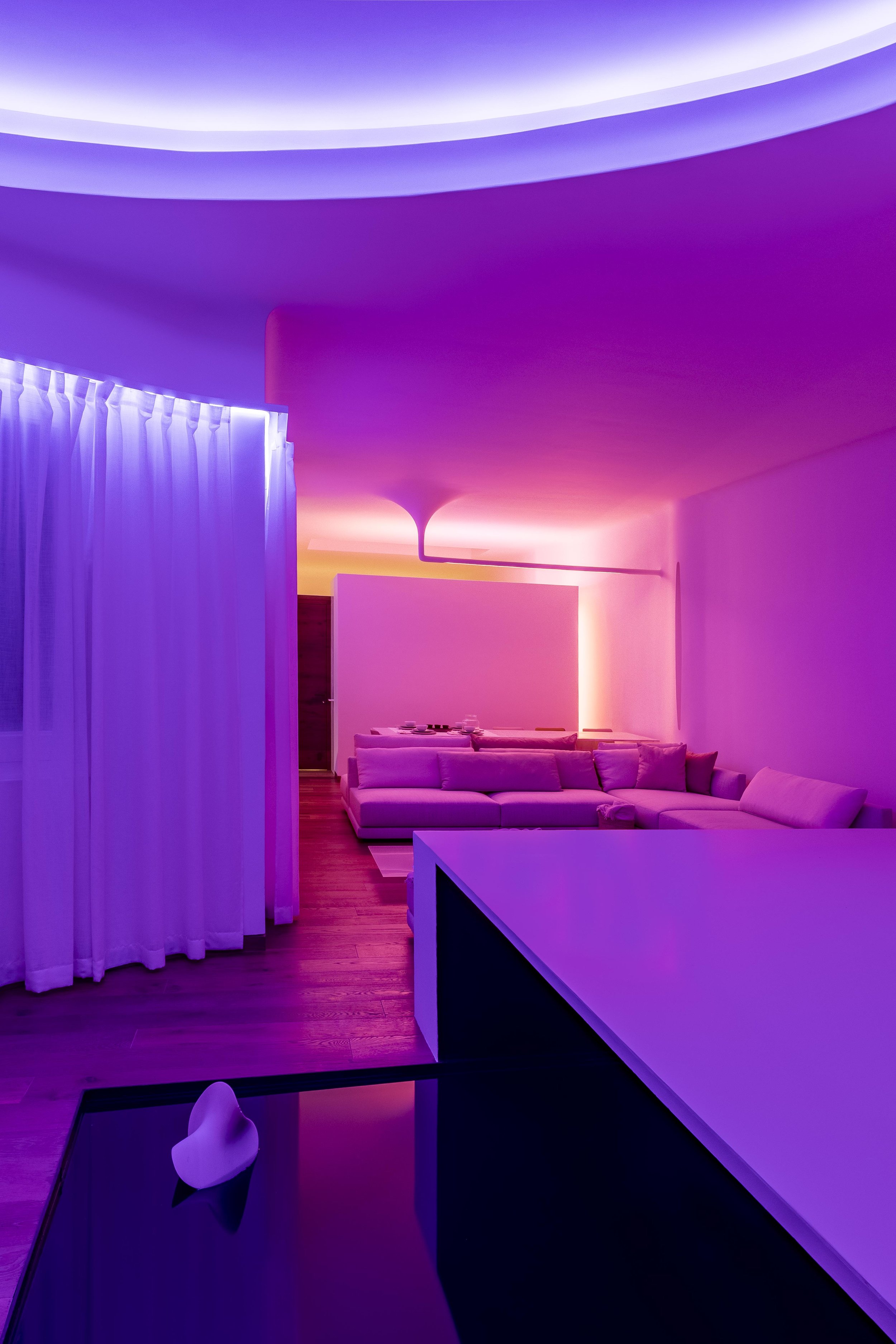
To make a blank, white space is to open the doors to thought and reflection. An object laden with lines and forms is an invitation to read and to process them. A space with few elements invites us to read deeper, to think. The greatest challenge — not only for an architect but also for any of us — is to live on par with our intentions, above all bringing our work into harmony with our way of thinking. I believe that's the moment when ethics produces aesthetics. This studio is designed for the diffusion of space and ideas.
PRoject DEtails
-
Miguel Angel Aragonés
-
Georgina Amador, Juan C. Leon, Juan Carlos Calanchini, Gabriel Villalobos
-
Nicola Lorusso
-
Xawery Wolski
-
Mexico city, Mexico
-
1,102 M2