
Rombo IV
Mexico City, Mexico
2024
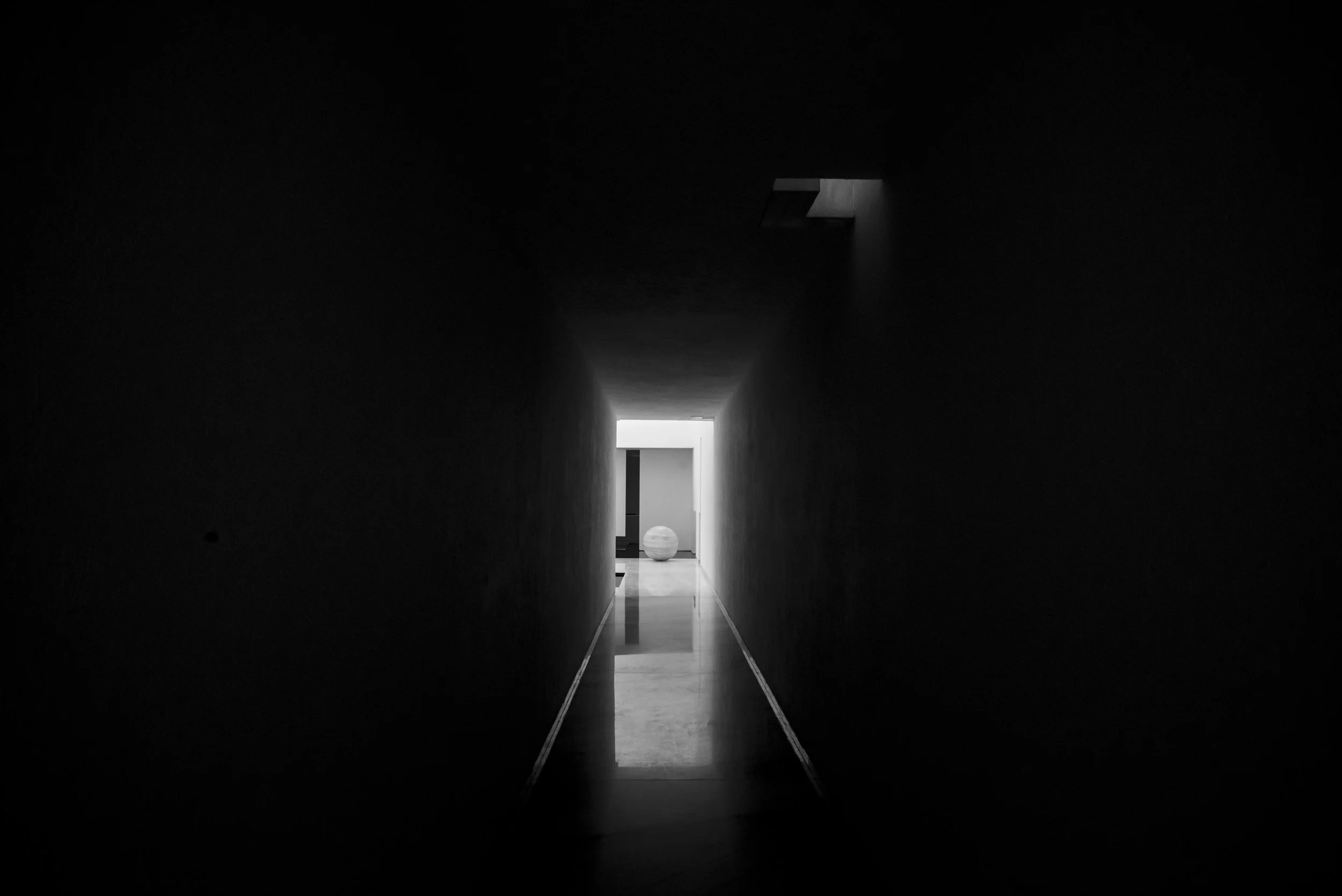
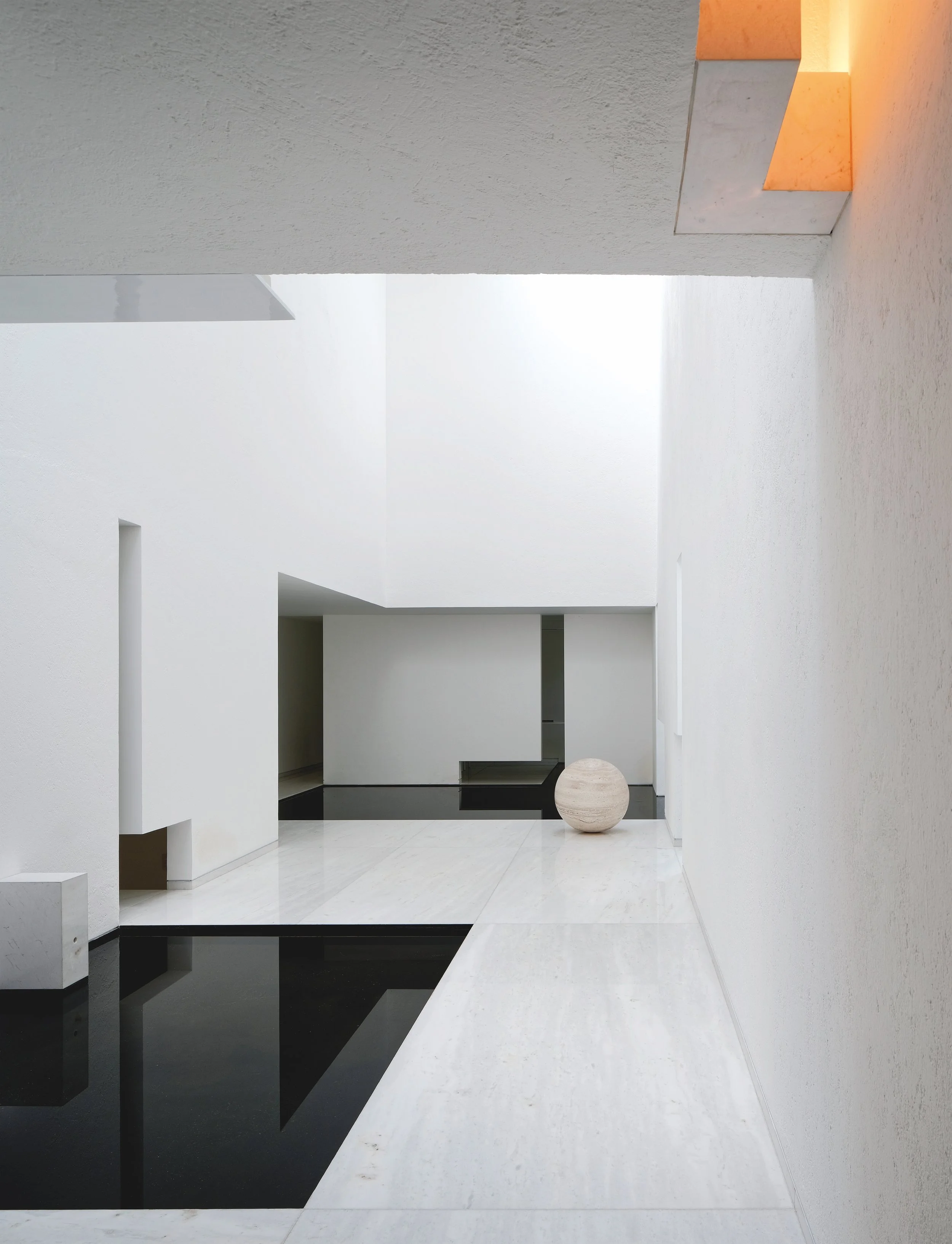
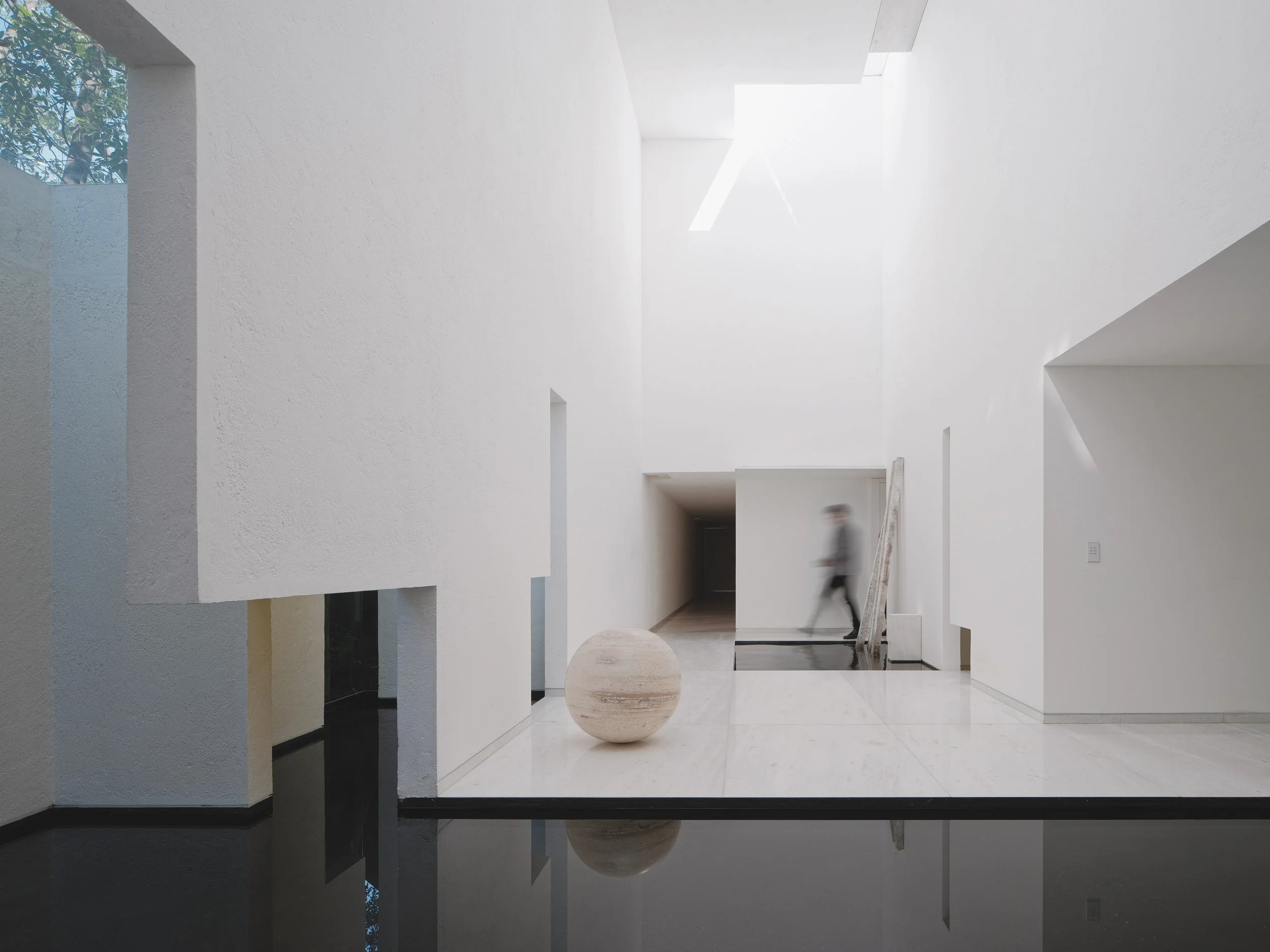
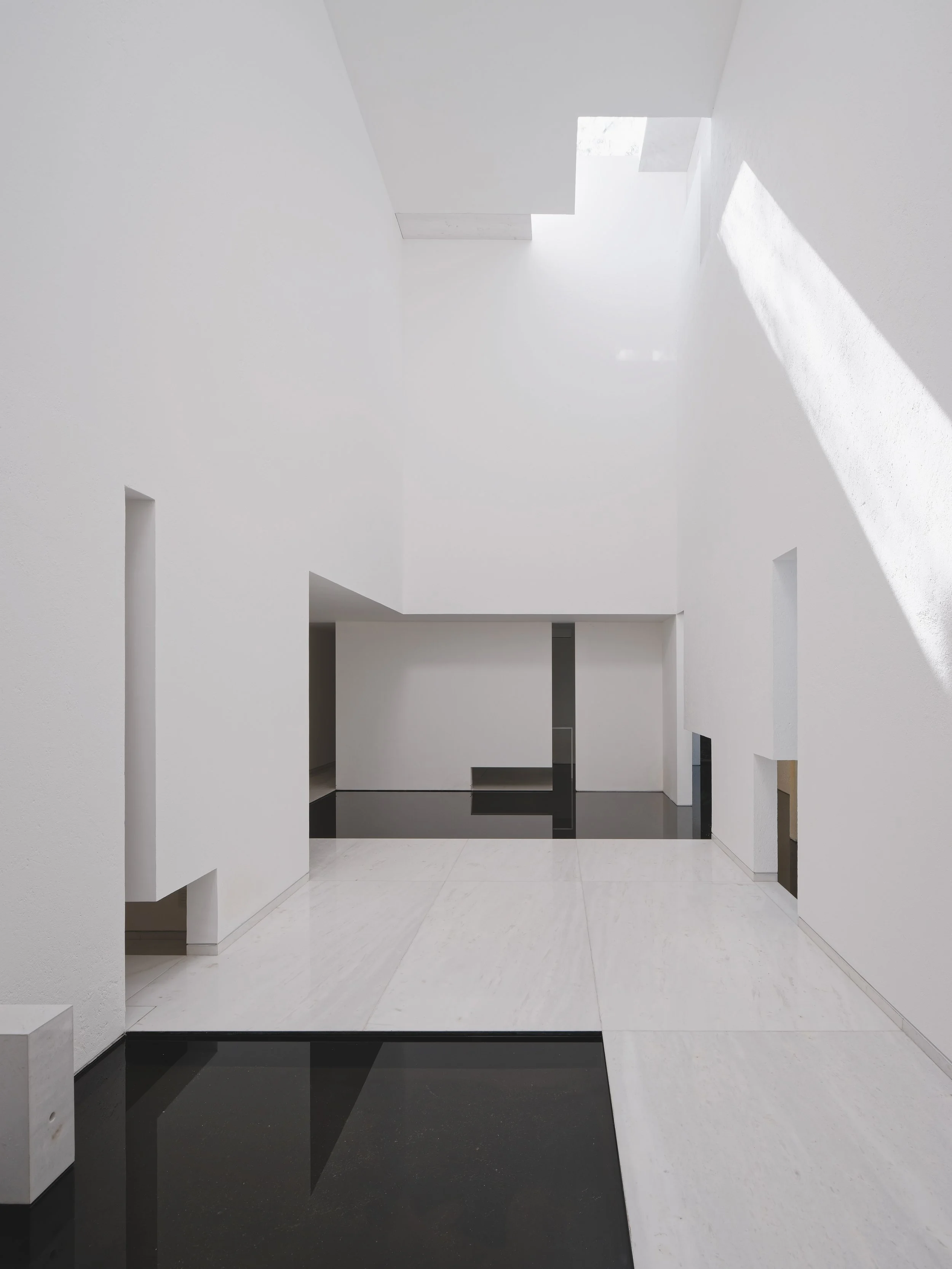
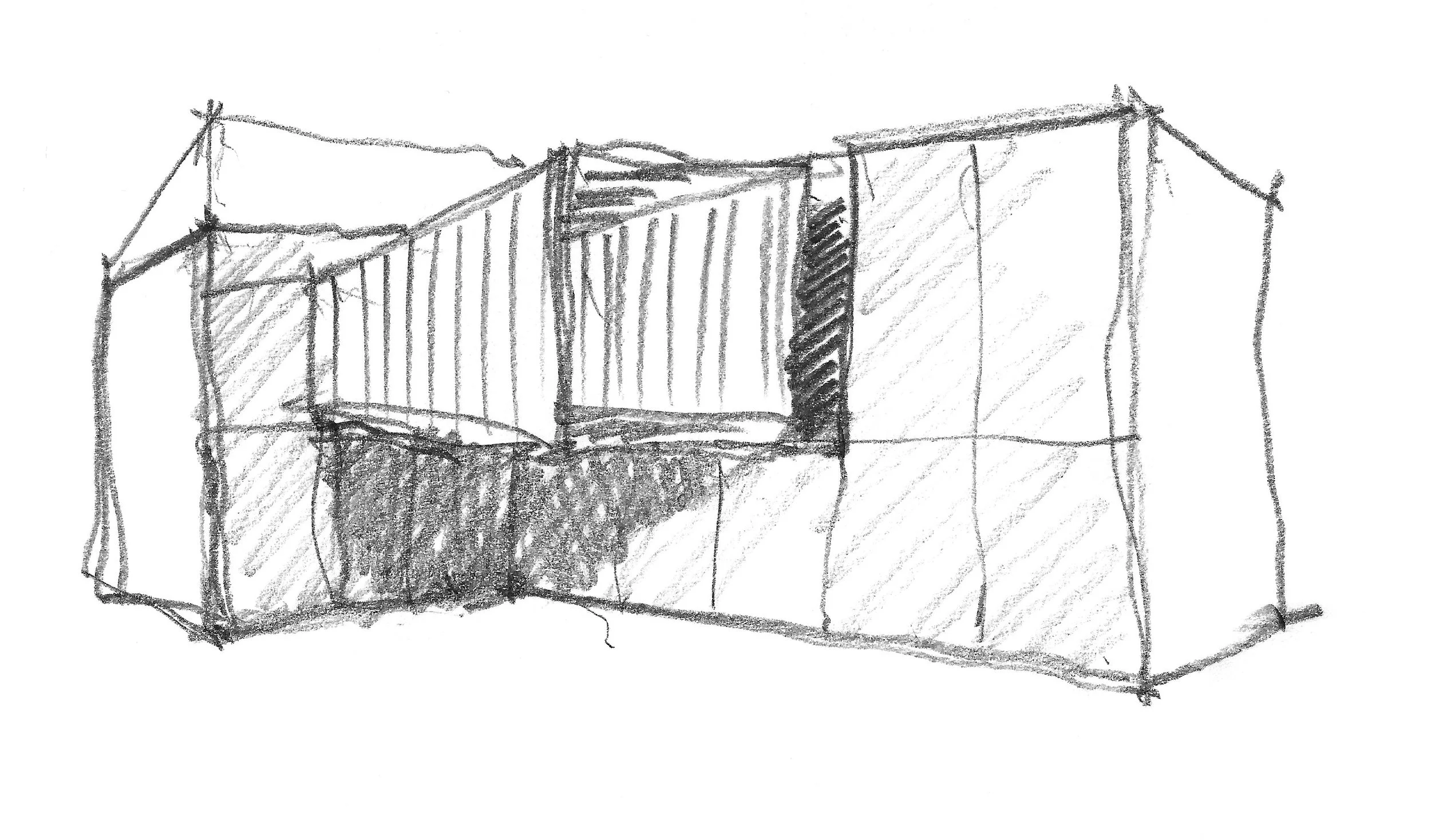
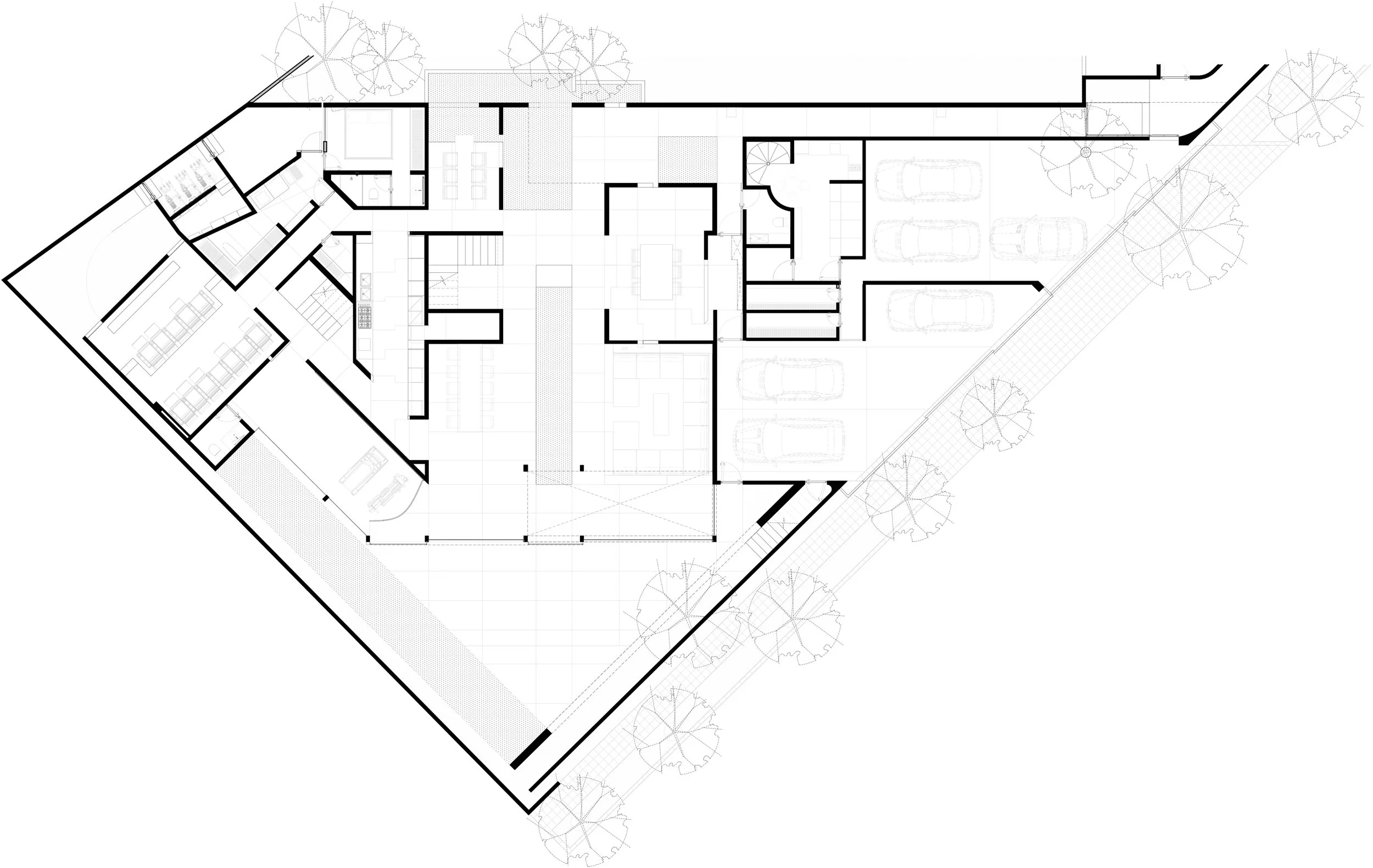
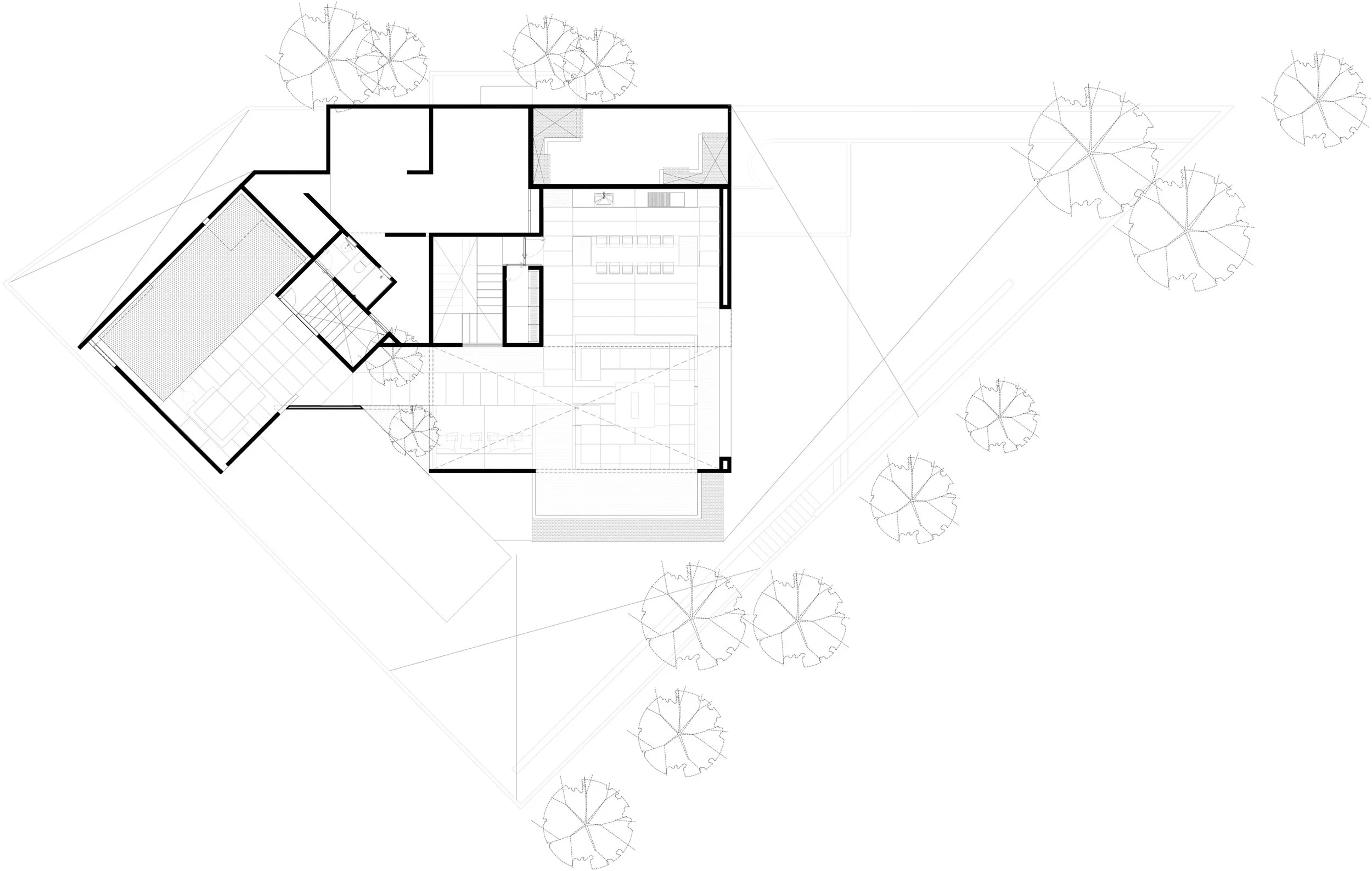
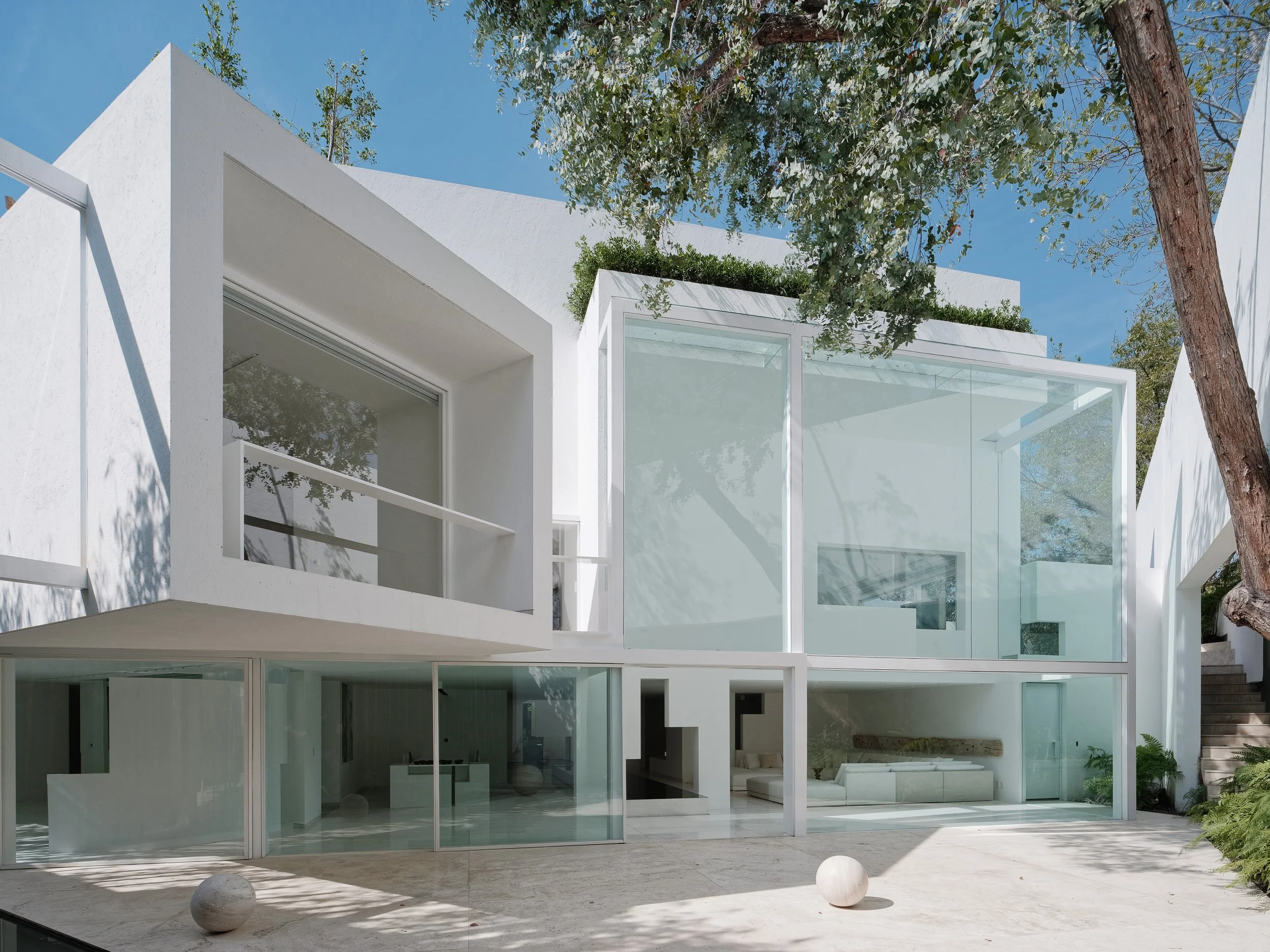
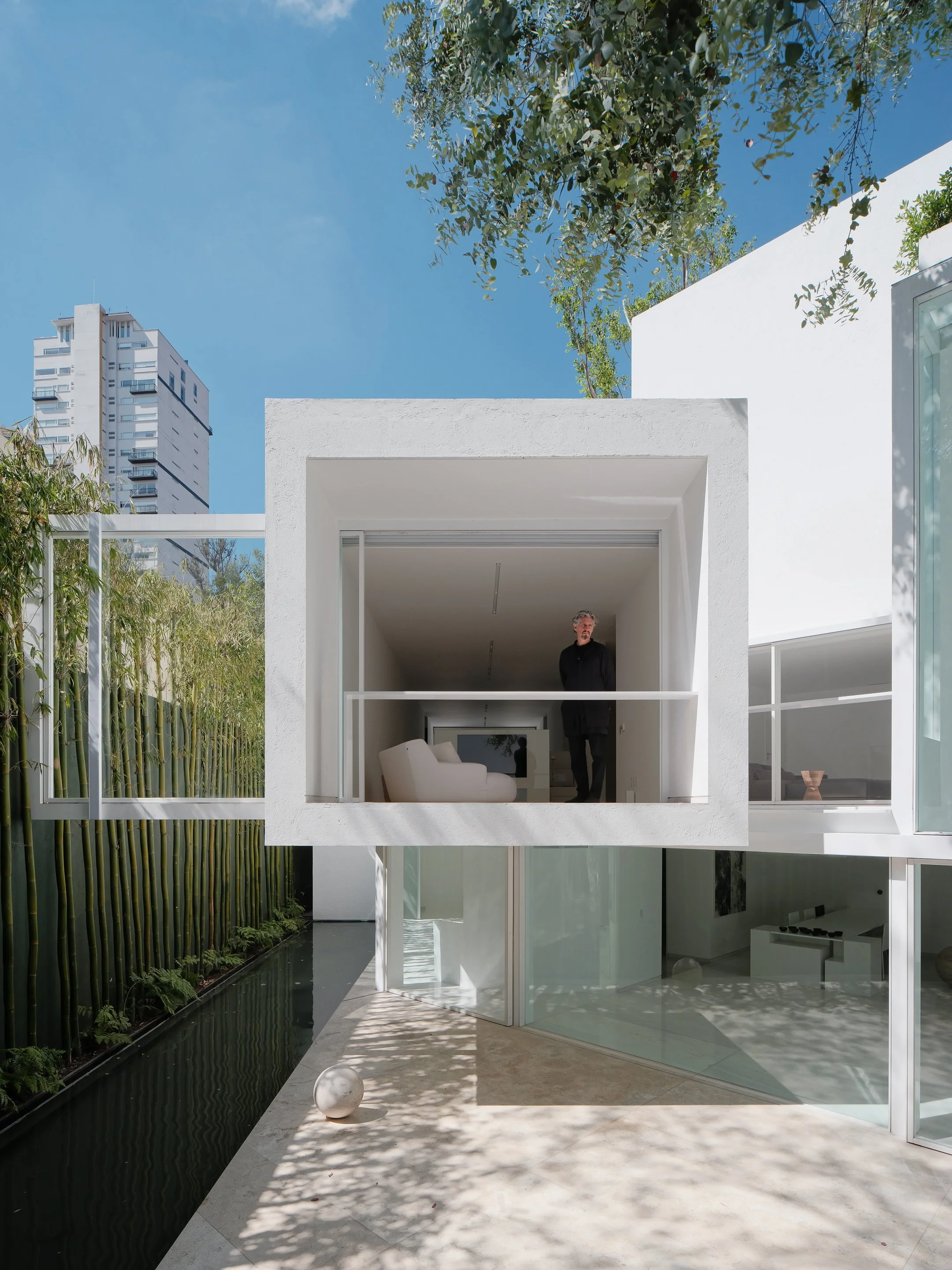
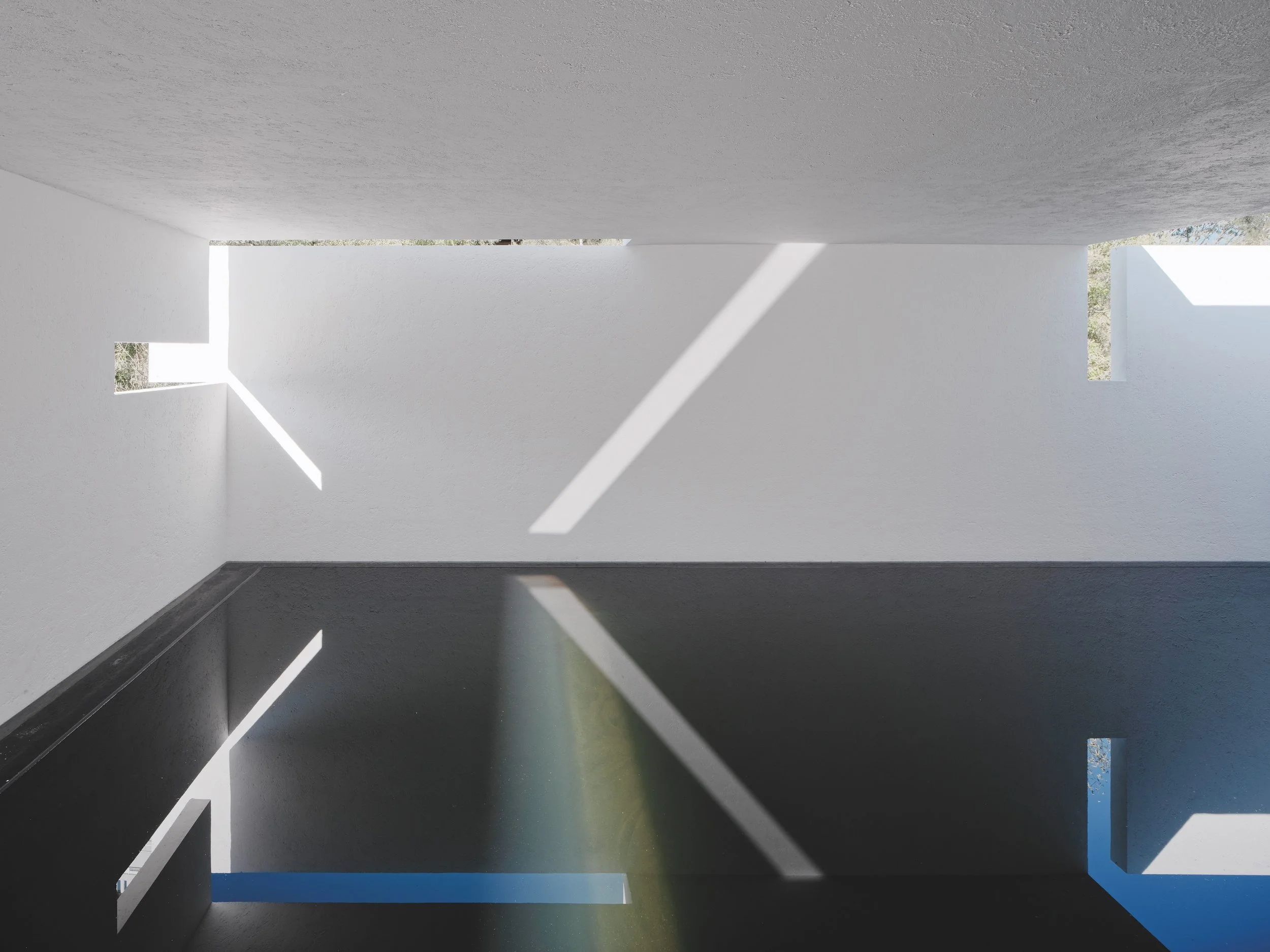
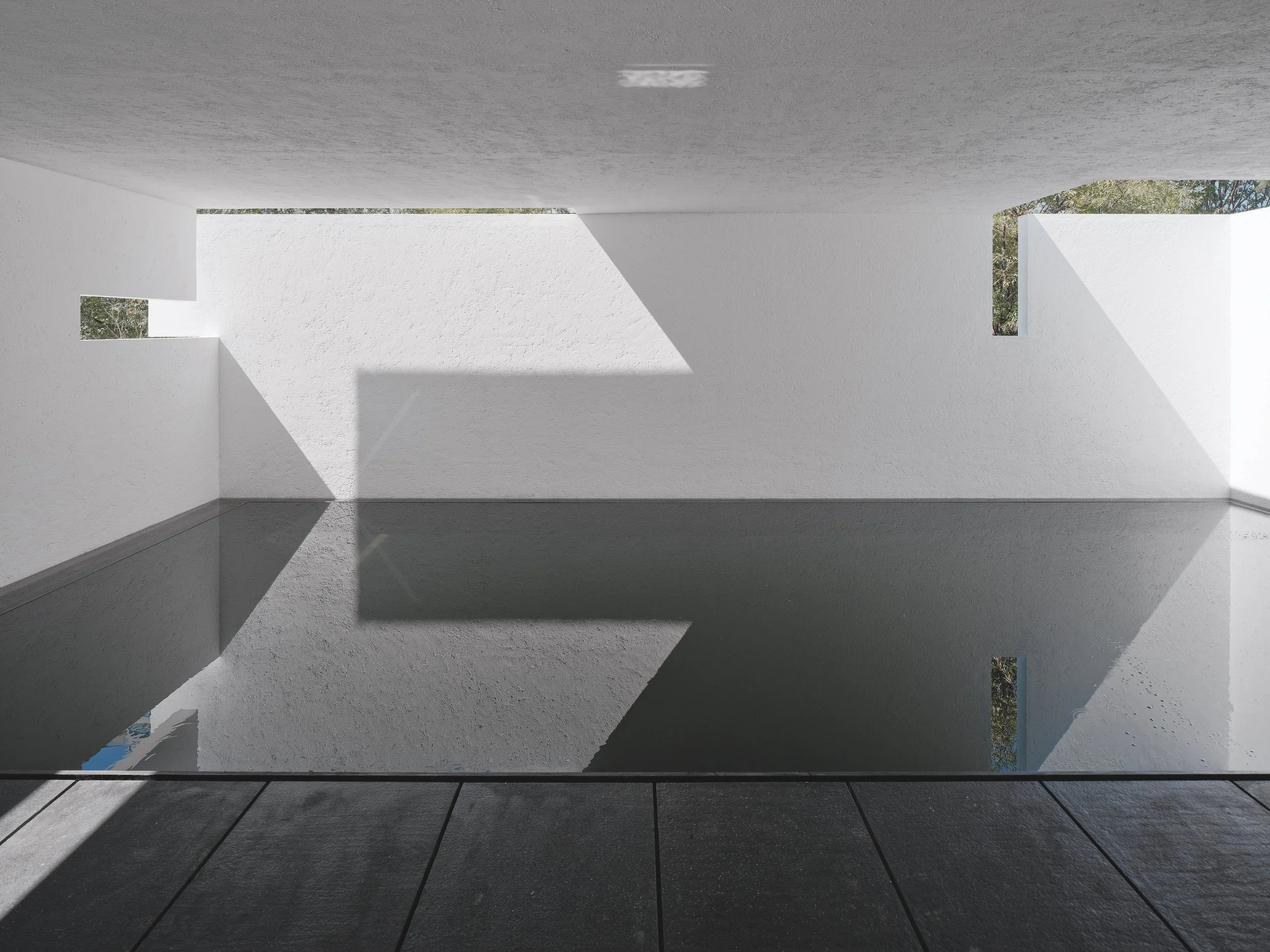
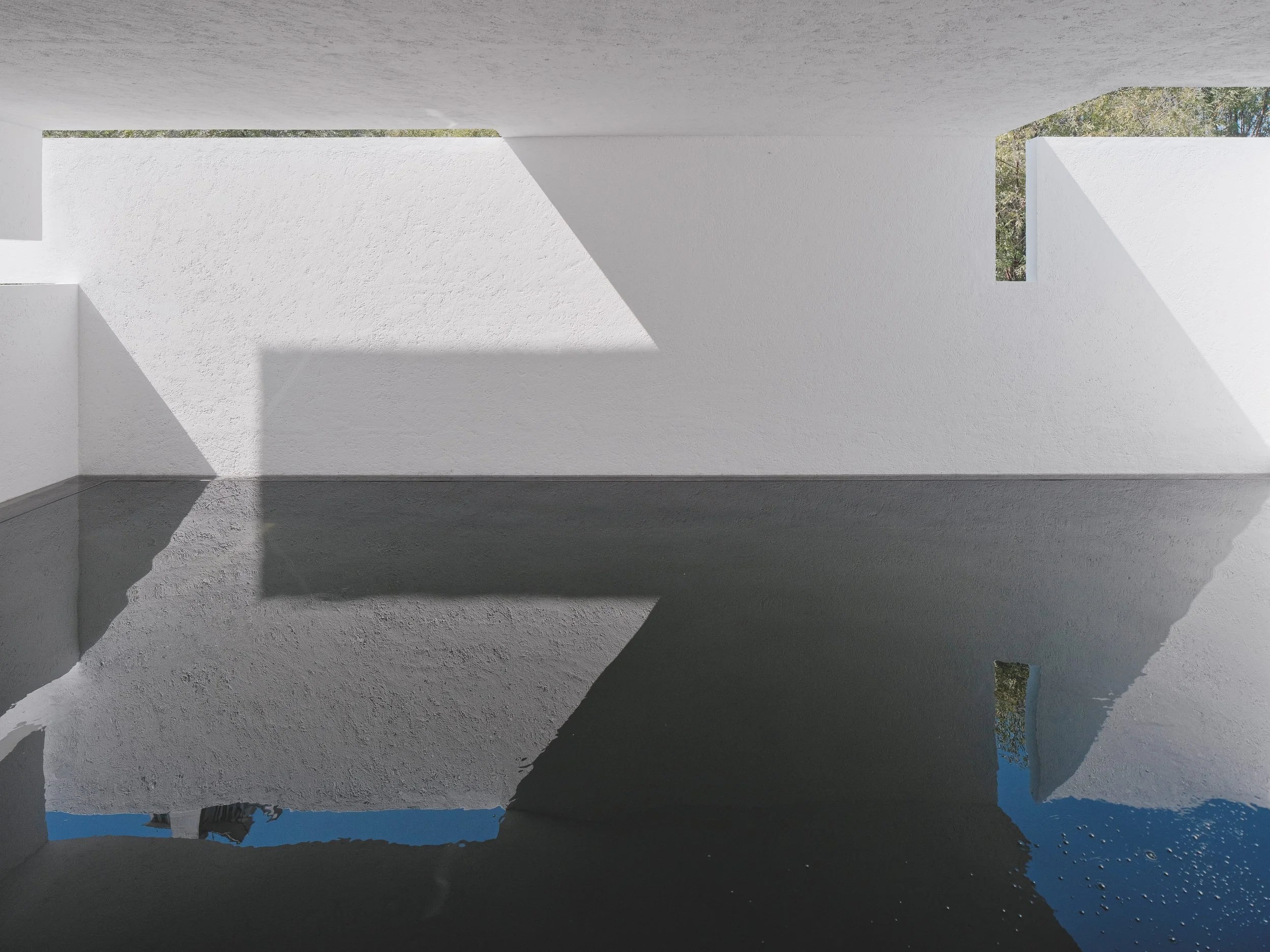
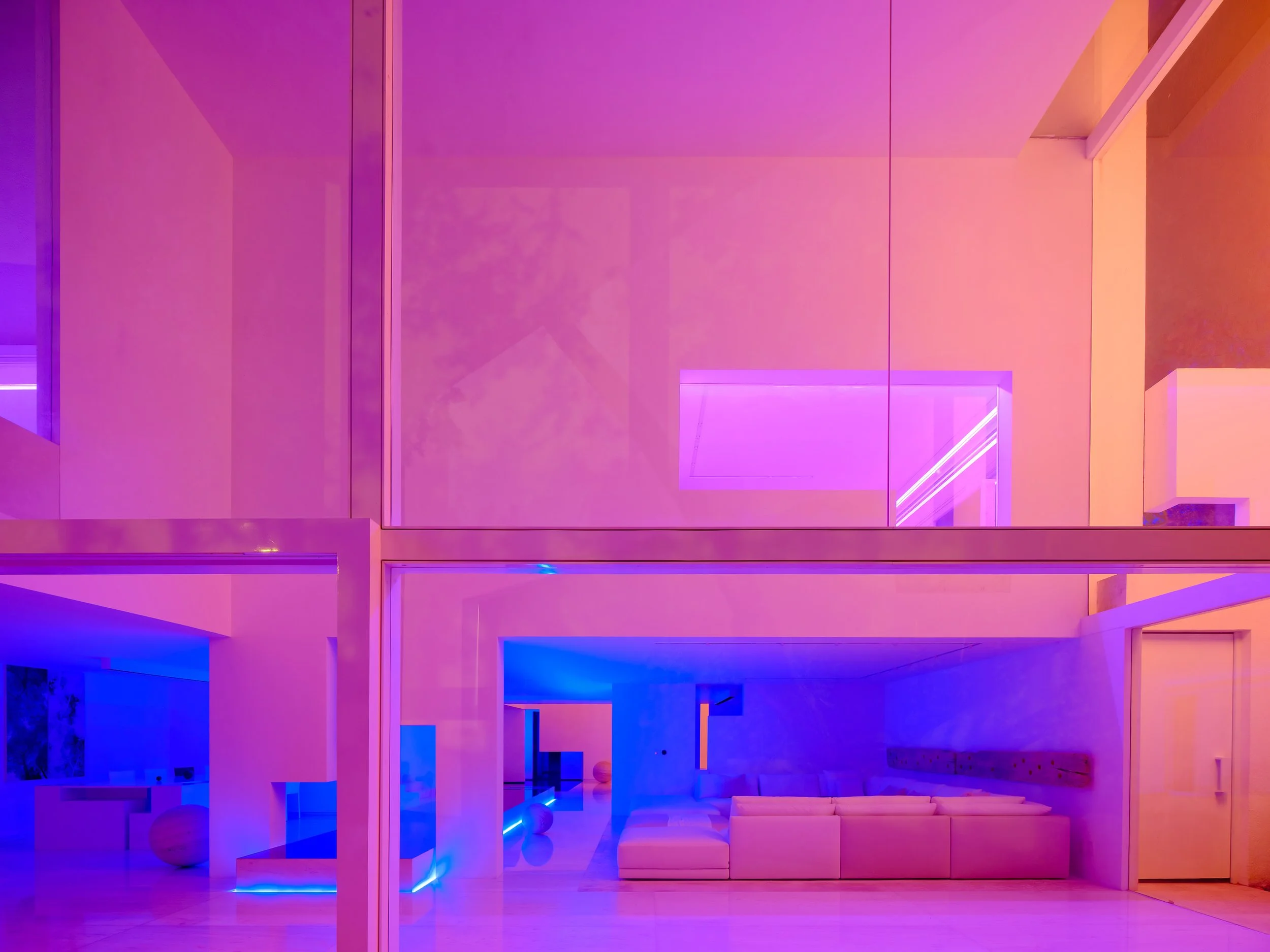
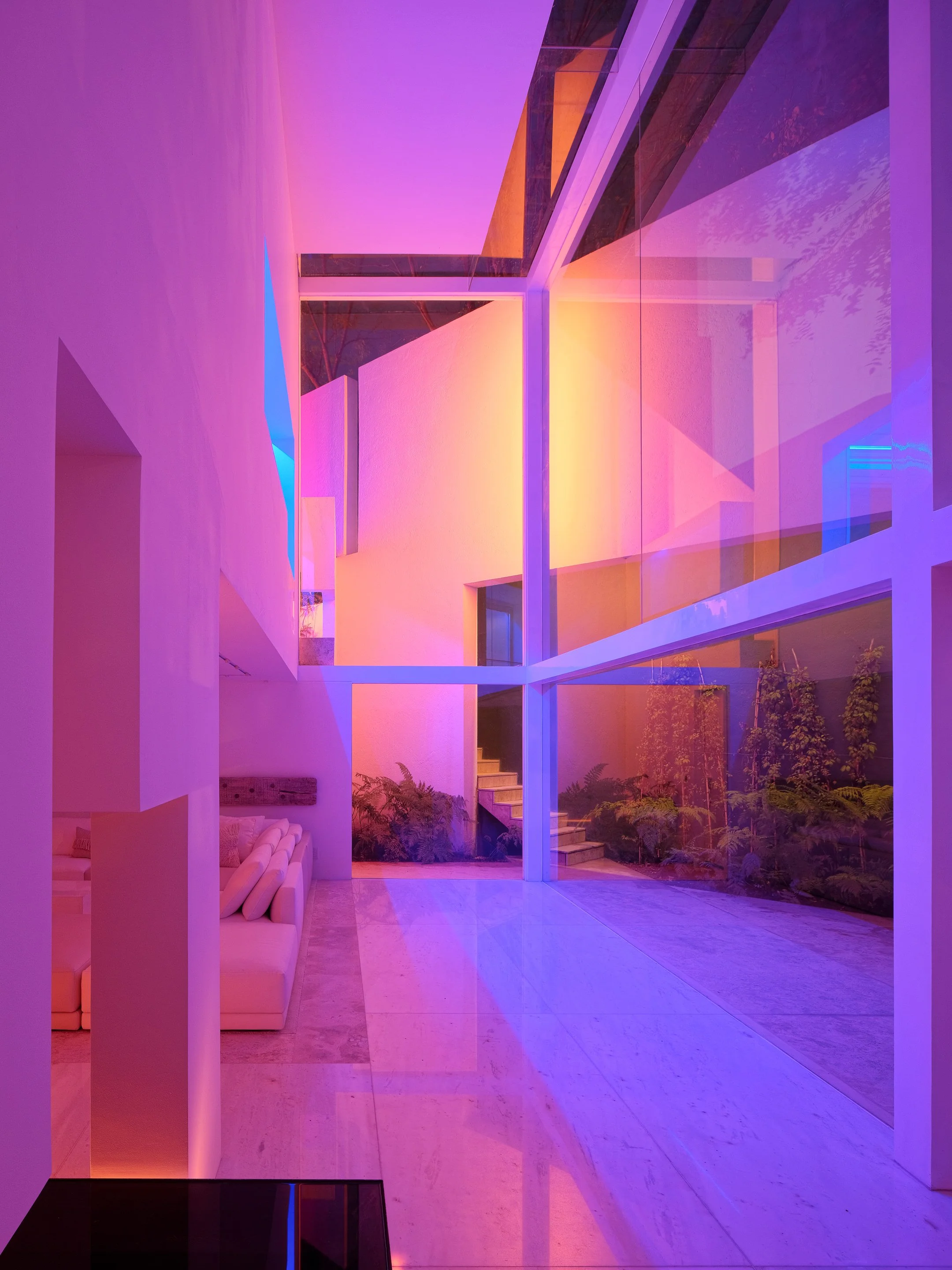
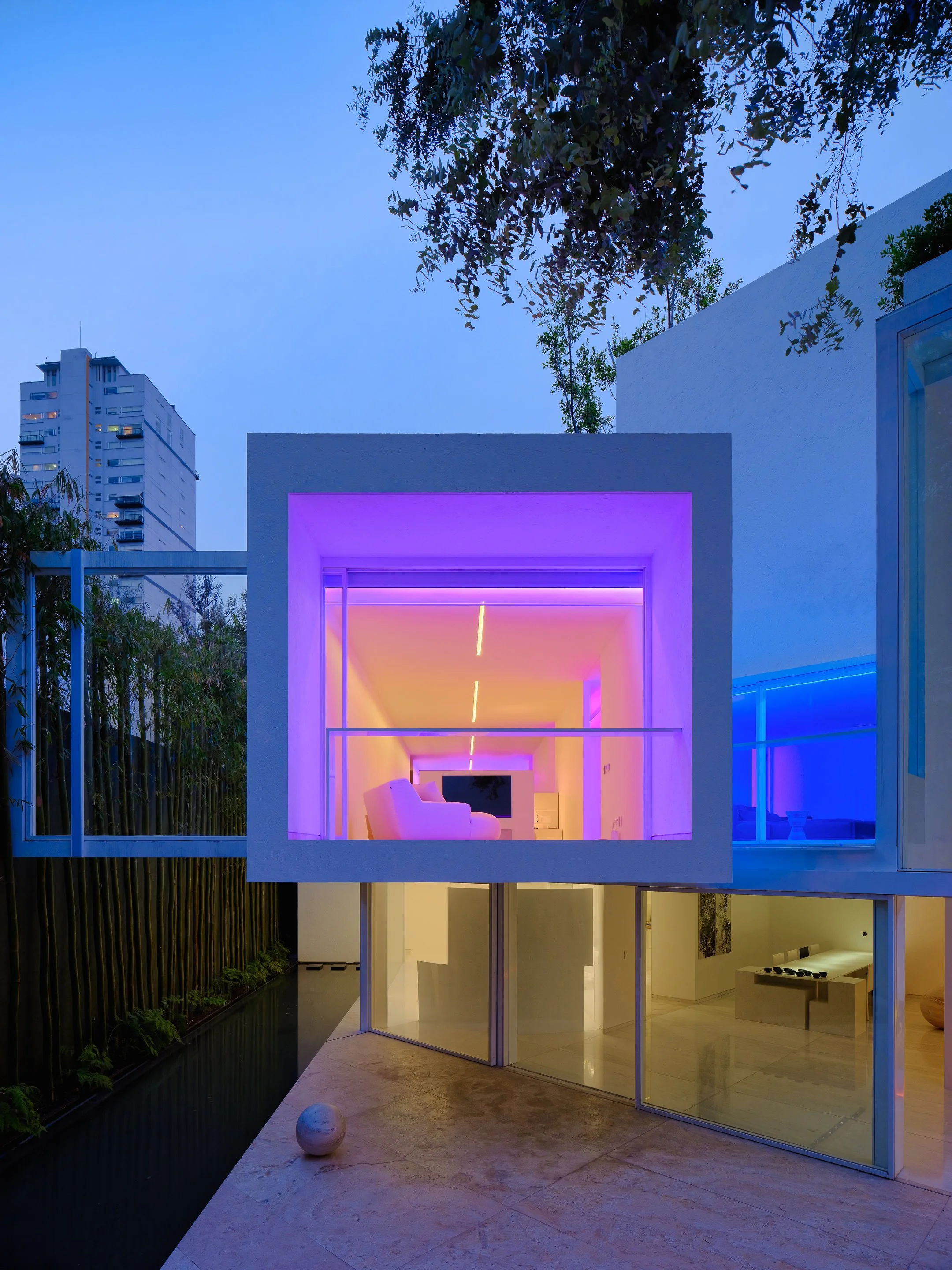
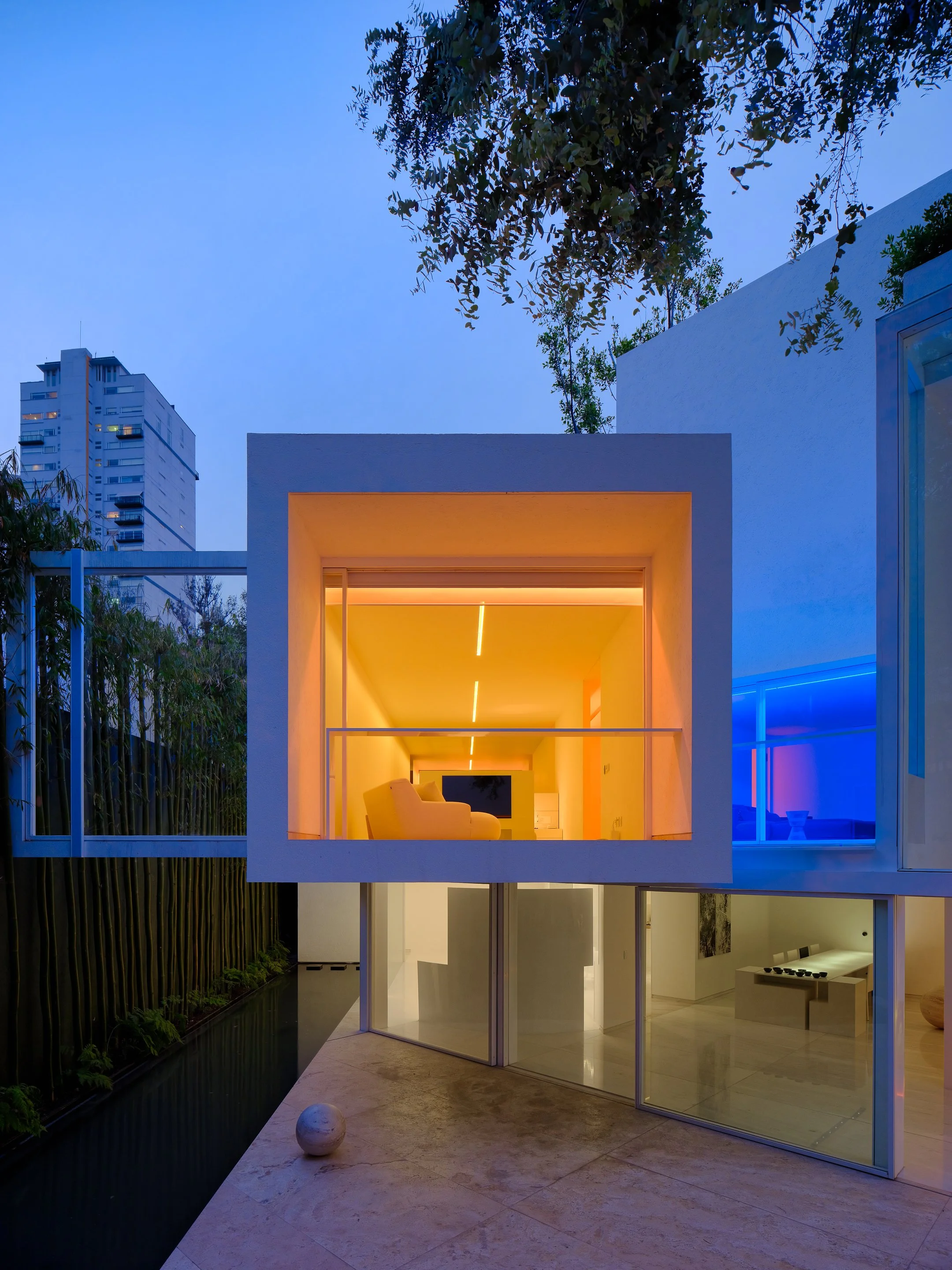
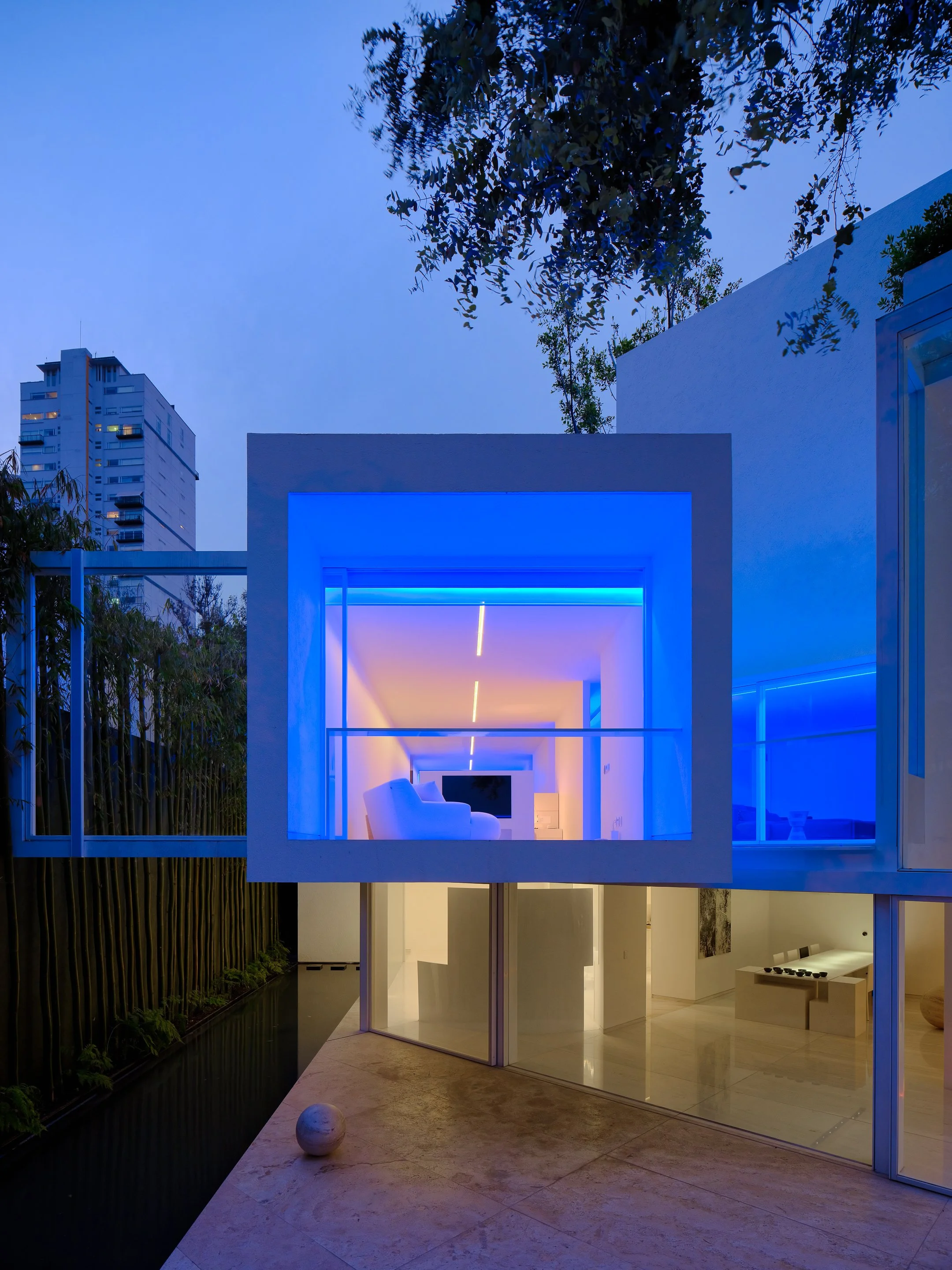
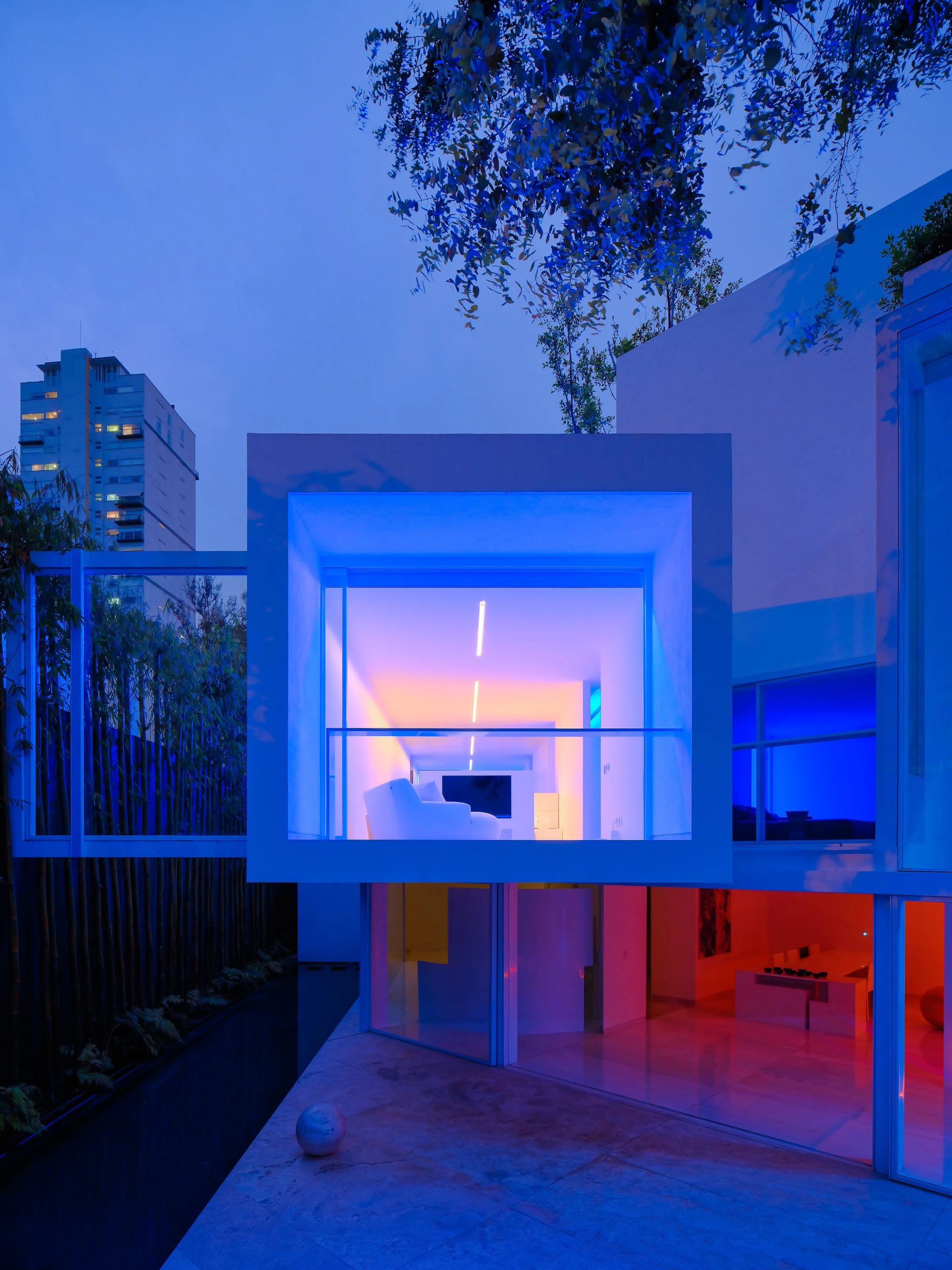
The last structure, Rombo IV, is the largest (and the main) of the group at 11,857 square feet (1,102 square meters). As the architect states, it "allows the first three bodies to be consolidated as a more homogeneous and protected nucleus." As he describes the design, "The idea was to work it as a box with cavities and whose exterior always felt like it was inside that box and at the same time part of it."
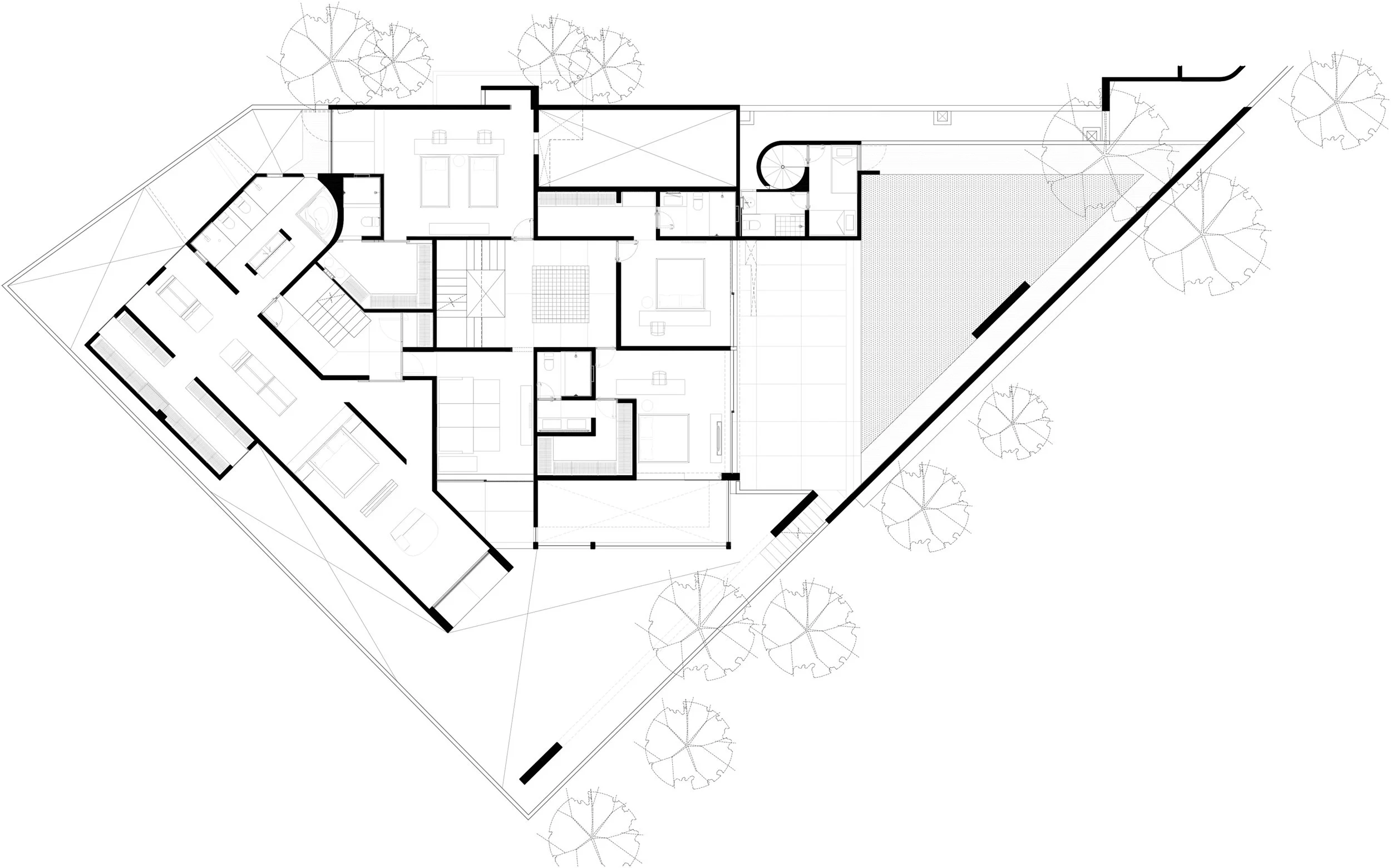
The shape of the land again orders the provision that the program demanded functionally and that formal chaos had to be ordered; it was the most difficult house." The house has three floors. A parking lot, main access and service, dining room, kitchen, breakfast room, gym, cinema, billiards, and service areas are on the ground floor. The second floor has four rooms, all with an adjoining terrace, while the third floor has a solarium, seating area, pool, and terrace. One objective…
Philip Jodidio Text
Joe Fletcher Photography
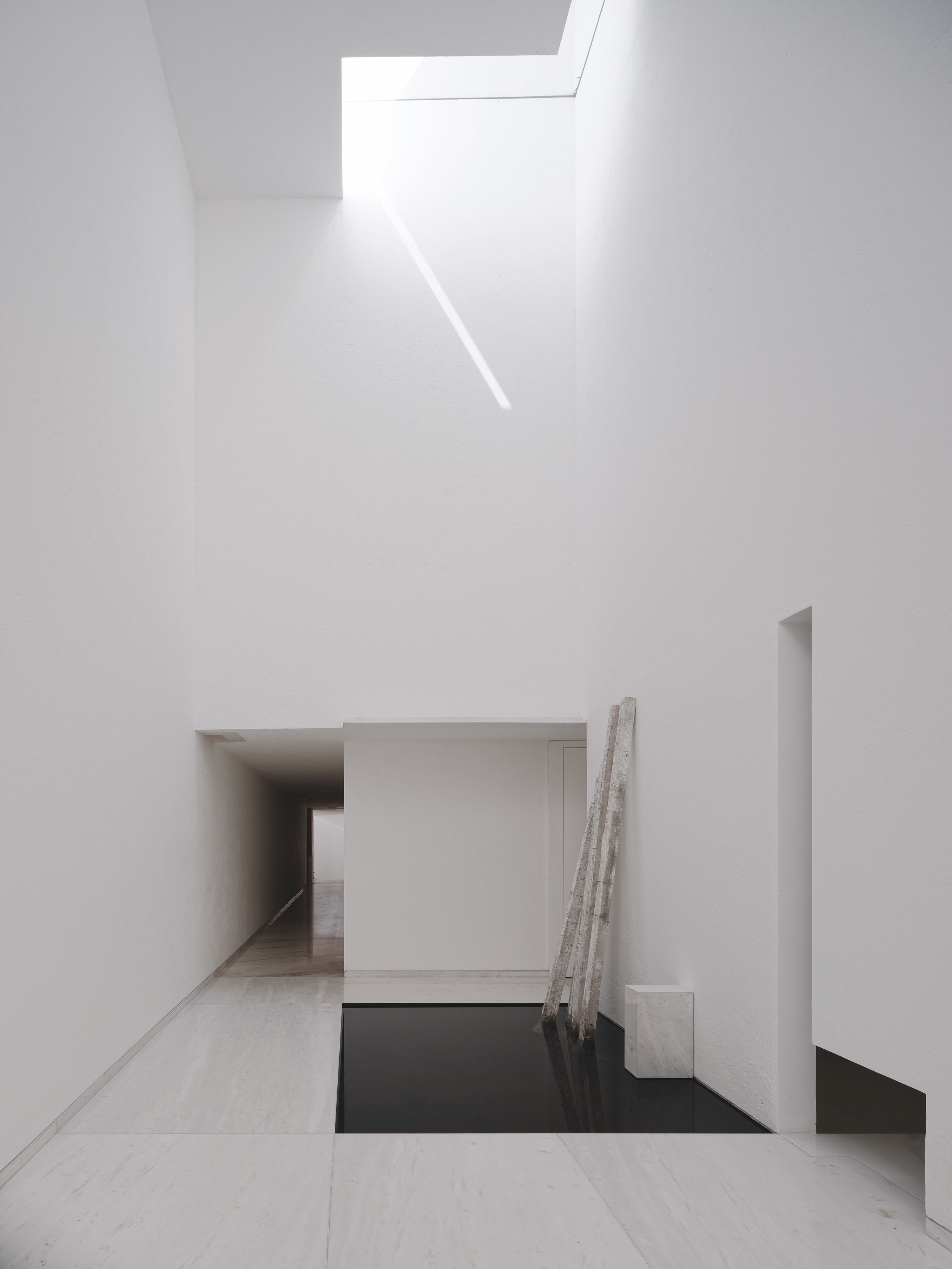
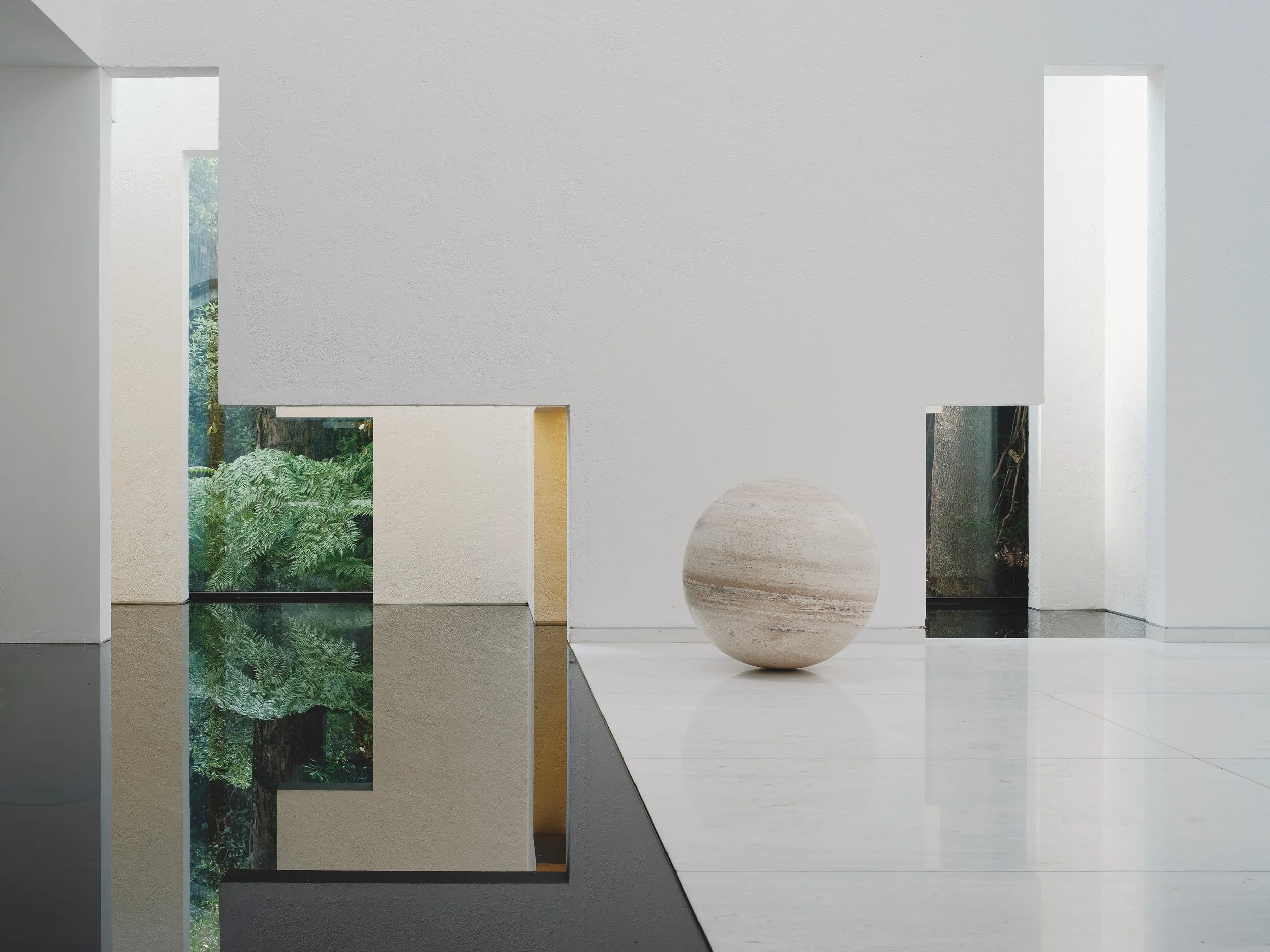
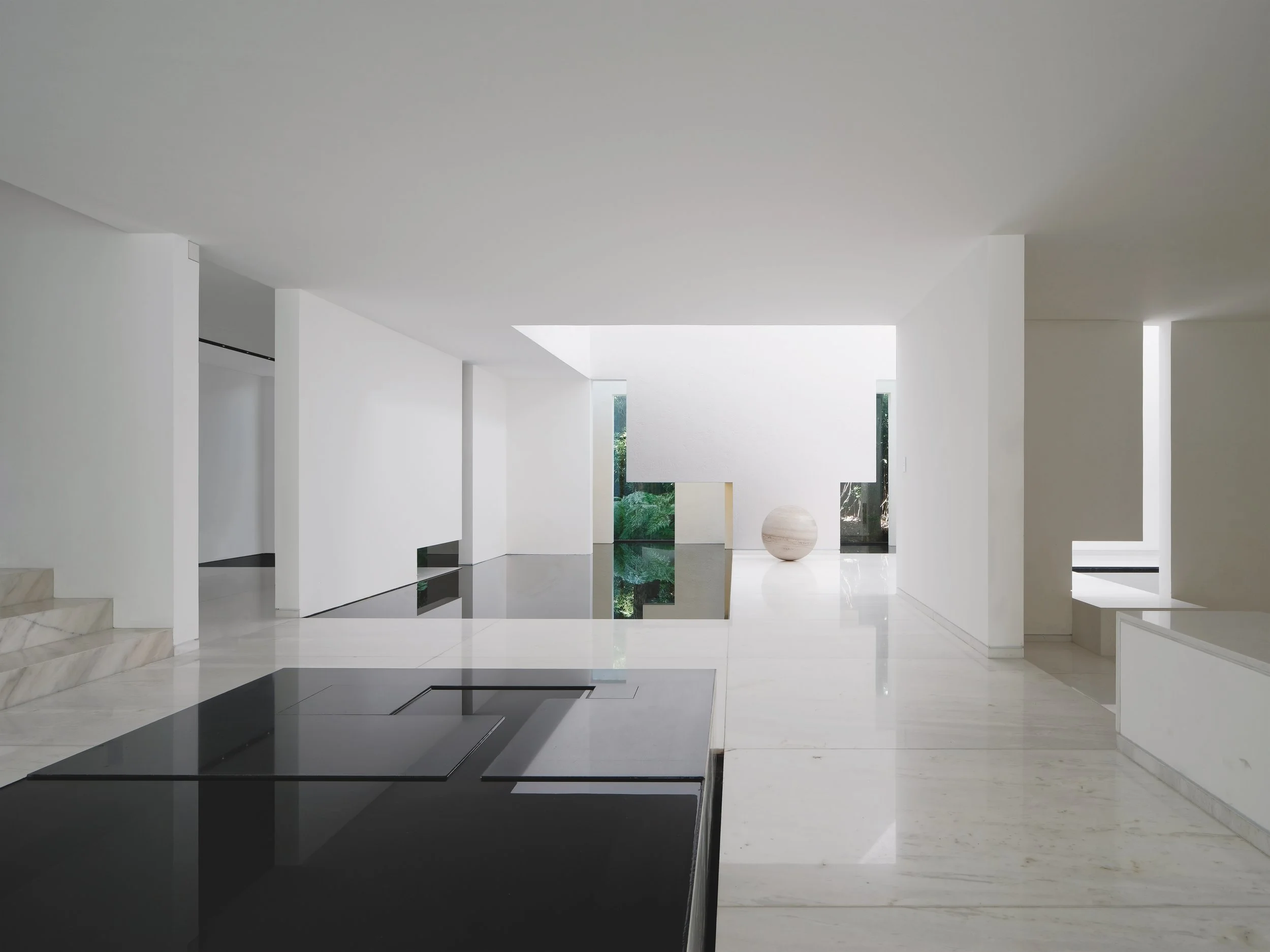
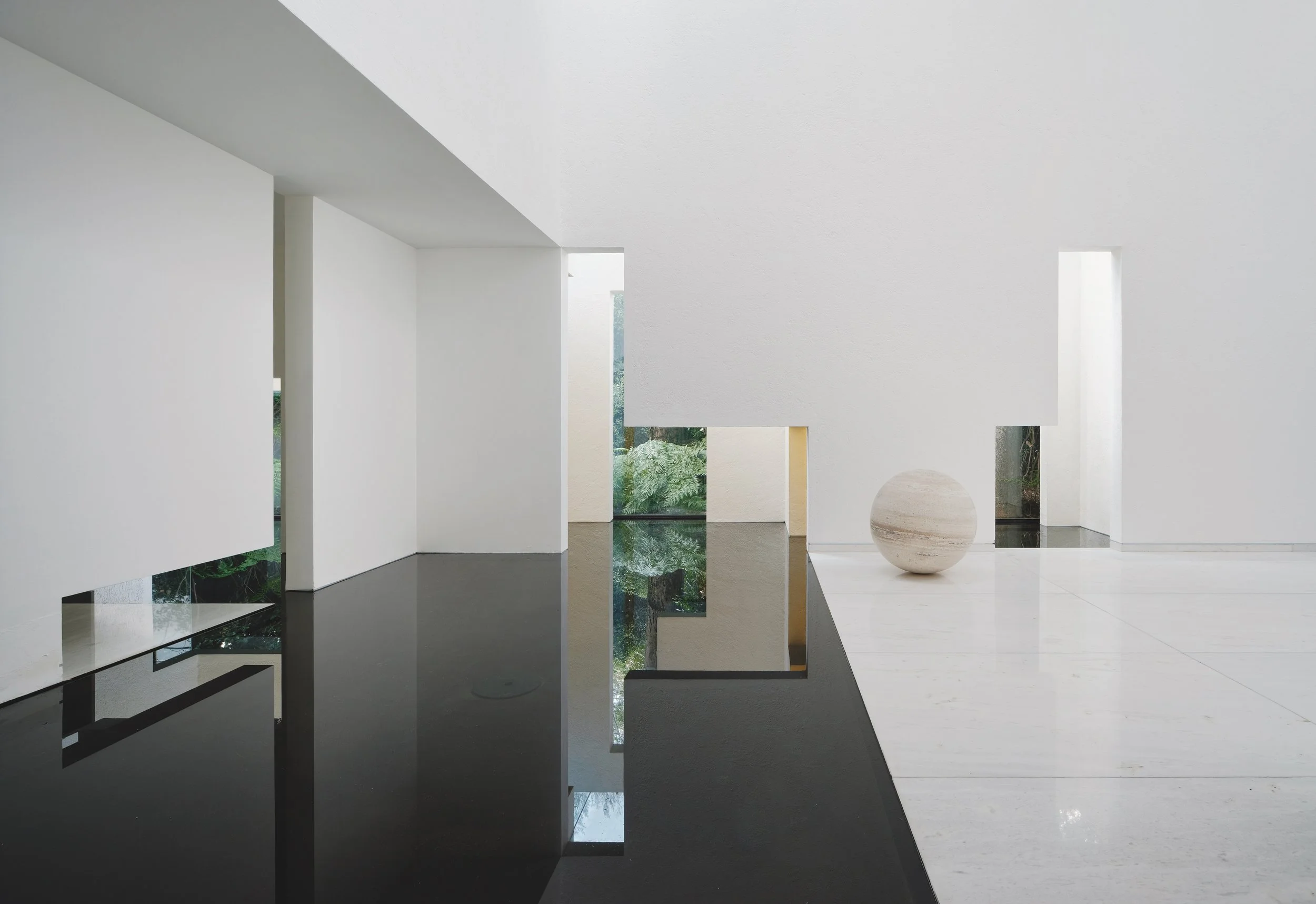
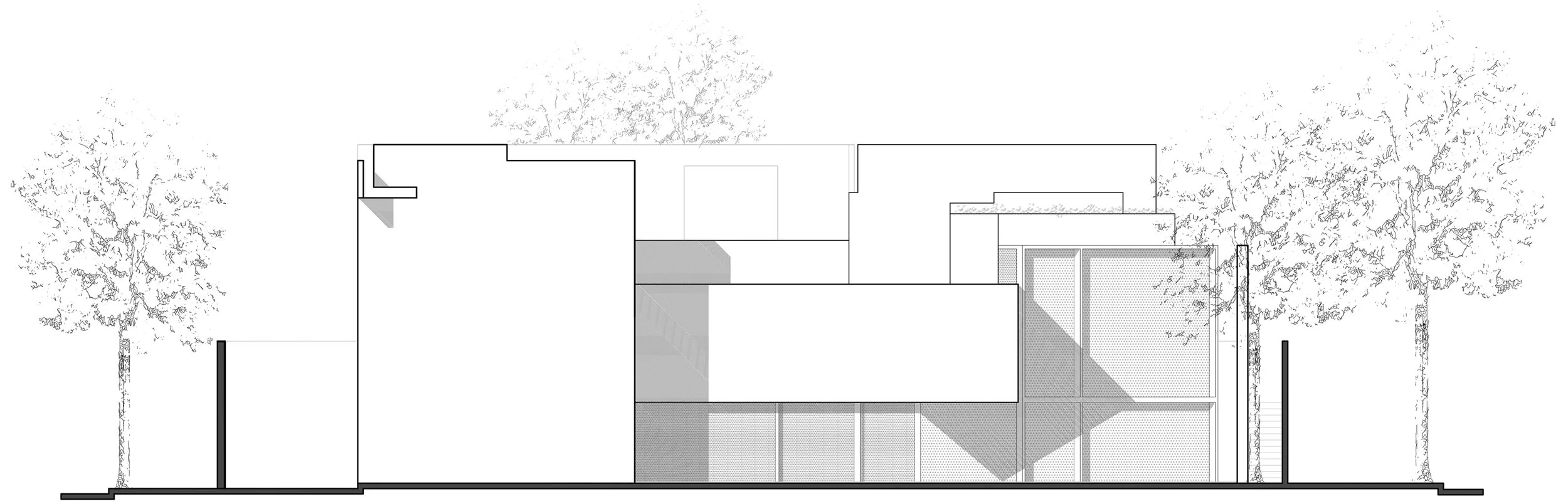
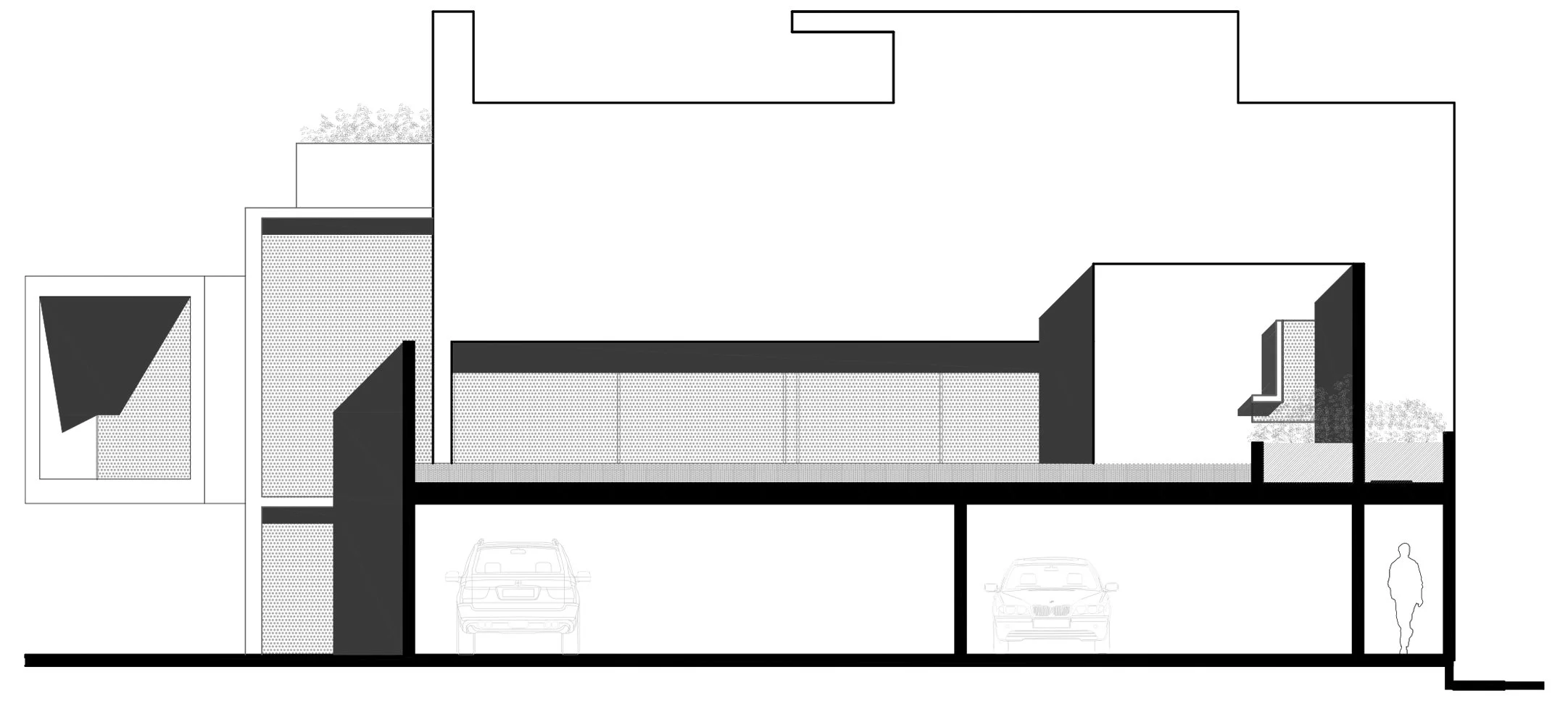
…of the architect was to dissolve the boundary between inside and out, essentially marked by glass. This glass is hidden away to the greatest extent possible.
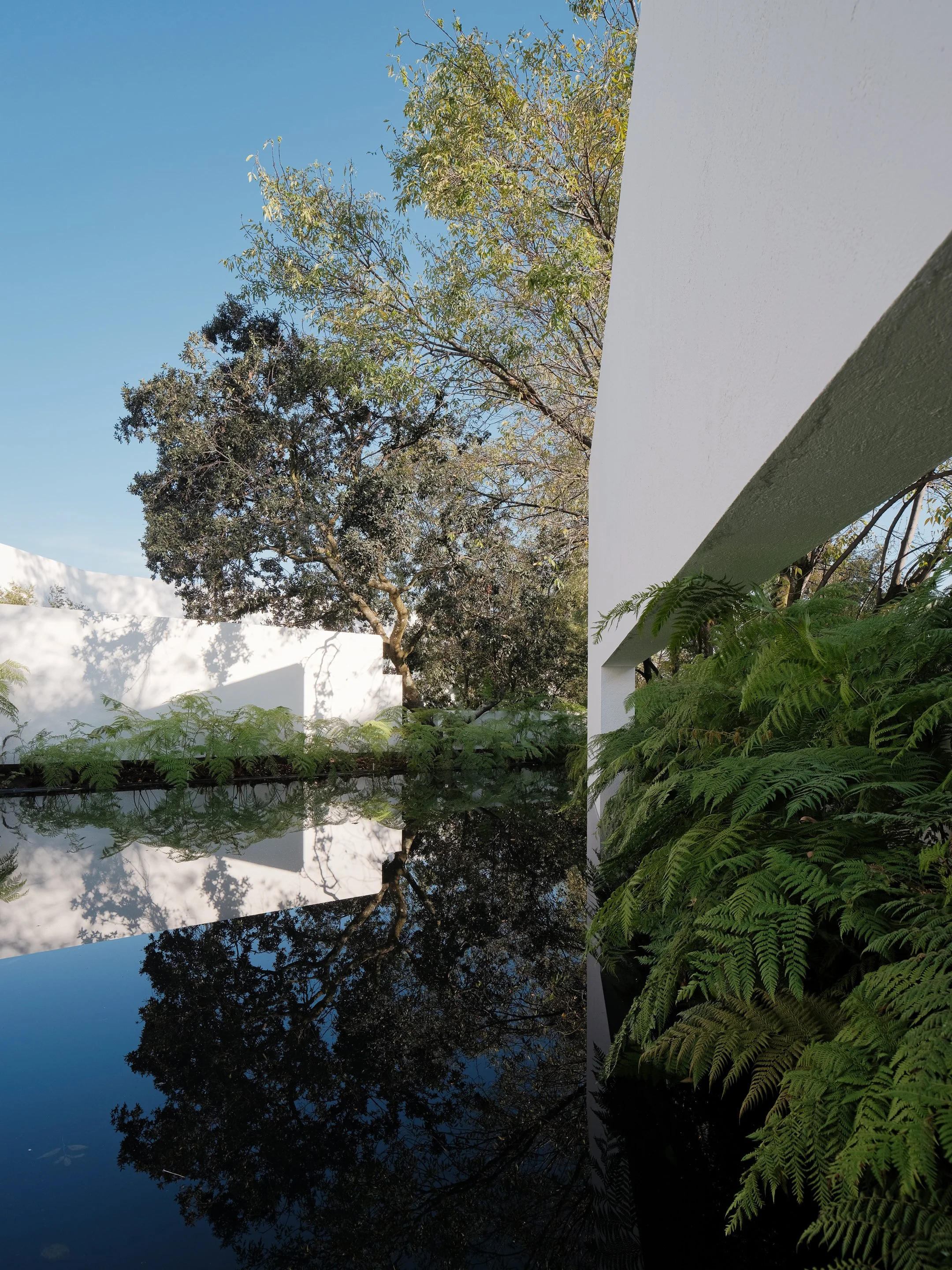
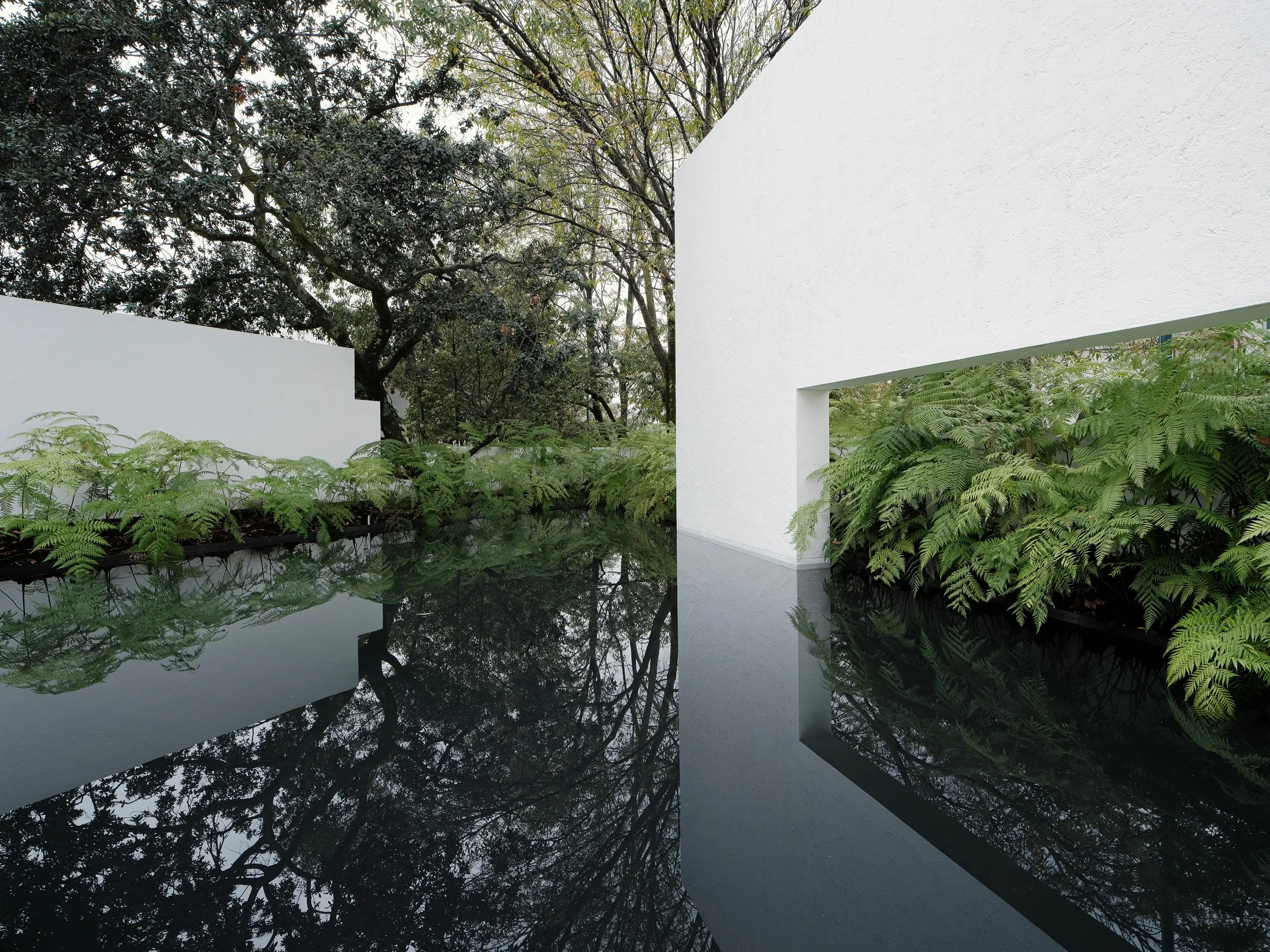
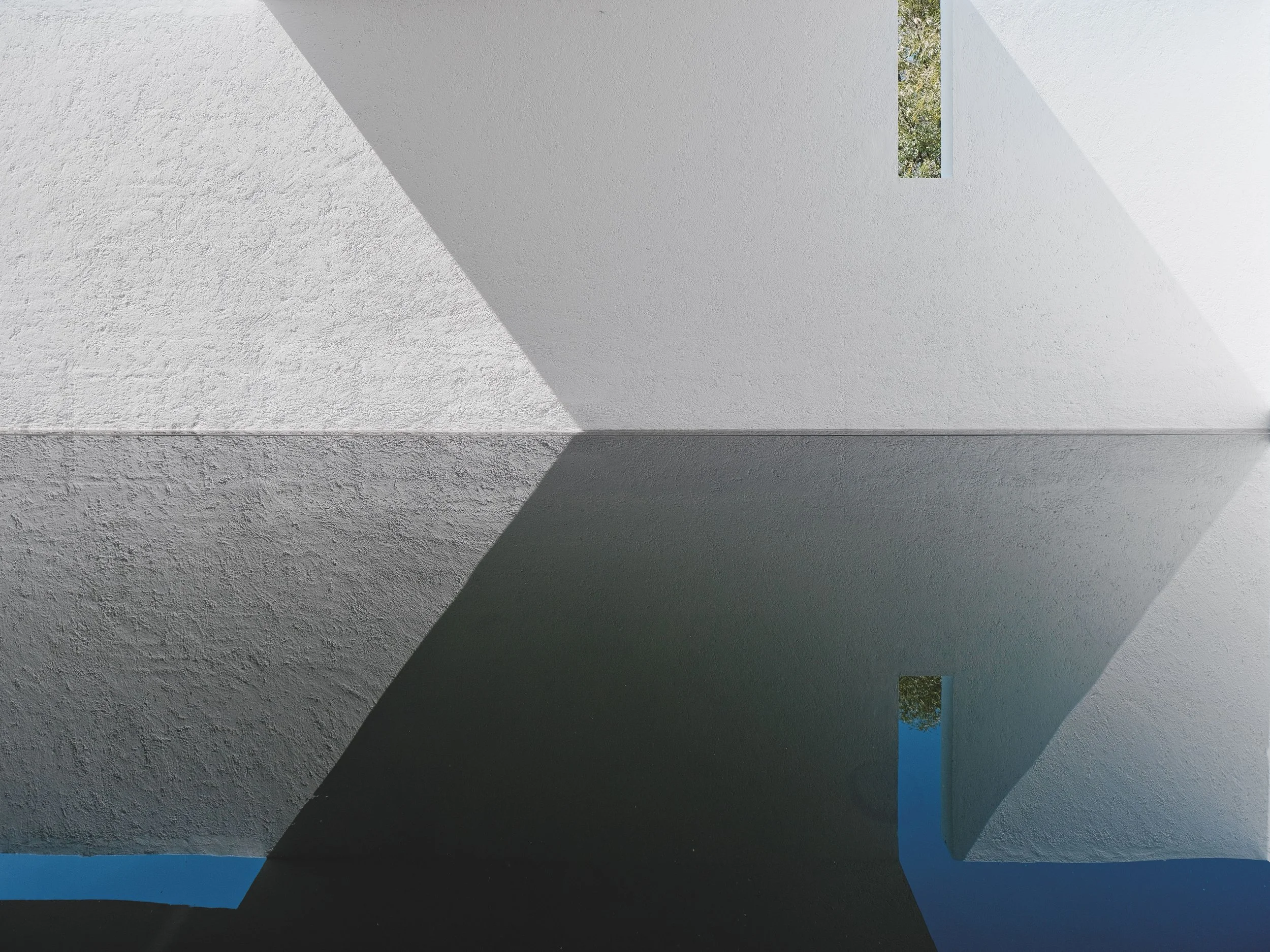
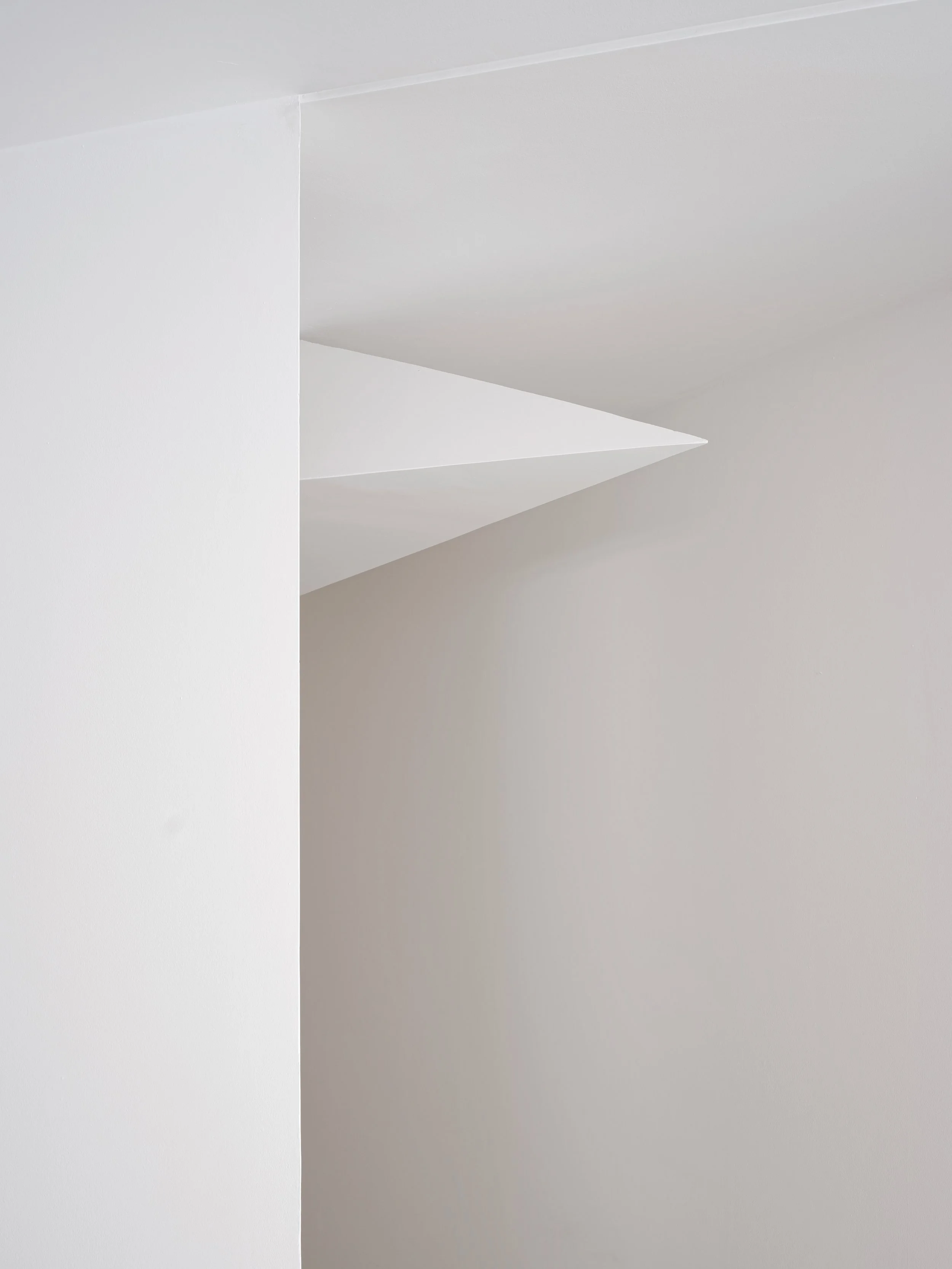
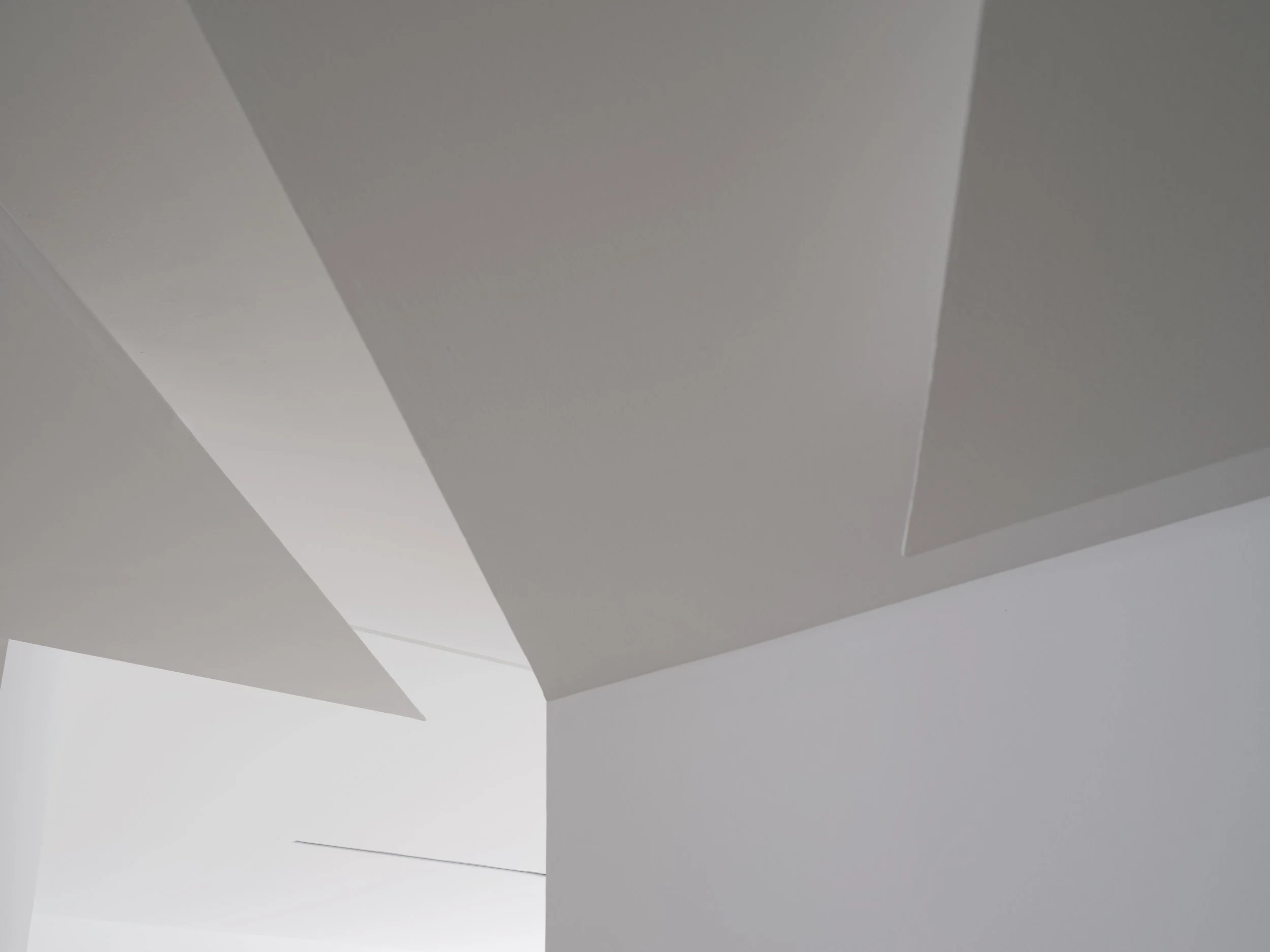
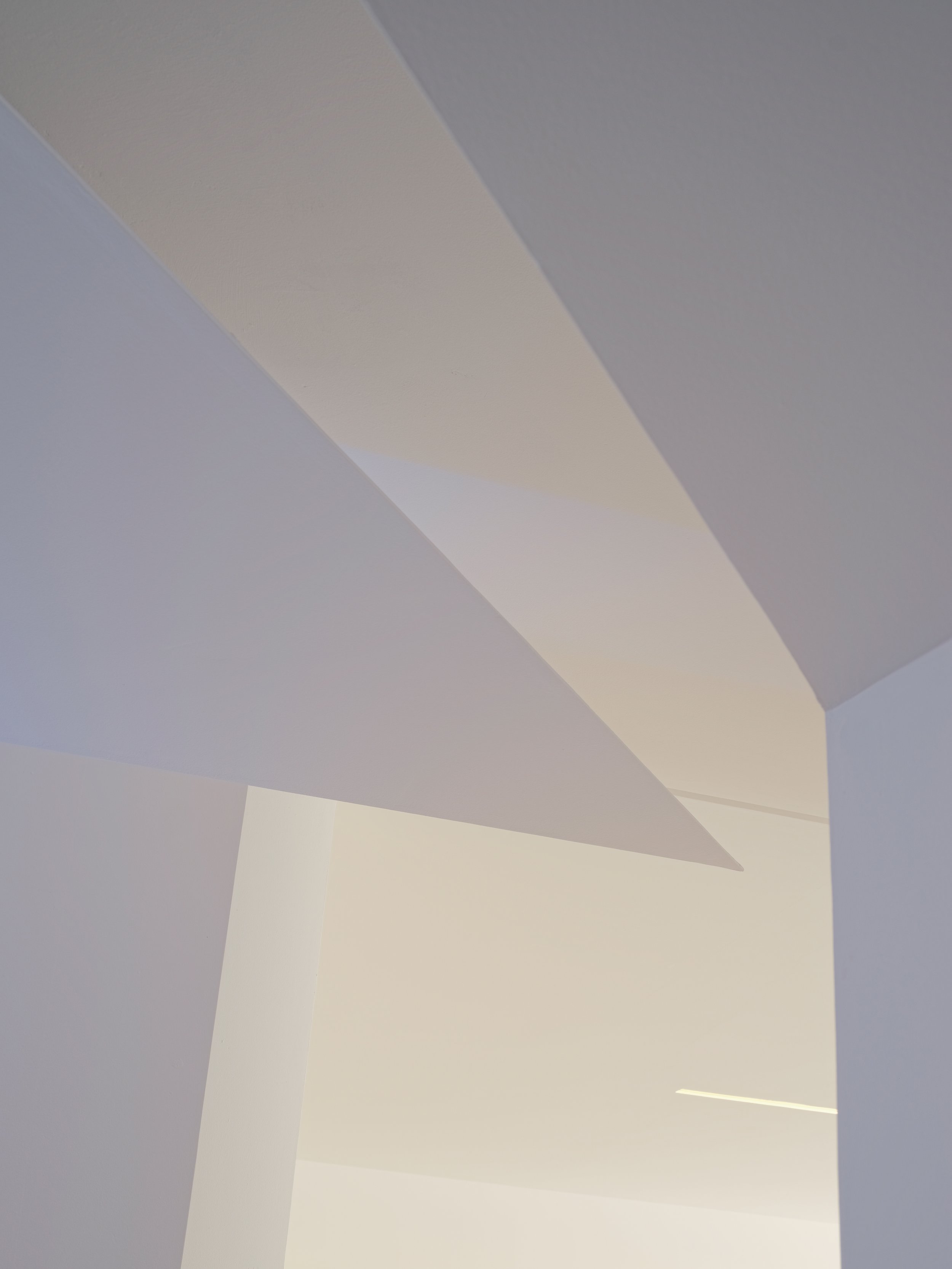
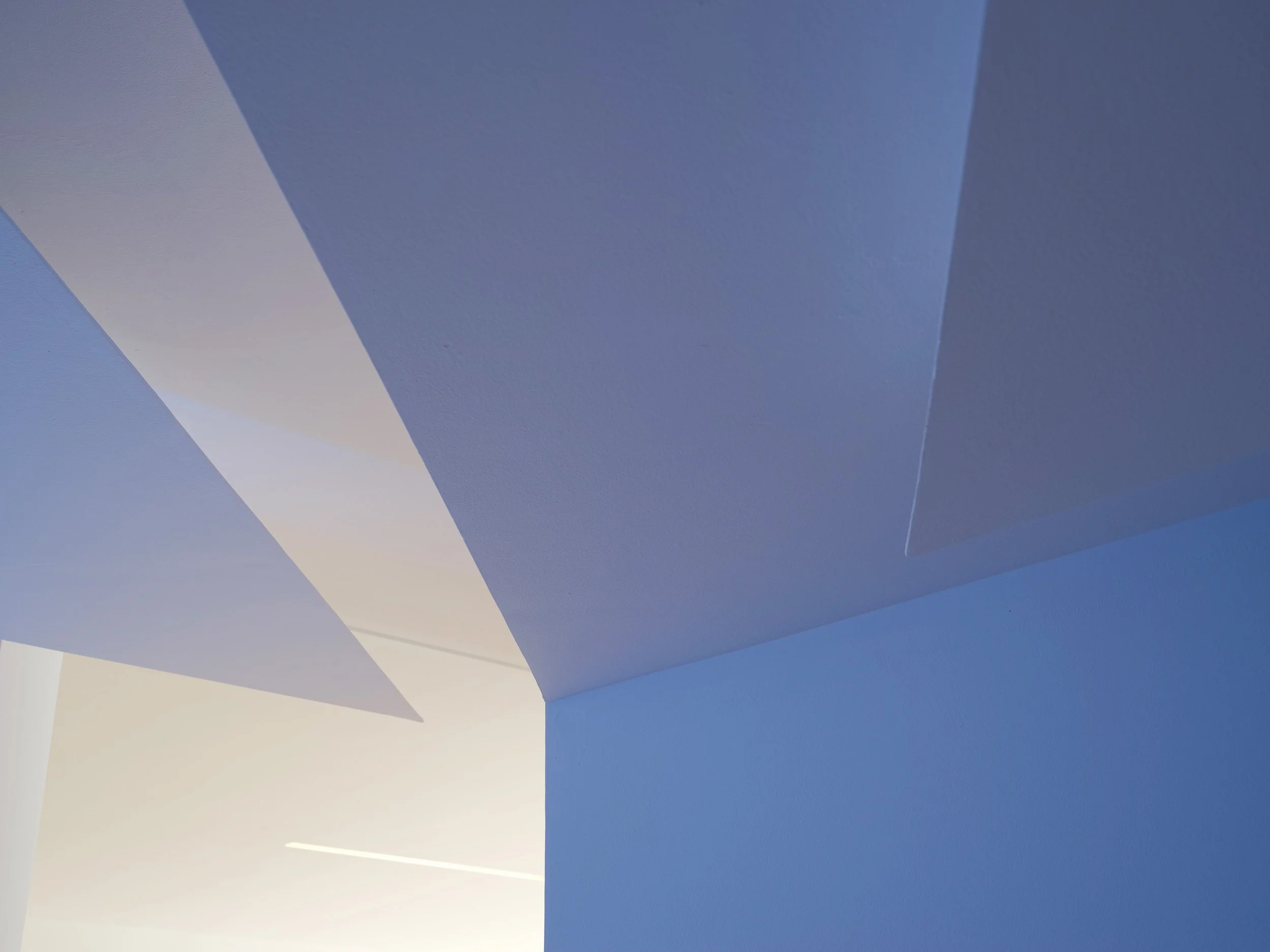
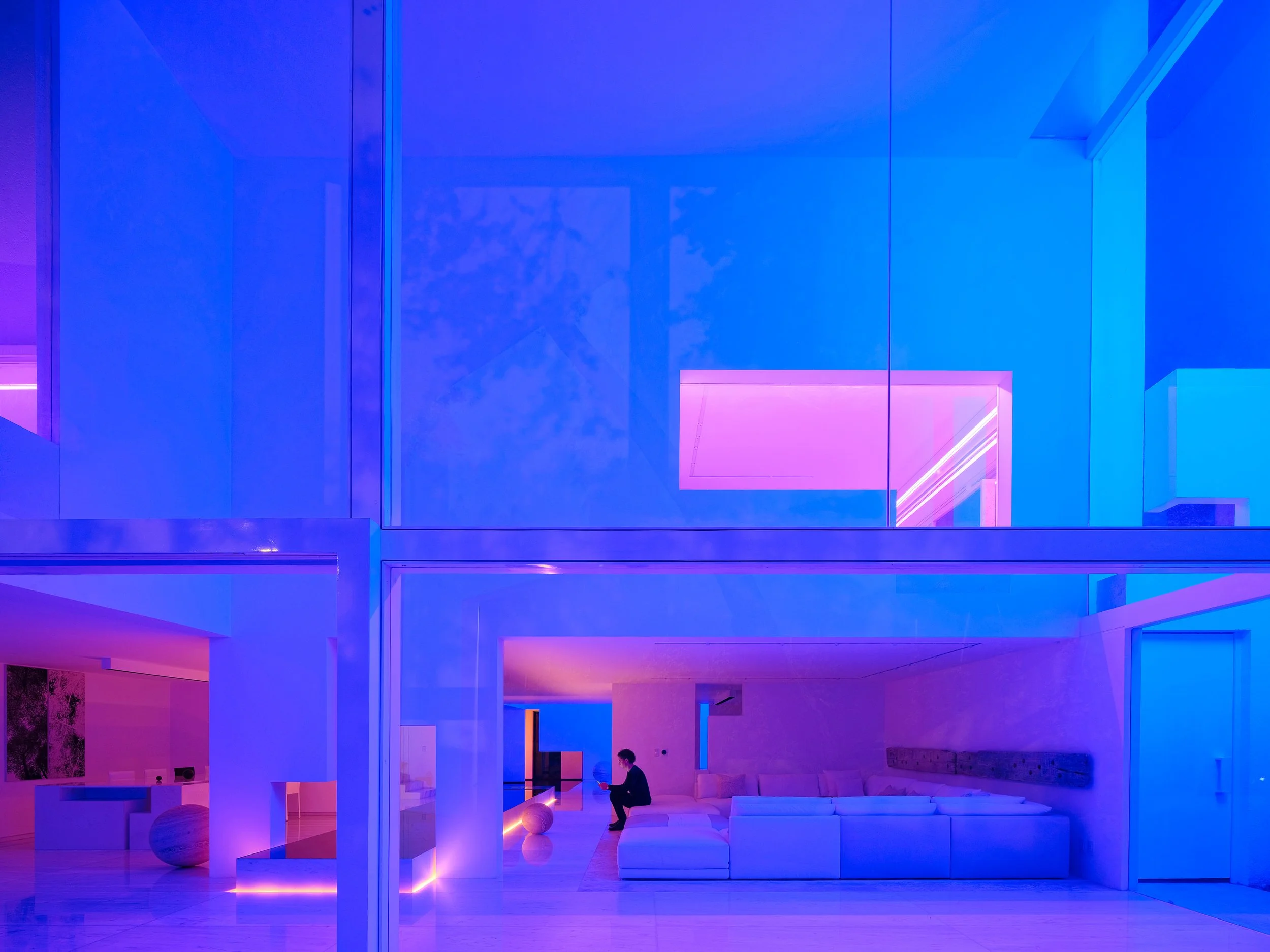
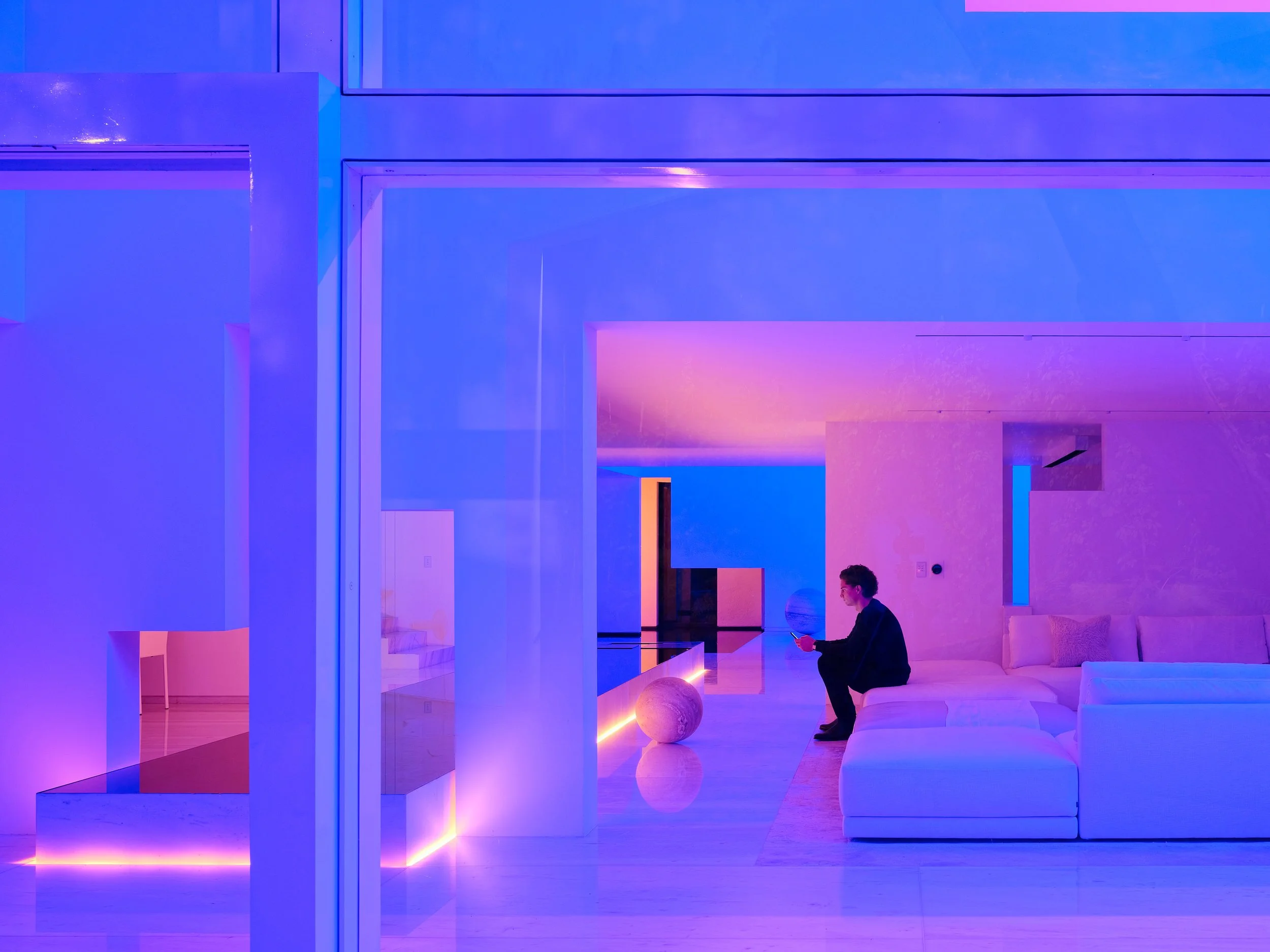
Although the buildings are marked essentially by white walls and rhomboid forms that are defined by some sharp angles, the complex and almost musical play on forms, volumes, and light seen here might well bring to mind the compositions of the De Stijl movement, furniture and buildings by Gerrit Rietveld, or the later paintings of Piet Mondrian. There is an undeniable artistic element in this complex, accentuated again by colorful night lighting — almost creating paintings in space after dark.
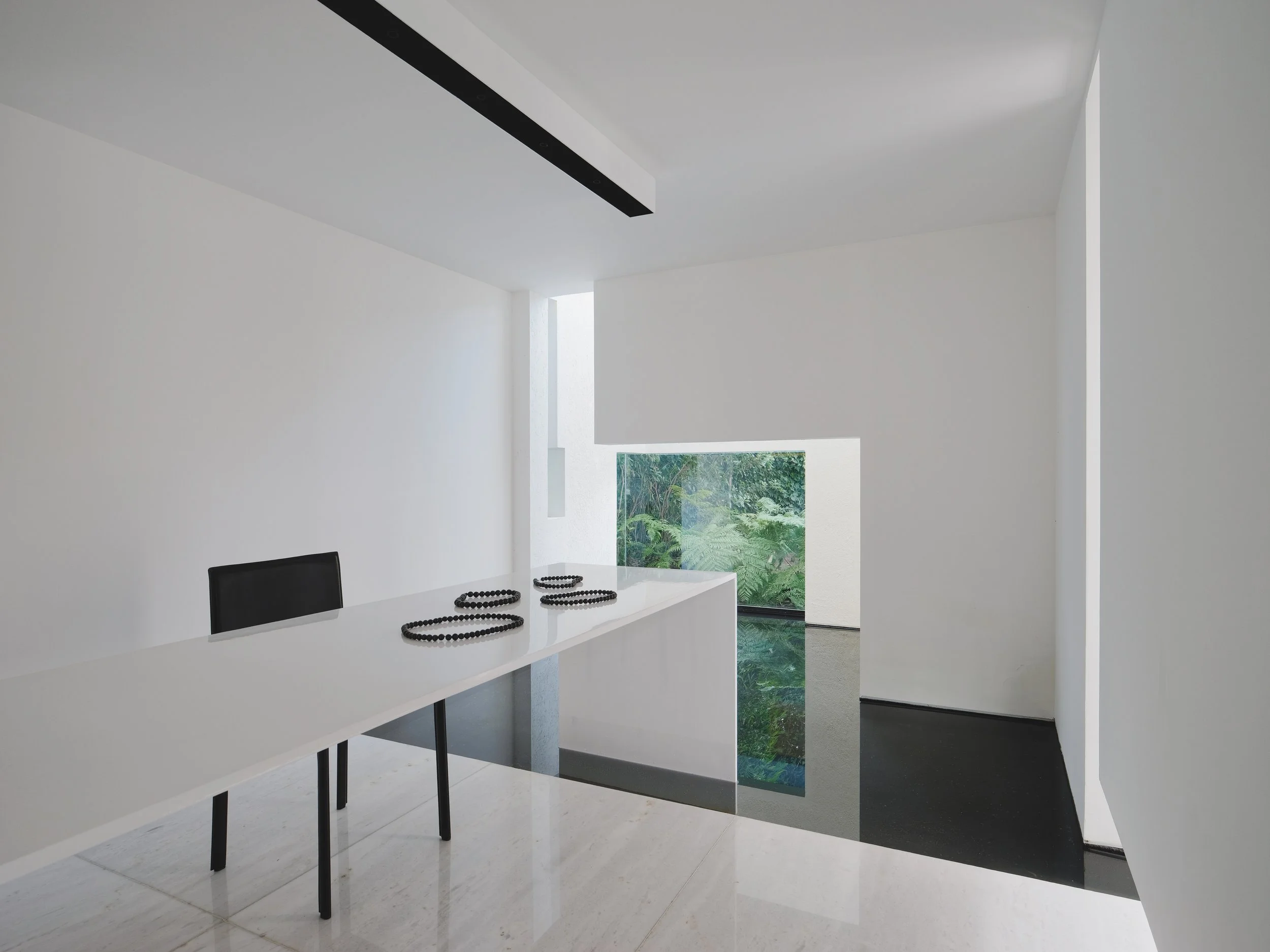
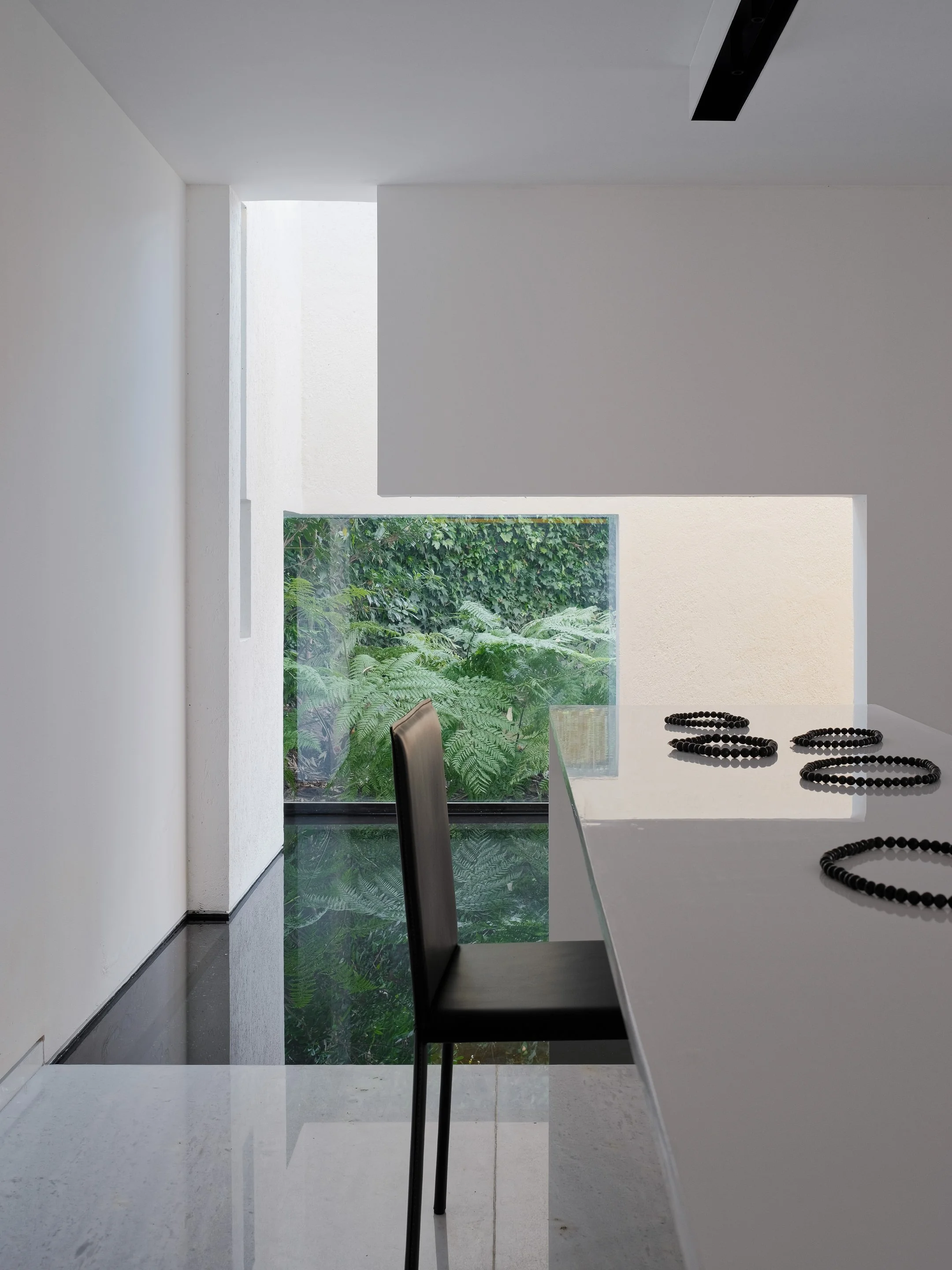
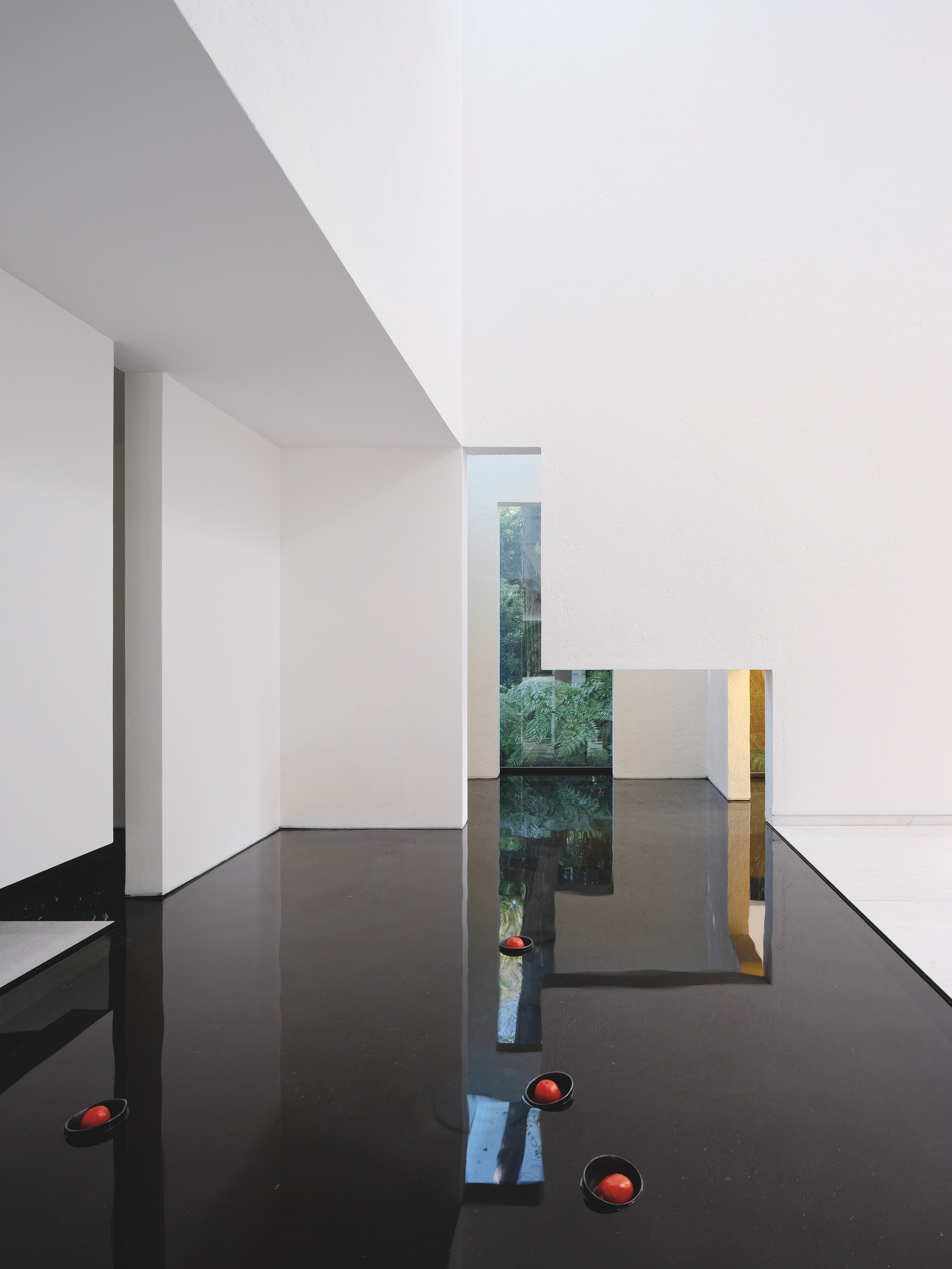
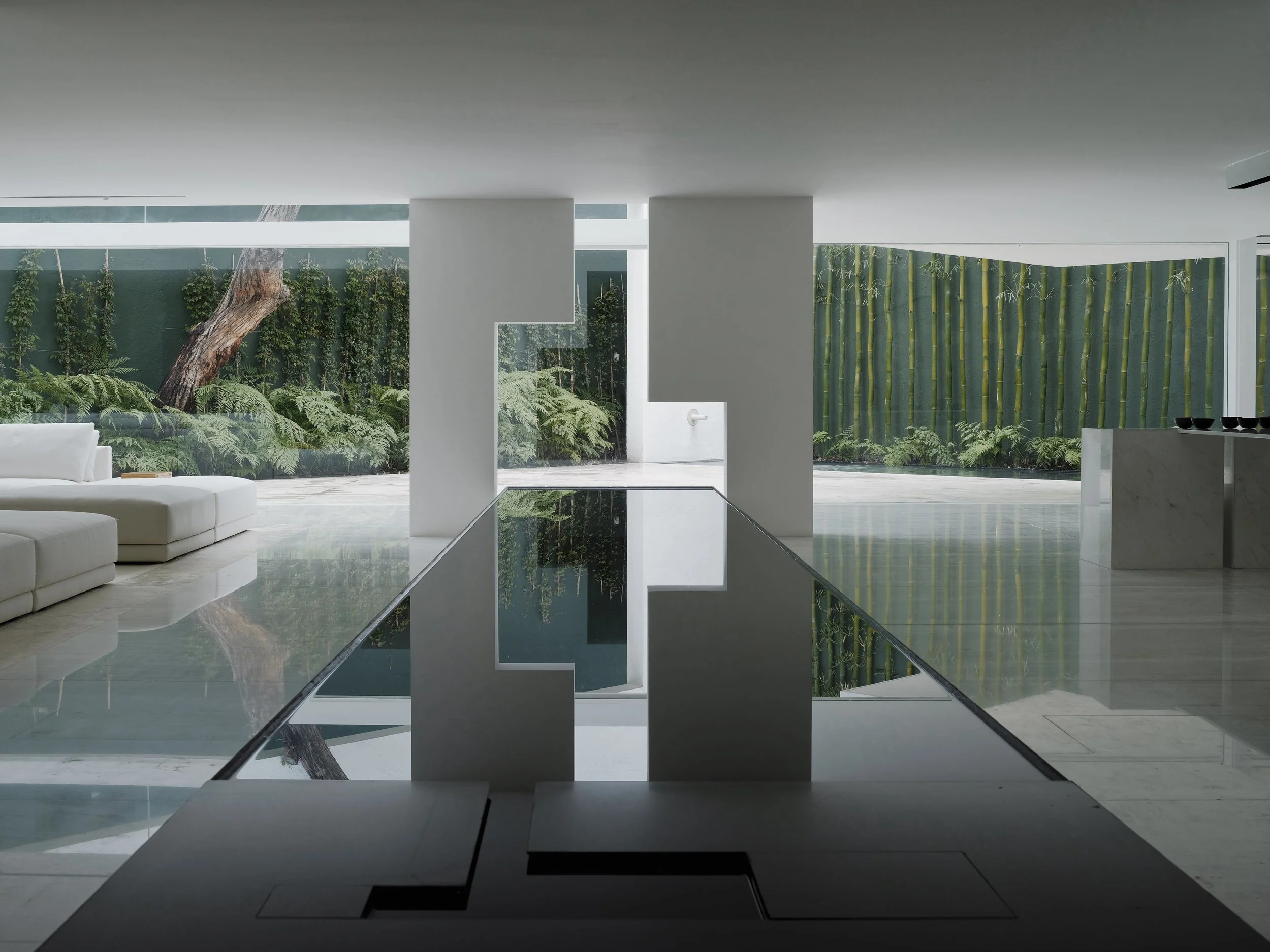
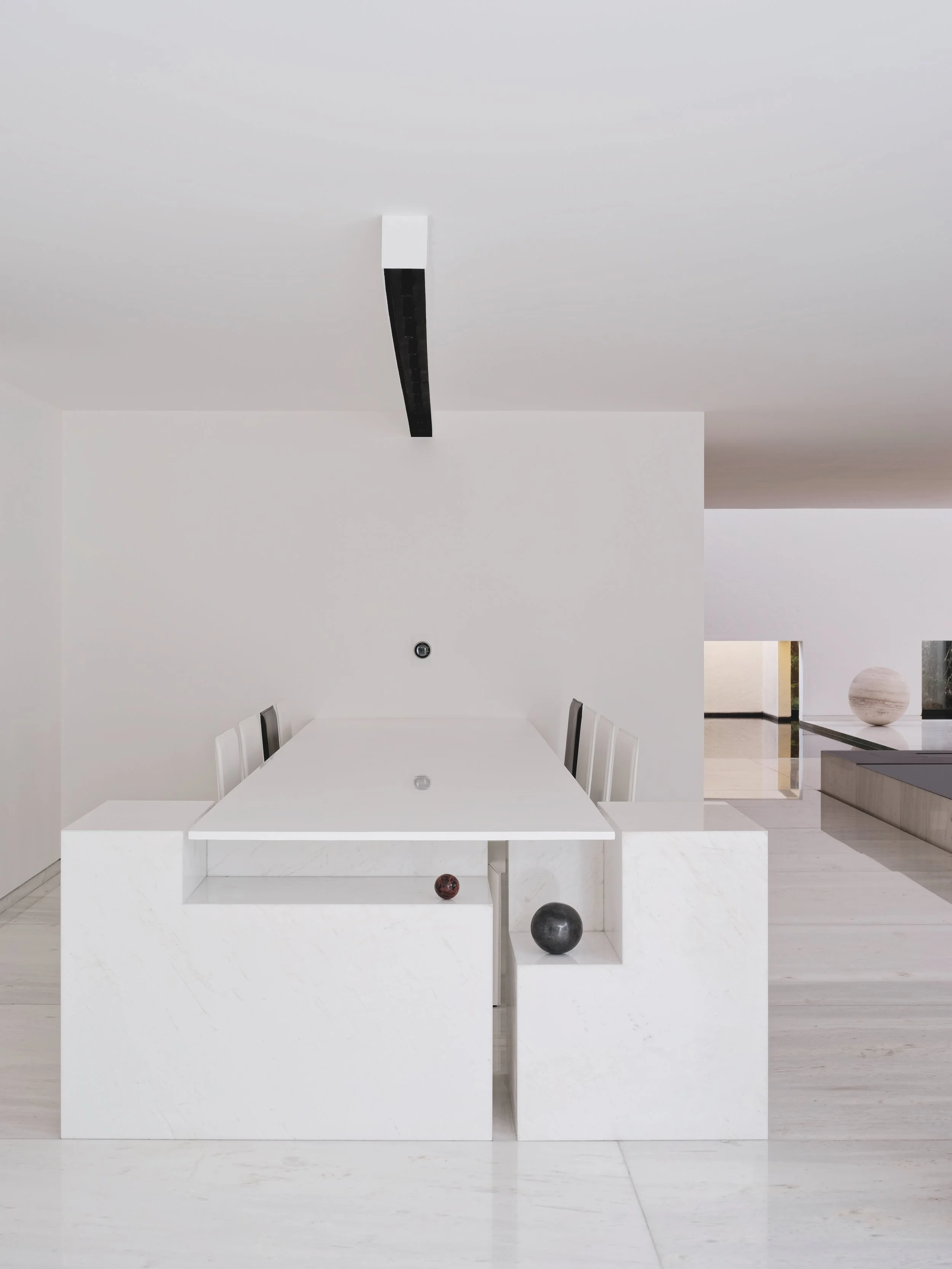
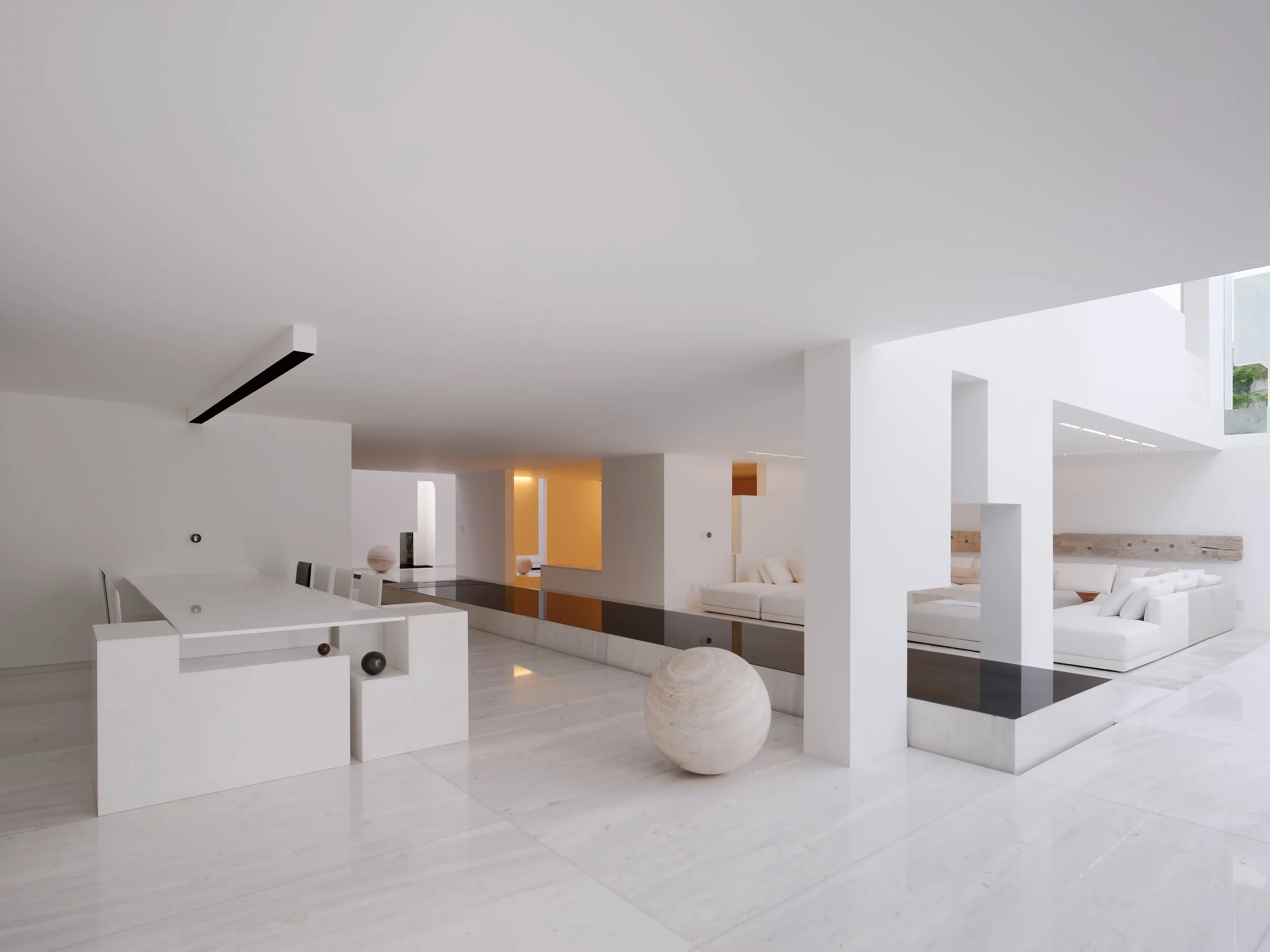
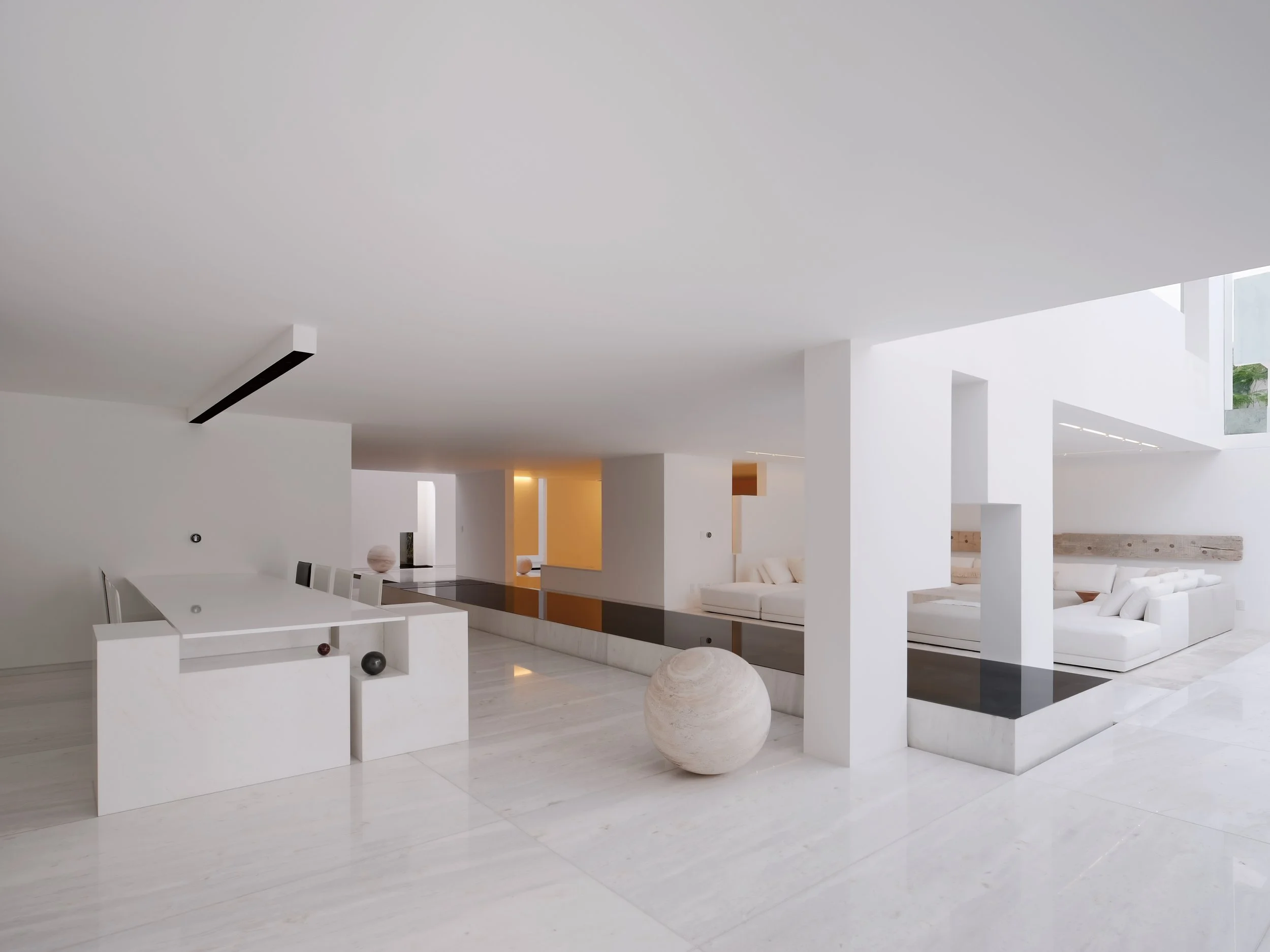
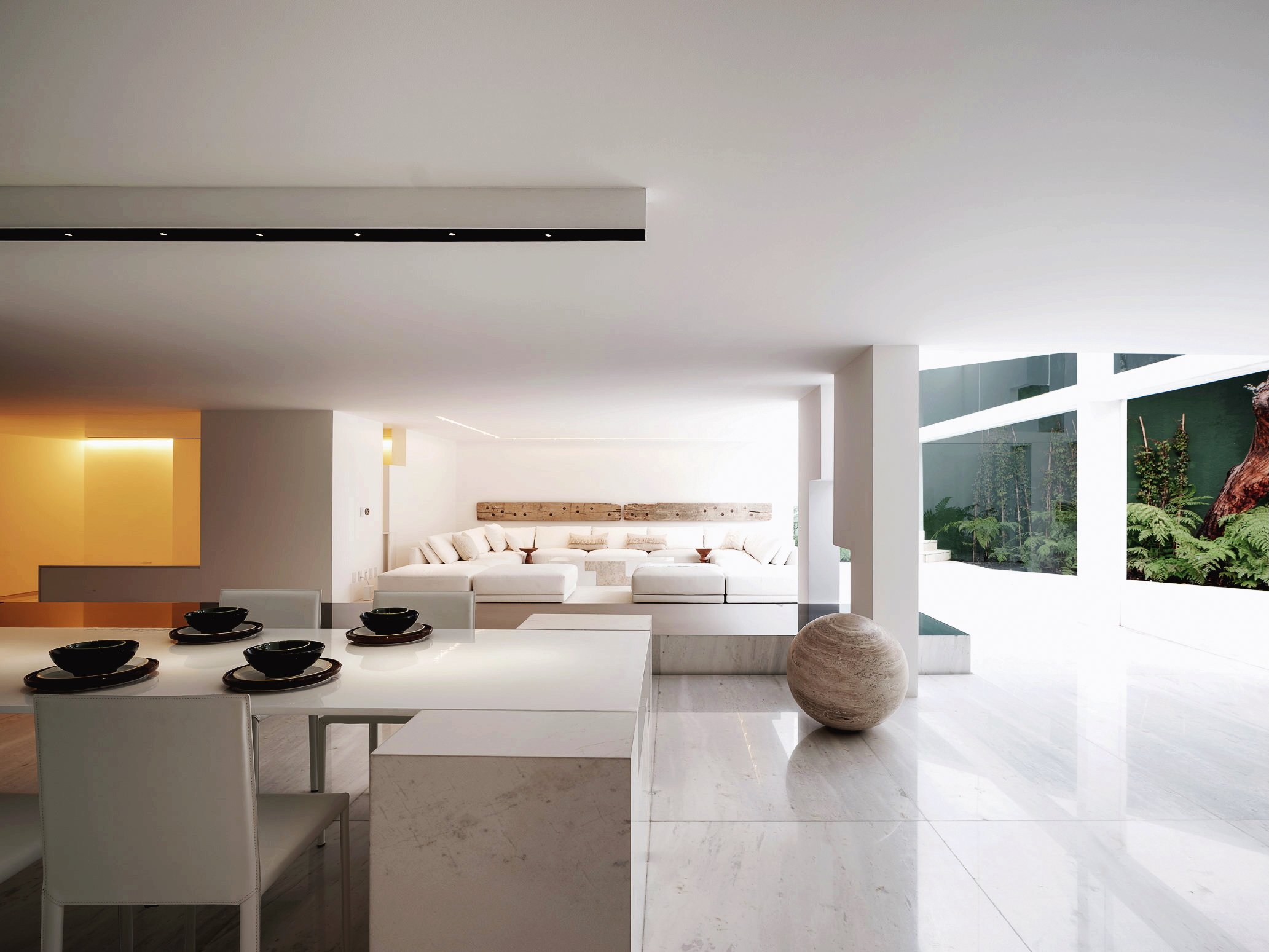
This was the last house to be added and joined with the first three to create a consolidated and sheltered core. The property was developed on two levels, and we were able to rely upon the previous program and architecture to great advantage. The idea was to position it as a box with empty spaces so that the exterior felt like it was inside the box and at the same time part of it. The terrain had great impact on the way the program worked, and its chaotic form was highly influential. This was the hardest and most challenging house; construction lasted for several years, and the result was the most complex, as it was designed in line with the firm's evolving circumstances and vision. I made a conscious effort to implement values that have been lost over time by paying attention to even the smallest details and transforming certain nodes and vertices that accidentally failed to align
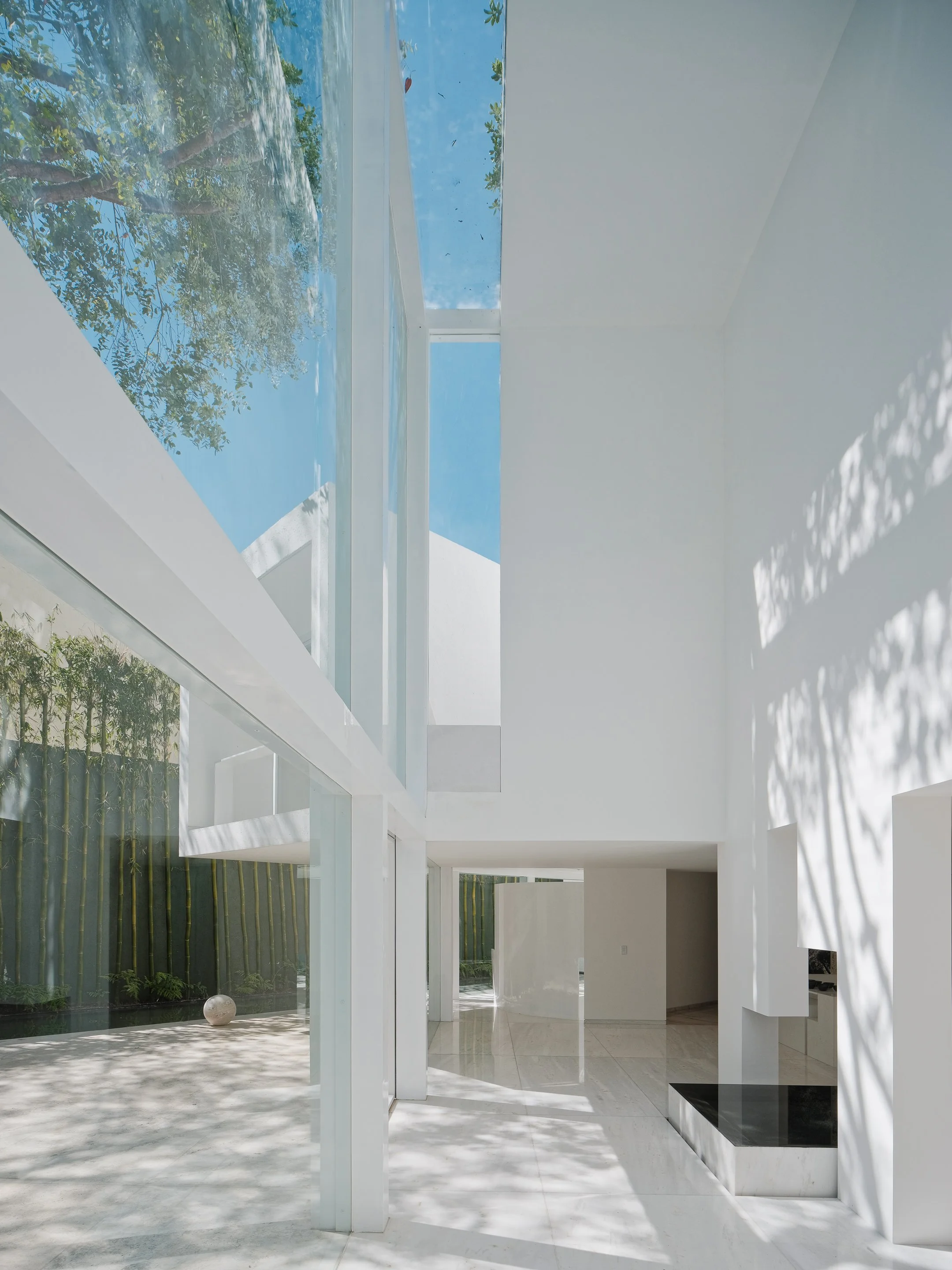
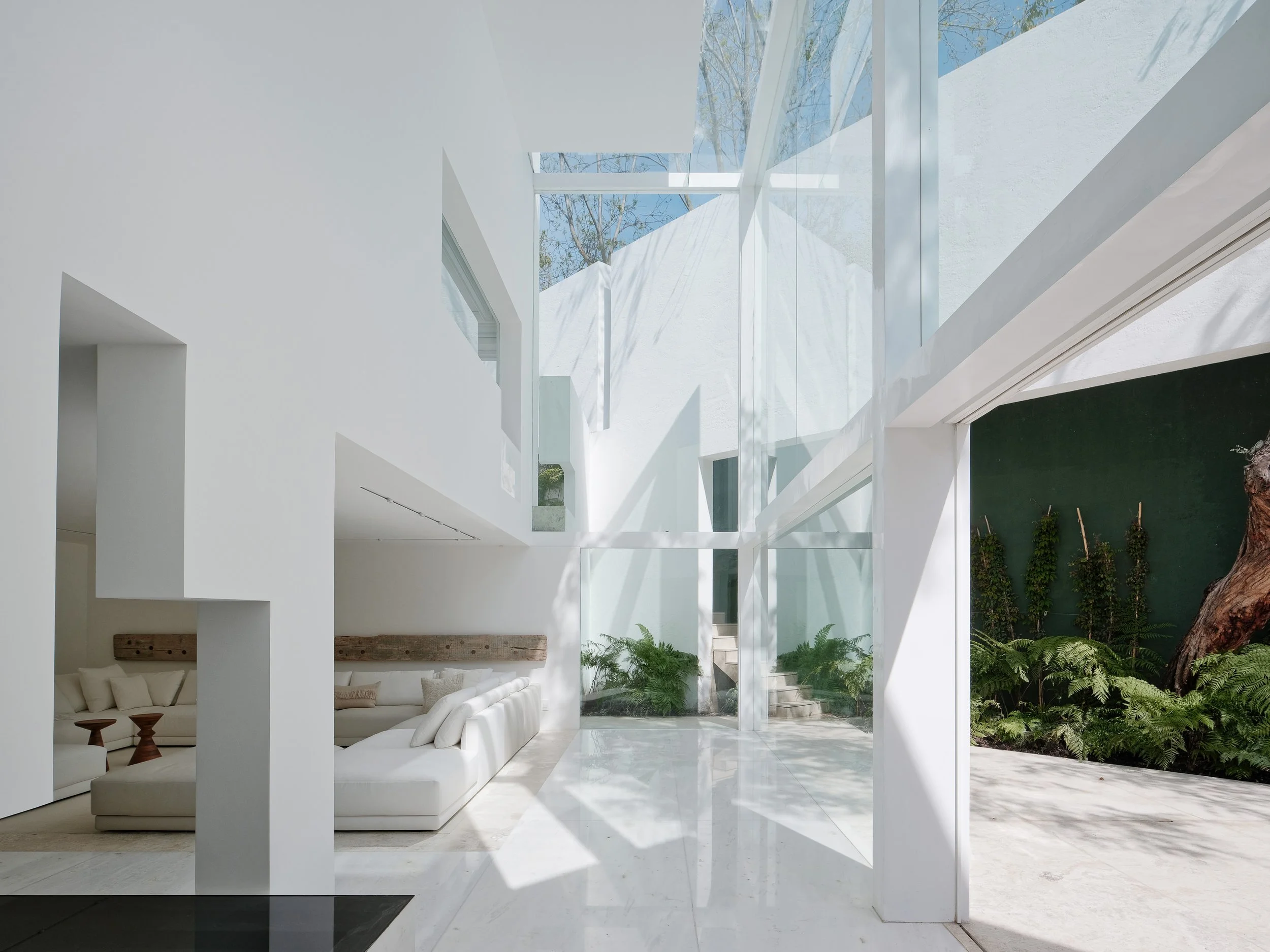
… into a purposeful point of expression.
Laboring over the intimate scale and the refinement that stemmed from integrating certain lines and textures into the house was a most enjoyable process. There can be a risk of creating simple architecture with quasi-baroque details, but I believe that there are some lines that are obligatory, and until they are in place you keep thinking that the wall just isn't complete. Drawing with geometry isn't necessarily a whim; it works to finish unaligned walls and to pick up level changes. It's easier to accept these accidents and work with them…
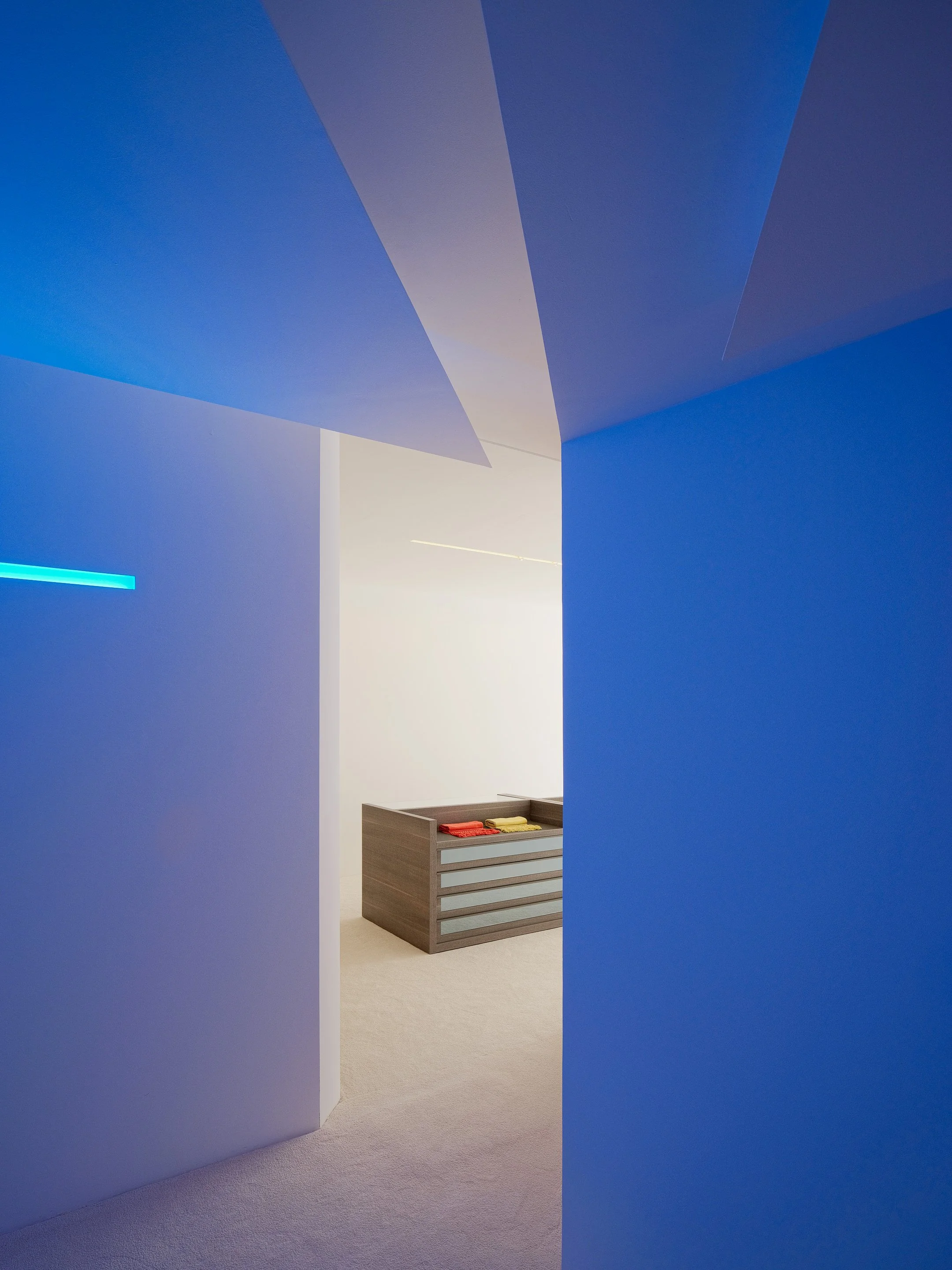
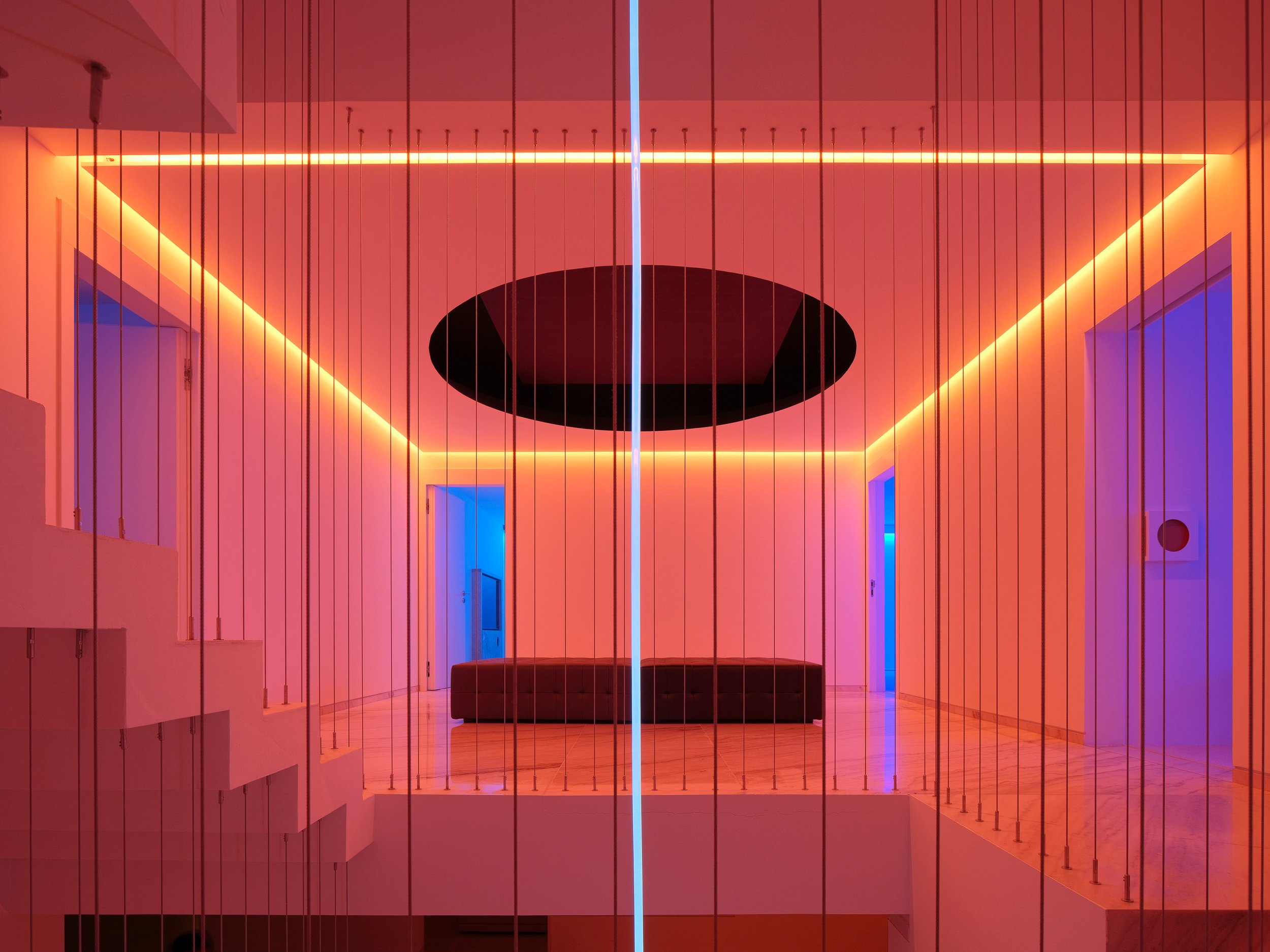
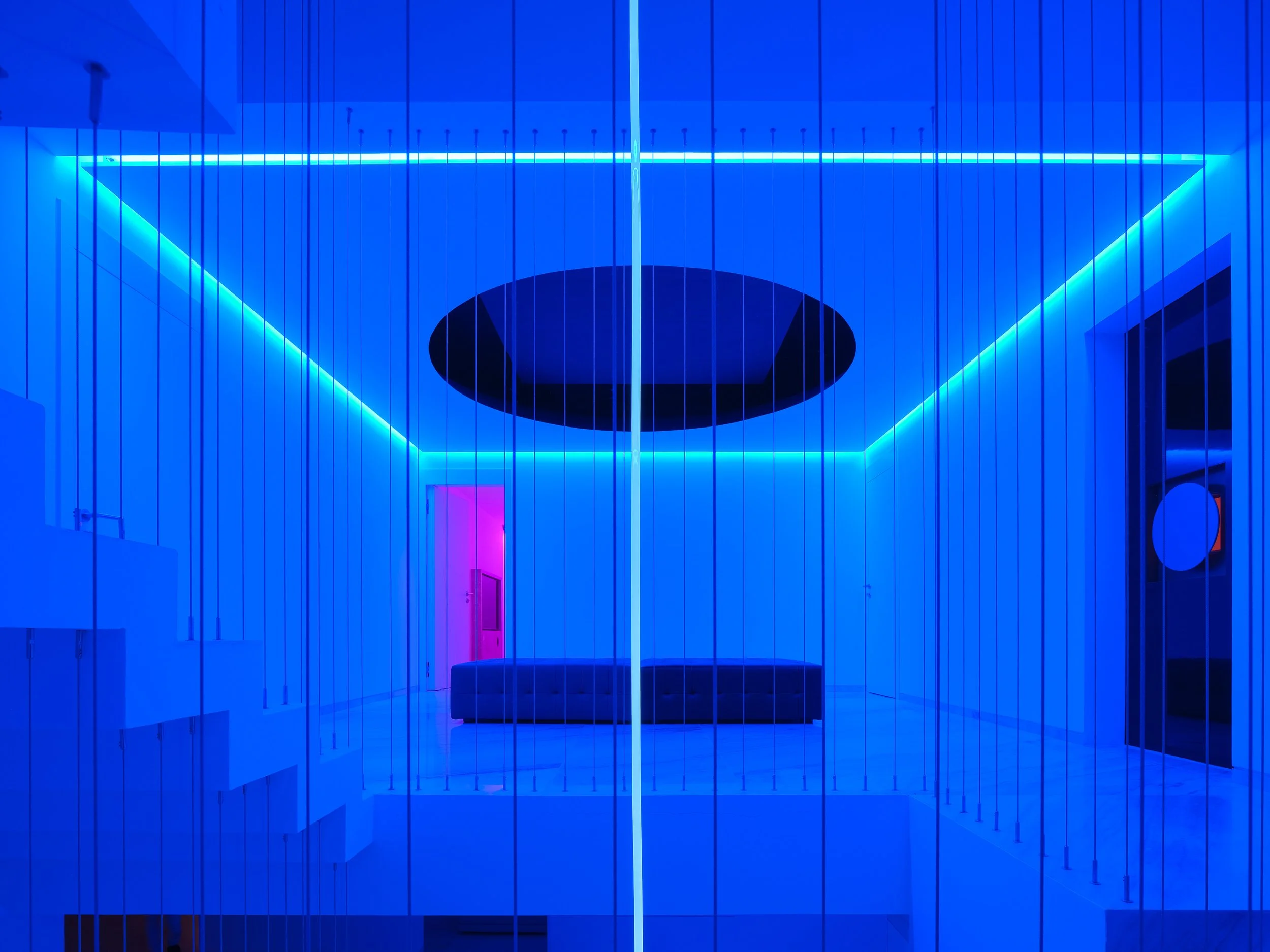
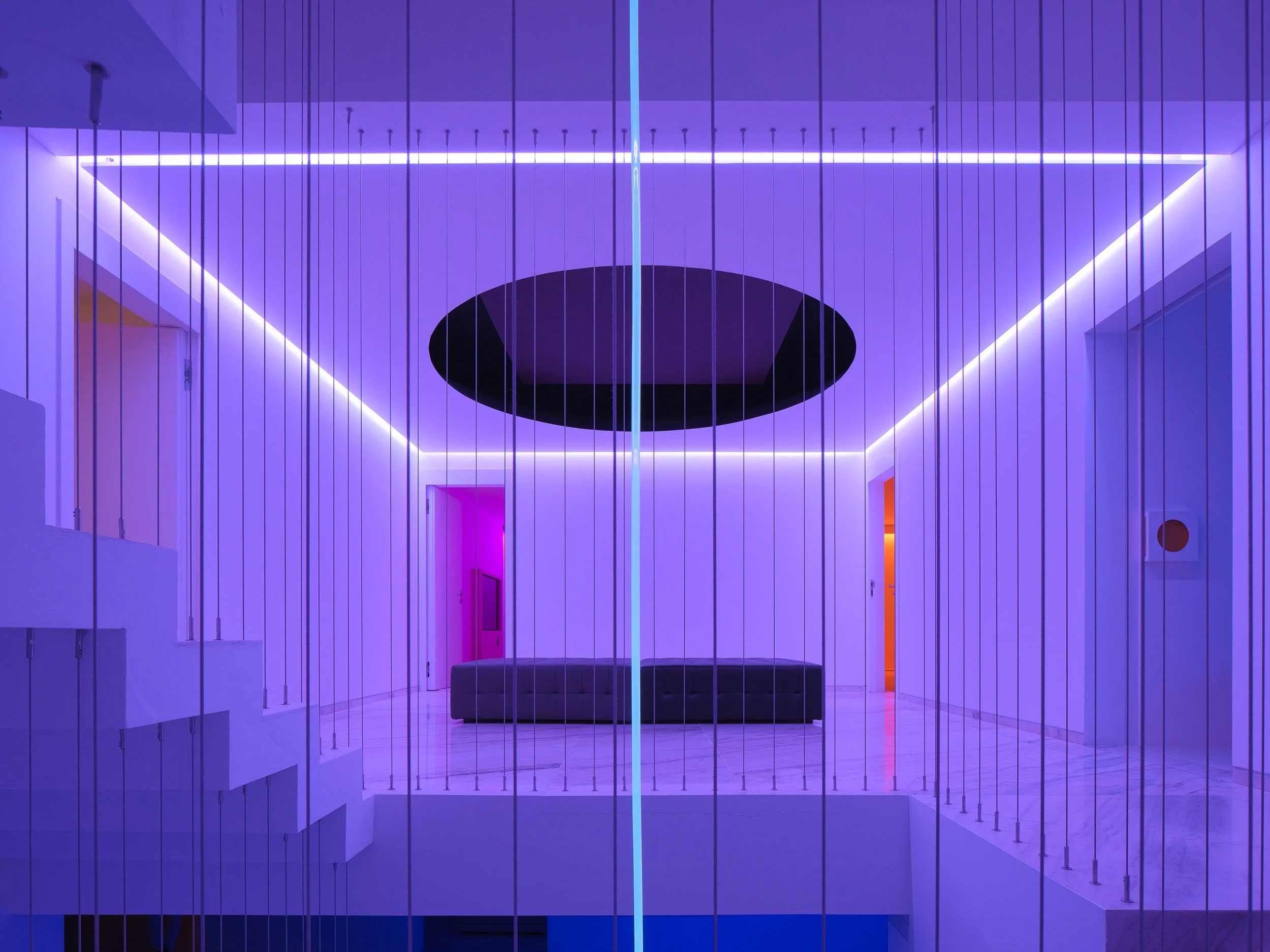
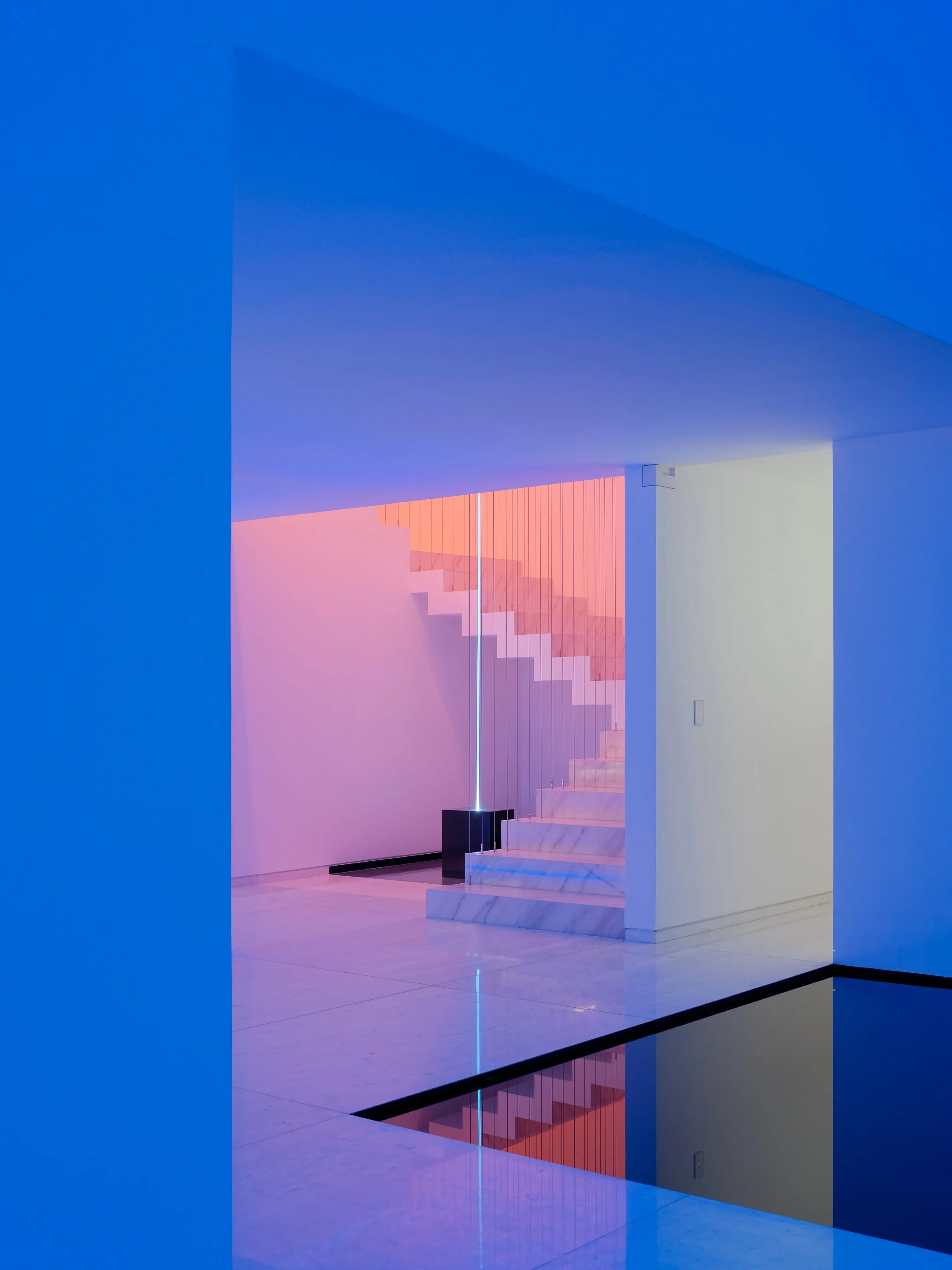
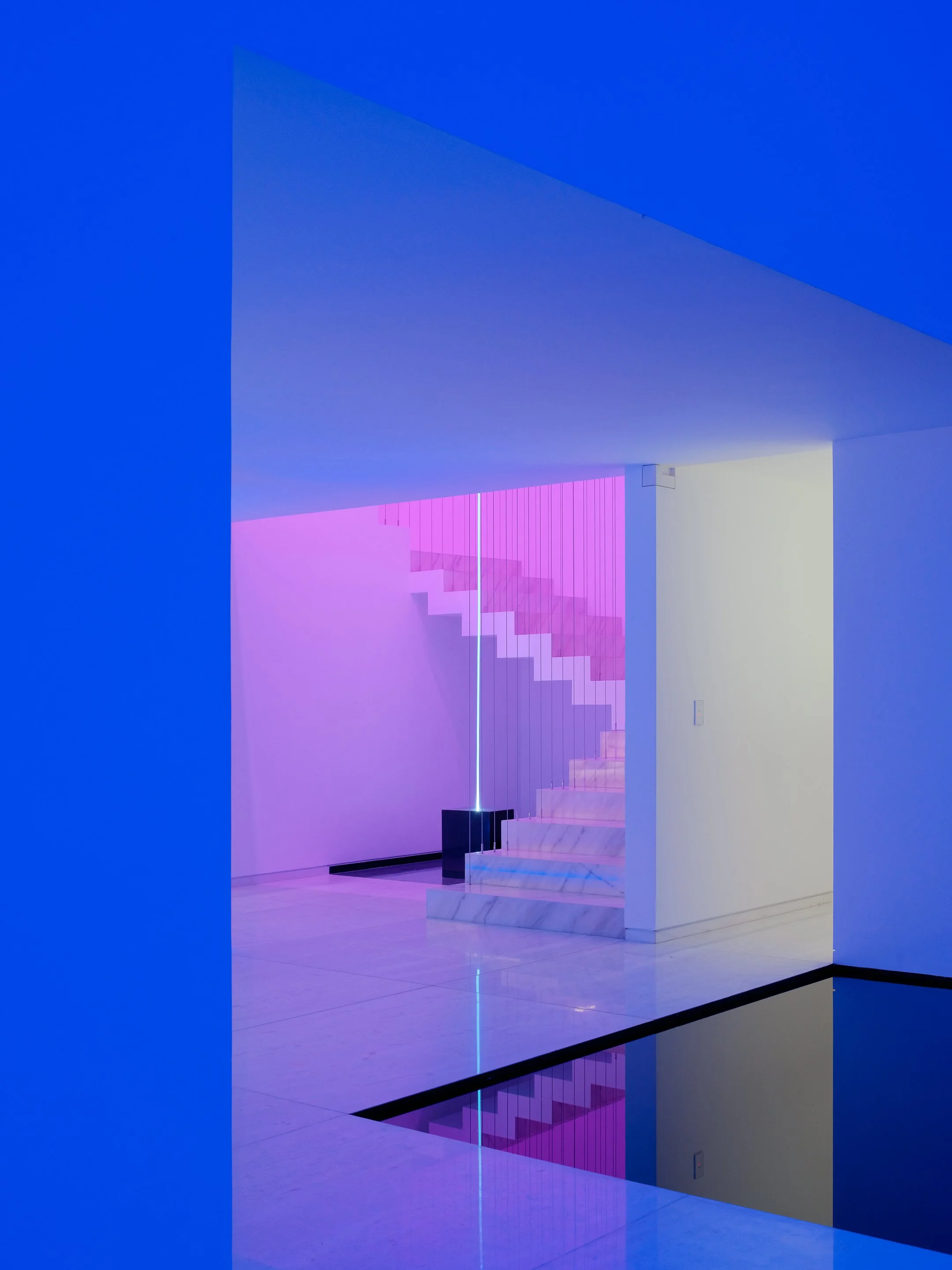
… than it is to force the solution of perfect alignment.
This is a box free of the usual glass border, the barrier that divides the interior from the exterior and can be an obstacle to the continuity of the space. Glass was inserted where essential as a second plane and where it could remain unseen and would not form a fourth wall; in this way the sequences and rhythms of the walls are continuous.
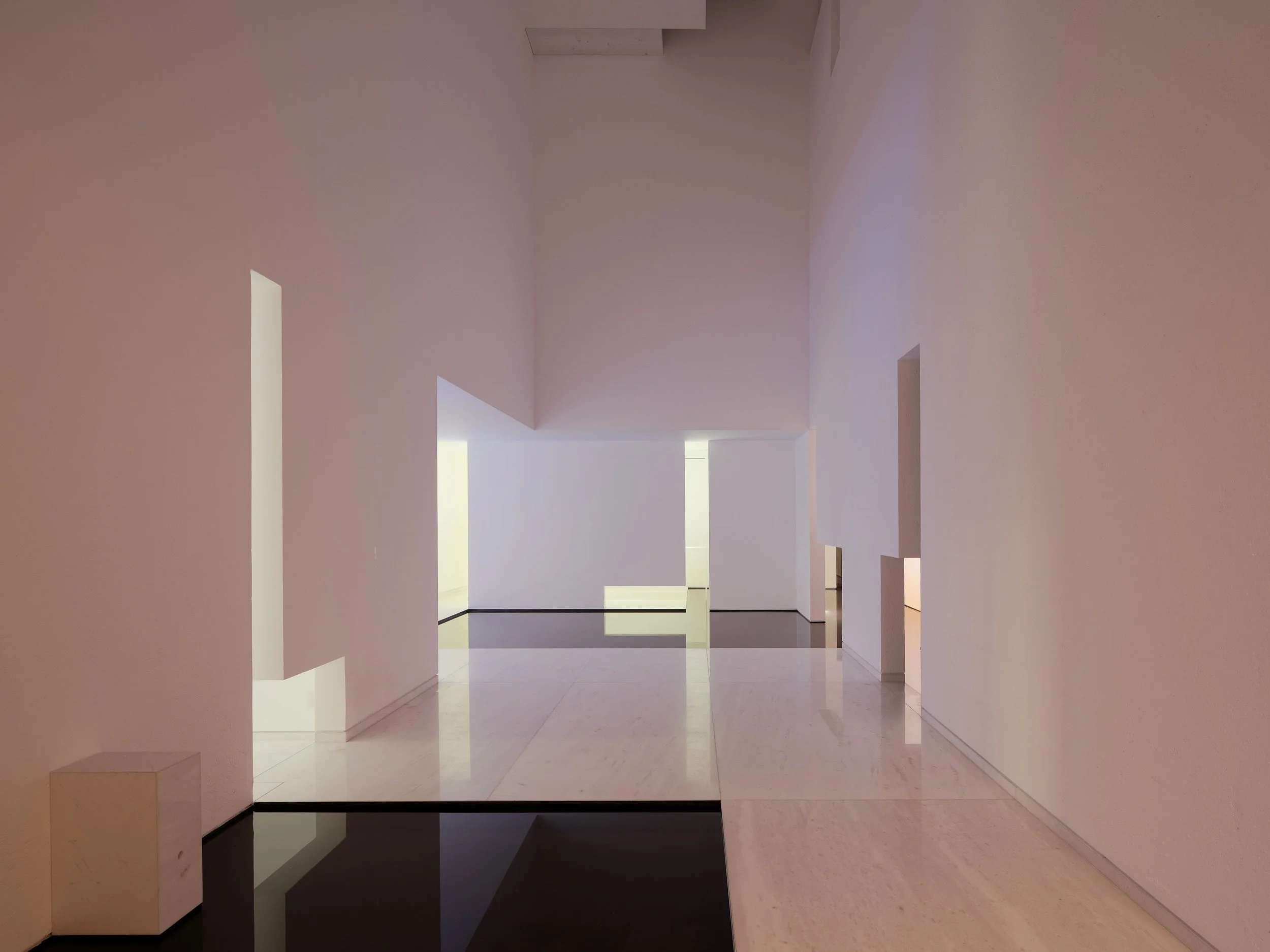
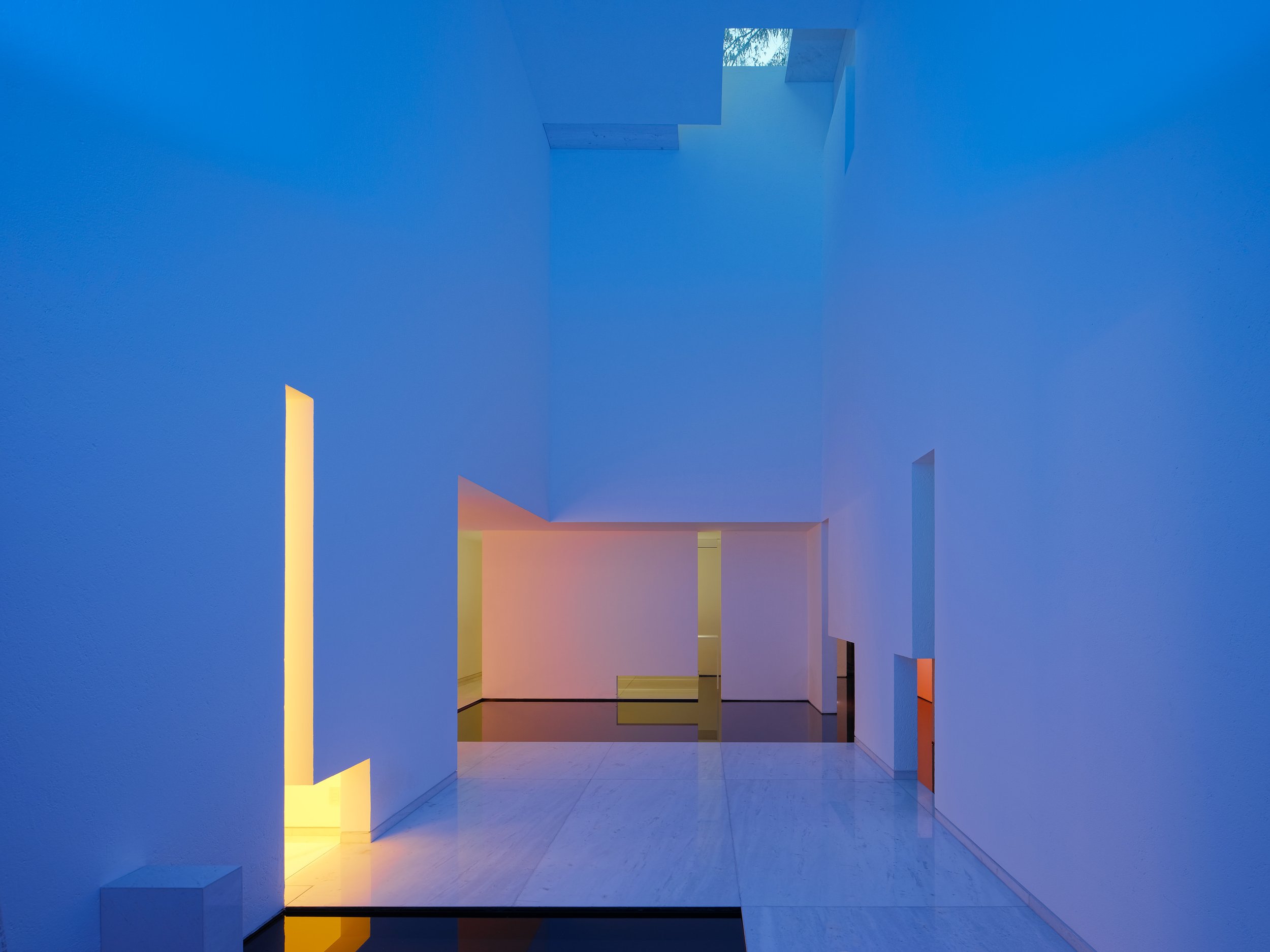
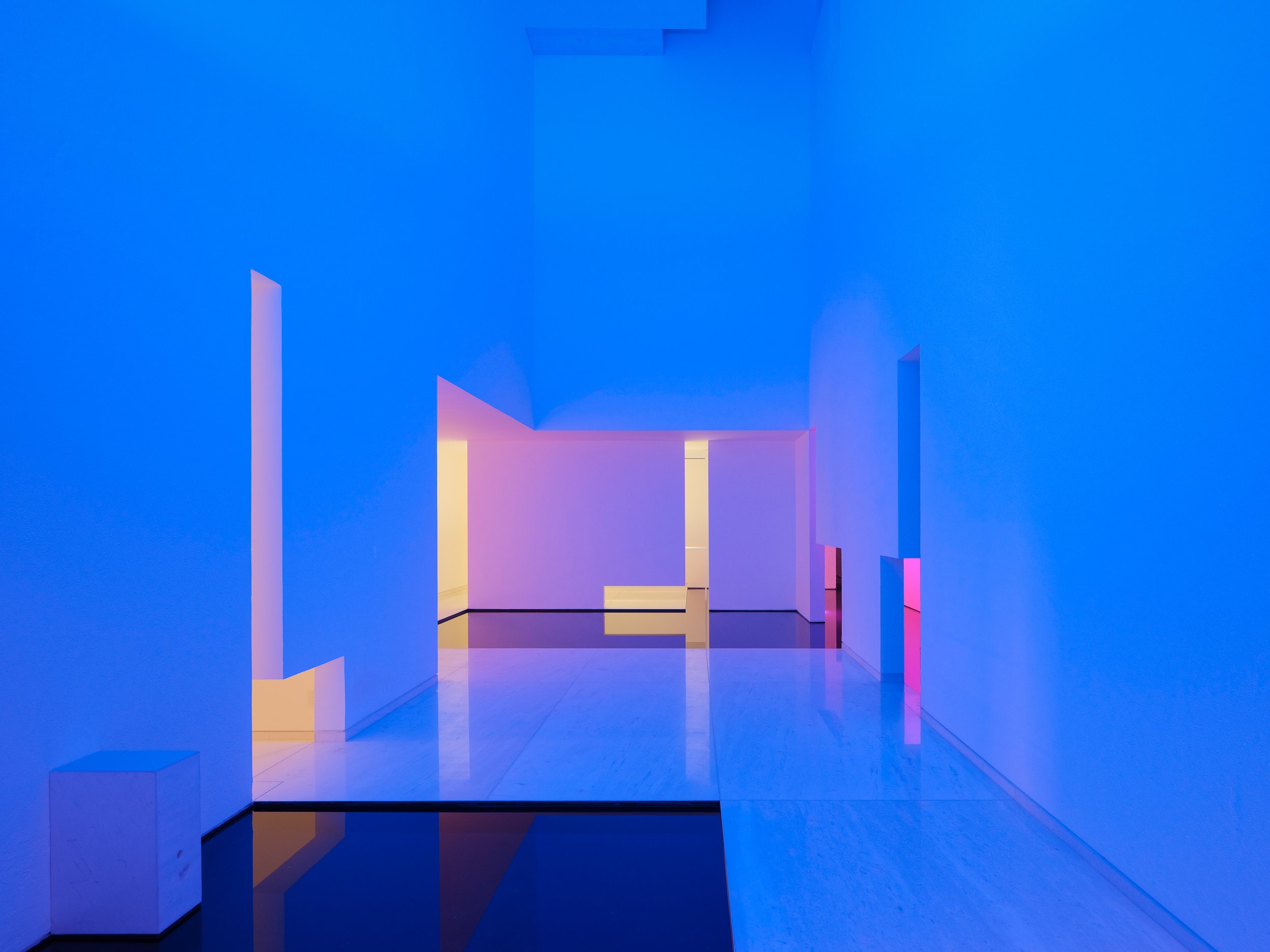
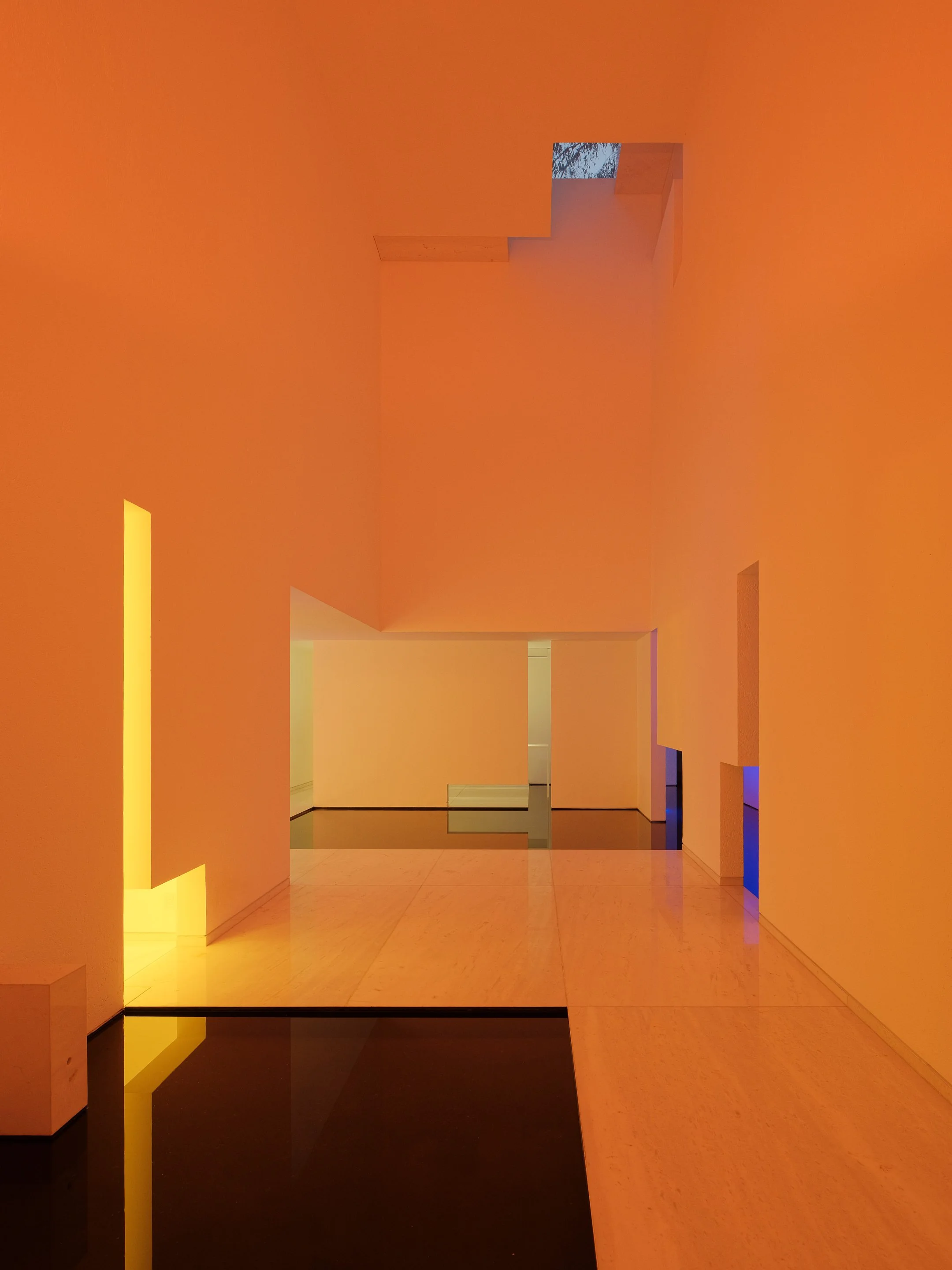
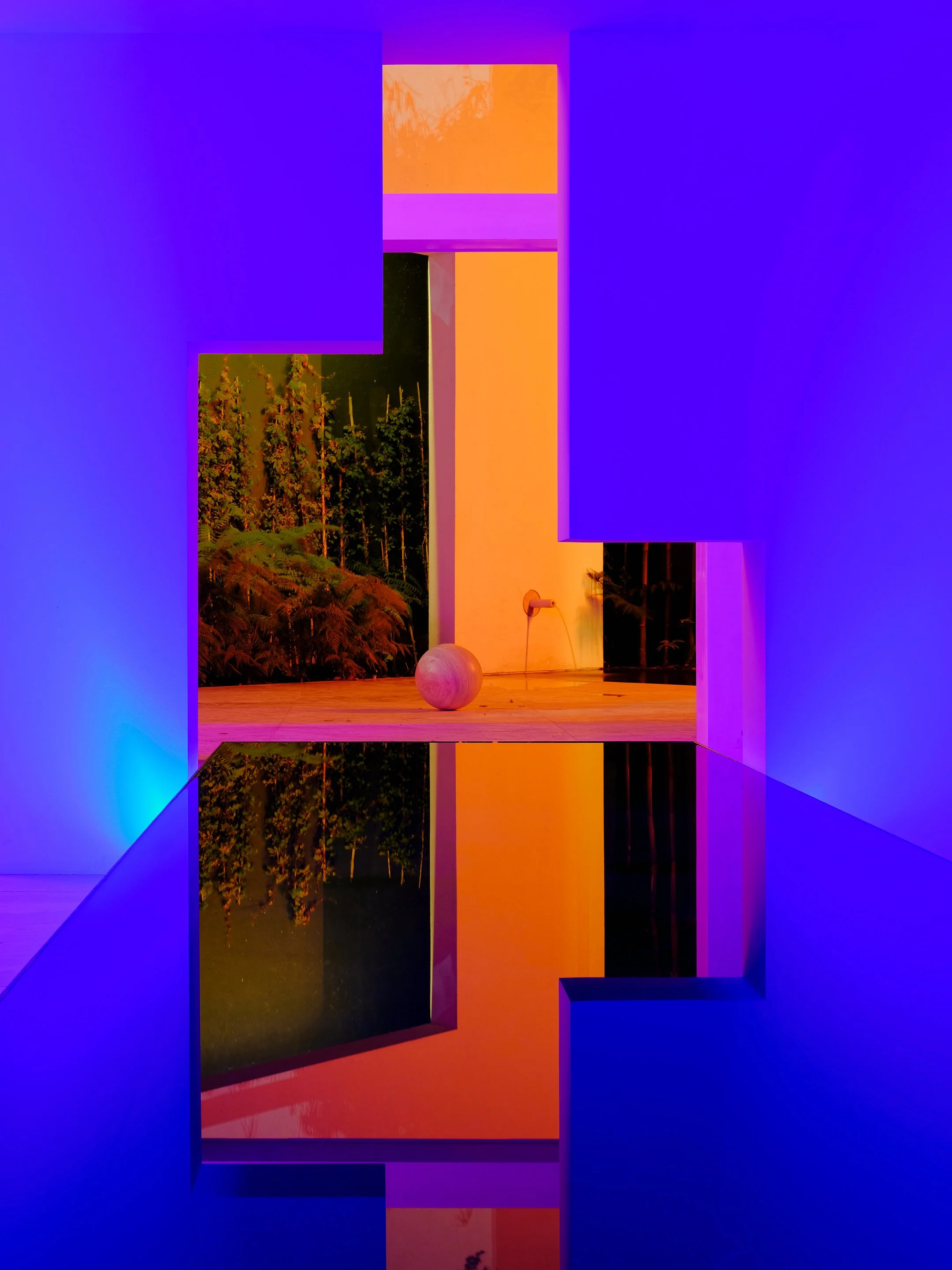
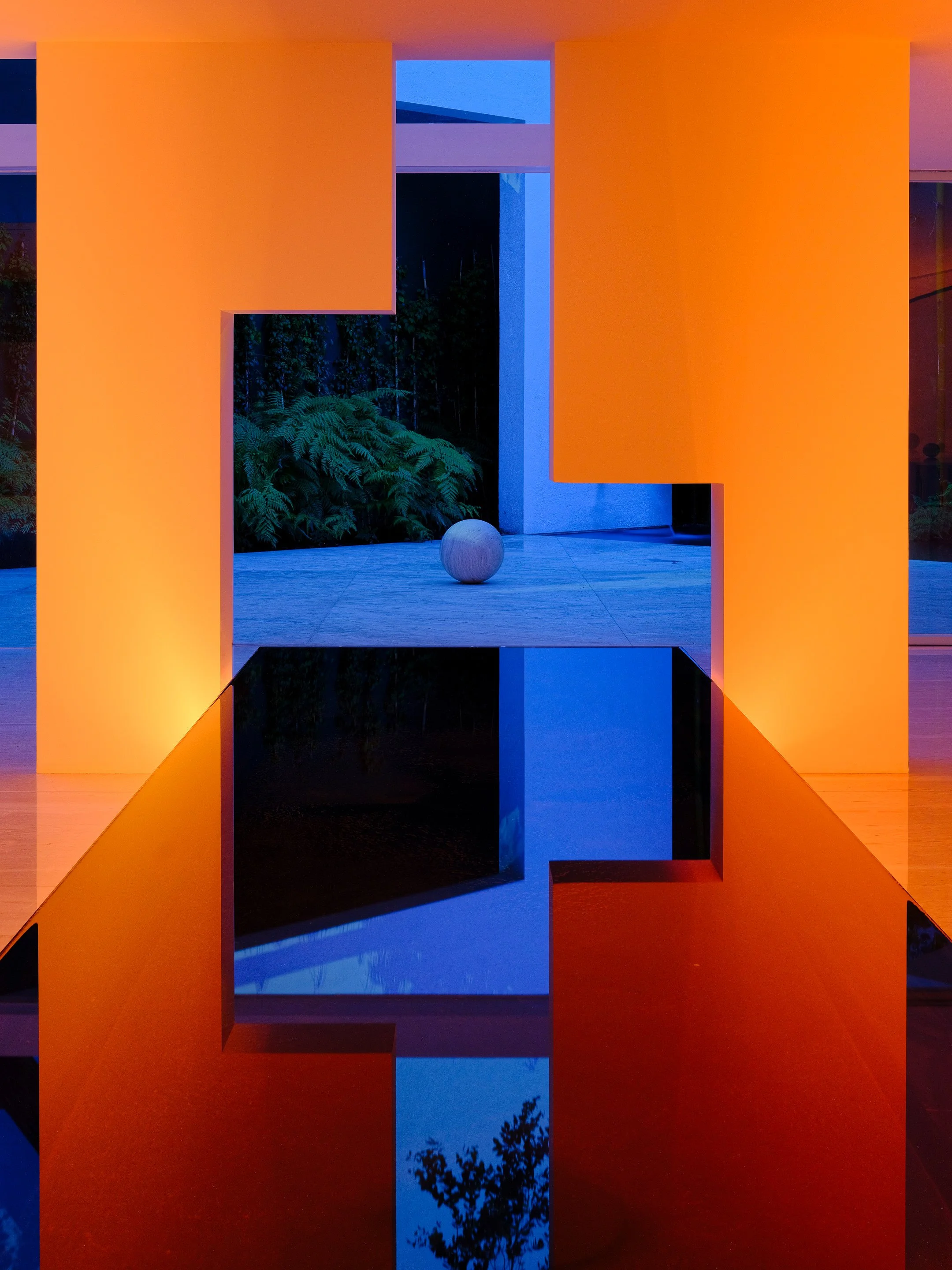
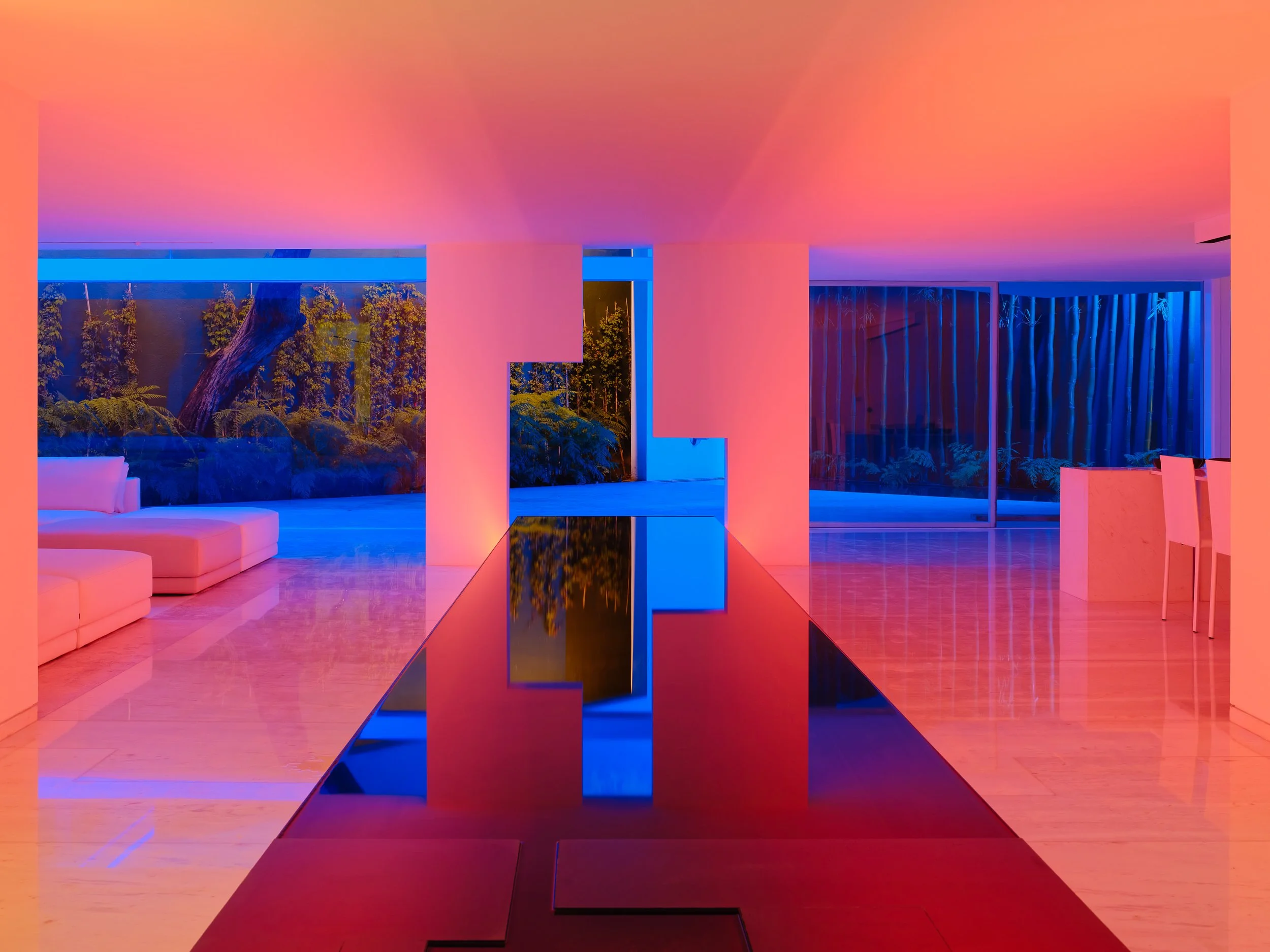
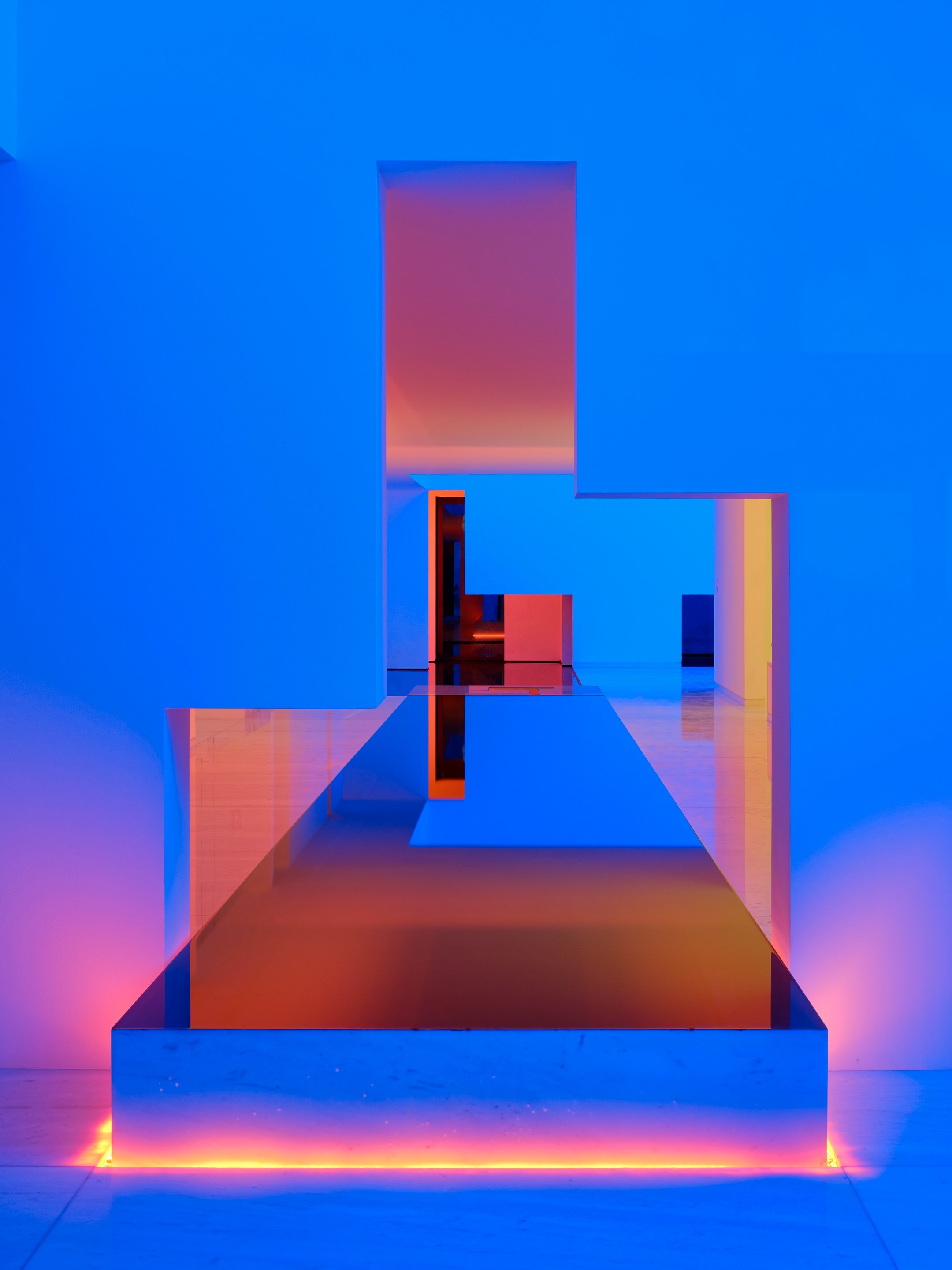
The house has three floors. The first floor houses a garage, the main entrance and service entrance, living room, dining room, kitchen, breakfast bar, gym, movie theater, billiards room, and service area. The second floor has four rooms connected to a contiguous terrace, and the third houses a solarium, seating area, pool, and terrace.
Miguel Ángel Aragonés
PRoject DEtails
-
Miguel Angel Aragonés
-
Juan Carlos Vidaña, Jose Torres, Rafael Aragonés C.
-
Joe Fletcher
-
Michael Luppi
-
Mexico city, Mexico
-
1,102 M2