
Encanto
Hotel
Acapulco, México
2009
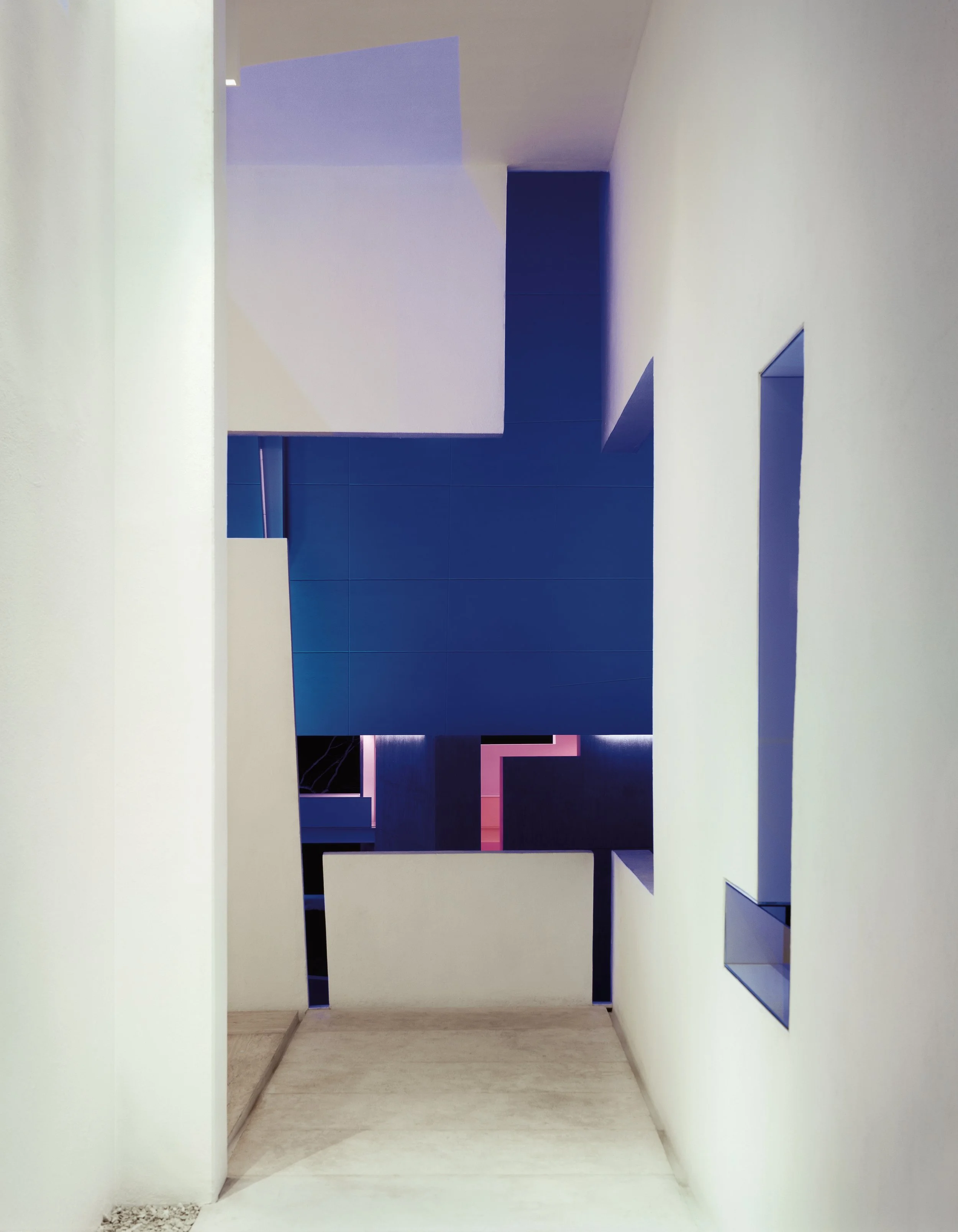
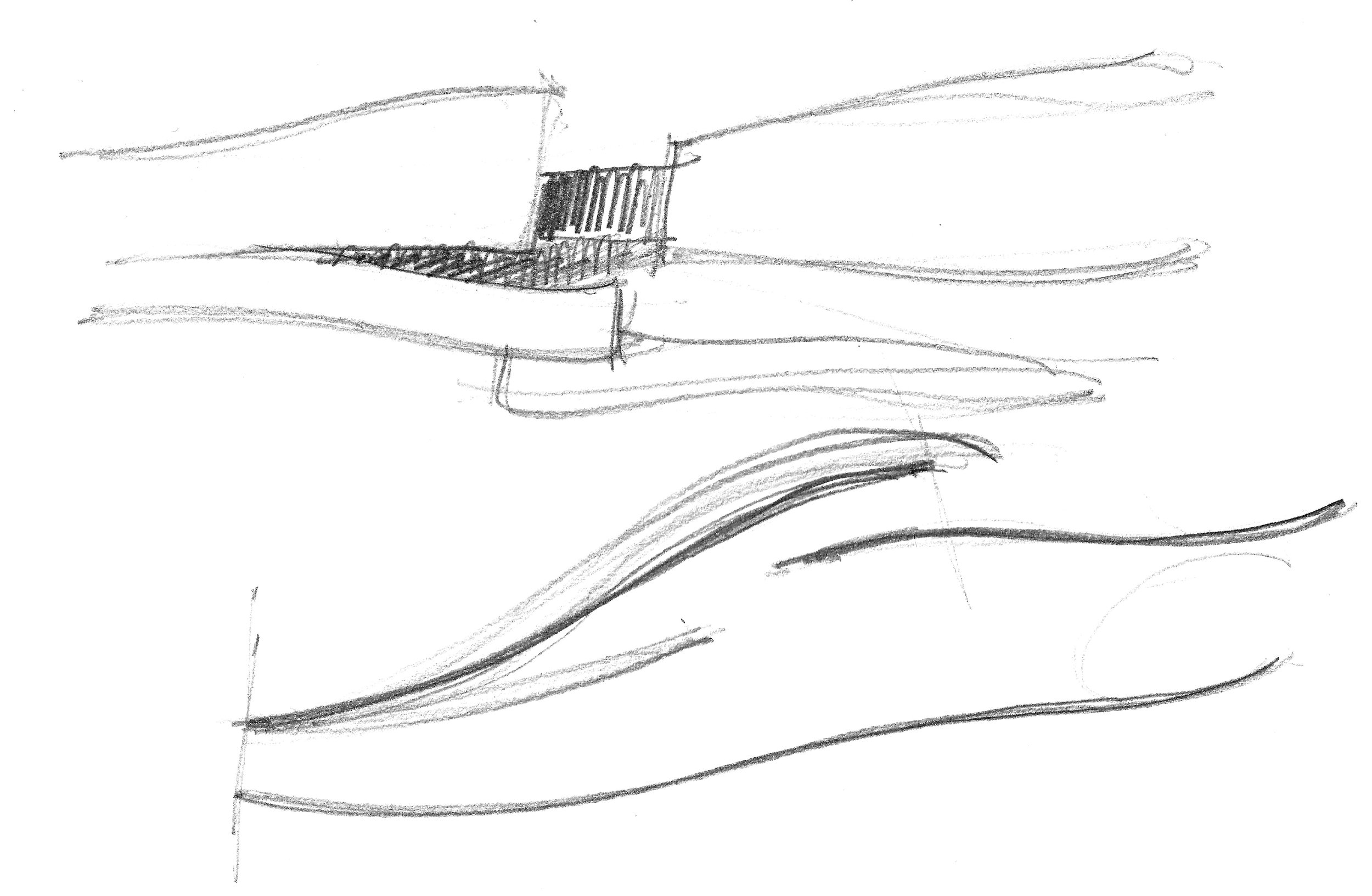
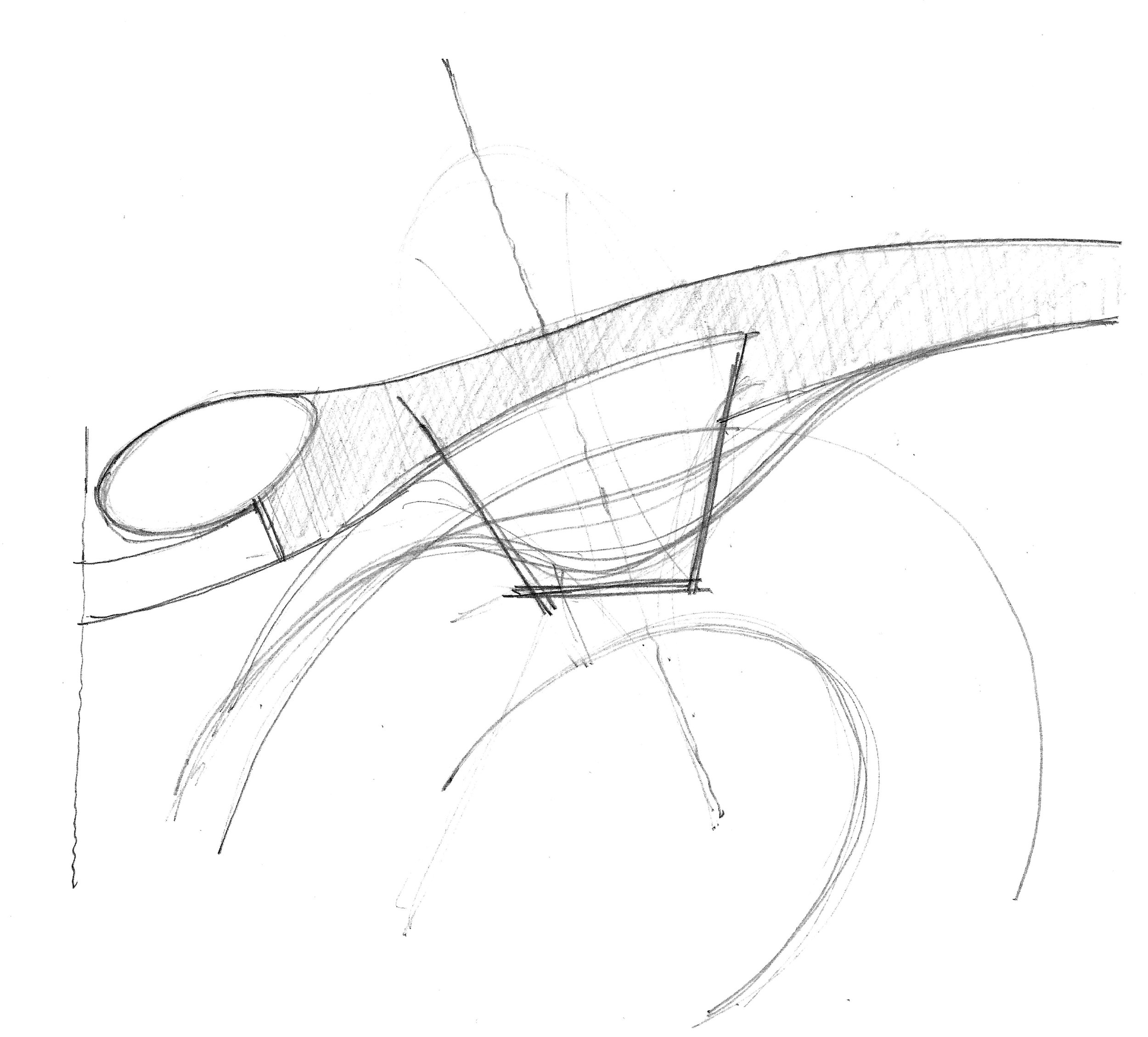
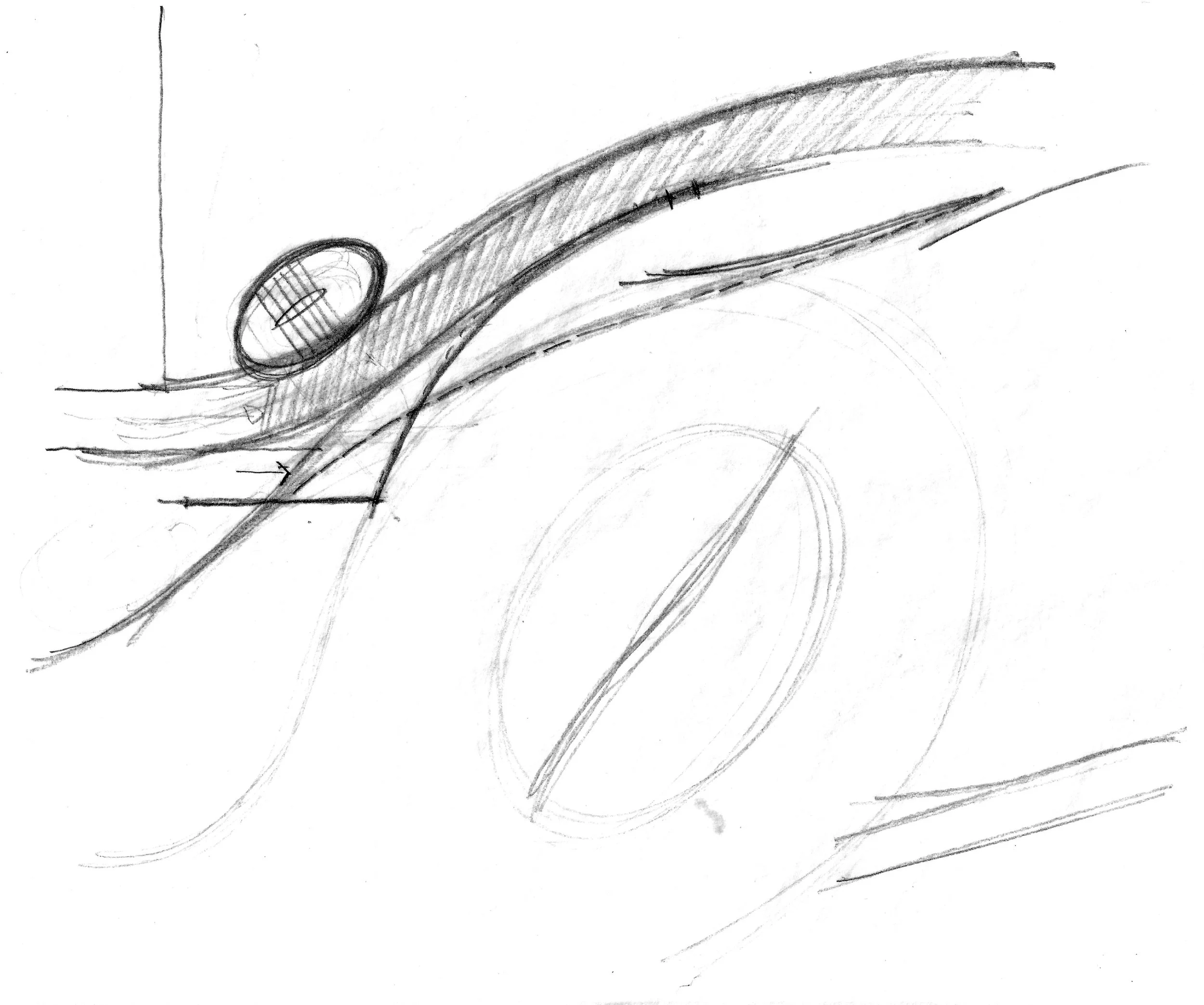
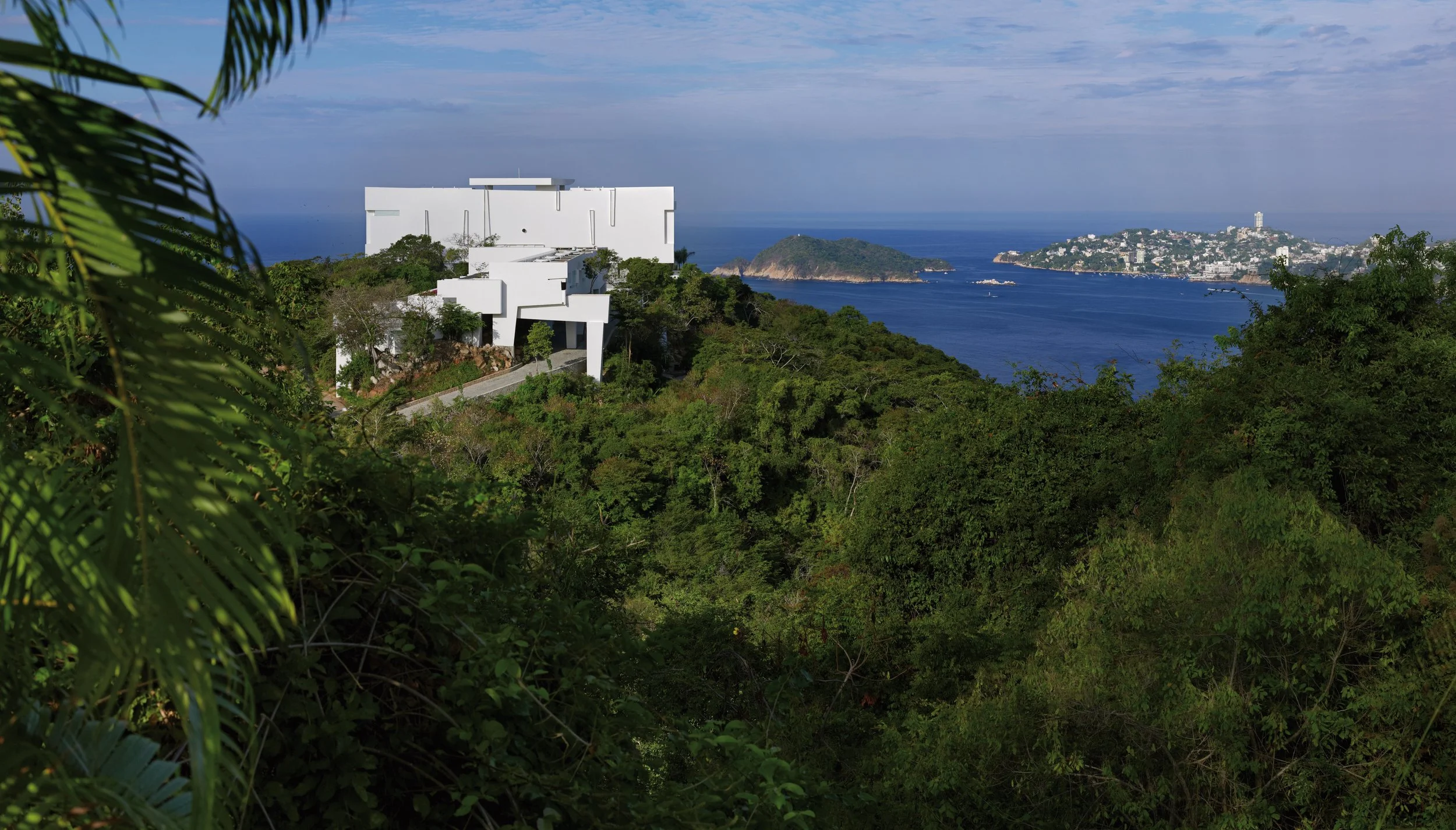
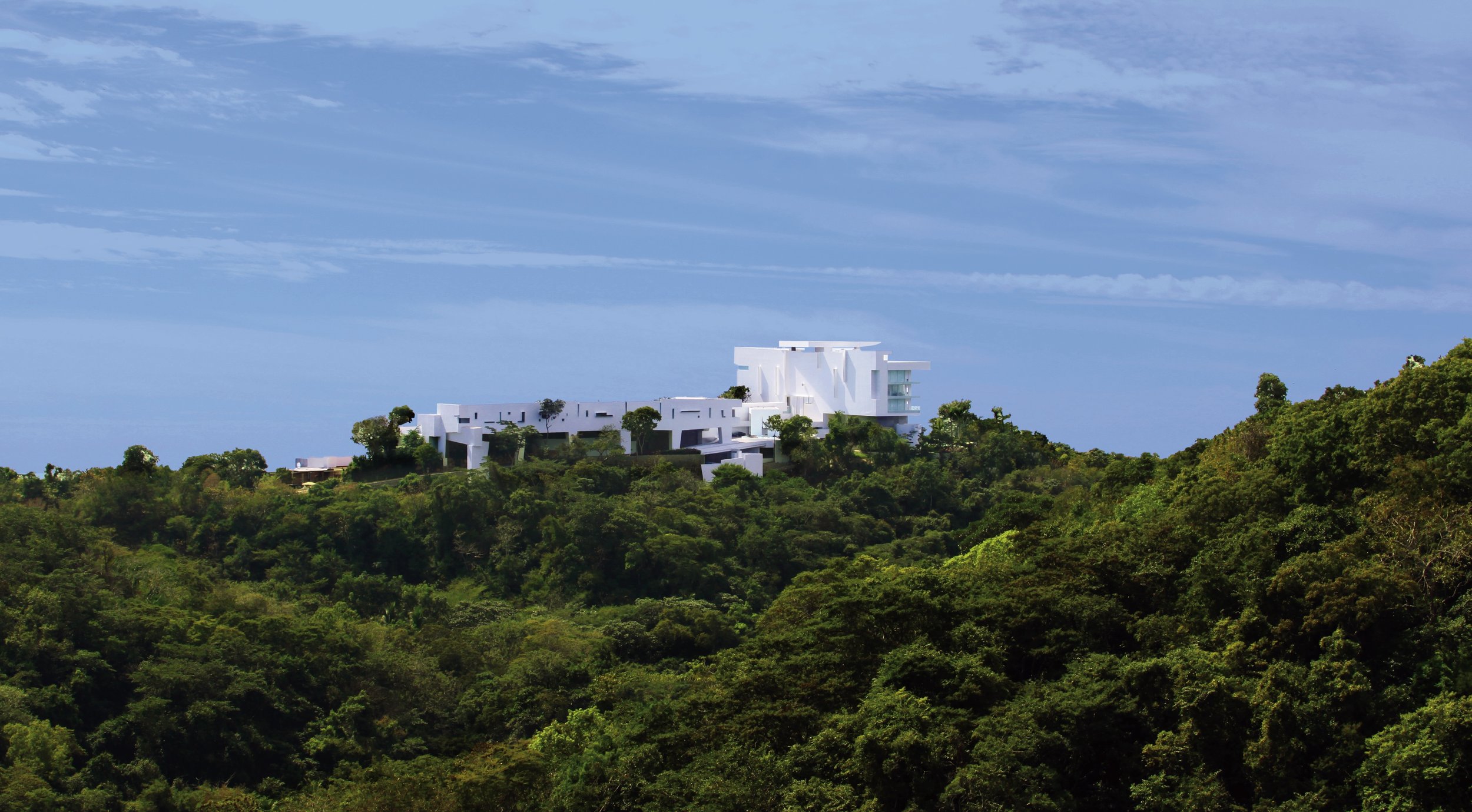
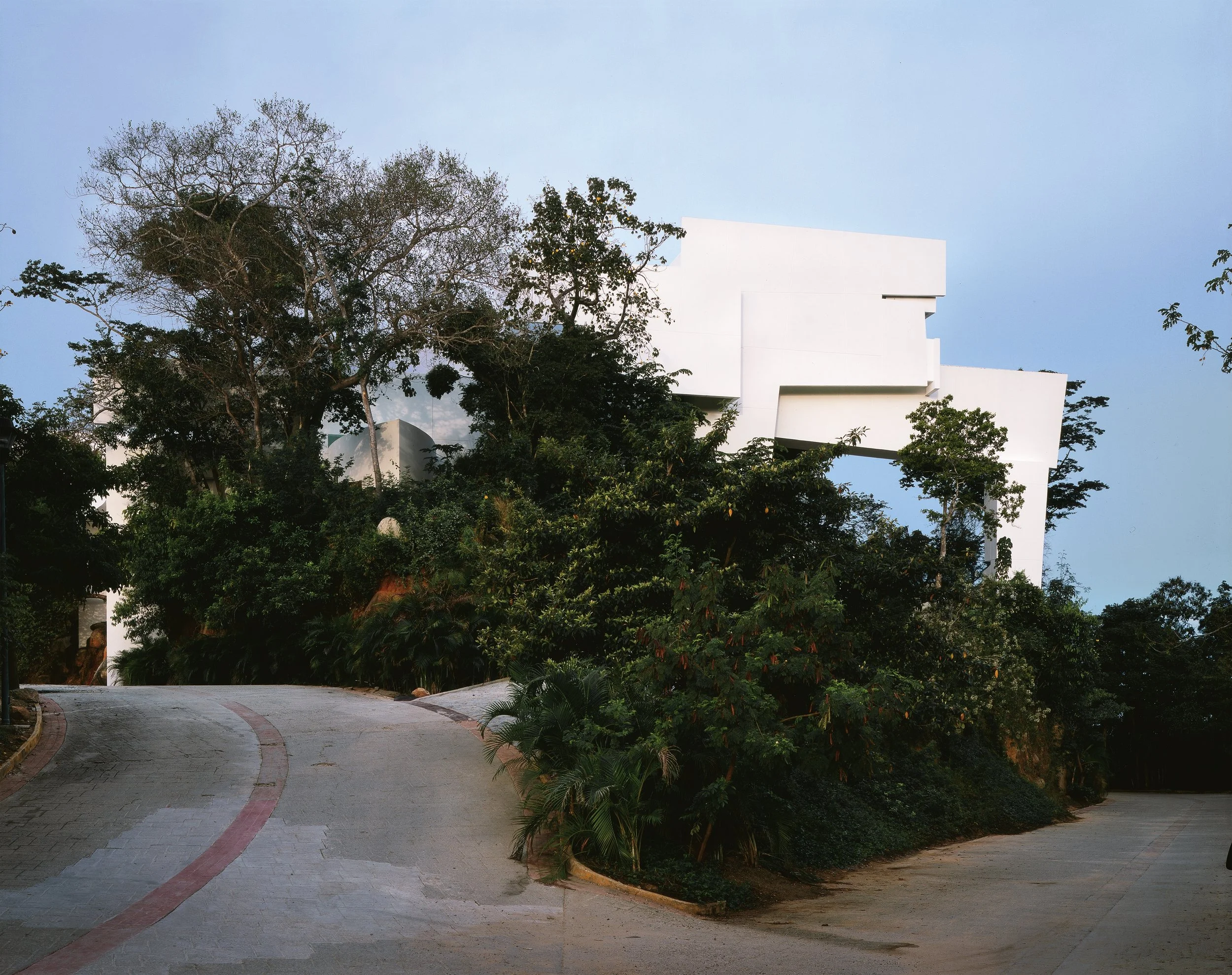
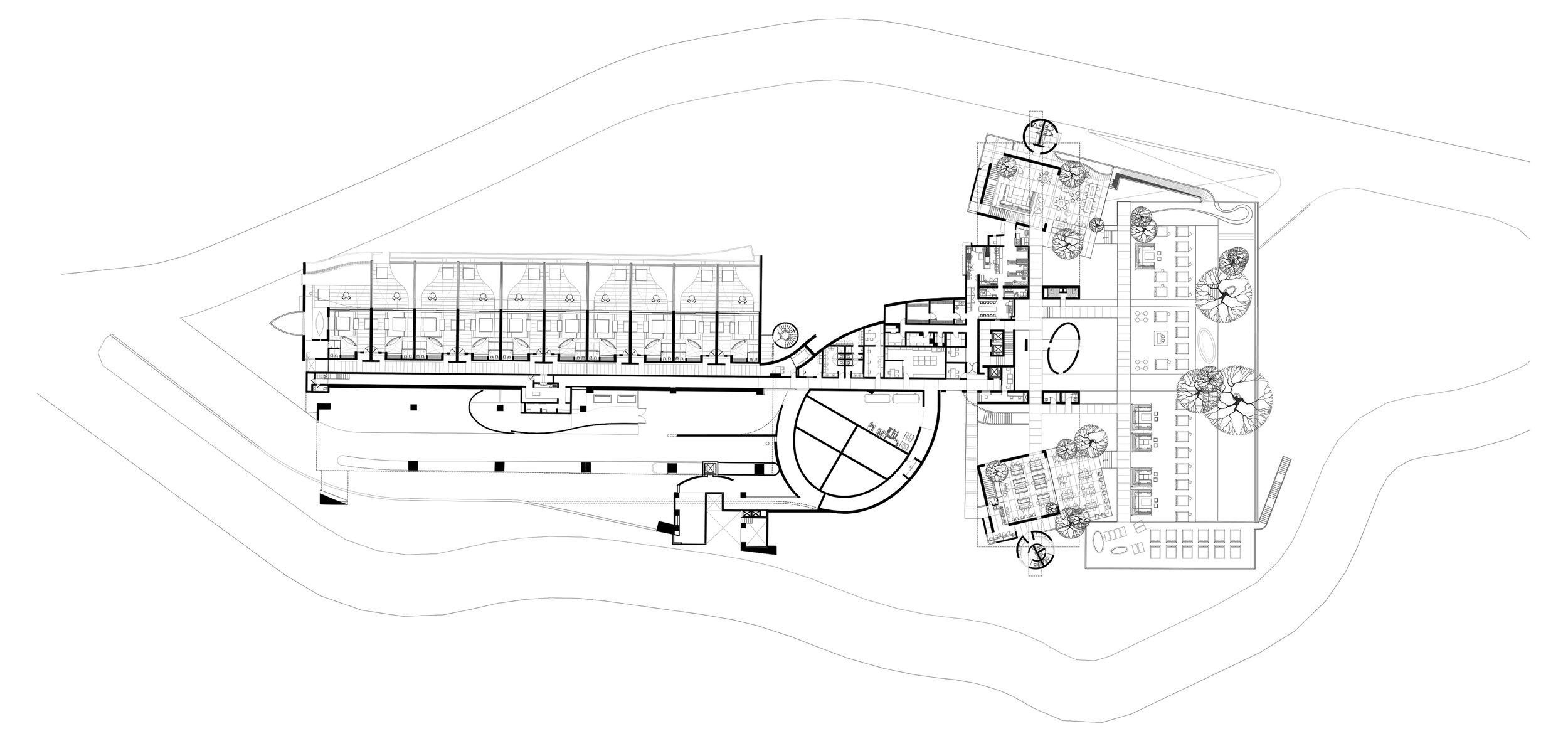
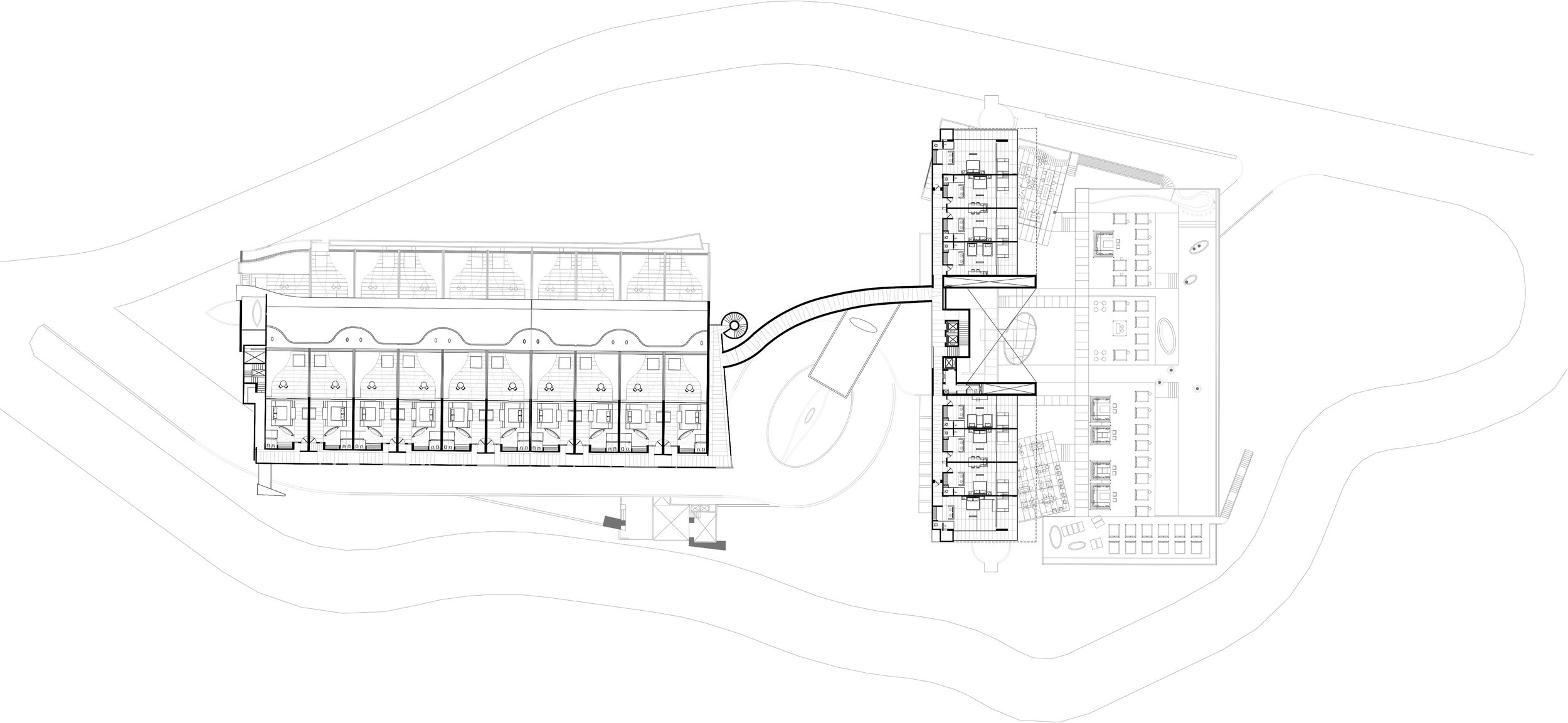
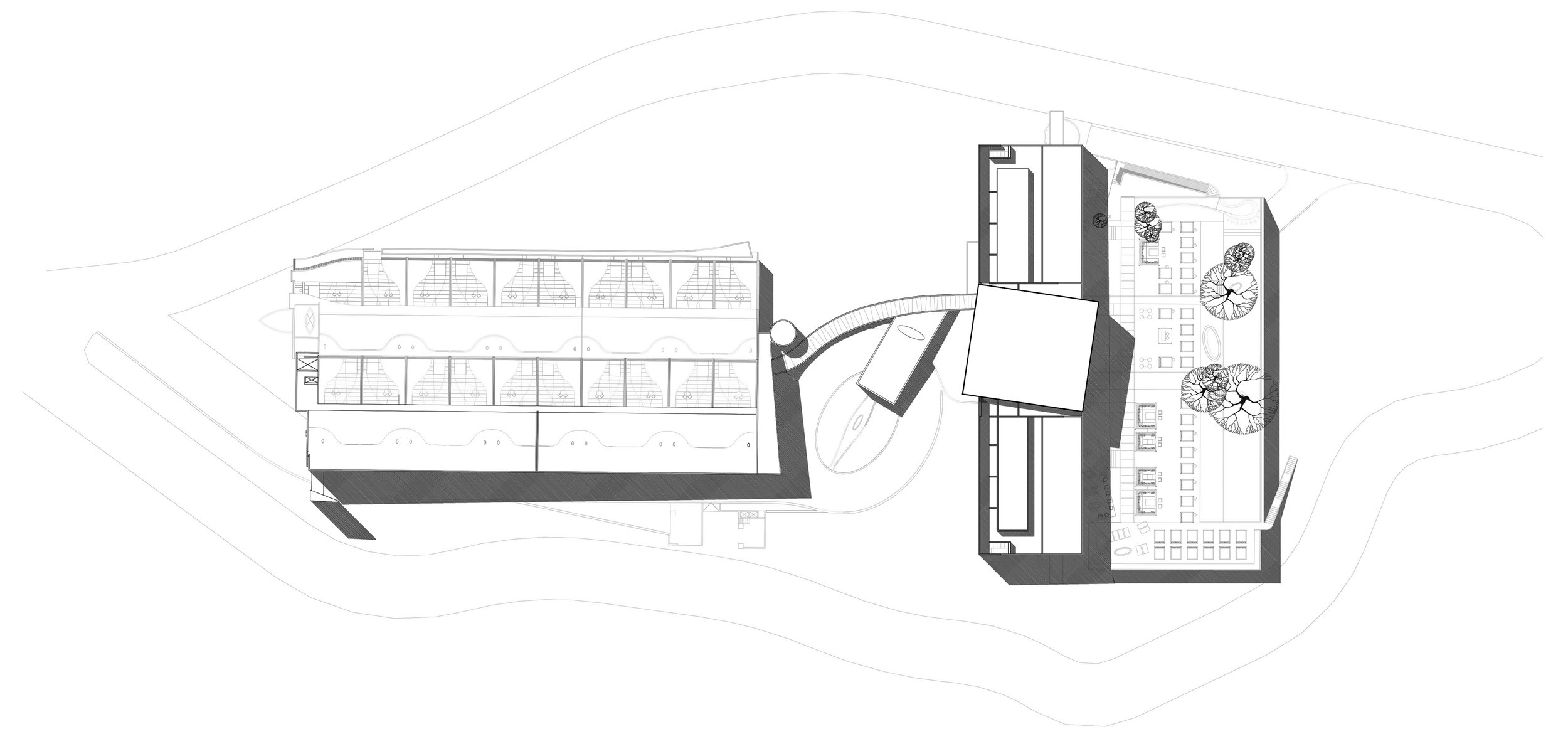
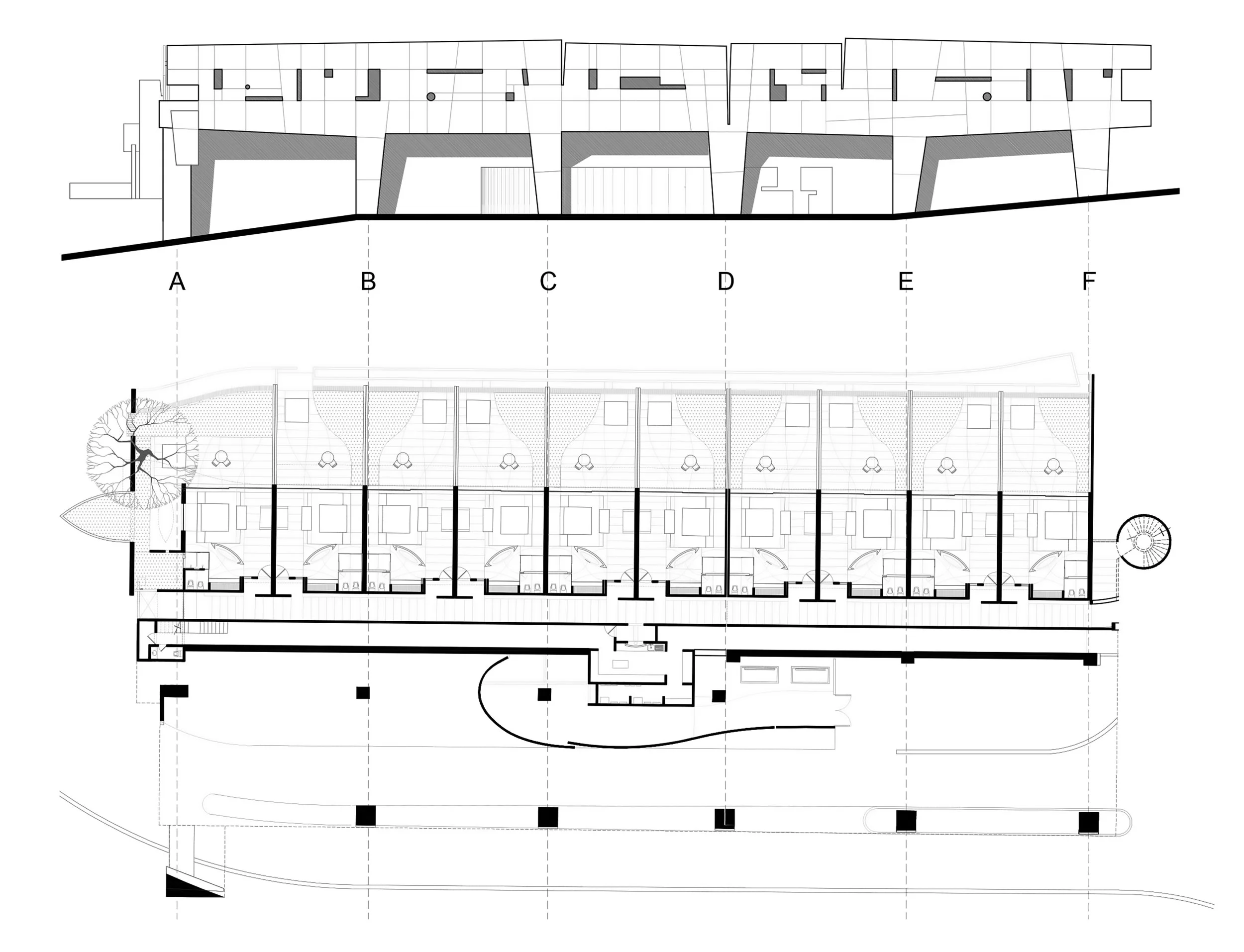
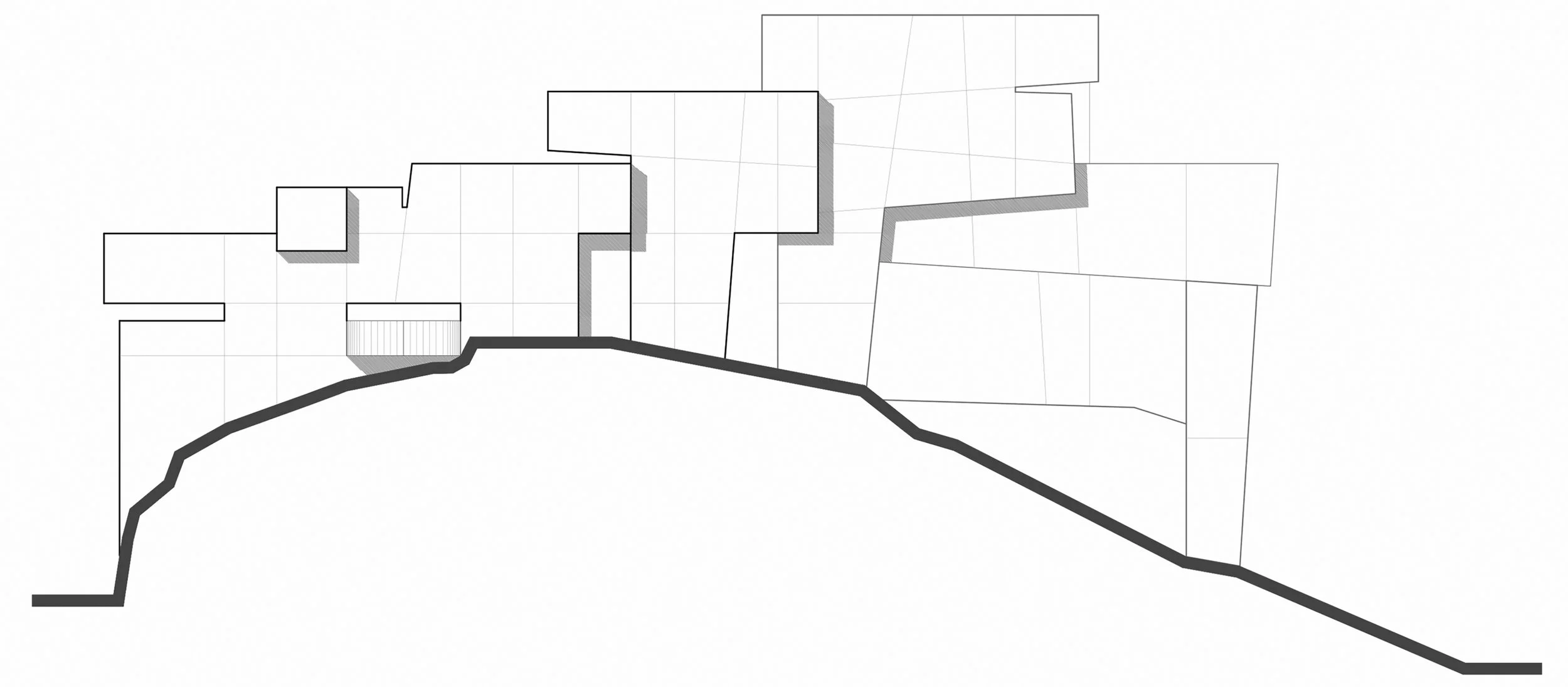
Built with steel, reinforced concrete, and bricks, this 75,960-square-foot (7,057-square-meter) hotel was conceived in 1999 and completed ten years later. The architect explains that the project was carried forward with limited resources, inexpensive materials, and local labor, with a concept aimed at "retaining a human scale." The relationship of the building to the water is again very important for the overall concept. Aragonés states, "Everything was playfully created to generate continual momentum from the sea, to compel those staying there to seek and find a way out, arriving at it always and capturing it with their gazes. Architectural works are always better off when economization prevails and the greatest possible content is
Philip Jodidio Text
Joe Fletcher, Nicola Lorusso, MAA, RAC Photography

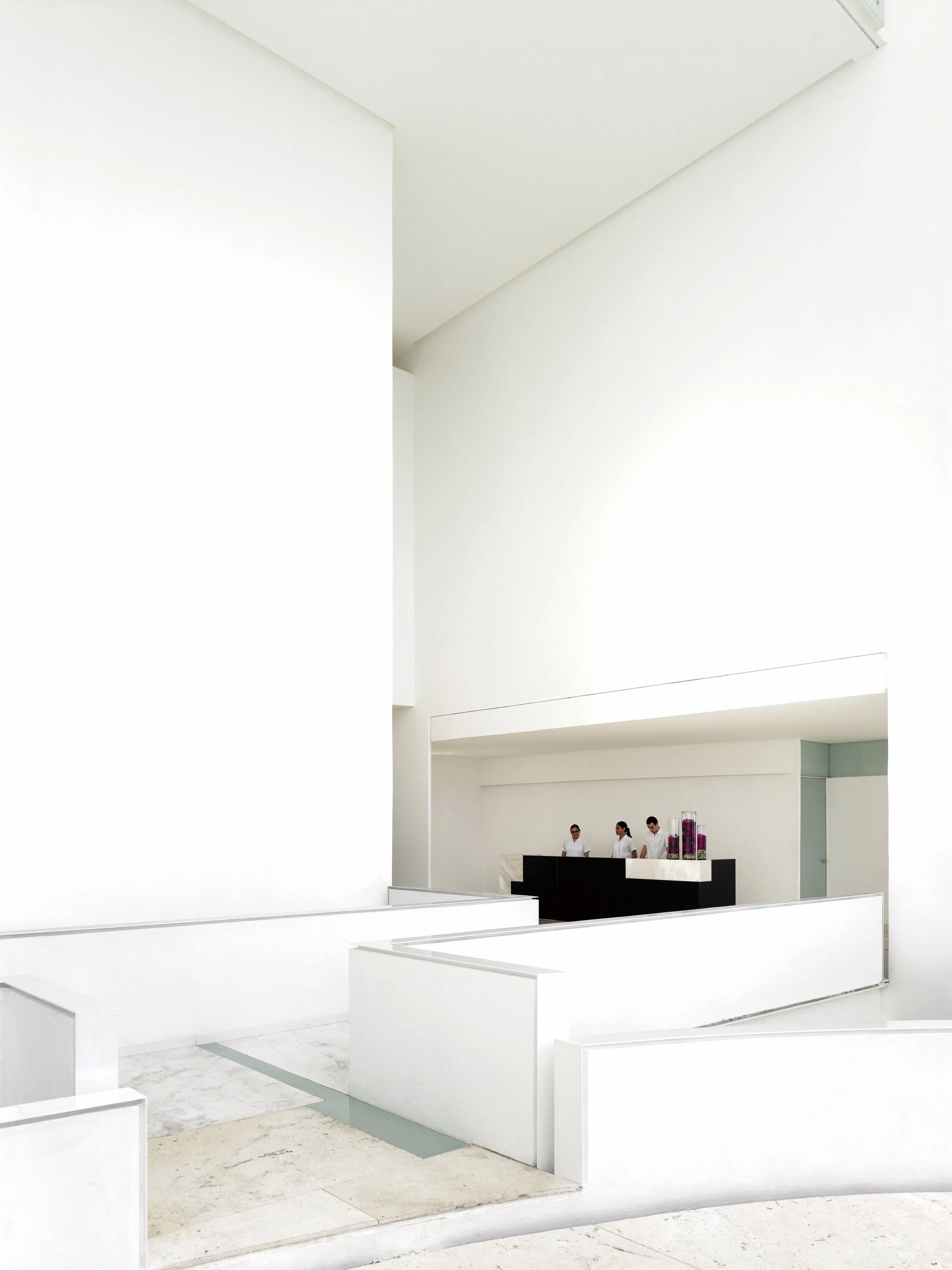
conveyed with the least amount of material. To say more while using less: nothing could be more ecological or sustainable.”
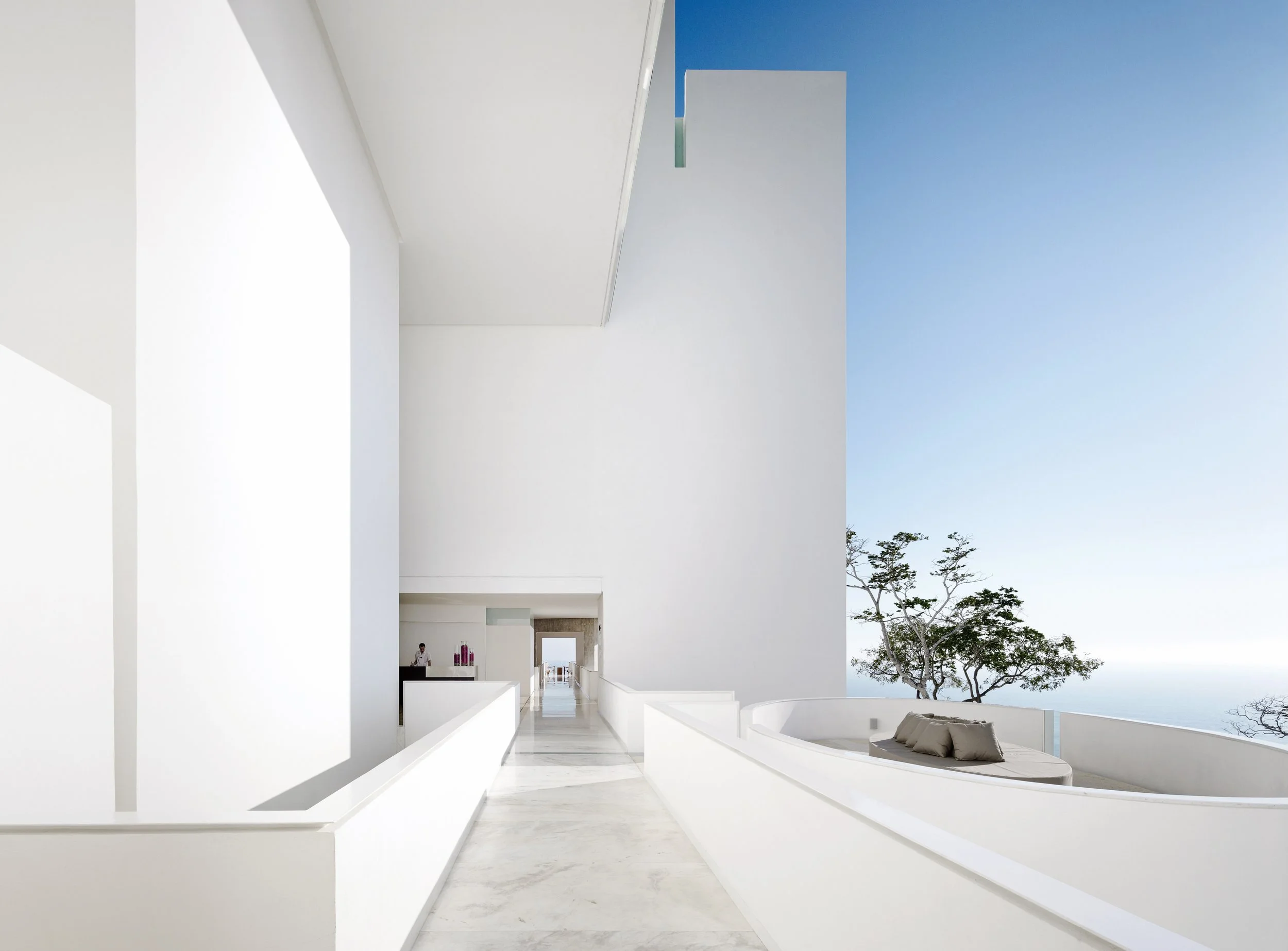
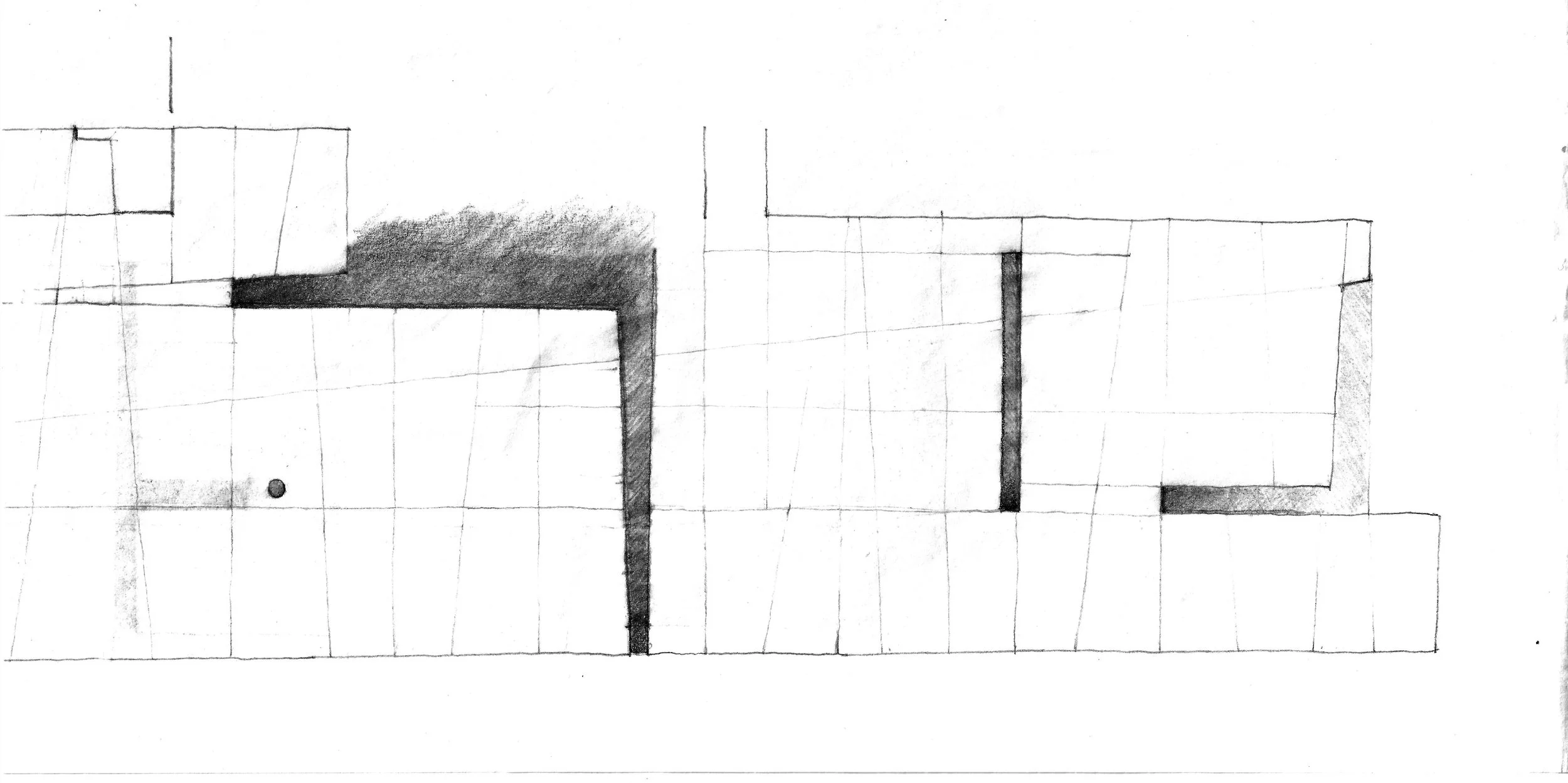
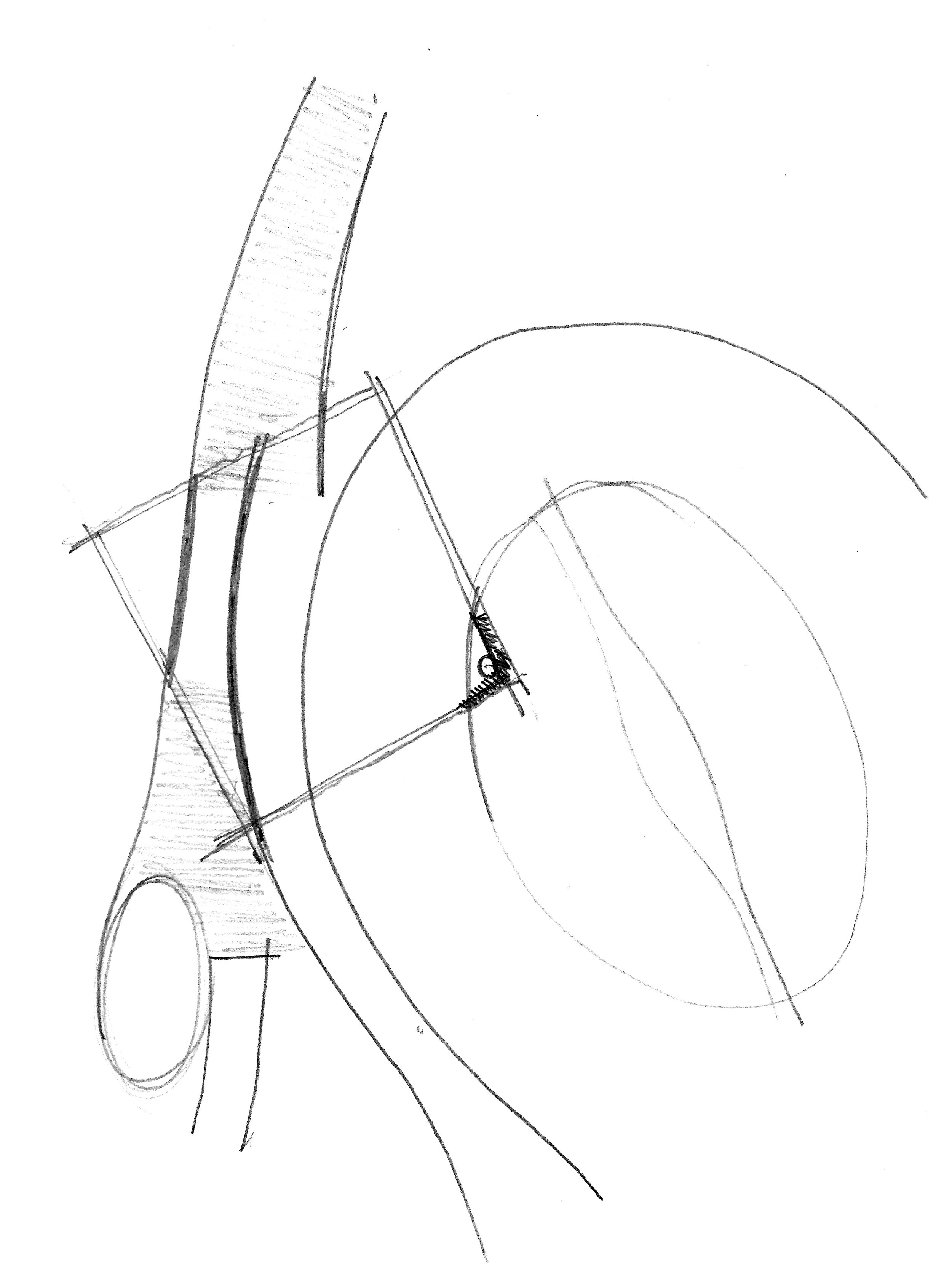
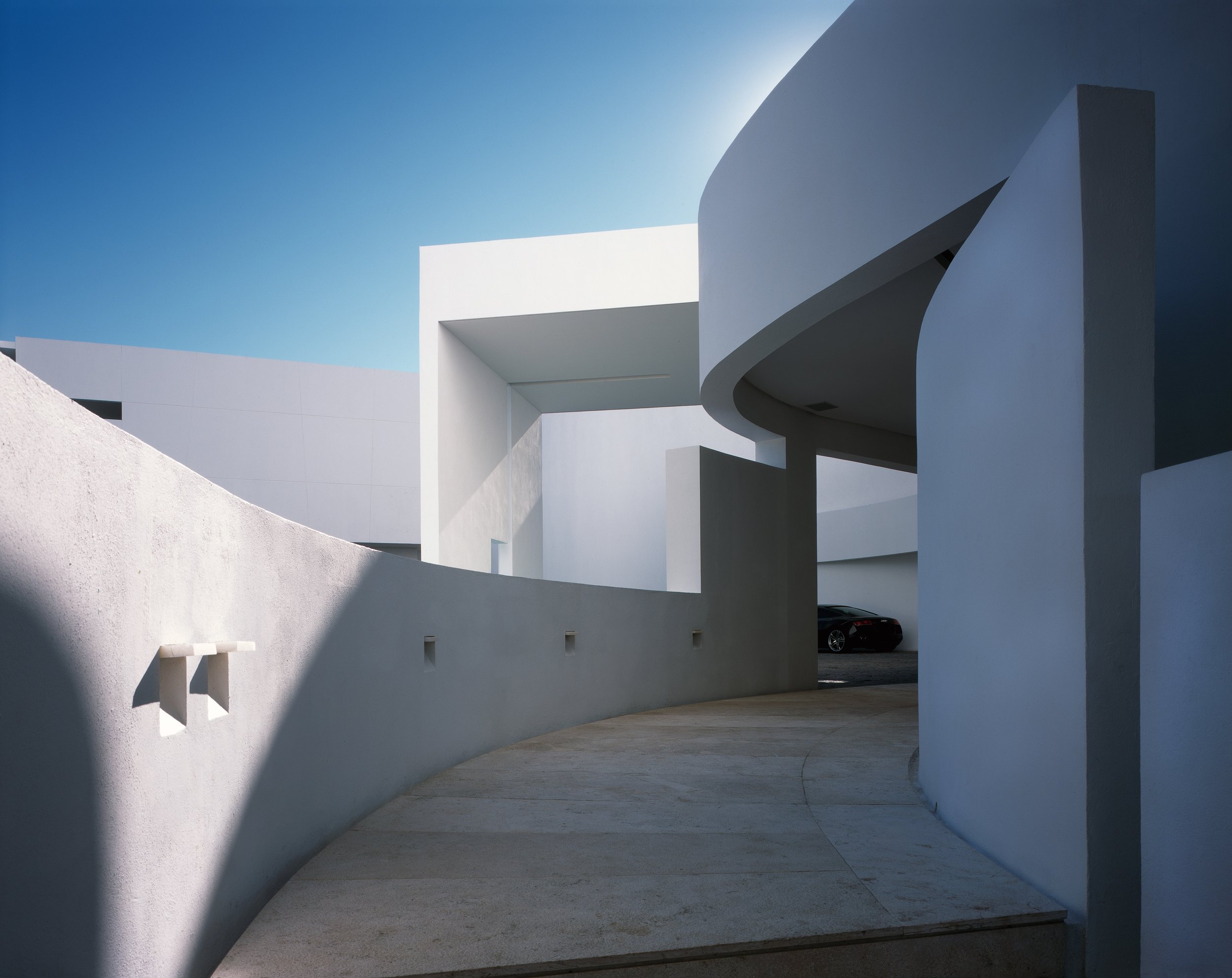
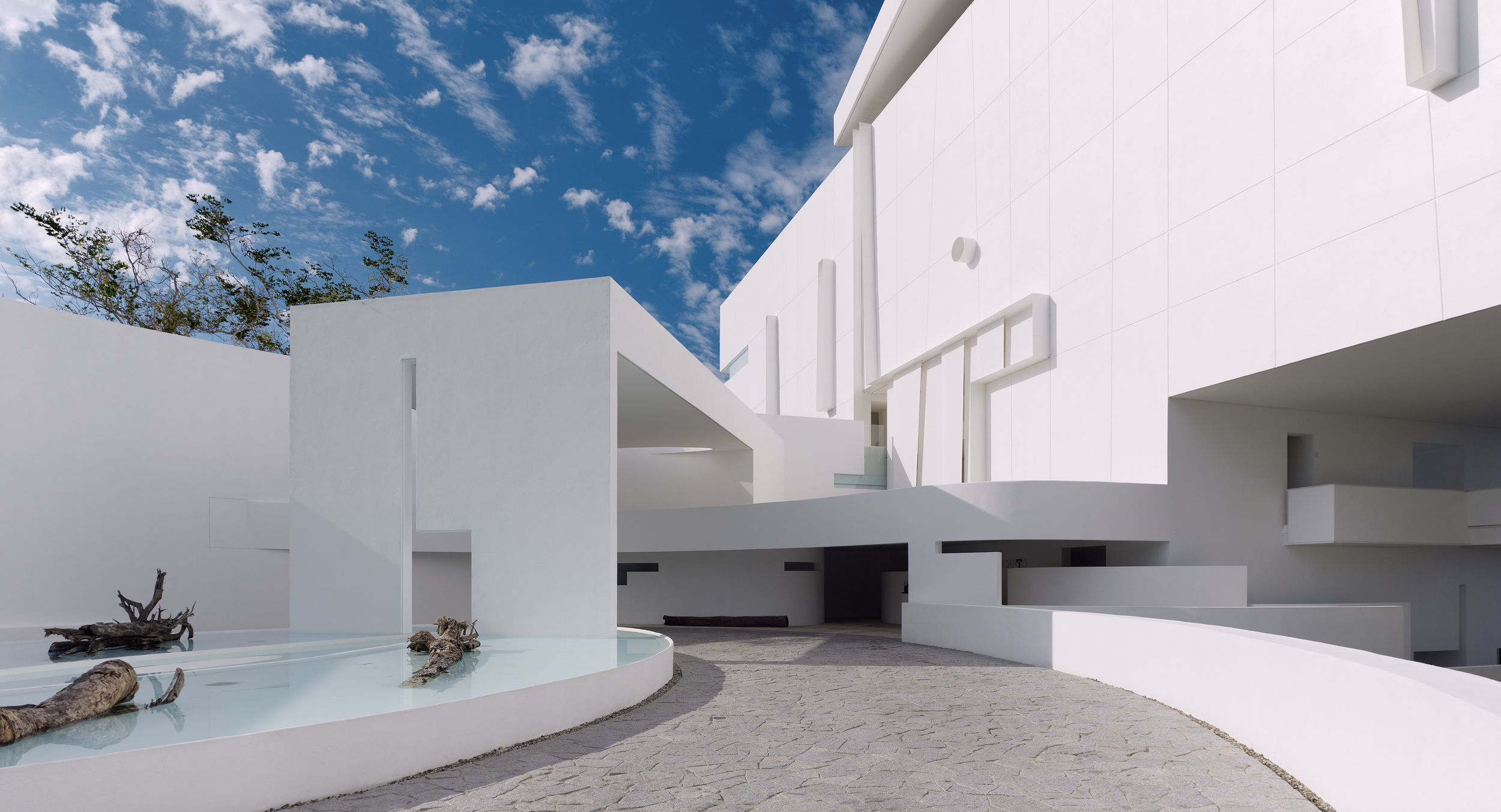
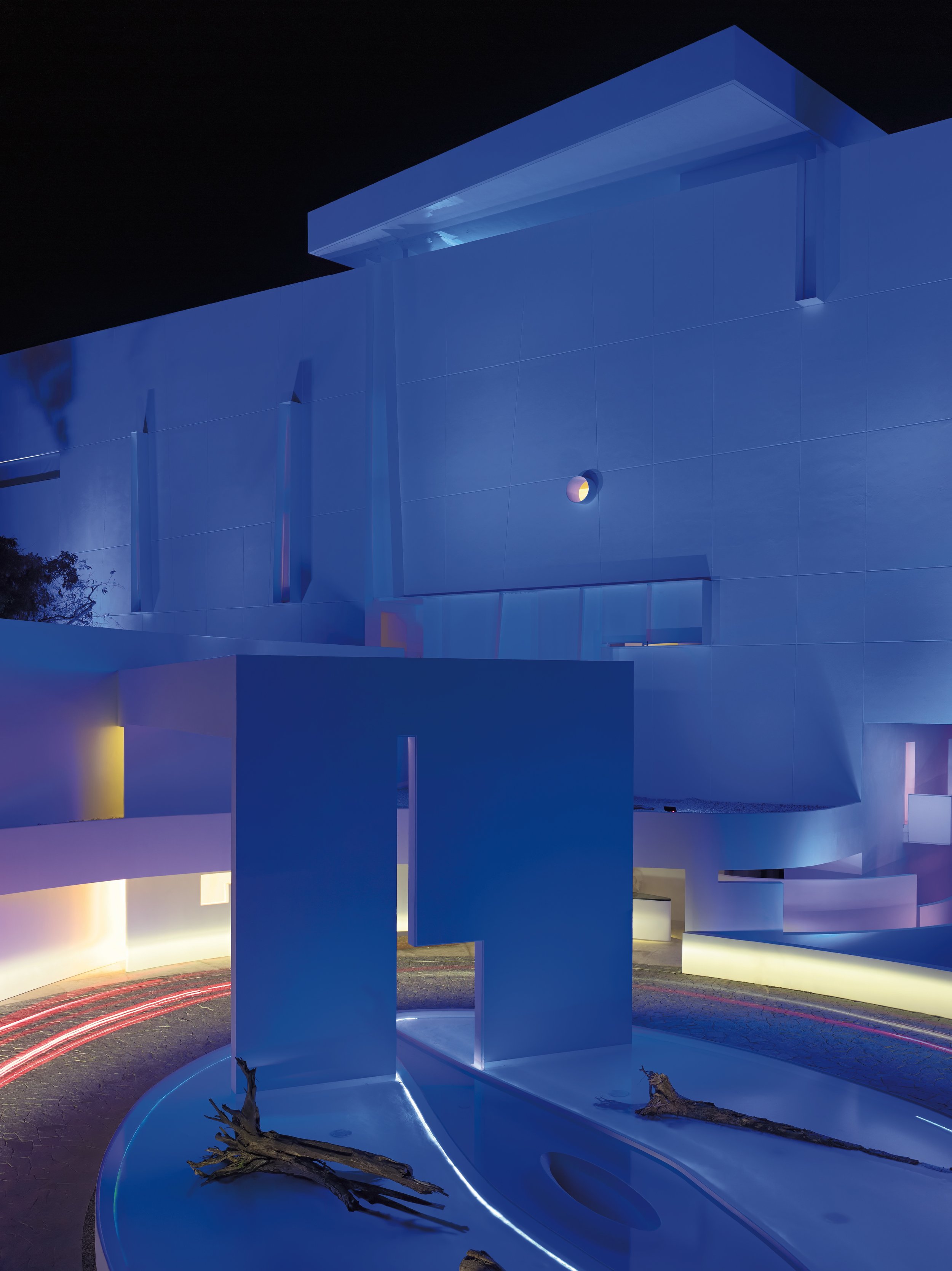
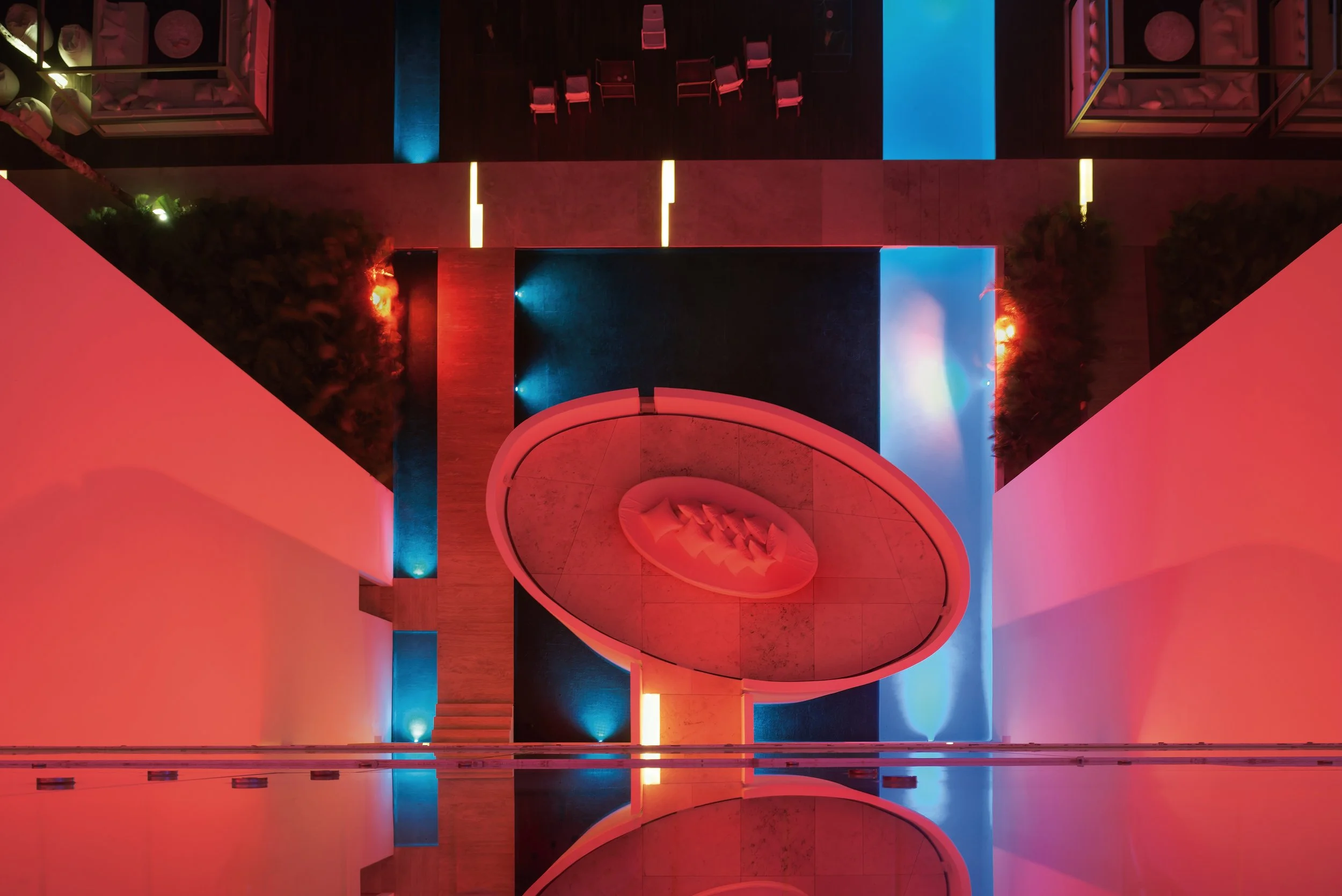
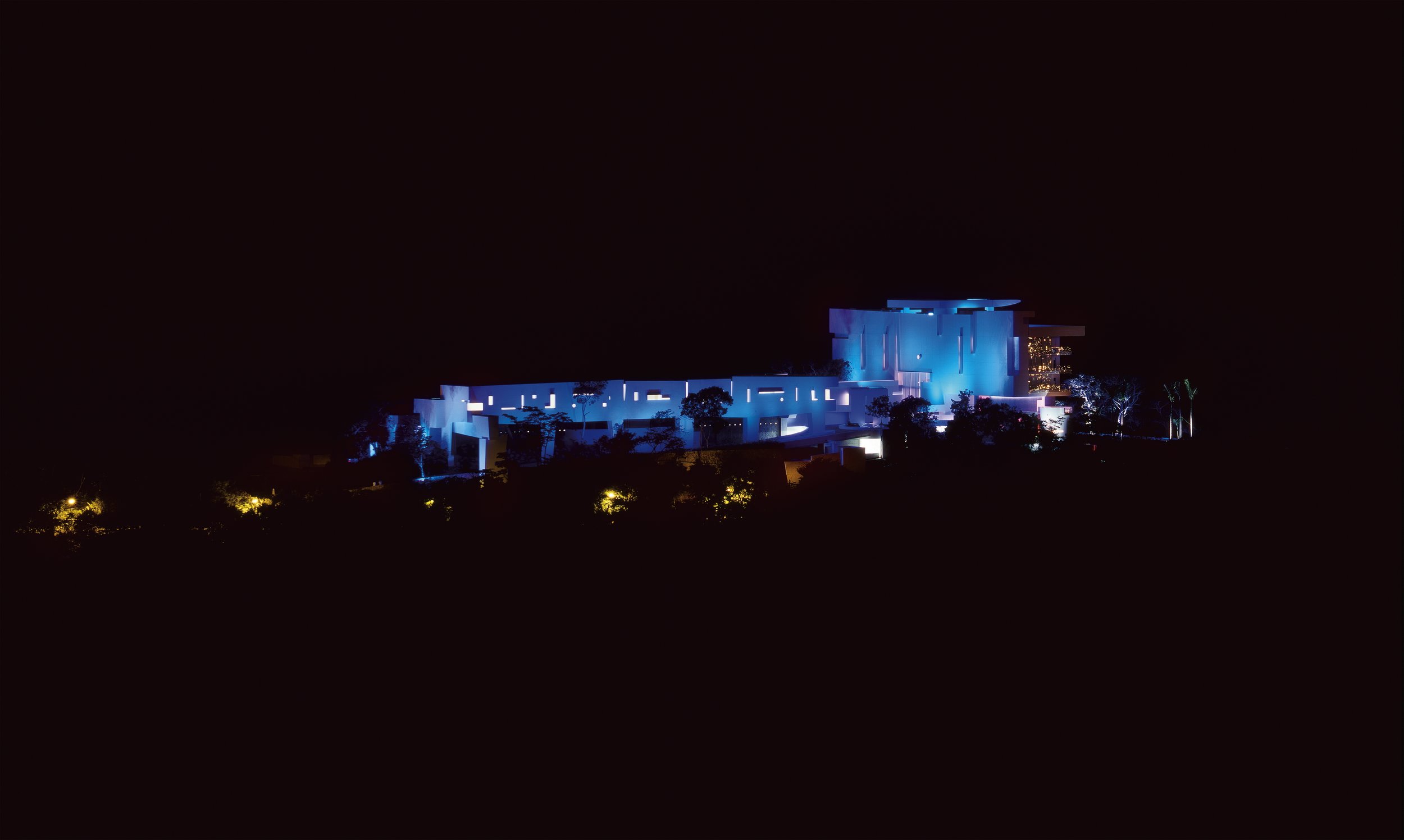
The physical side is measurable, while the subjective element takes charge of the spiritual, intangible side. Both have the same relevance and must be successfully harmonized." Perched on a green hilltop site, the building is white but again comes to life with lighting in a variety of saturated colors at night. Opaque surfaces are alternated with carefully designed openings. Curves and angled volumes contrast with a basic rectilinear geometry in the plans and elevations. It is evident even in
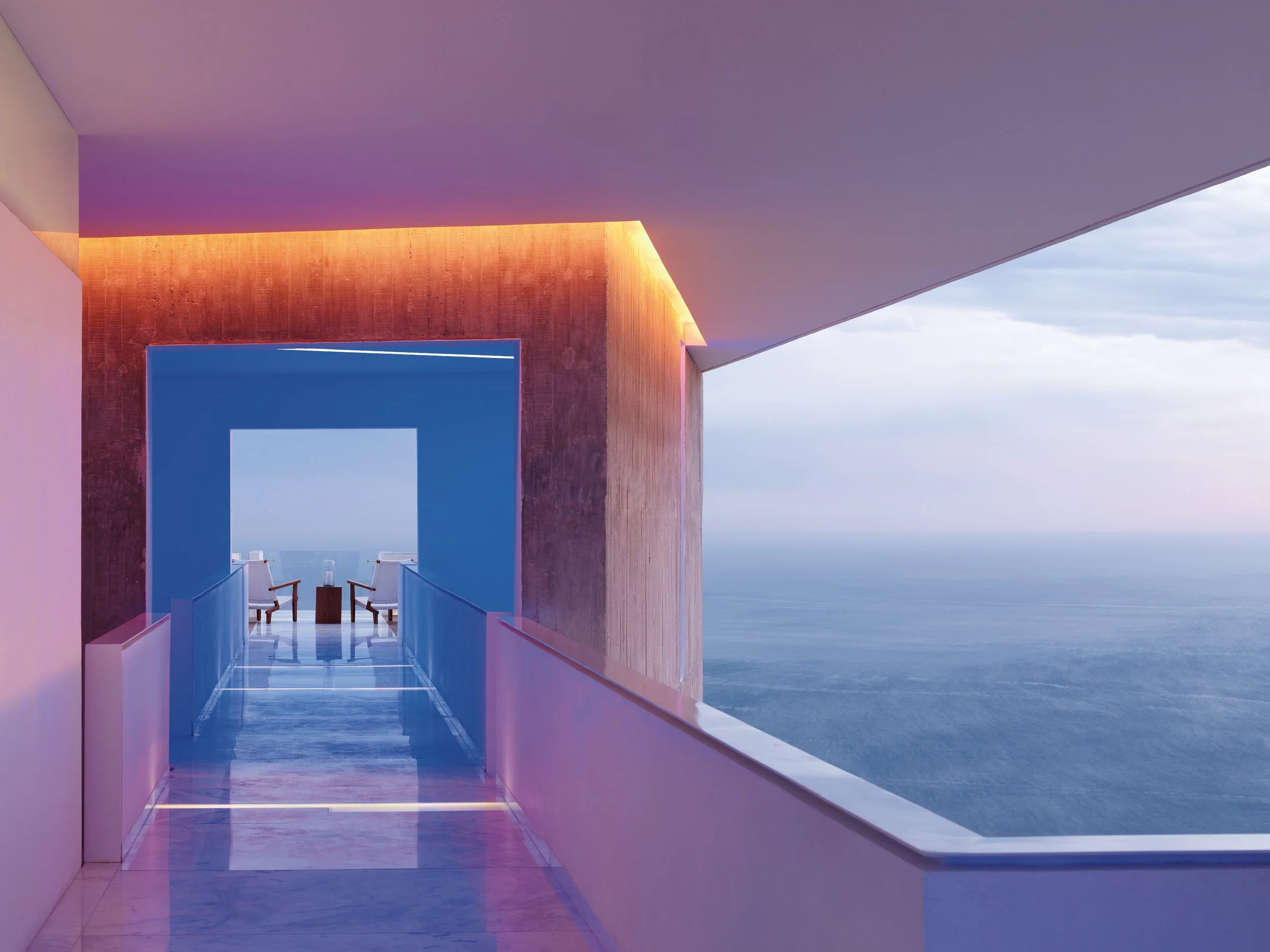
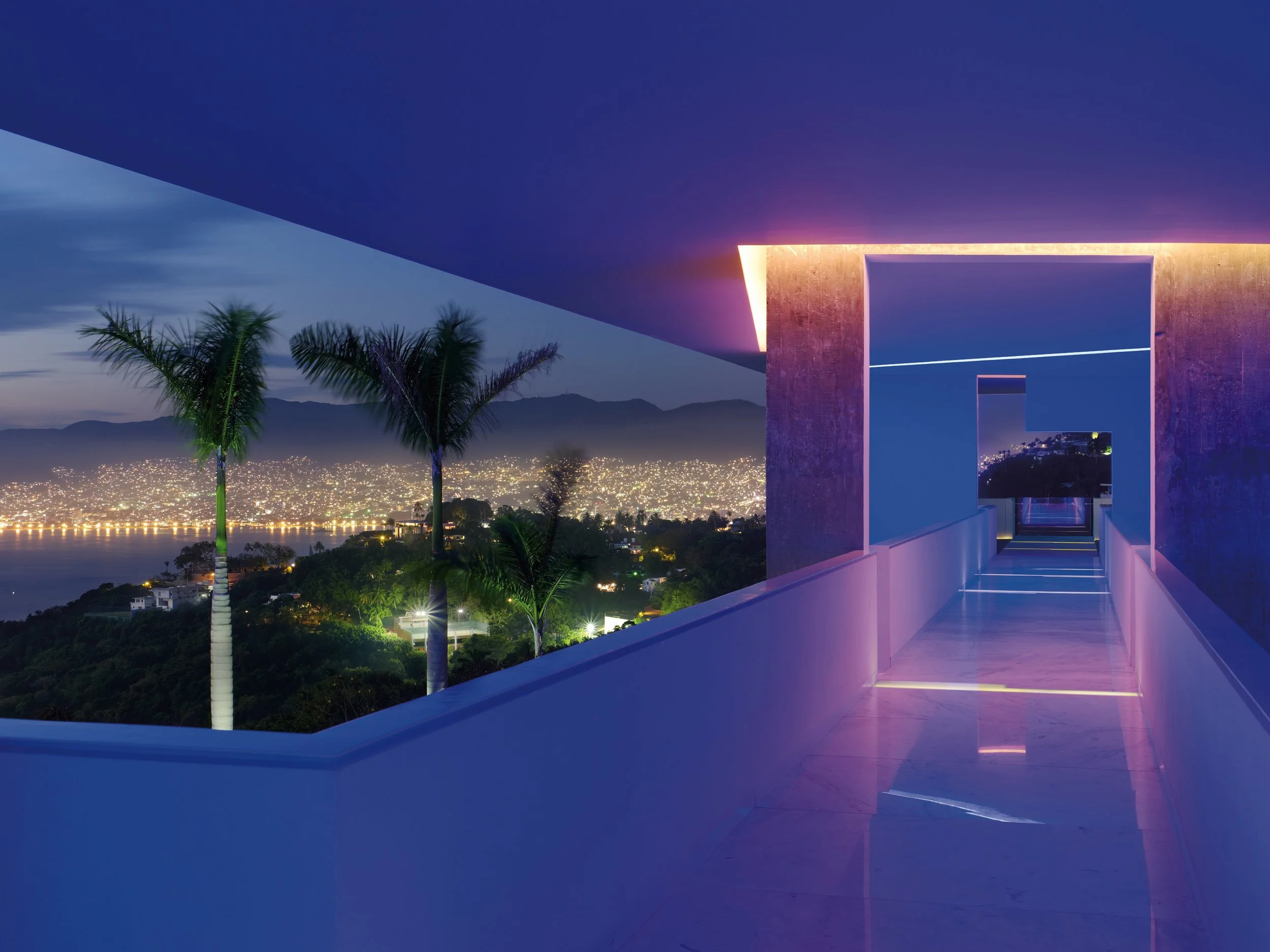
the spectacular nighttime images of this hotel that care has been taken to make the spaces fully usable, beyond their aesthetic appeal. Addressing this issue specifically in a very personal way, Aragonés says, "An architect who attends only to the emotional side makes his work into a kind of sculpture, something more akin to an artistic venture. It is very tempting for architects to feel as if we are artists, but we are in fact a hybrid that must be well grounded, that must take into account the specific needs of those who will inhabit the spaces we create. And by this I am referring to their spiritual, physical, and economic needs. Without these values, architecture is too easily diminished. Efficient use of materials, availing oneself of all the resources that belong to a construction — this is a quantifiable, objective side that we cannot lose sight of, no matter how creative or artistic we want our architecture to be."
PRoject DEtails
-
Miguel Angel Aragonés
-
Juan Carlos Vidaña, Jose Torres, Ricardo Diaz, Rafael Aragonés C.
-
Joe Fletcher, Nicola Lorusso
-
Michael Luppi
-
Acapulco, Guerrero, Mexico
-
13,000 M2