
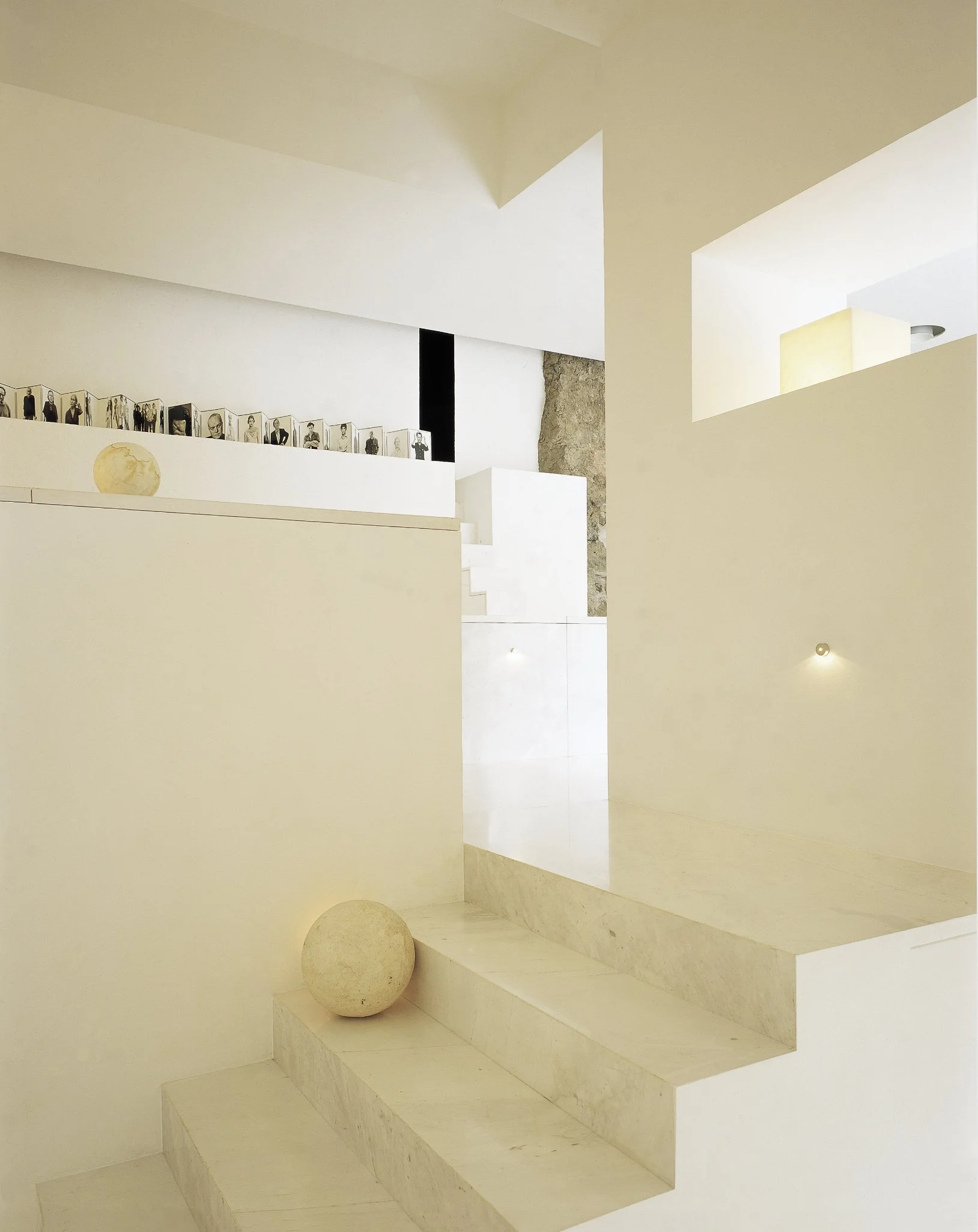
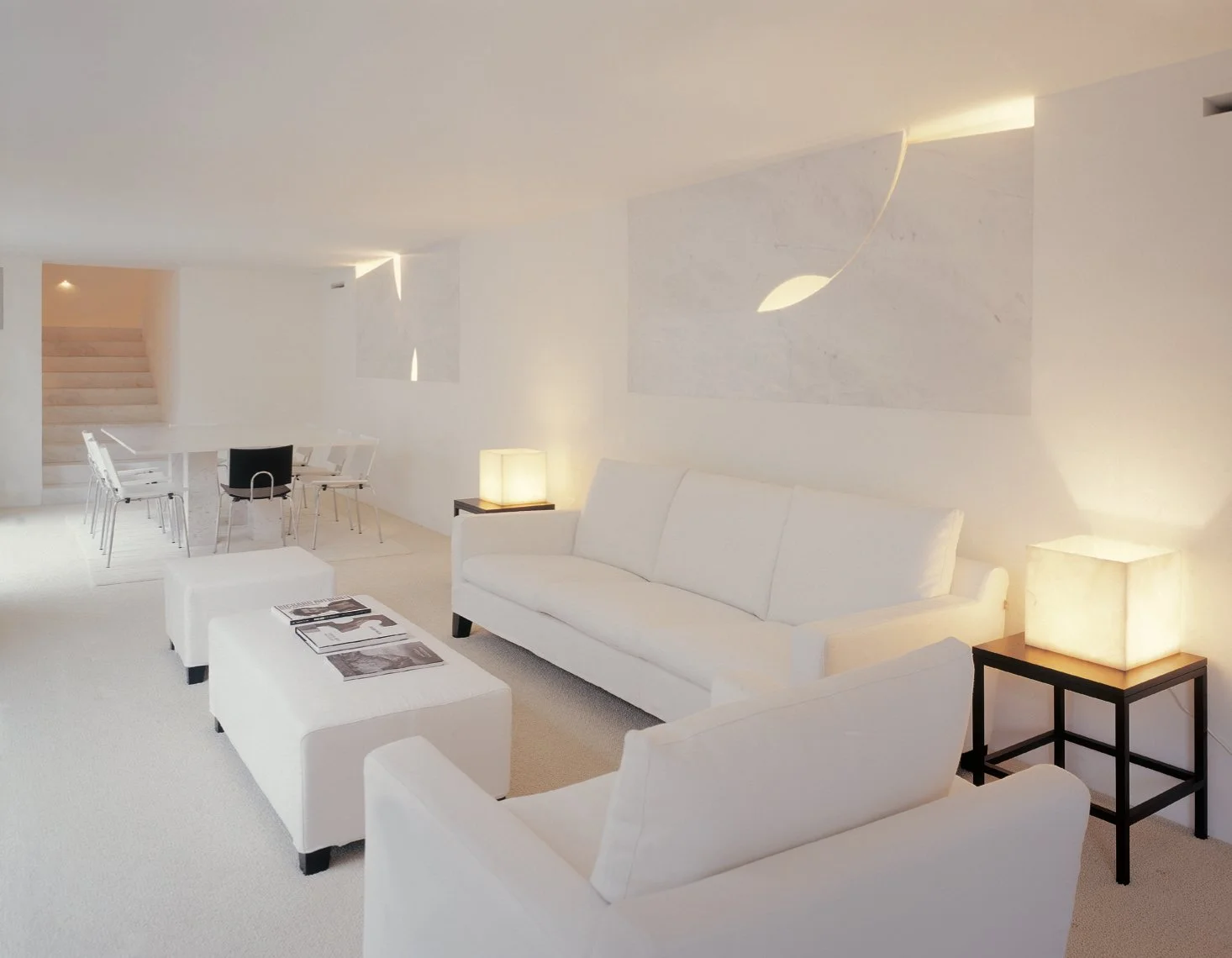
To make a blank space is to open the floodgates to reflection. An object overburdened with lines and forms is an invitation to read and process them, to become lost in them. A space with few elements invites you to read within, to think. The greatest challenge, not only for an architect but for anyone else as well, is to live on a par with his intentions; that is to say, by matching his work to his way of thinking. It seems to me that this is where ethics can produce a certain aesthetic, although it has nothing to do with moral judgment.
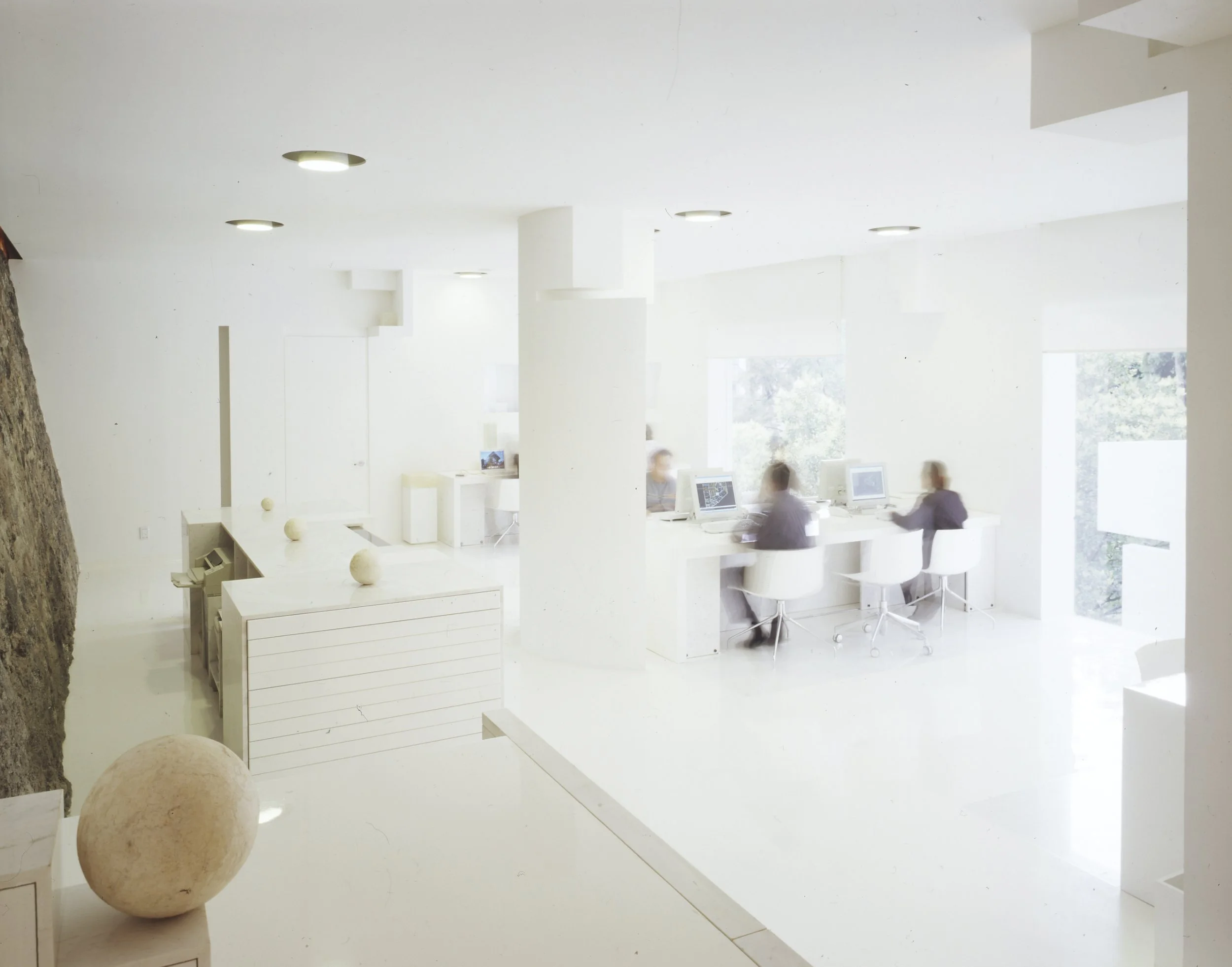
The studio is a place for work, for silence, designed for the creation of new spaces and ideas.
Our senses receive far too much information. The modern city resembles a visual and auditory battlefield. To arrive at your own space implies setting at ease not only your body, but also your mind. I intend for my work to help mediate between the information that mankind receives on a daily basis and that which we carry around in our minds. I believe the city has reached a point in which it loses us. That is why I facilitate encounters with ourselves.
Nicola LorussoPhotography
MAA Text
Studio
mexico city, mexico
2003
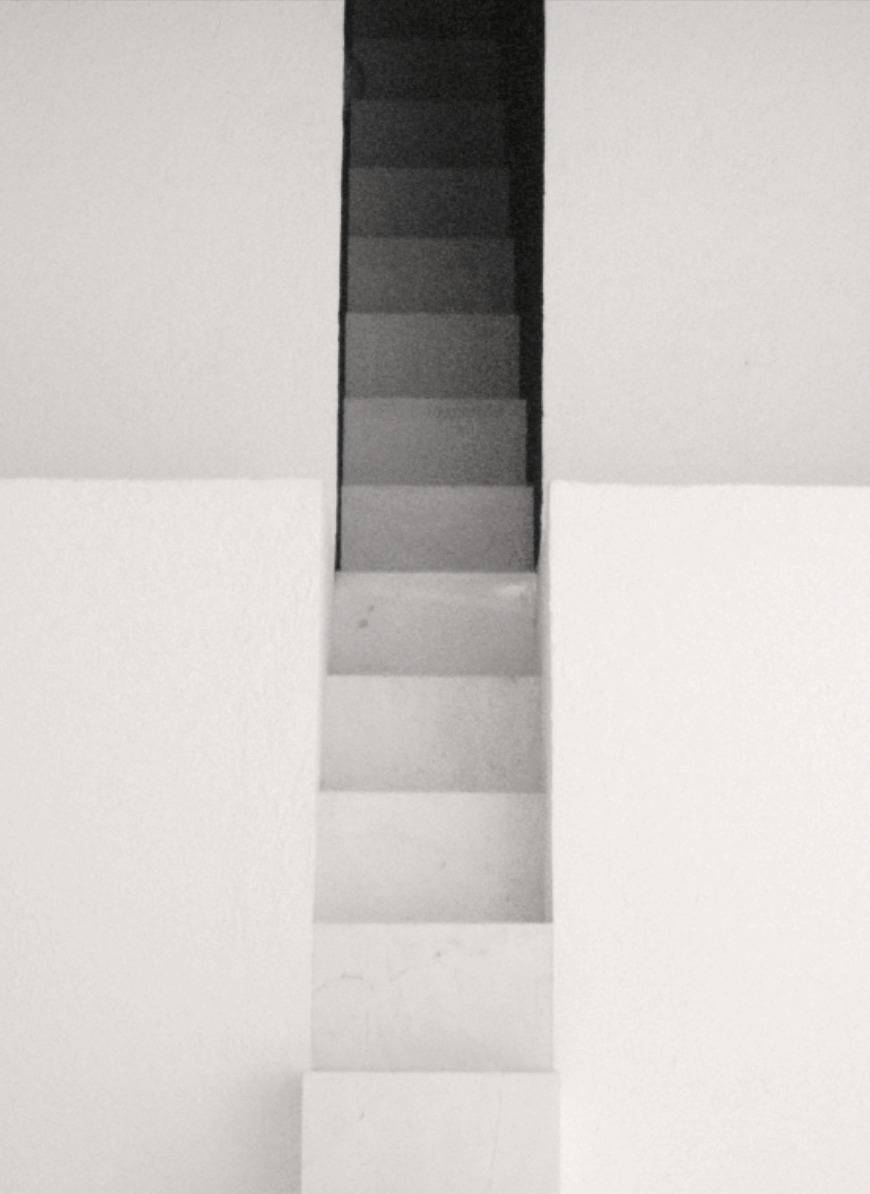
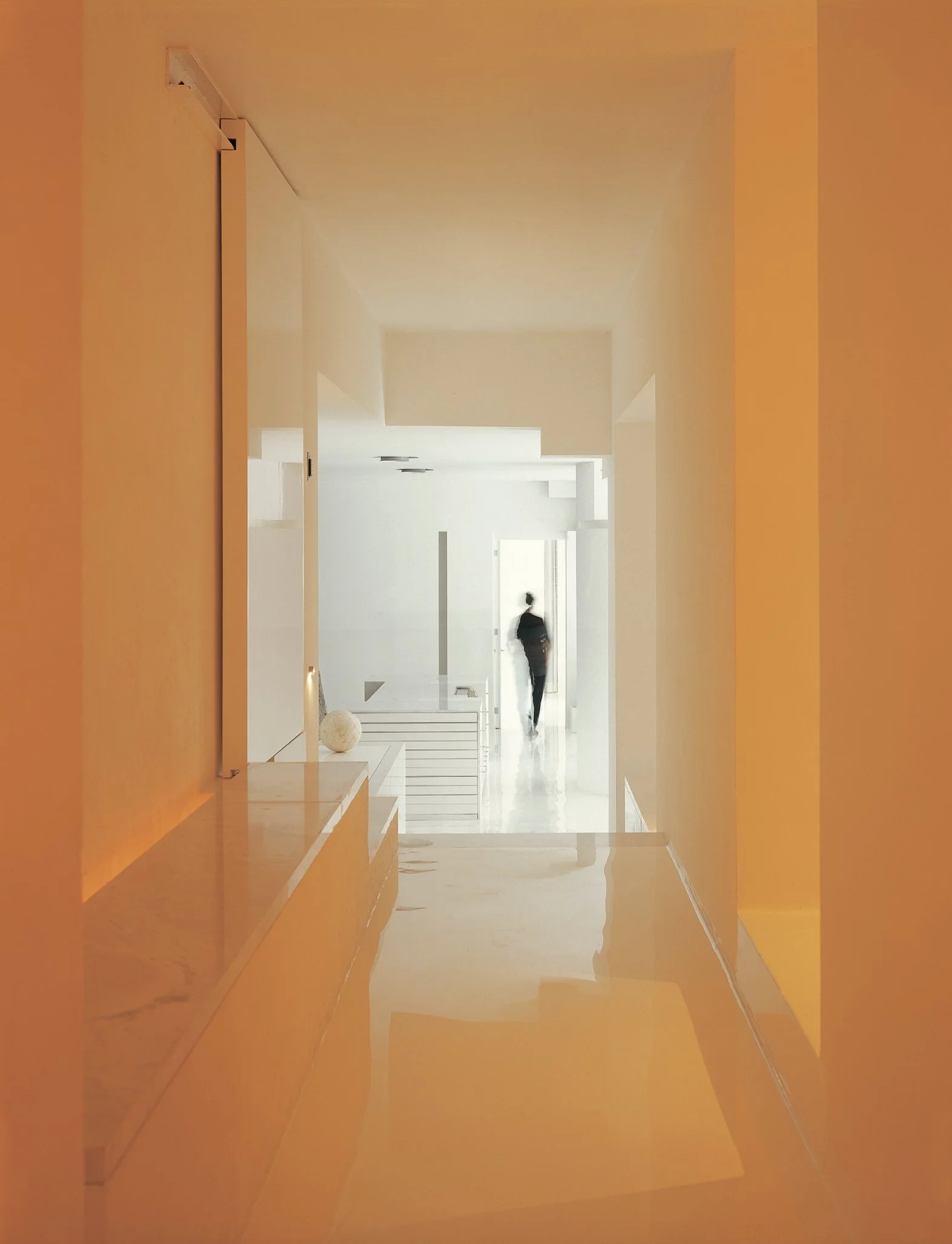
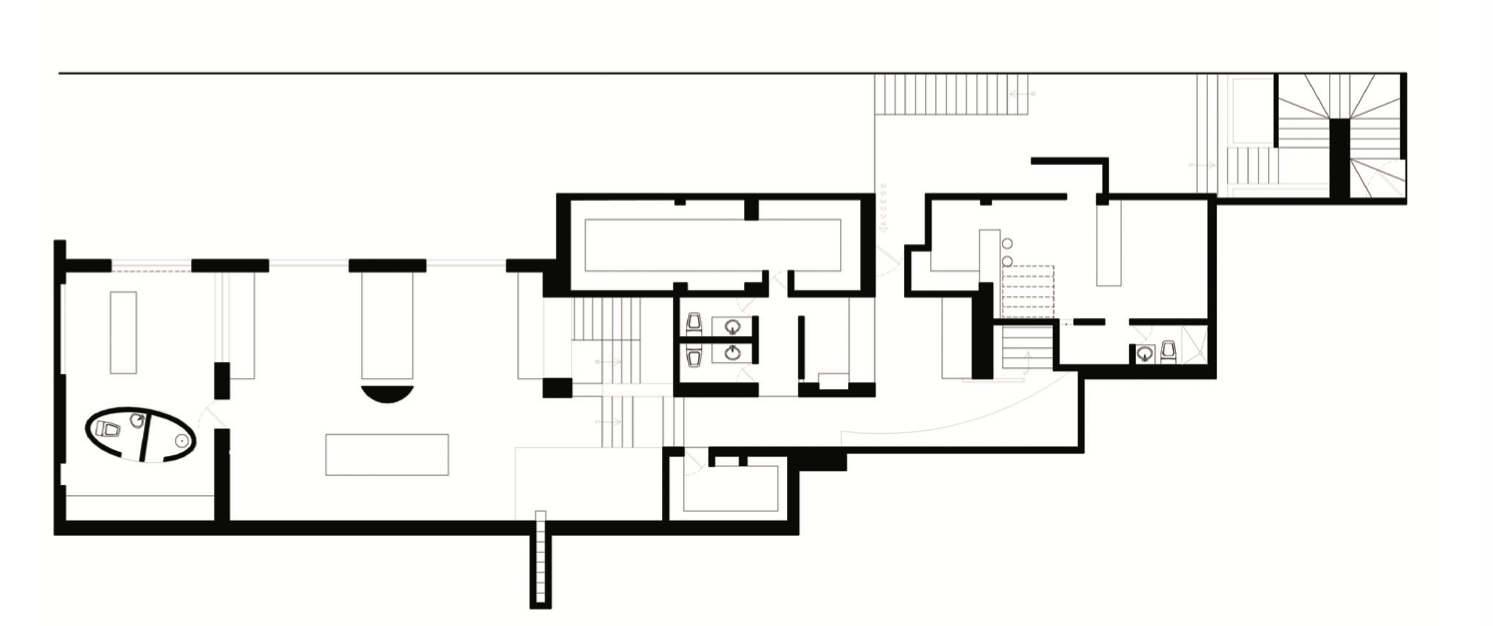
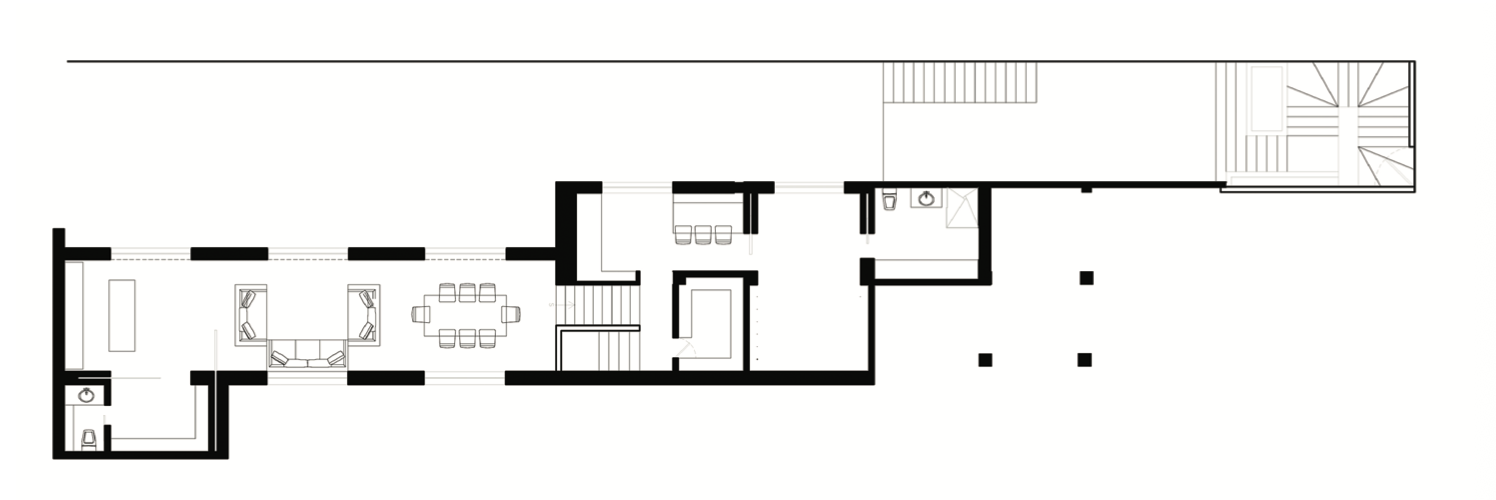
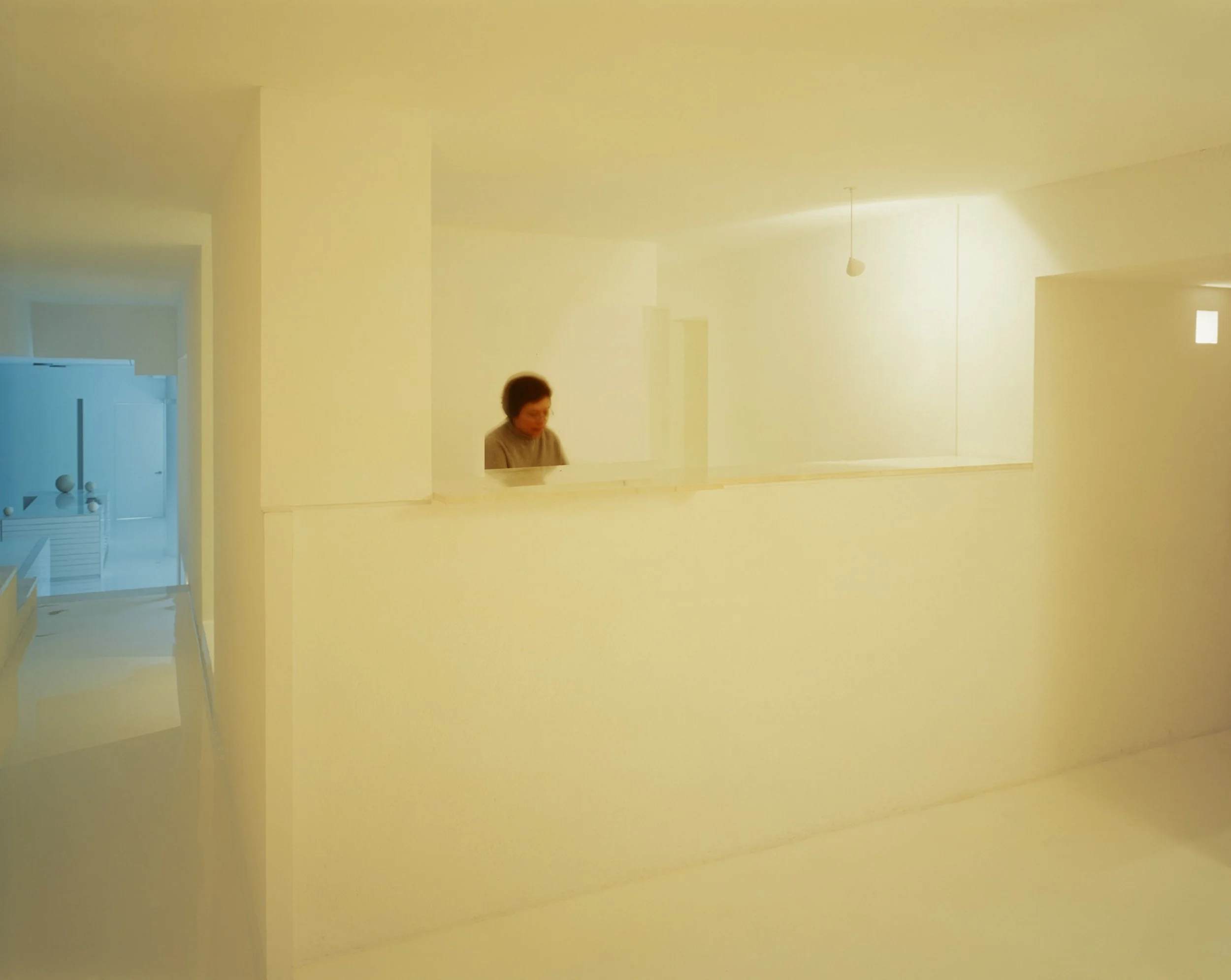
Today, Mexico City is governed by chaos and a lack of structure. I concur with Teodoro González de León when he states that contemporary city architecture resists order. Today, it is up to architects to build isolated works with their own identities. That is the modern city we are meant to live in.
We live in an era of grandiloquence, over-saturation, grandiose productions, vast and sumptuous works representing multiple human manifestations. That is why today more than ever, I aspire to simplicity, to the economization of elements, to purification.
With music, for example, no more elements are needed than a player who makes the crucial notes audible, the exact dosage of sounds, and someone ready to receive them; a piano, a cello, the sounds required to create intimacy with anyone willing to listen.
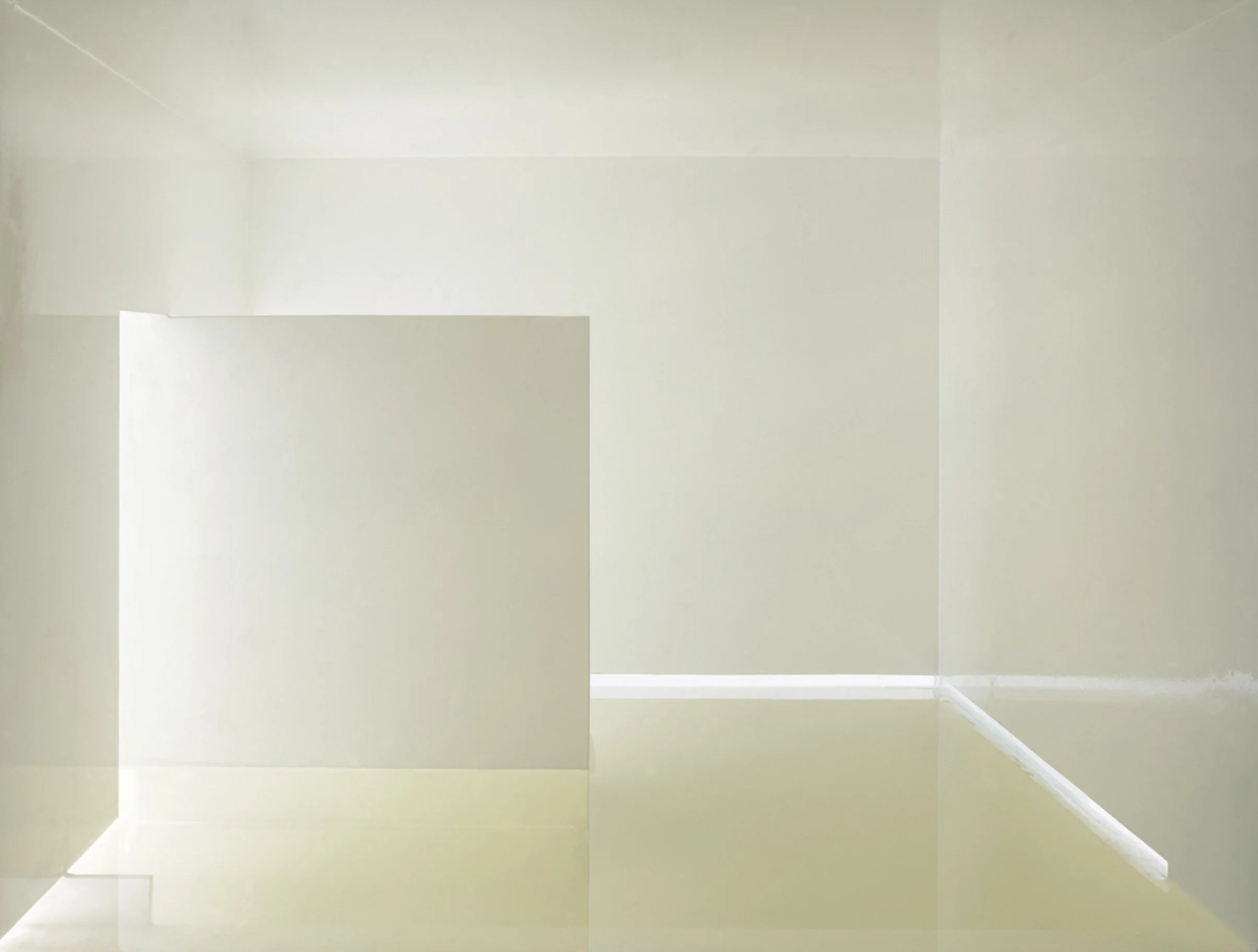
"Music invents silence, architecture invents space," reads a verse by Octavio Paz. When I read it, it seemed to me a very accurate and precise synthesis, and I stopped to think about how music and architecture build an atmosphere in a similar fashion, through rhythms and contrasts; how they share ways of recreating sentiments, of caressing or violating them.
In architecture, a dark place ennobles light, a tiny space lends meaning to width, a color seeks its complement, and an area recreates a beautiful dialogue.
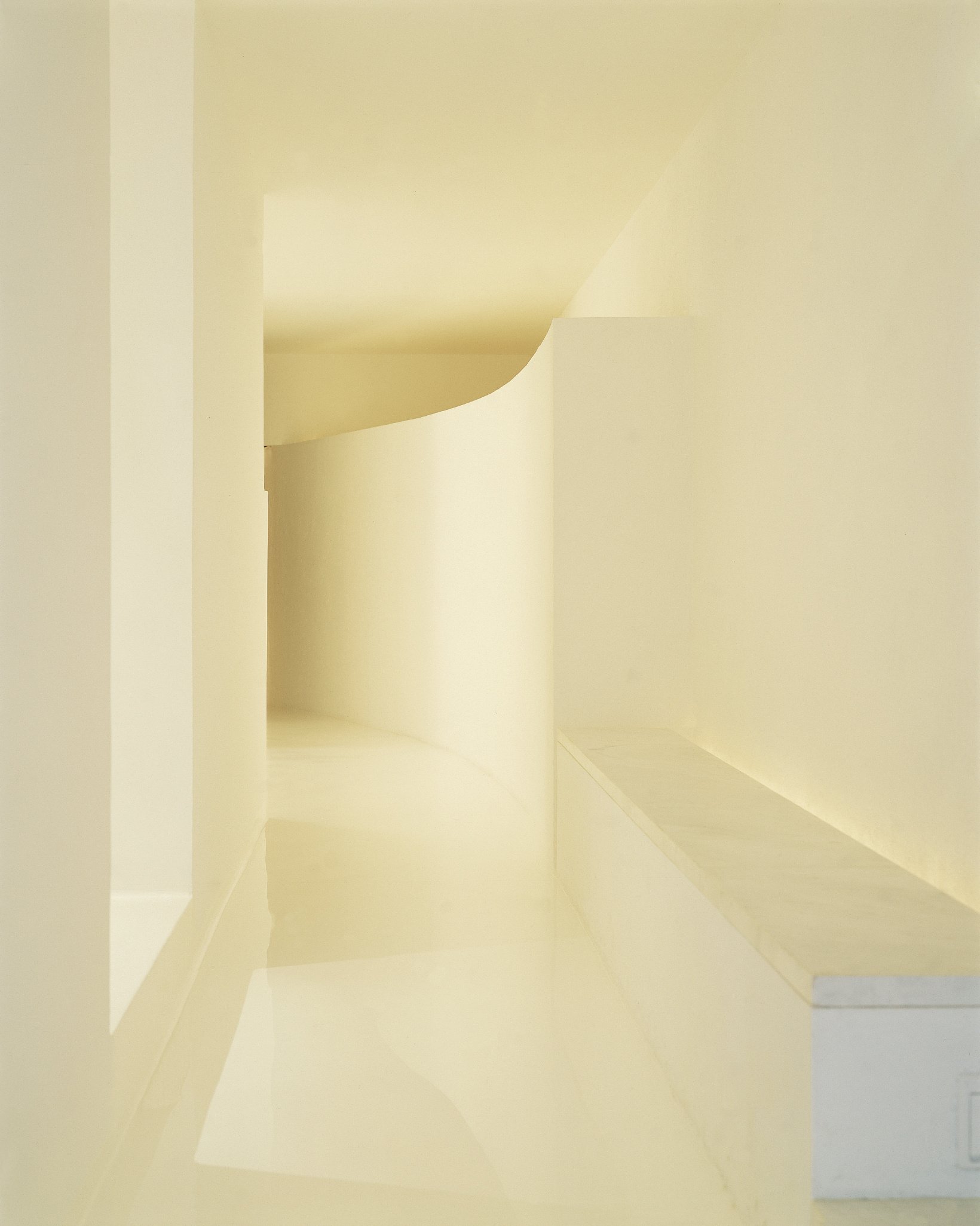
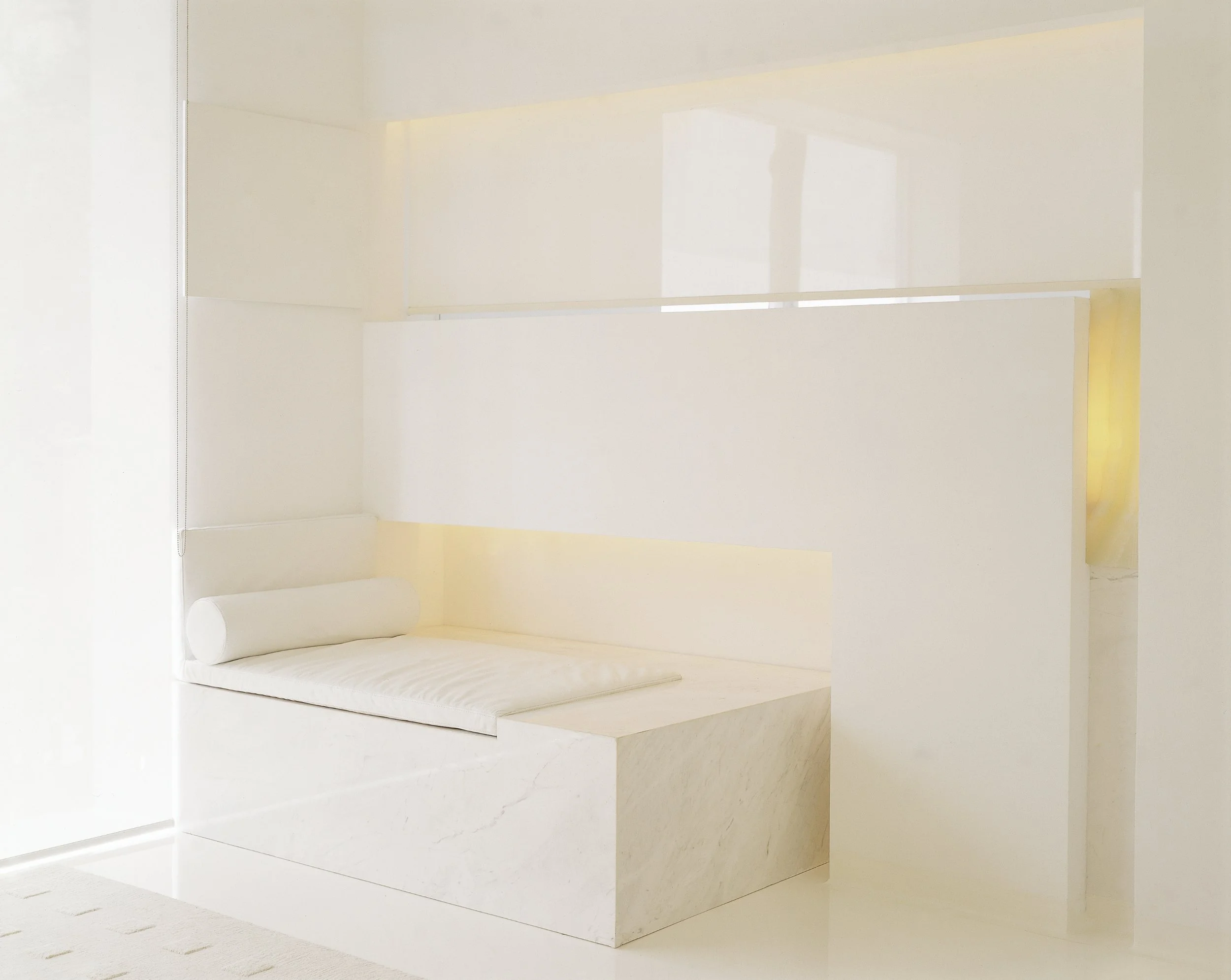
To make a blank, white space is to open the doors to thought and reflection. An object laden with lines and forms is an invitation to read and to process them. A space with few elements invites us to read deeper, to think. The greatest challenge — not only for an architect but also for any of us — is to live on par with our intentions, above all bringing our work into harmony with our way of thinking. I believe that's the moment when ethics produces aesthetics. This studio is designed for the diffusion of space and ideas.
PRoject DEtails
-
Miguel Angel Aragonés
-
Georgina Amador, Juan C. Leon, Juan Carlos Calanchini, Gabriel Villalobos
-
Nicola Lorusso
-
Xawery Wolski
-
Mexico city, Mexico
-
1,102 M2