
Espacio
Tita
mexico city, mexico
1999
In recent years, as Director of one of Mexico’s leading schools of architecture, I have had time for ample reflection on what architecture is and what it ought to be. I have had the opportunity to hear various definitions of the term, almost all from a purely academic perspective permeated with a rhetoric that does little to clarify the essence and the foundations of our discipline.
I have seen and sought out constructions that have helped me gain a fuller understanding of its essence, and in many cases I have found the same hollow rhetoric devoid of content, striving to resemble the architectural production of others. In my untiring search for a flash of motivation to shed light on these reflections, in Miguel Ángel Aragonés I have found something that he constantly seeks and that strikes me as an essential part of creating spaces: “imbuing man and his surroundings with dignity.” Throughout history, we can single out great architecture based on this premise, for it is here that the arts converge as the fundamental element used to enrich the lives of the persons who inhabit the spaces architects create, something Aragonés has displayed in a career spanning 23 years.
The works are truly remarkable in their spatial quality. In them, we can appreciate the architect’s virtually seamless use of materials with great sobriety, as they do not aspire to dominate a given space, but rather they are bent to the architect’s will to create spatial effects bringing man closer to himself and to the world around him.
Nicola Lorusso Photography
Carlos Ruiz De Chavez Text
The works are truly remarkable in their spatial quality. In them, we can appreciate the architect’s virtually seamless use of materials with great sobriety, as they do not aspire to dominate a given space, but rather they are bent to the architect’s will to create spatial effects bringing man closer to himself and to the world around him.
The handling of light in Aragonés’s work makes it colorful and the resulting color in turn lends recurrent variety to his artwork. In this sense, his architecture expresses, his architecture speaks, his architecture sings. Thus, we might say that Miguel Ángel Aragonés is an architect quintessential because architecture is his essence; he loves architecture, and lives for it.
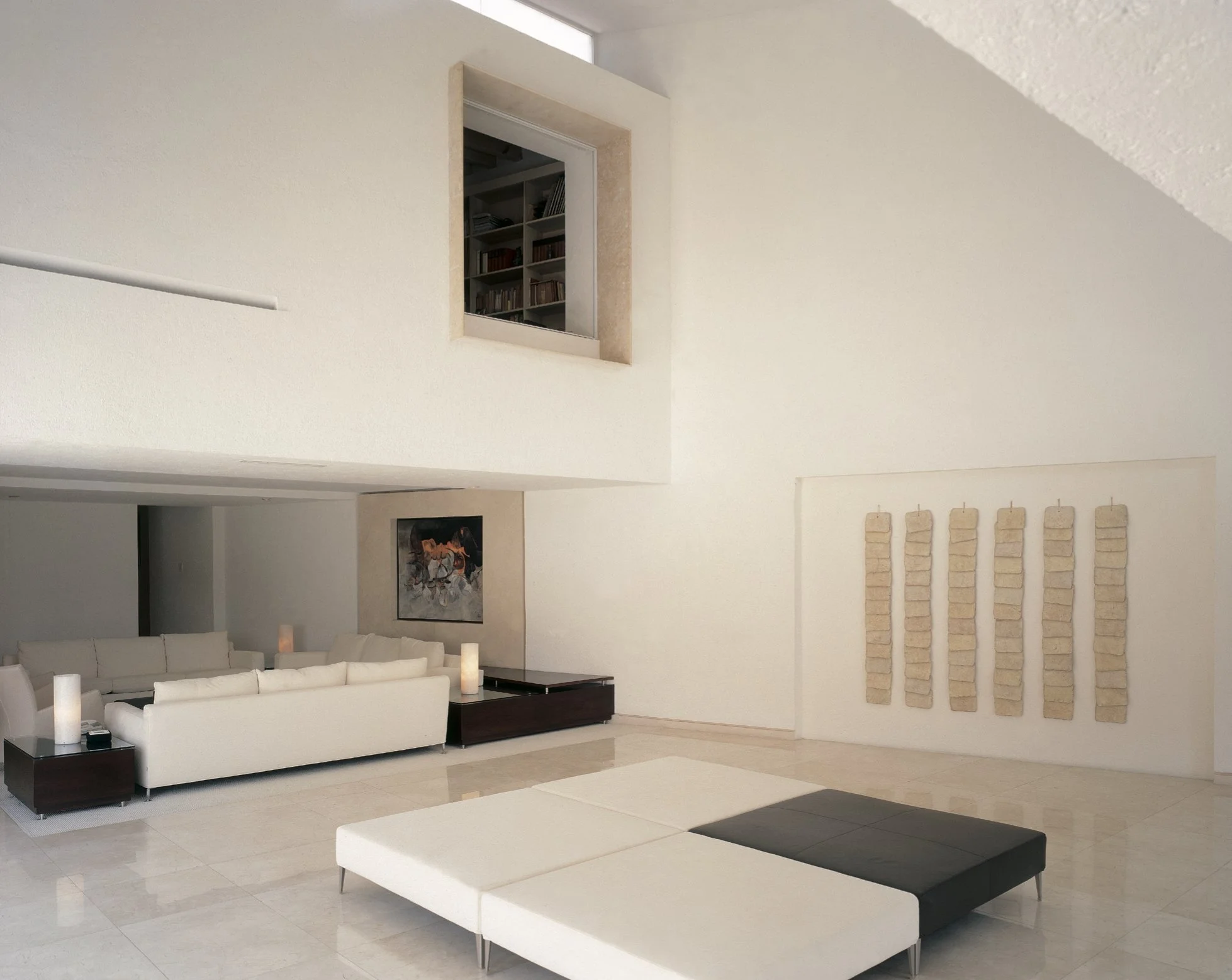
In my view, Miguel Ángel’s most outstanding quality is his human side, which makes him an architect who expresses his unique sensitivity to man’s spiritual needs by creating spaces that give dignity to our everyday life.
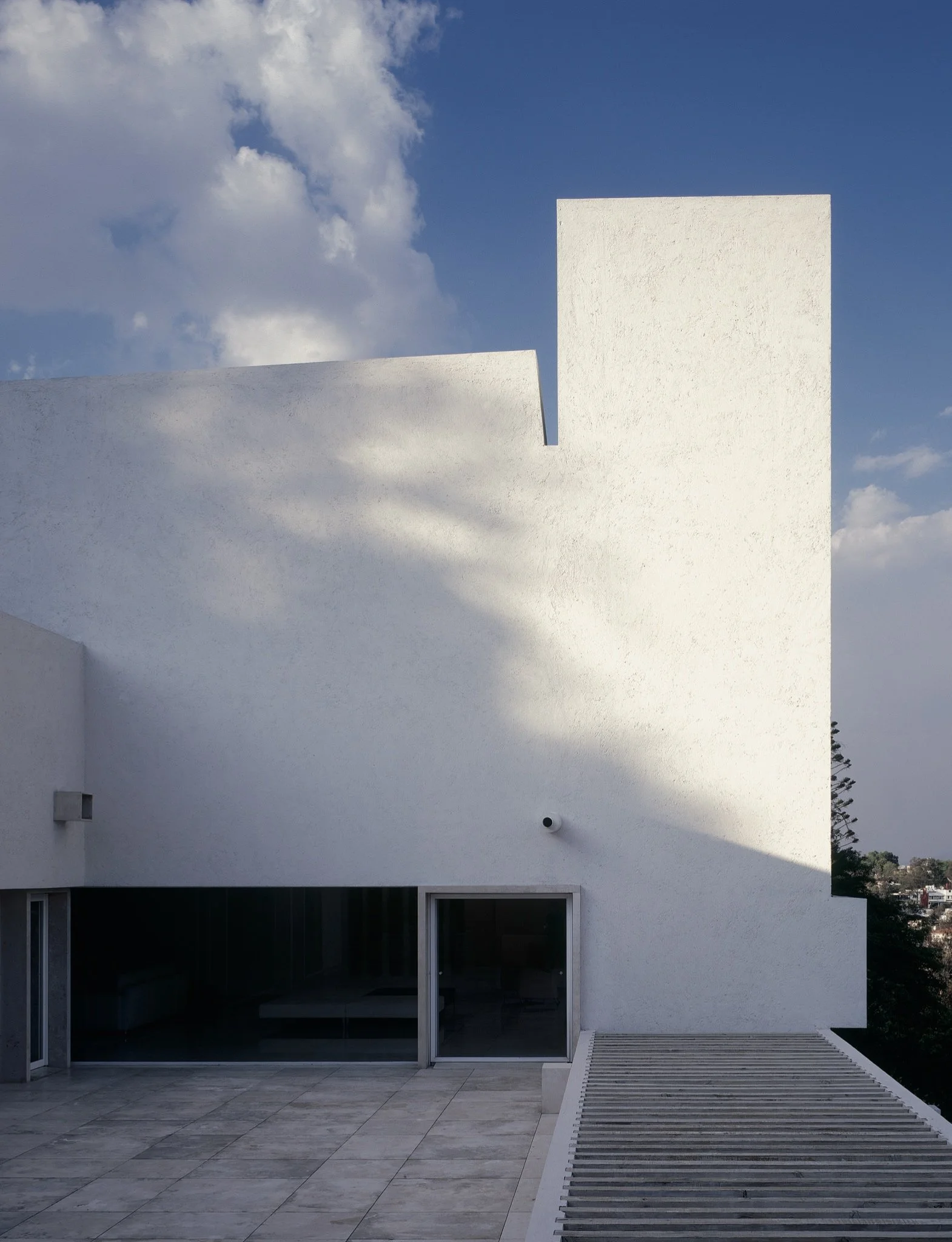
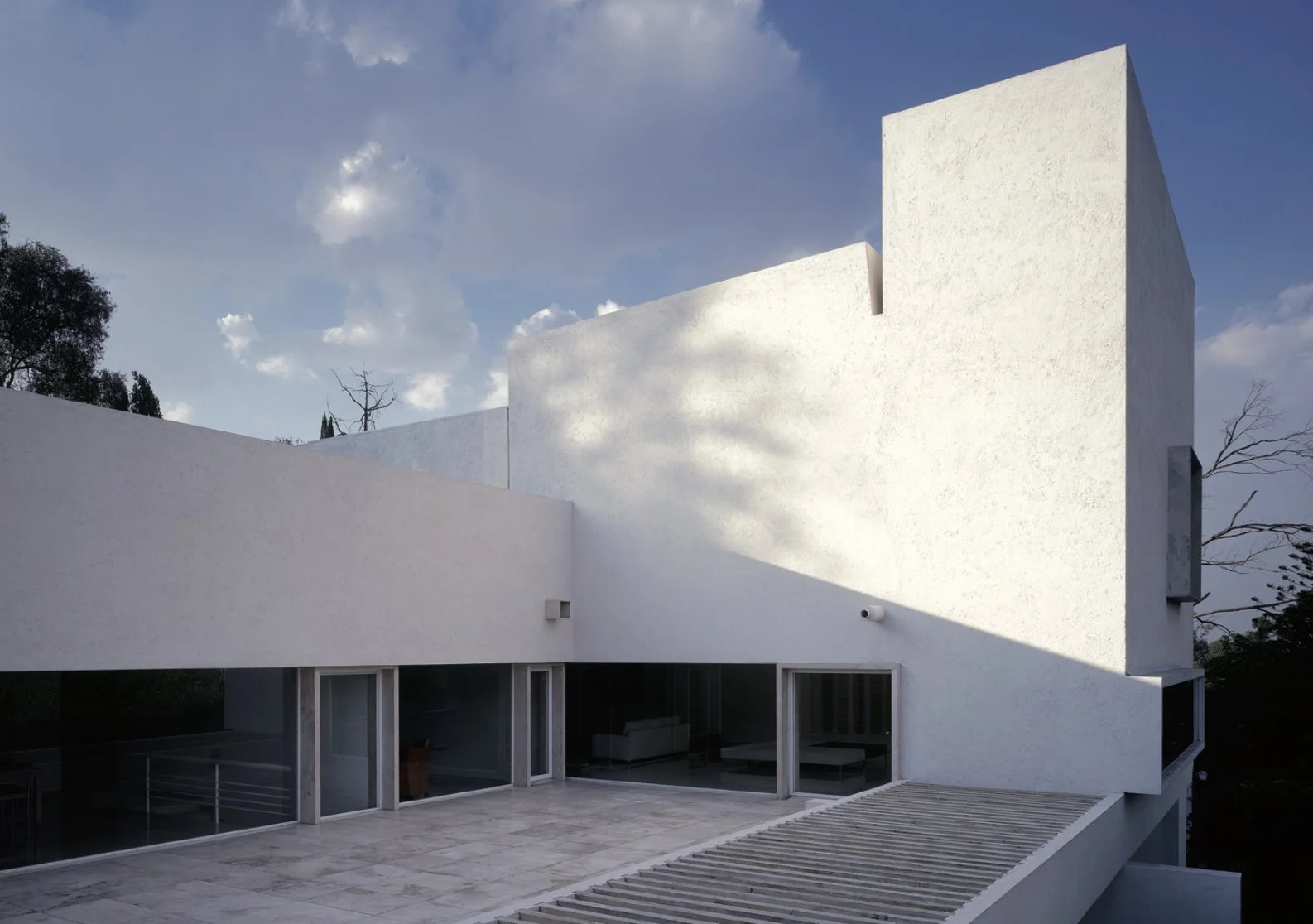
The complexity derived from building on a pre-existing work was no limitation for Miguel Ángel Aragonés in his creative endeavor to place his personal mark on this house, with an architectural language encompassing natural light, color, and varying textures, characteristic of all his work, producing an expressive structure, brimming with emotions.
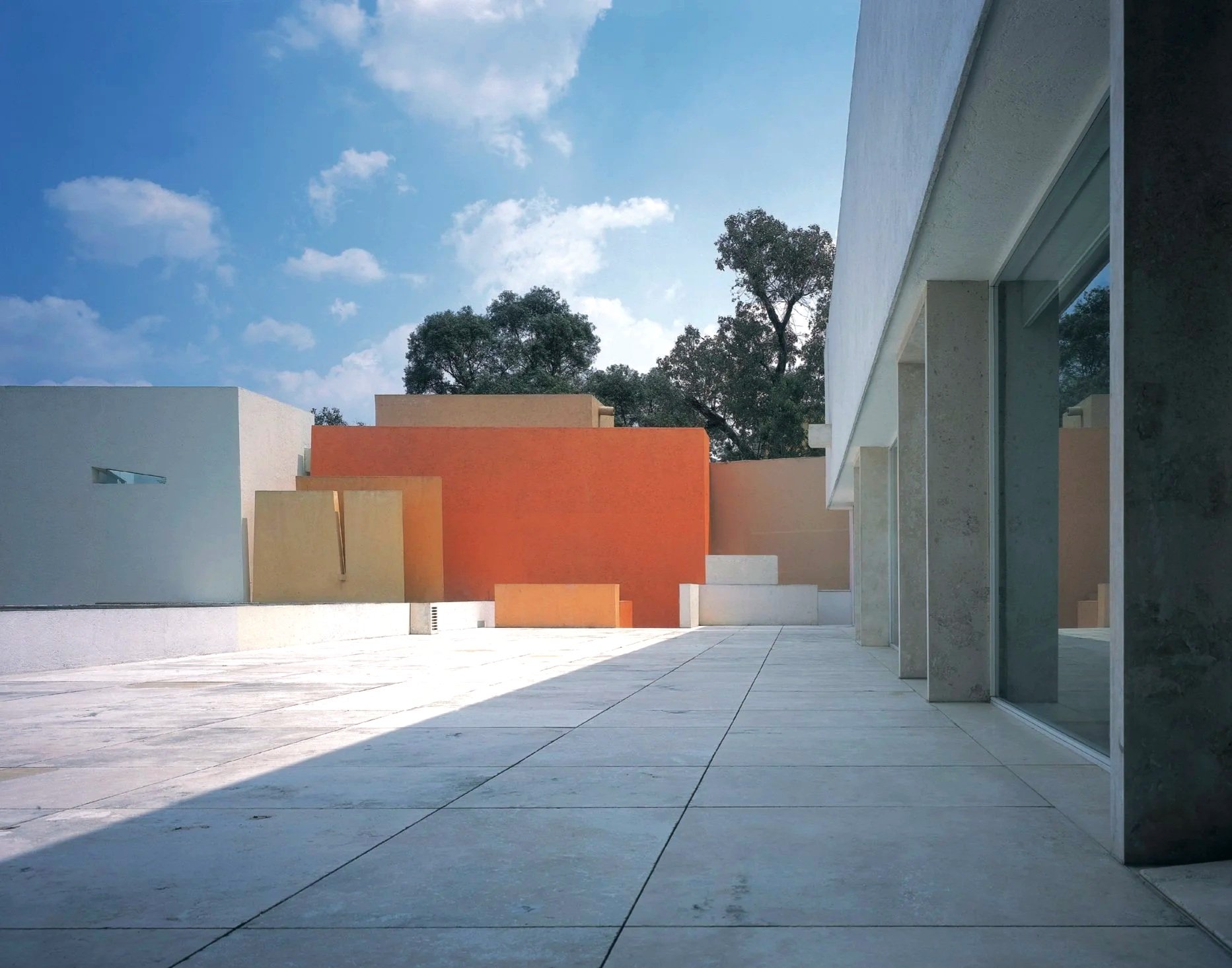
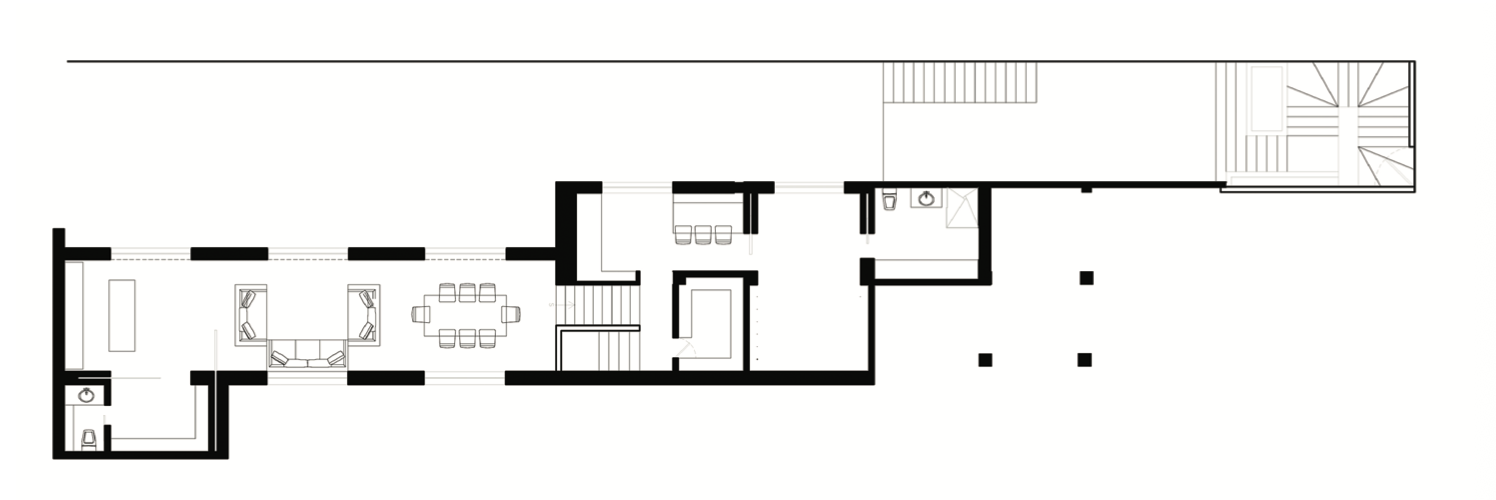
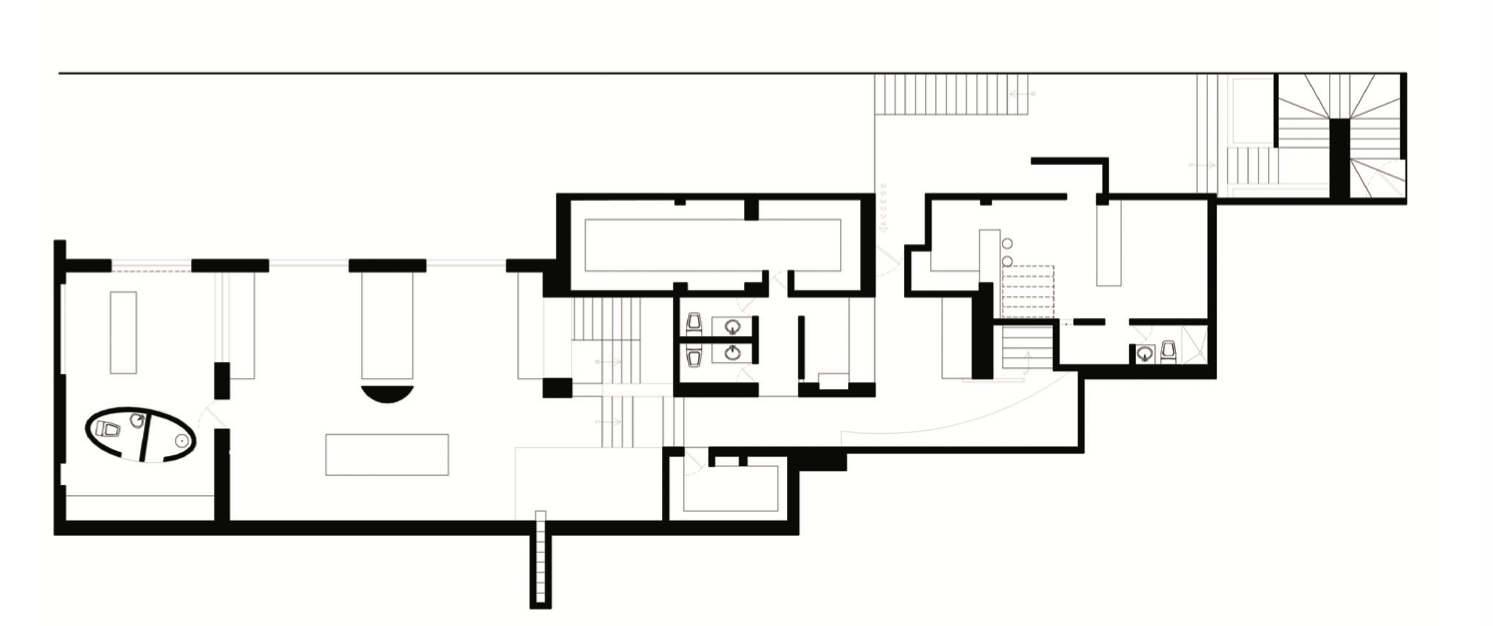
Based on a totally new proposal to enlarge the areas corresponding to the central living space, terrace, and master bedroom, from the outset Aragonés sought to take advantage of all the existing structural elements to generate a new spatial meaning.
Needless to say, the constraints imposed by preexisting factors made the project a formidable challenge to overcome, and according to the architect himself, its successful completion was possible only through a joint effort with the clients and a detailed analysis of both programmatic and contextual factors conditioning the project.
The volumes of this construction make way for massive facades combining with ample openings, in a horizontal scheme, which visually connect spaces with the exterior from the very heart of the house, in an intimate atmosphere of white walls and polished marble floors, as though enveloped in a transparent glow.
PRoject DEtails
-
Miguel Angel Aragonés
-
Georgina Amador, Juan C. Leon, Juan Carlos Calanchini, Gabriel Villalobos
-
Nicola Lorusso
-
Xawery Wolski
-
Mexico city, Mexico
-
1,102 M2