
I remember that when i was invited to join a group of architects who would develop a project of 700 condominiums and houses — an urban complex to be housed on 22 hectares, part of an unusual territorial reserve in the Pedregal, south of Mexico City — I had before me a series of ceramic pieces by Gustavo Pérez: a set of vessels that transformed, step by step, from cylinder to pyramid. Each piece contained a phrase, a message, and conveyed a certain personality, a certain independence. Yet each one held meaning in relation to the rest of the group and formed part of a total idea. From this I reflected, and came to think that this is how a city ought to be.
The initial concept had as its starting point an ensemble — a metamorphosis — in which each architect would propose a building that would enter into a kind of dialogue with the previous one; each would imprint a distinctive personality on their work, always responding to what came before. In this way a sequence would take shape: a volume, a body, that would serve as the point of departure for the next.
Nicola Lorusso Photography
MAA Text
PEDREGAL
mexico city, mexico
2005
Every architect dreams of building a city, just as a city would never dream of being made by a single architect. Fortunately, the development in the Pedregal involved several architects from different countries — Spanish, Portuguese, and Mexican — who would seek to break the customary homogeneity of large-scale developments. Martín Gutiérrez, Aires Mateus, Juan Herreros, Iñaqui Ávalos, Rafael Otero and I, led by Iván Vela, were to be the architects charged with bringing this project to life.
I have little faith in large-scale projects, but when this one emerged it seemed viable. Moreover, it represented an opportunity to undertake a personal exercise rooted in the collective — designed to build a small city from the ground up.
This project proved not only challenging, but one of the most dynamic and exciting stages of my professional life. Time and reality wore down that excitement, as the work was never completed.
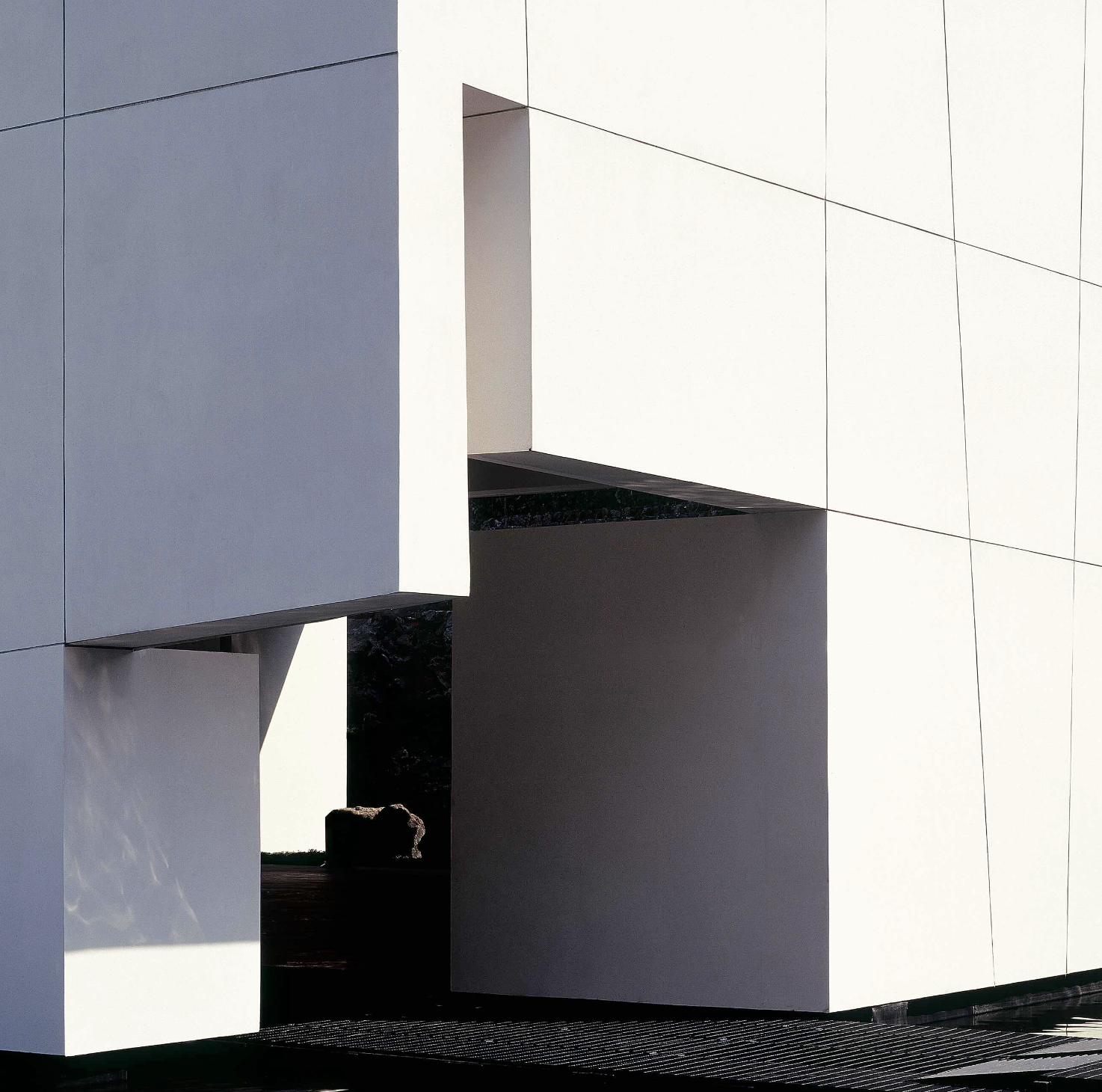
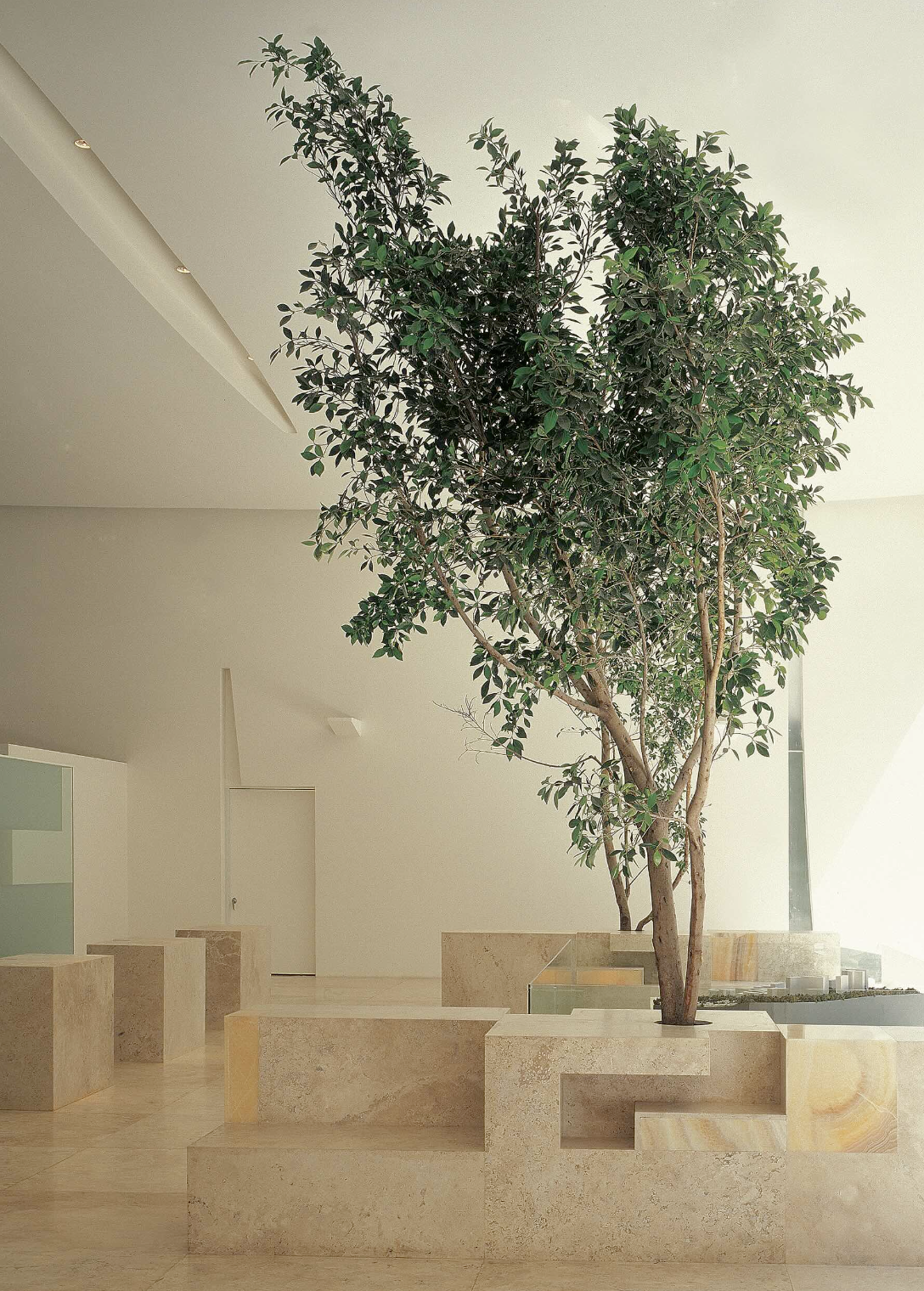
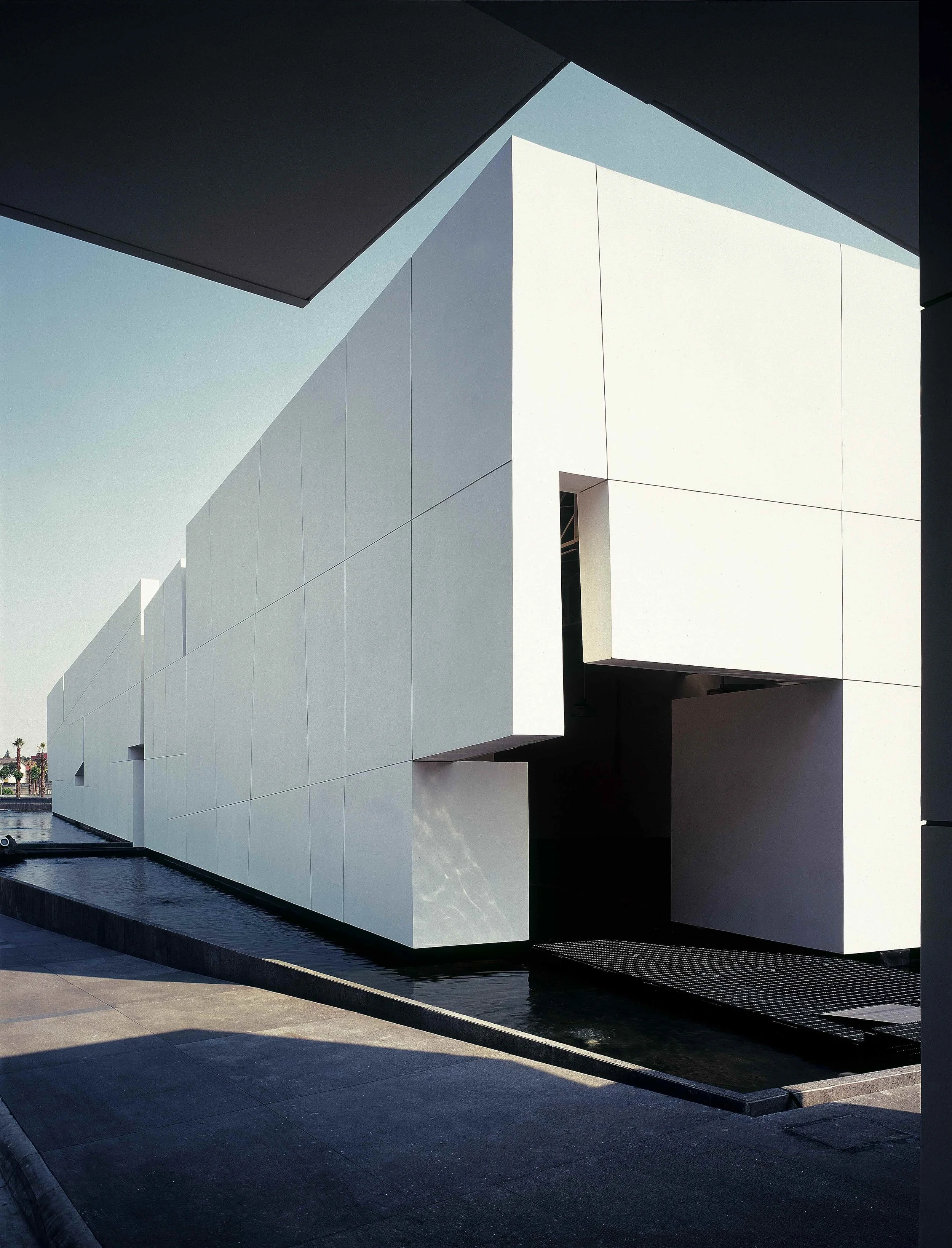
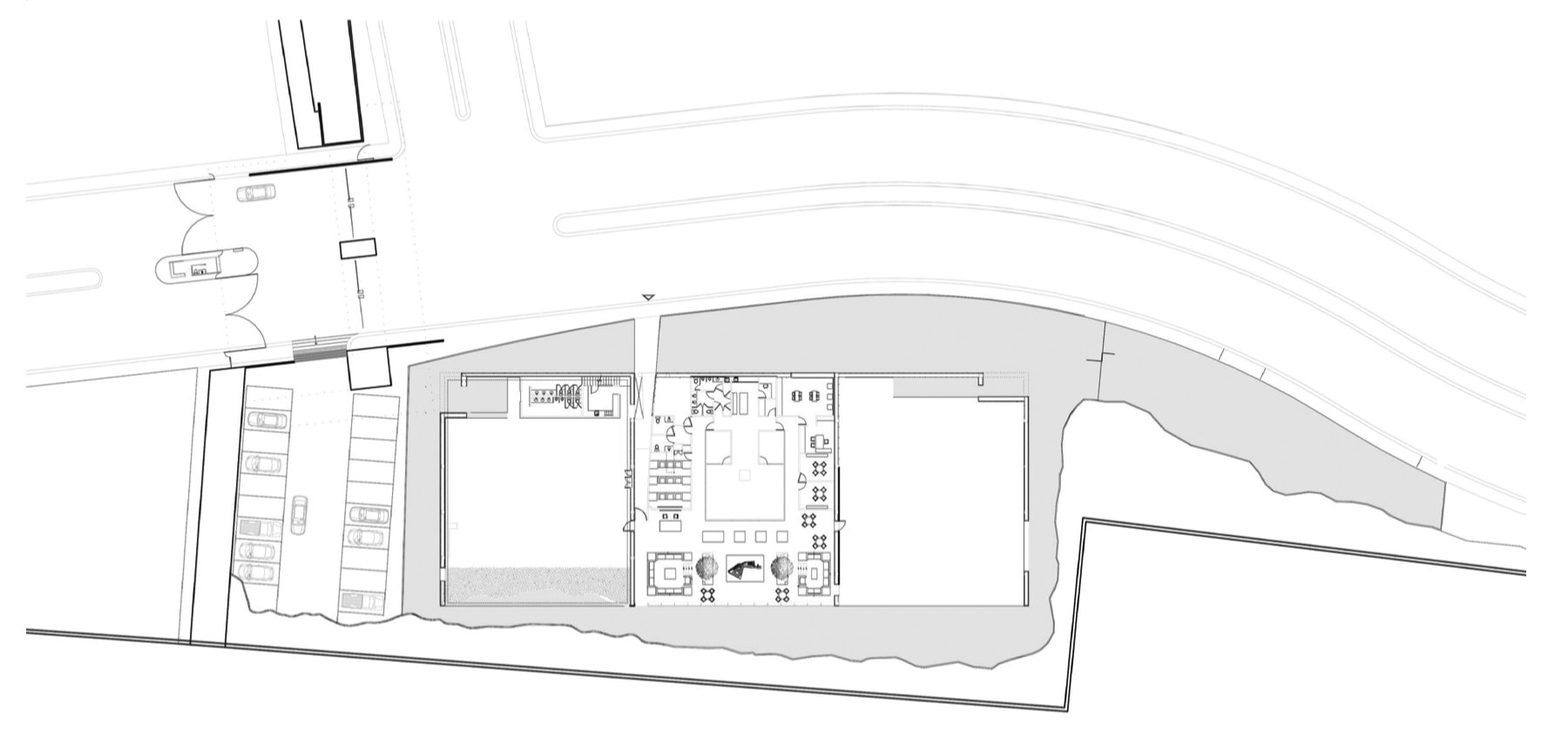
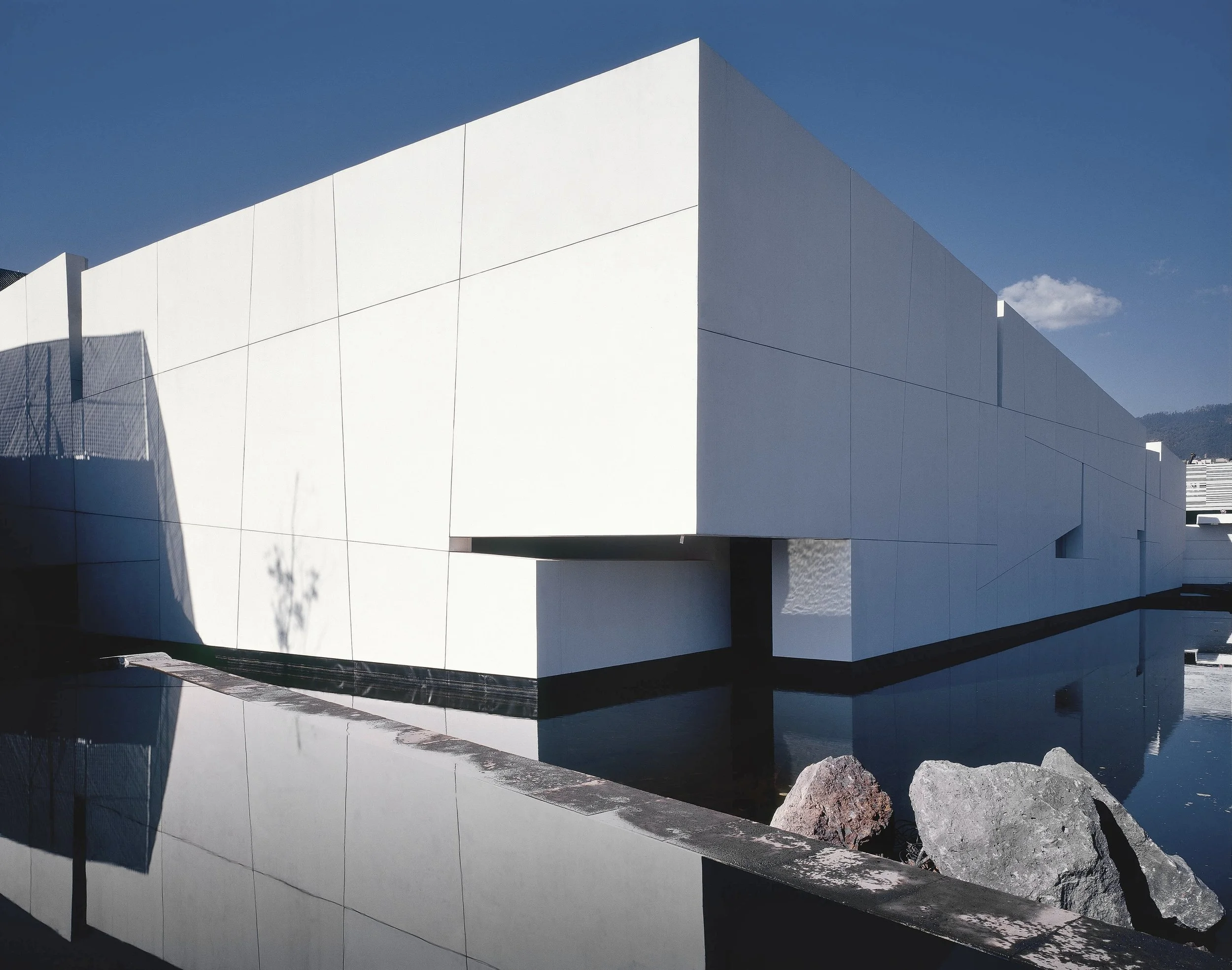
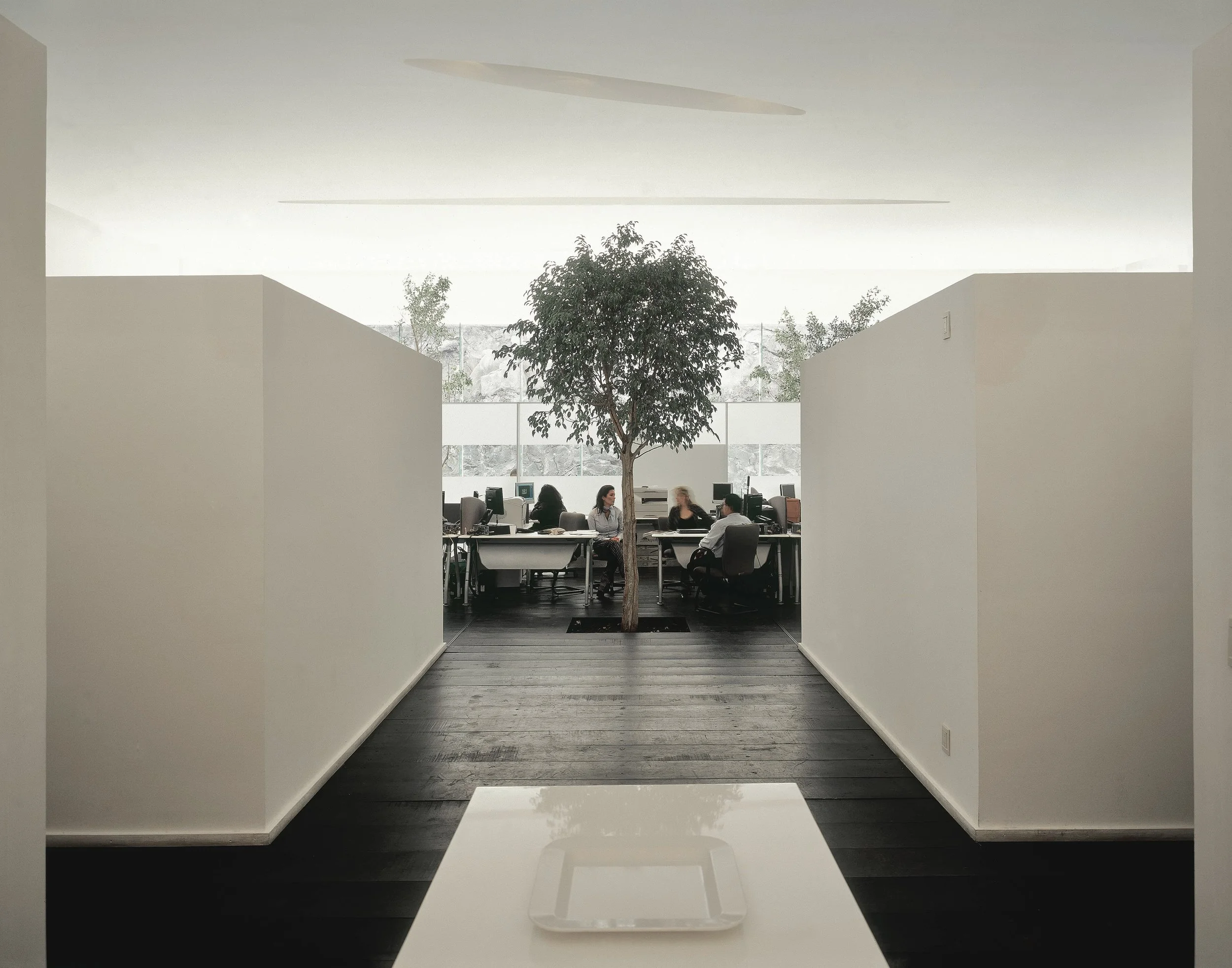
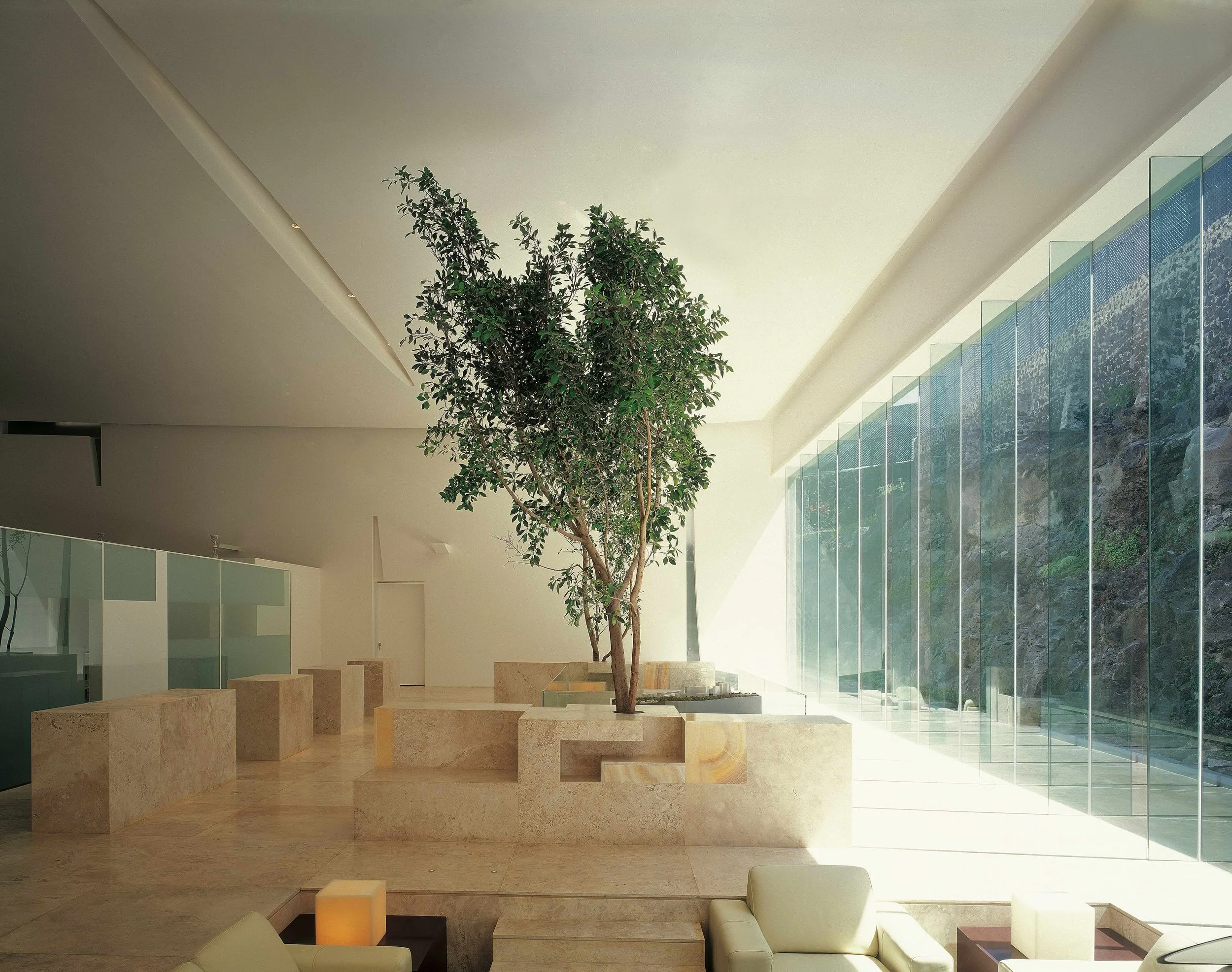
In a large industrial warehouse, with recyclable materials and a very limited budget, a sales floor and a corporate office were eventually built. The rest remained an idea, an illusion...
Martín Gutiérrez (Gutiérrez Arquitectos) was able to develop the main entrance, the gateway to the complex. The images that appear here correspond to a first step in the overall project, and are my own work.

I believe that all forms of expression — local or tied to a specific place — cannot be represented in the same way. That was the temptation of the Mexican muralists and of radical regionalism; it is also the temptation of globalization. Despite this recurring temptation, I believe that each place possesses its own nature. To avoid falling into this trap — and yet still absorb what it offers — nature leads us to see and do things differently. There is still no physical law capable of explaining reality in absolute terms. Science long ago discovered its limits; faith has yet to find its own. I believe that truth is to faith what reality is to science. Truth and reality are frequently seen in the same way, even though they stand on absolutely opposite shores. Those who confuse them tend to standardize the world; those who learn to absorb them enrich it.
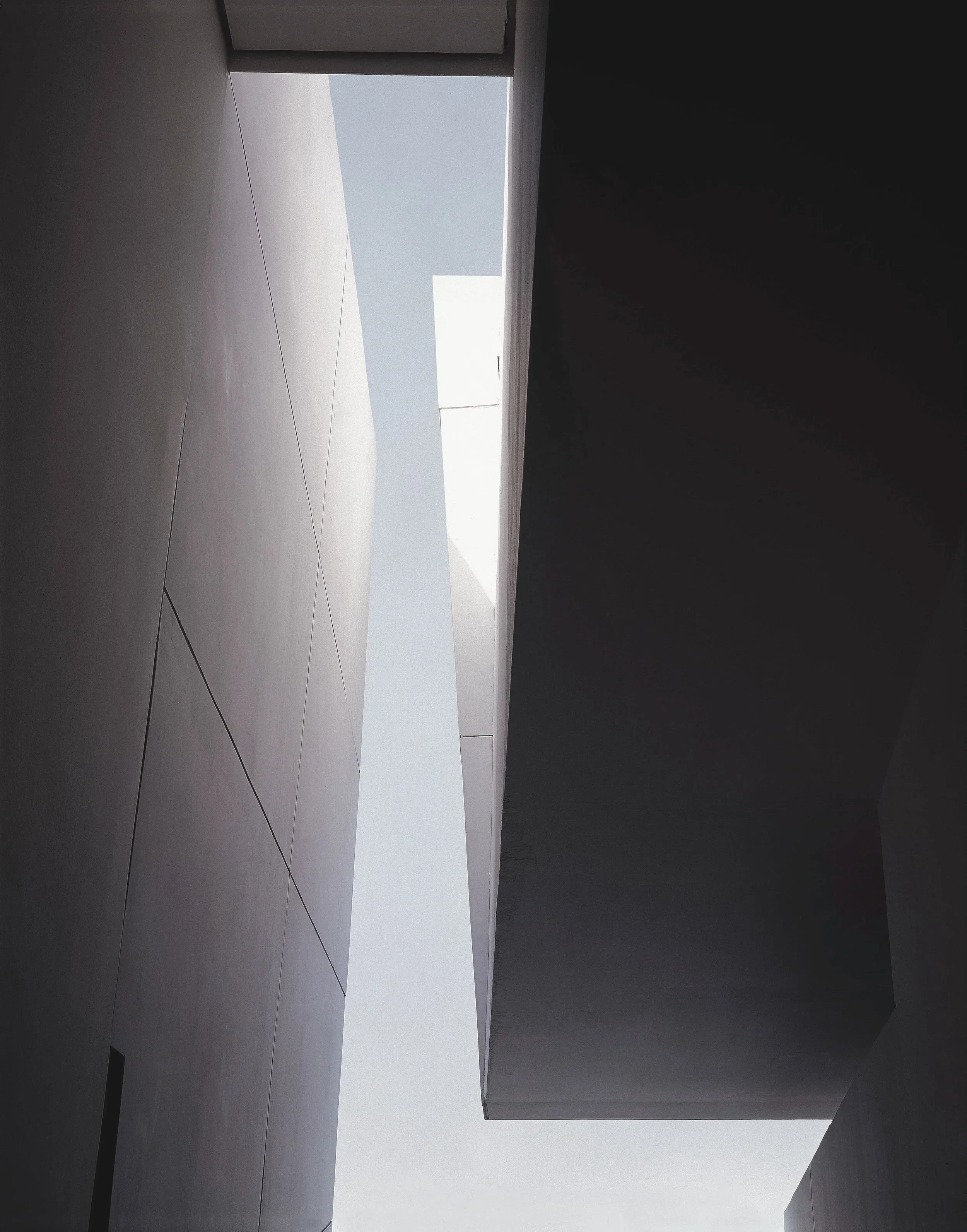
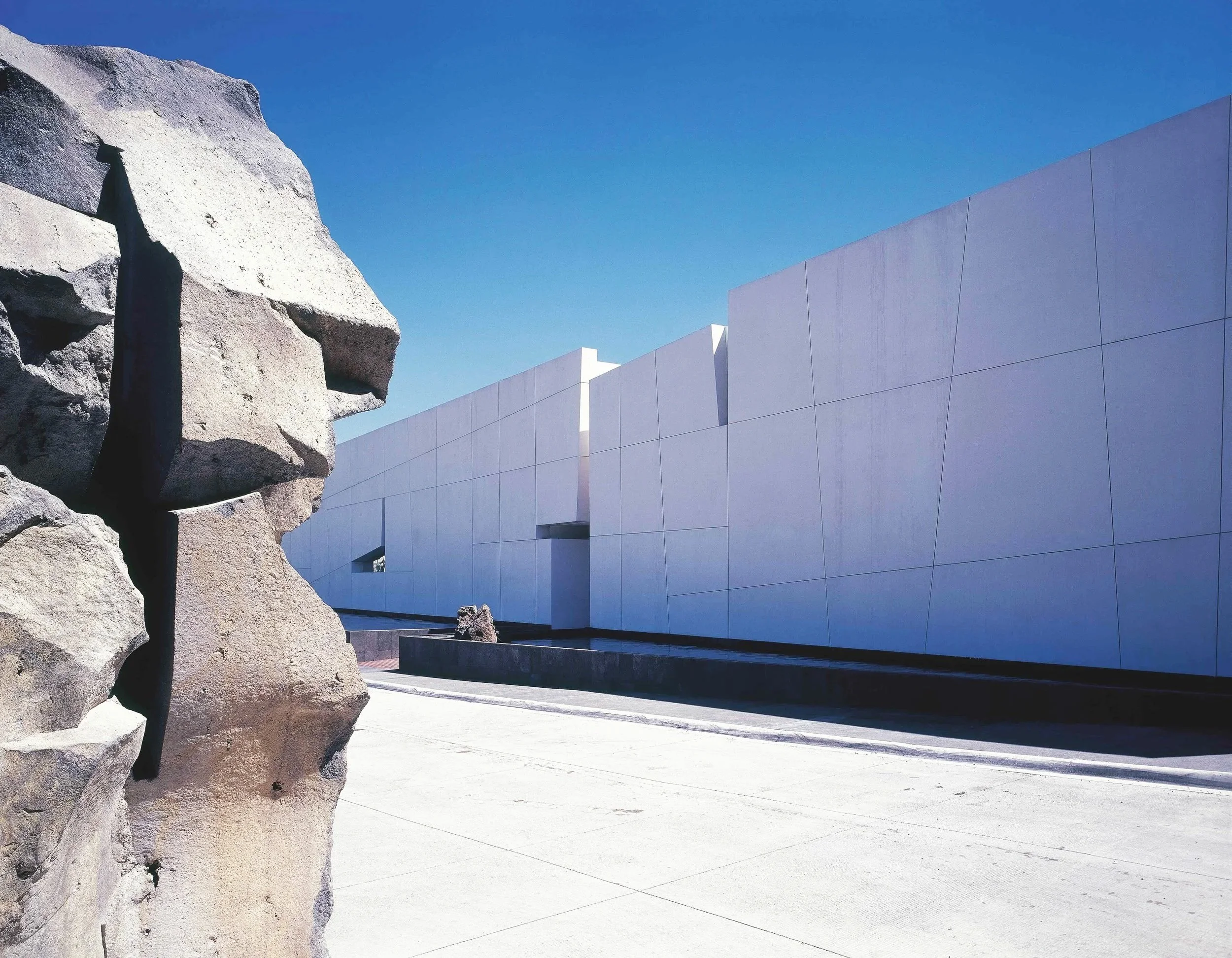
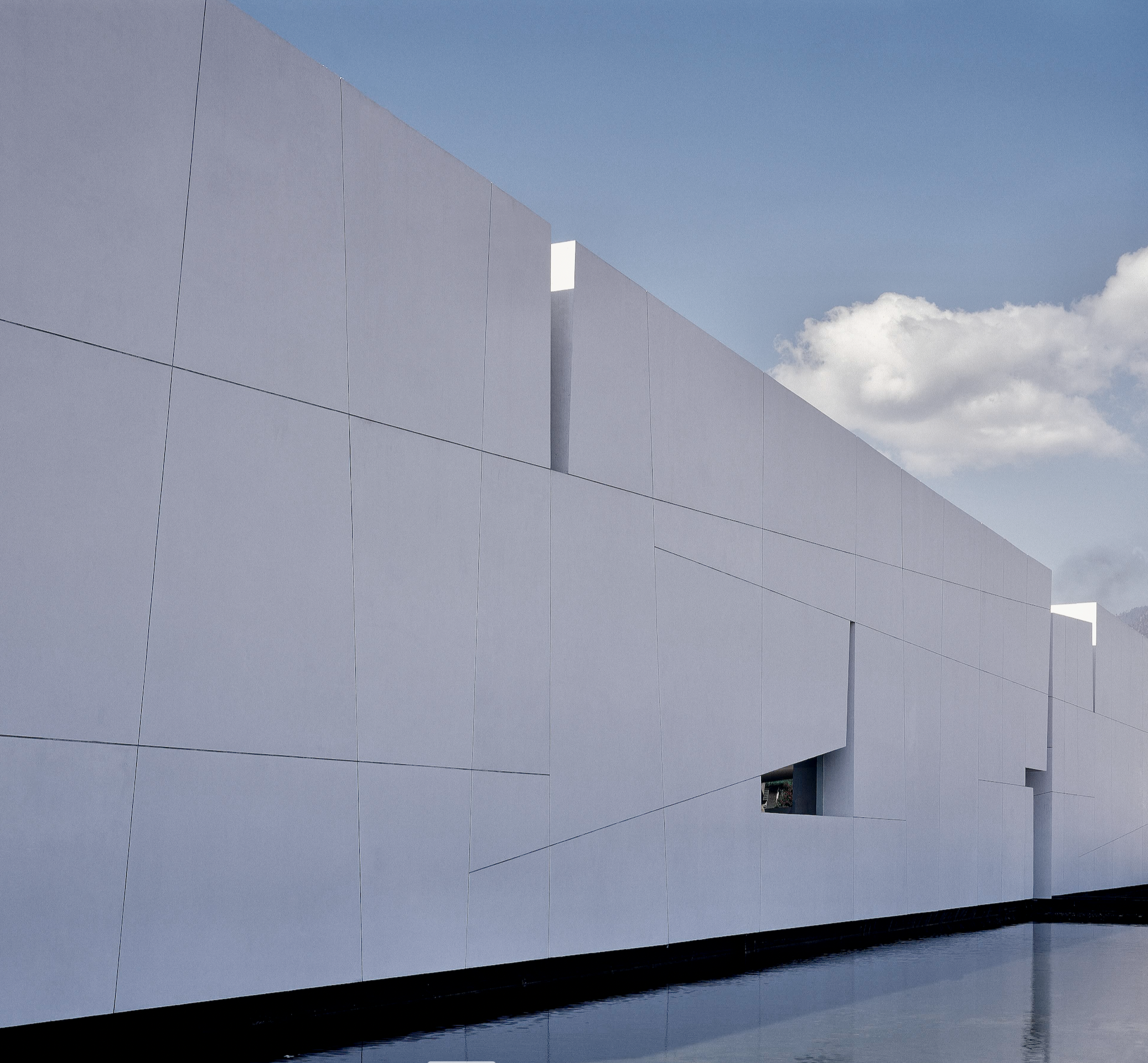
The possibility of creating a public work is filled with emotion and proves deeply rewarding. Through this type of architecture one can communicate with more people, and there is greater possibility for dialogue. The space is not confined to a single family; it has a longer life and more opportunity for exchange. For this reason it can transcend time, since we are all witnesses to its presence and in this way we safeguard it.
With talented and notable exceptions, public works in Mexico have been inextricably tied to the government, and there is no doubt that in our country one must be a skilled negotiator and know how to move within official channels to develop a project of this nature. I am referring to the architecture of power, which tends to be measured by scale: grand works in which dimensions and the impact they produce on the spectator — not harmony — are what matter.
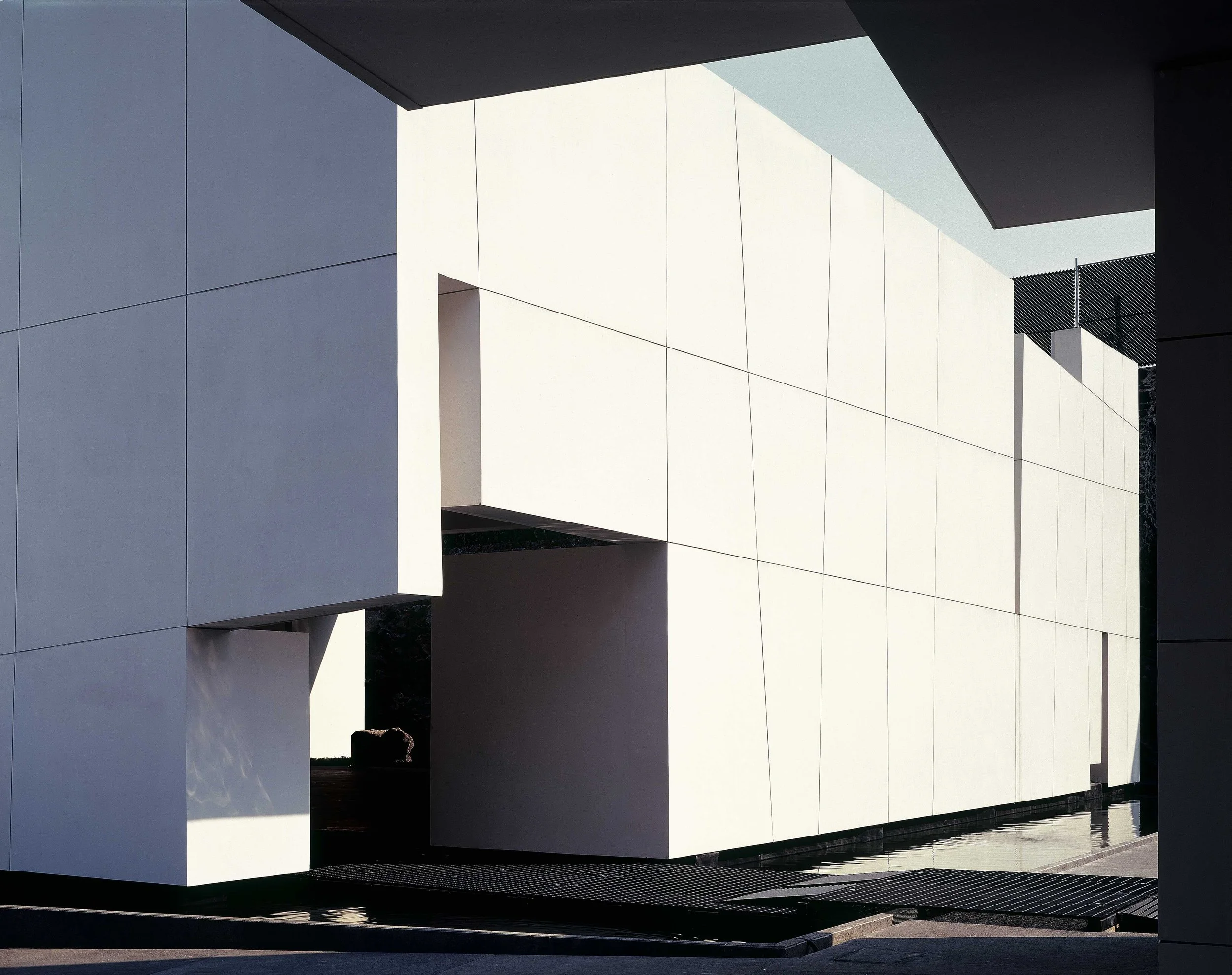
PRoject DEtails
-
Miguel Angel Aragonés, Ricardo Díaz
-
Claudia Rodríguez, Iván Contreras, José Torres, Óscar Vélez
-
Nicola Lorusso
-
Pedregal, Mexico city, Mexico
-
1,769 M2