Eucaliptos
55
mexico city, mexico
2004
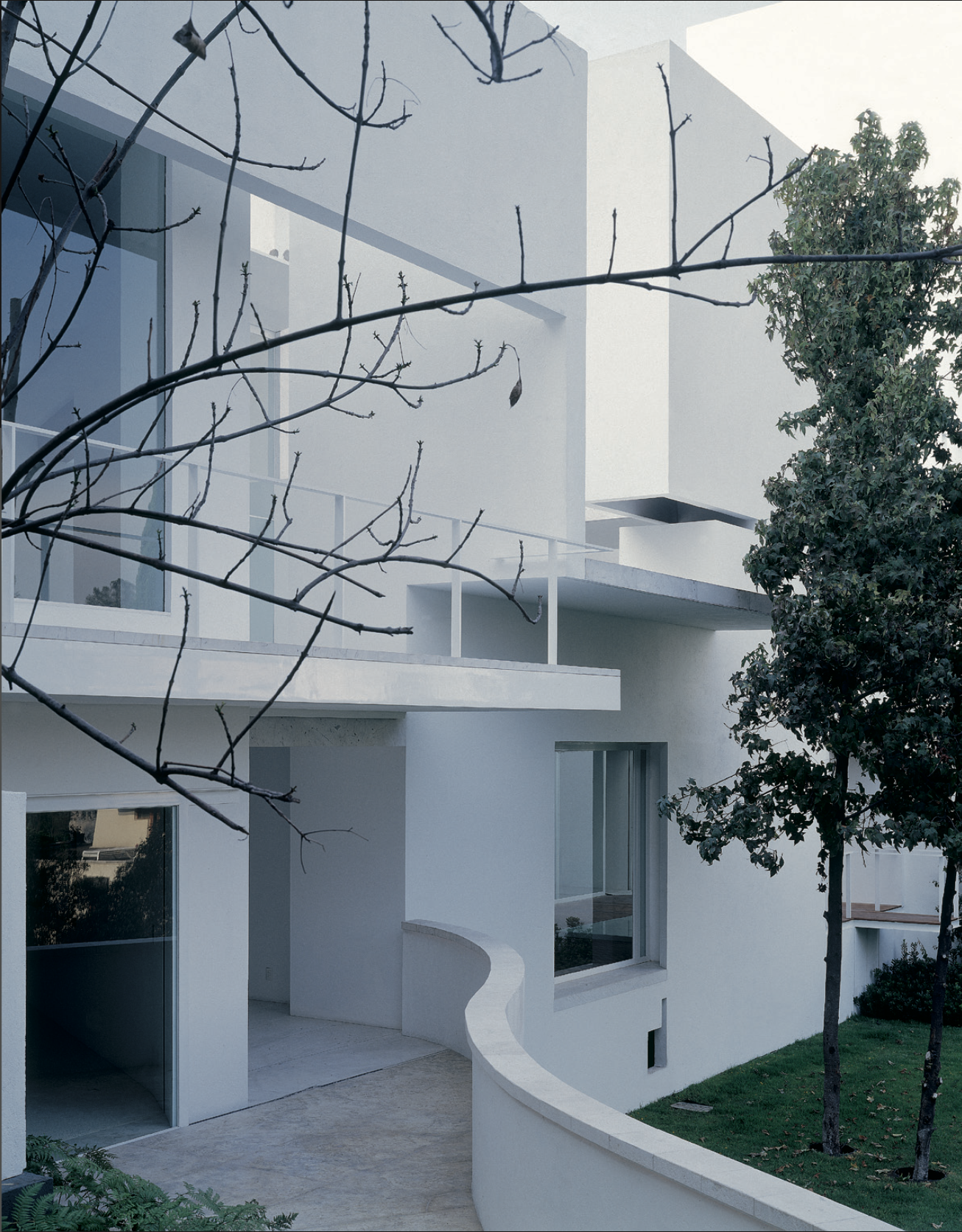
Upon observing cities like New York or Chicago, where there is a high density population living in a small area, you will find a tendency toward glass constructions. Immense skyscrapers that boast enormous picture windows, huge walls of glass, despite the fact that this material presents considerable thermal complications. The conservation of the wall in Mexico has been a constant throughout time: from magnificent pre-Hispanic constructions to contemporary developments, passing through colonial architecture along the way. The magic of the wall... symbol, border, annotation, referent of all that is internal and external, inside and outside, guardian of heat and cold, and also of intimacy. This insulation is not only thermal, but visual and acoustic as well. The wall is a constant in Luis Barragán's architecture, likewise in that of Ricardo Legorreta. Today, architects like Álvaro Siza in Portugal or Tadao Ando in Japan have recovered the concept of walls in architecture as a point of isolation from other latitudes. The wall, with its defining, austere, massive presence, has become one of the great legacies of Mexican architecture around the world.
Nicola Lorusso Photography
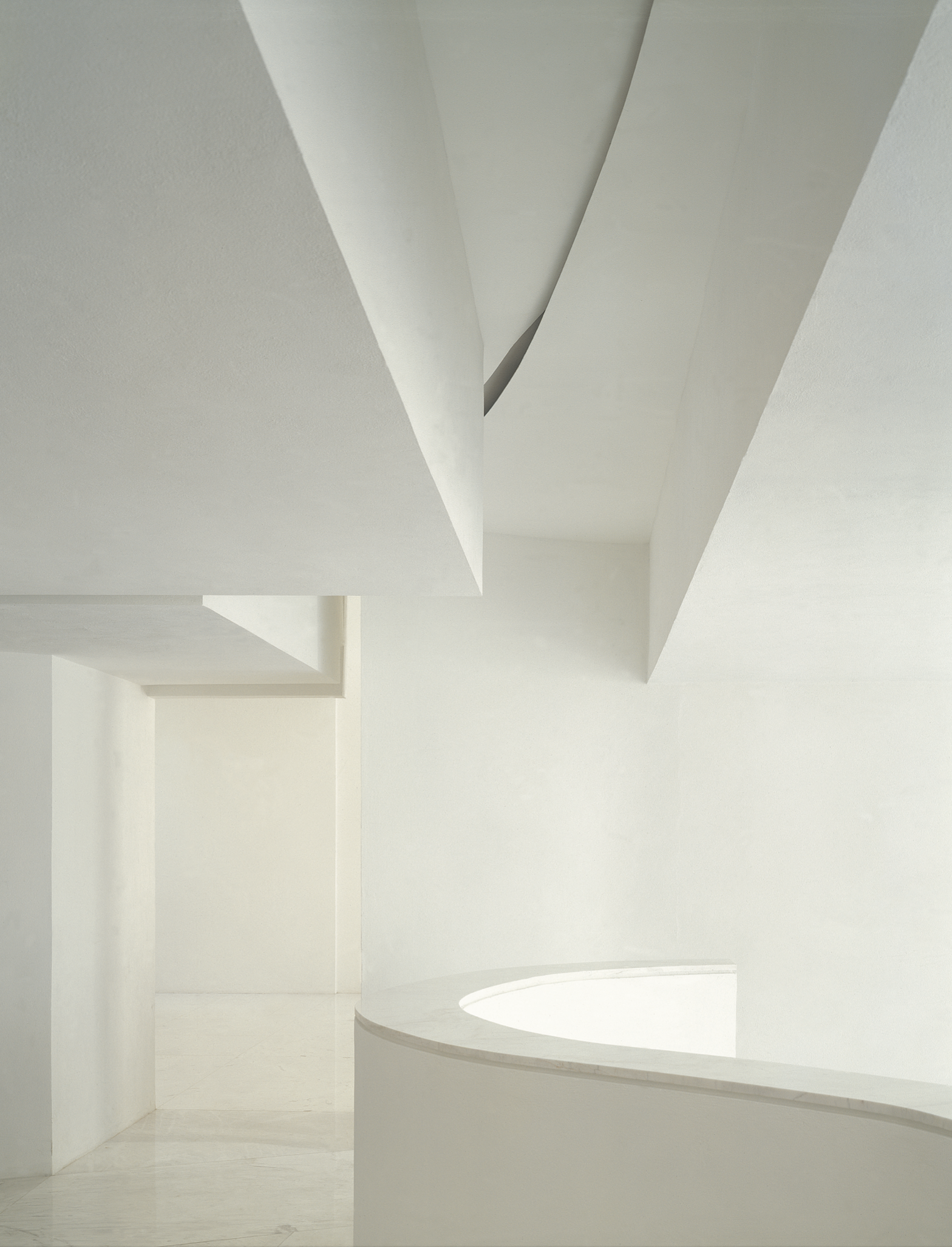
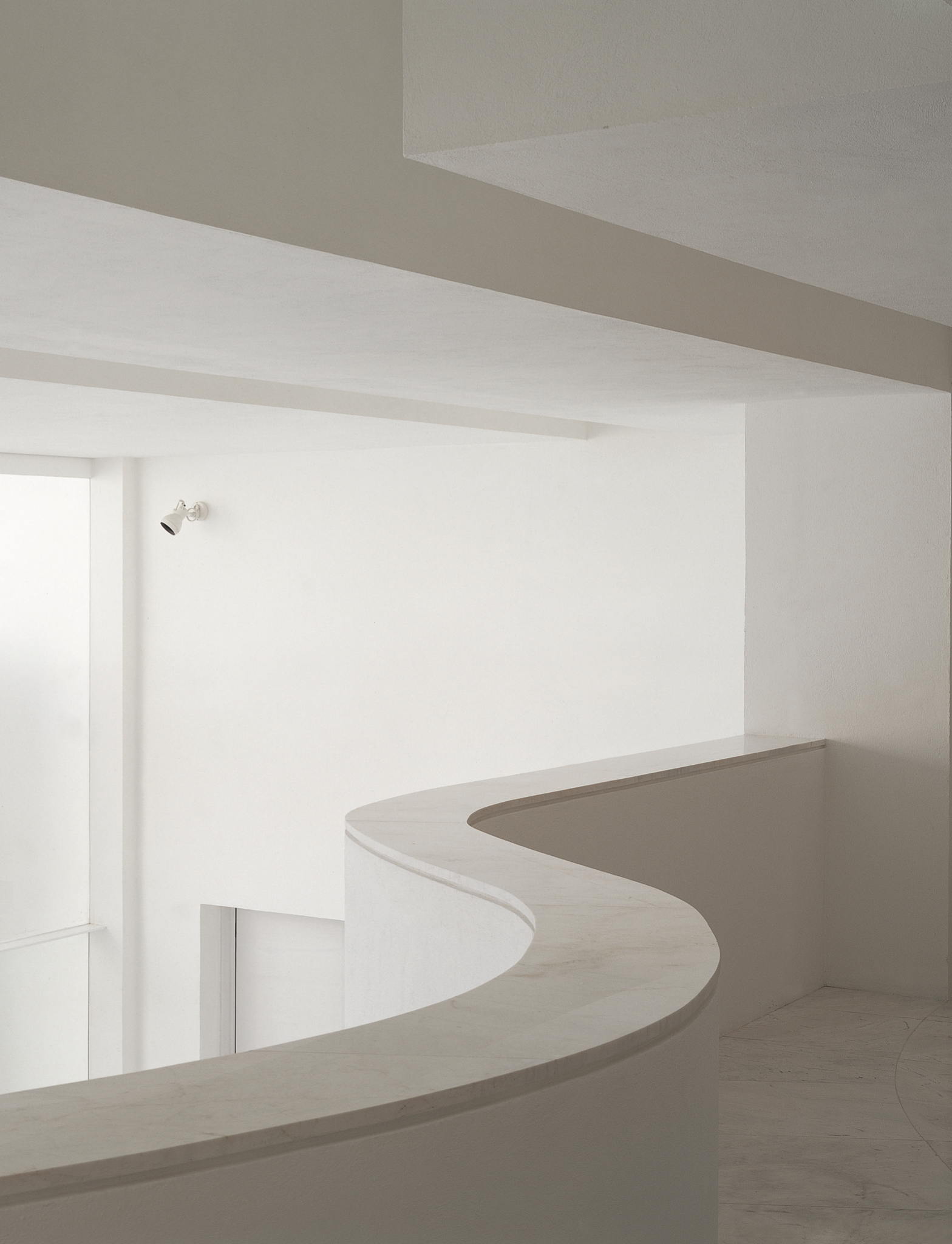
Building on top of something else presupposes a kind of inheritance for which a certain responsibility must be assumed. A compulsory relationship, a dialogue in which a different starting point and different way of conceptualizing one's work definitely exist. At Eucaliptos 55 , there was a series of volumes and spaces, all surrounding a patio that opened out onto a cliff. There was also an eclectic architecture of rugged forms with an apparently chaotic geometry. However, upon delving into and carefully reading the blueprints, I discovered a complex order.
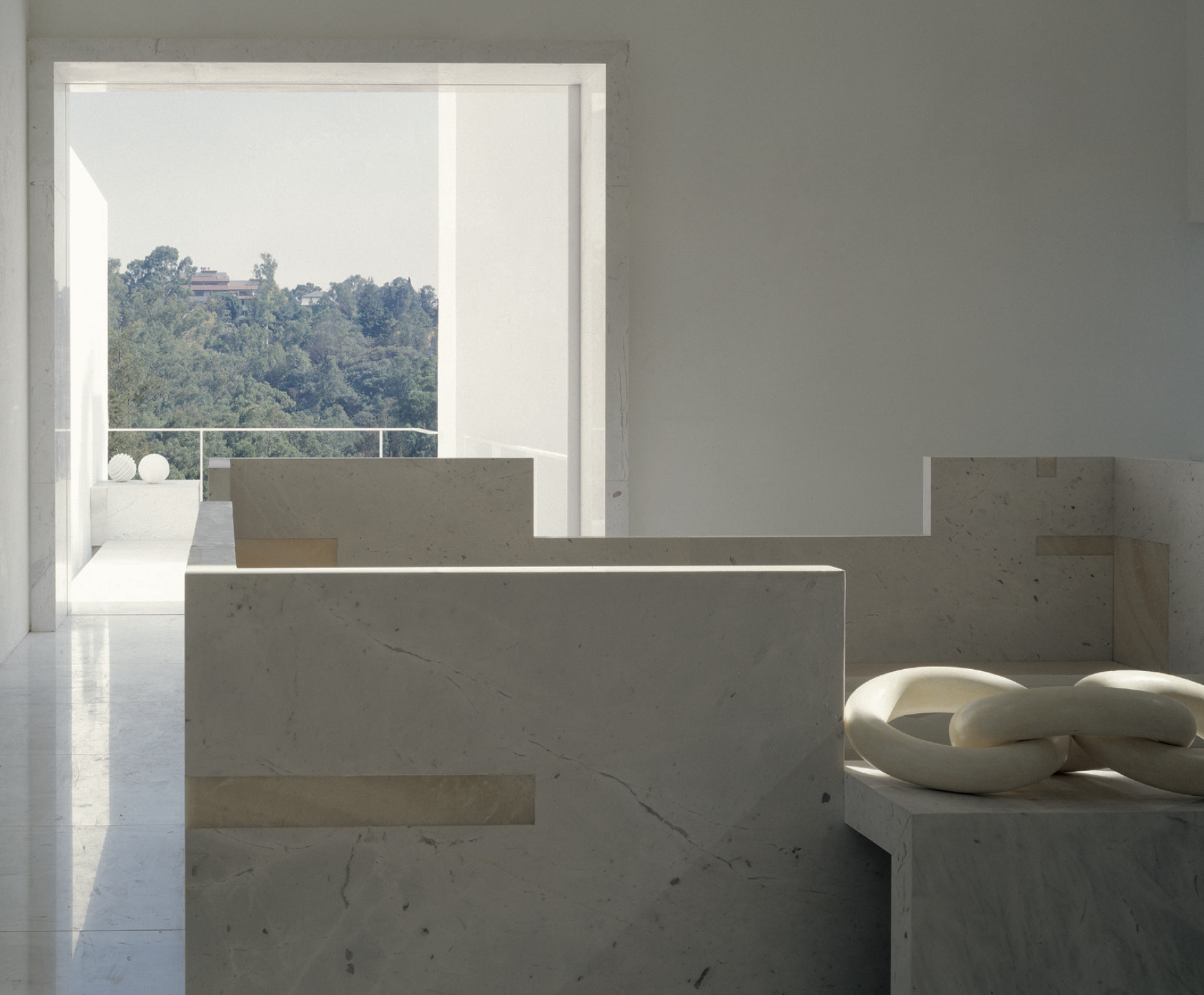
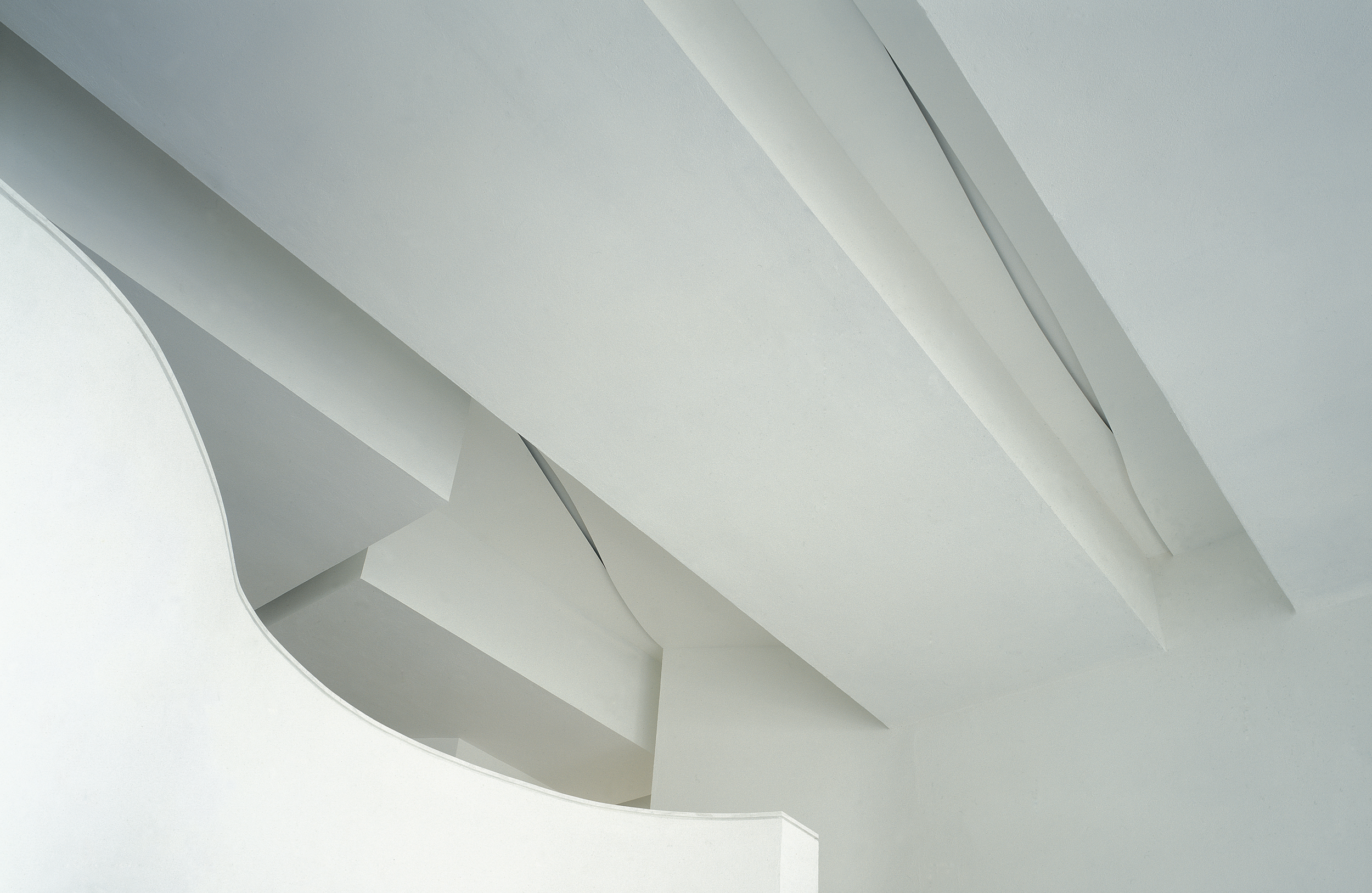
It reminded me of what Borges used to say: "chaos is an order that the mind has not yet deciphered." Without thinking that this project would become any better or worse, what I did was use my own language to try and remake the space "my way," reinterpreting what the house was already saying. Although it may not seem obvious, there is an ongoing dialogue there with its past. However, when the architect Guillermo Norma—the original creator of that space—saw it afterwards, he didn't recognize it at all. I recall that he seemed more puzzled by what was right there before his eyes than by what no longer existed. Definitely, in honor of our friendship, I must recognize that the result was the product of a dialogue—one in which my intervention was not very discreet—and that the house was radically transformed.
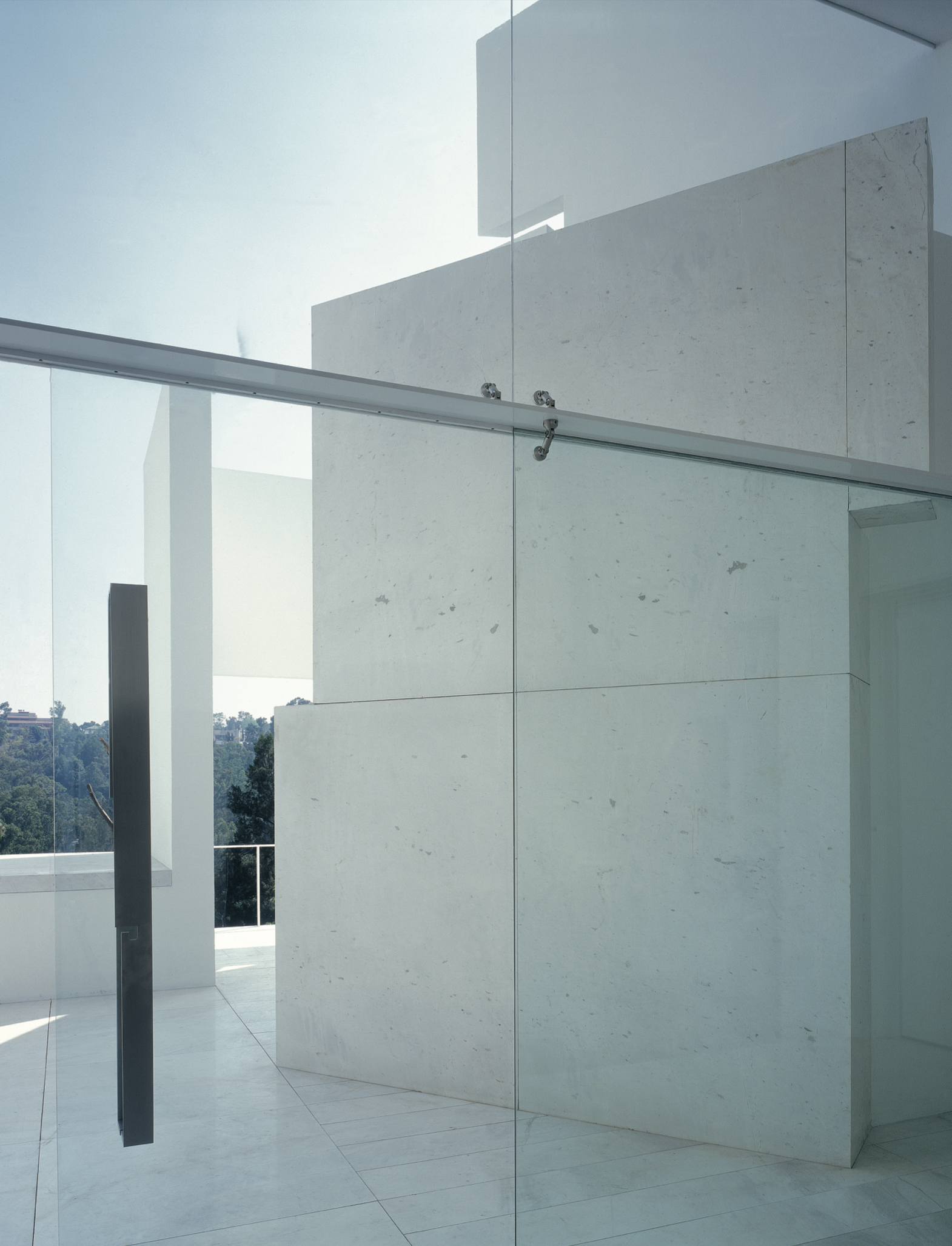
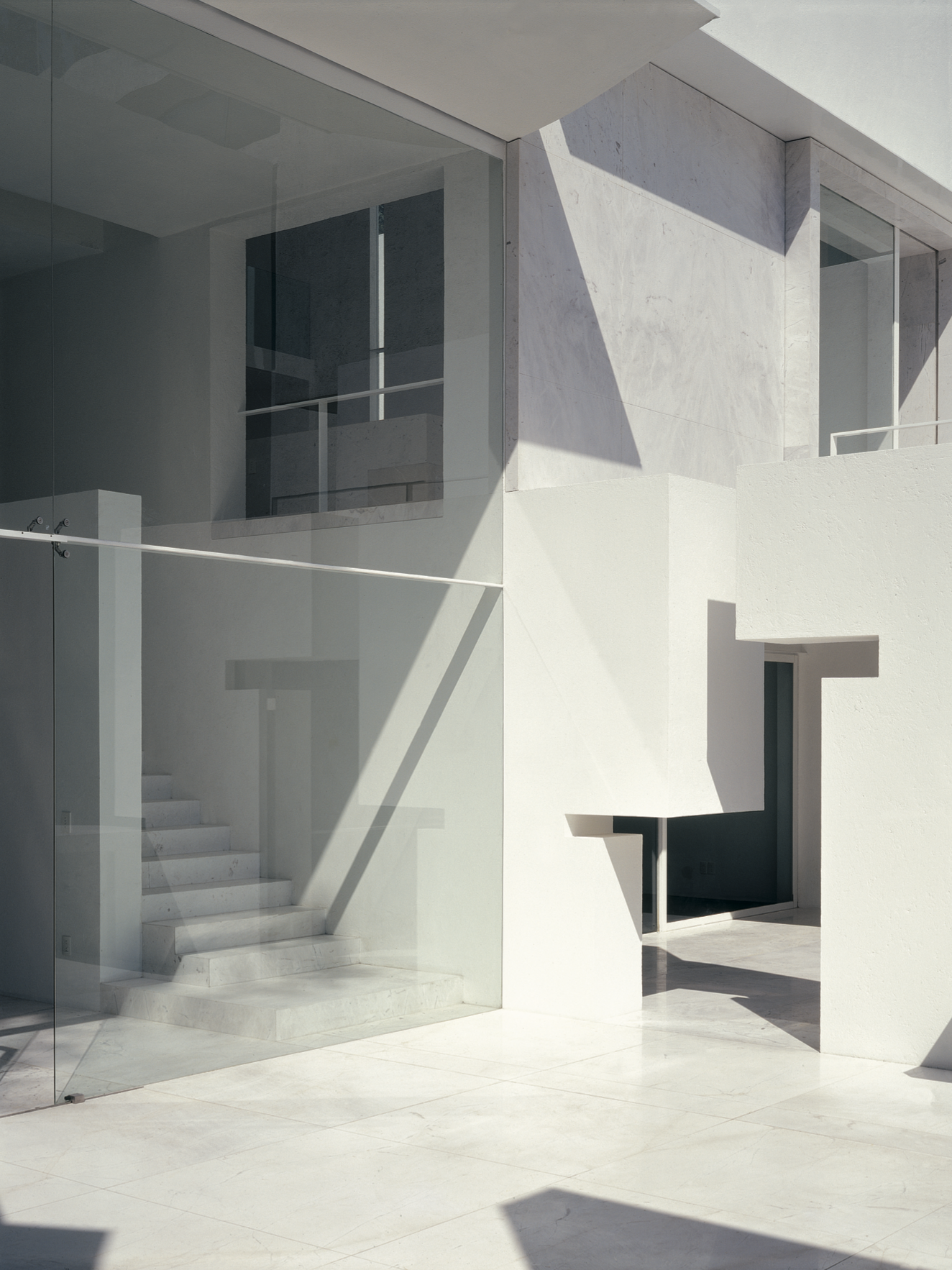
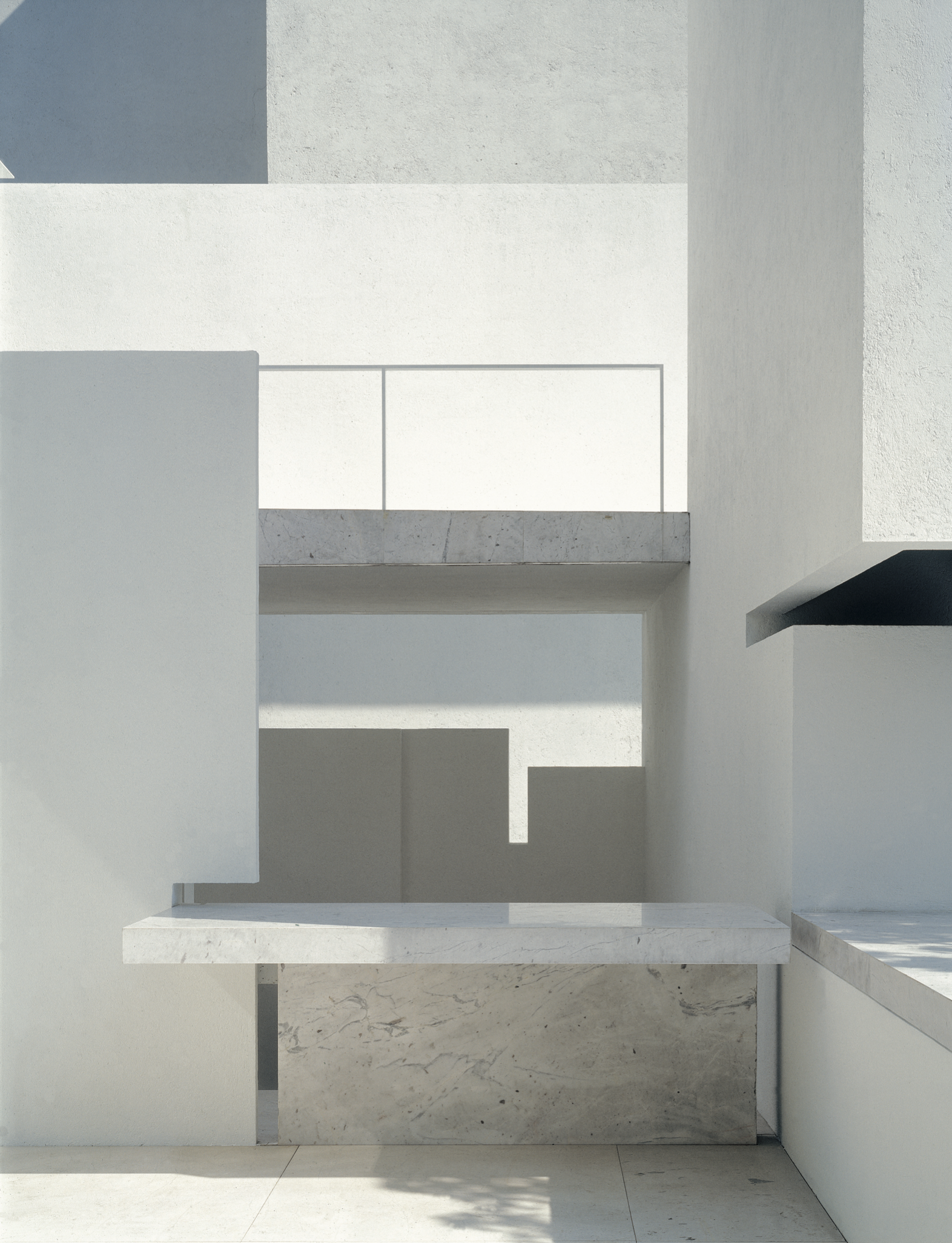
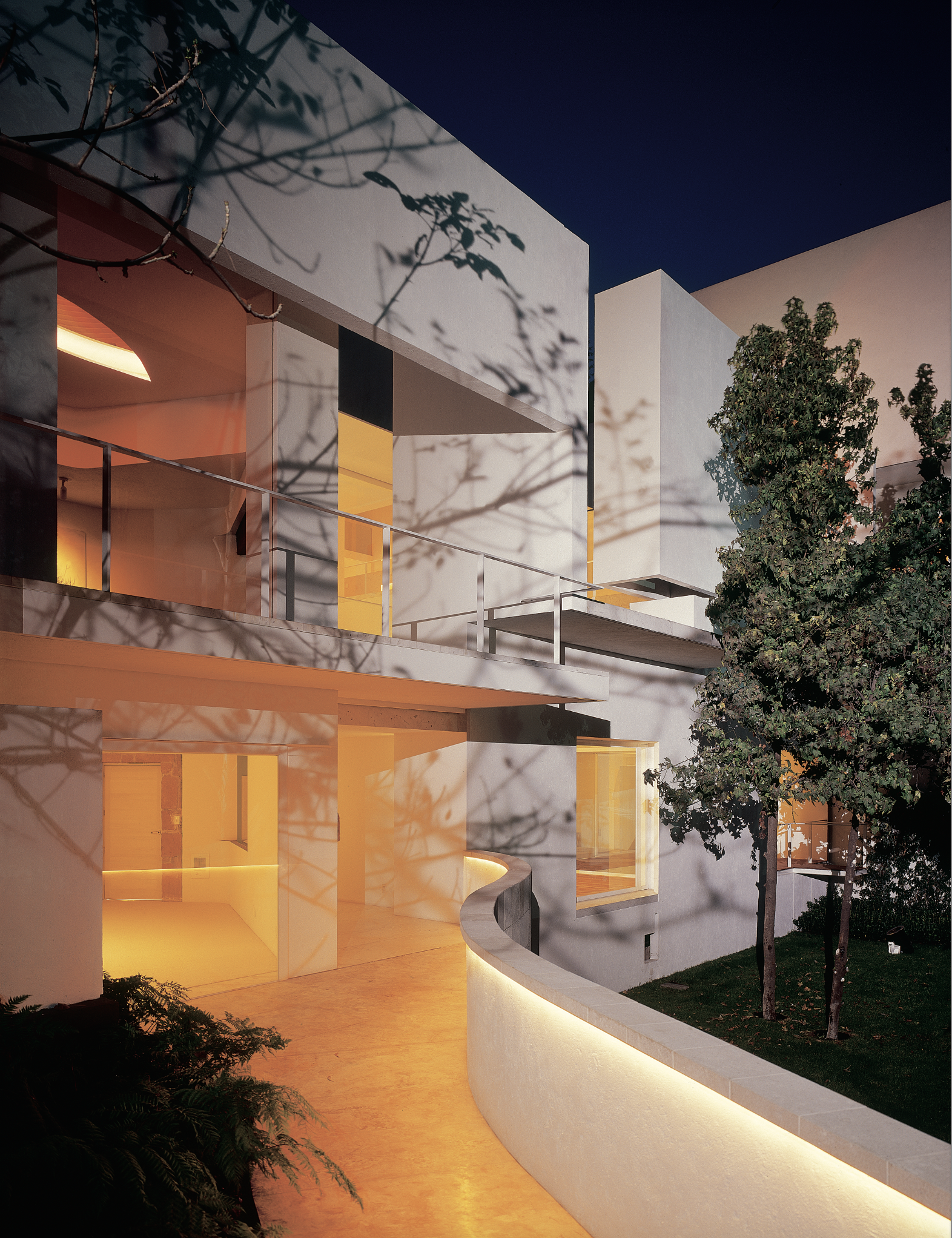
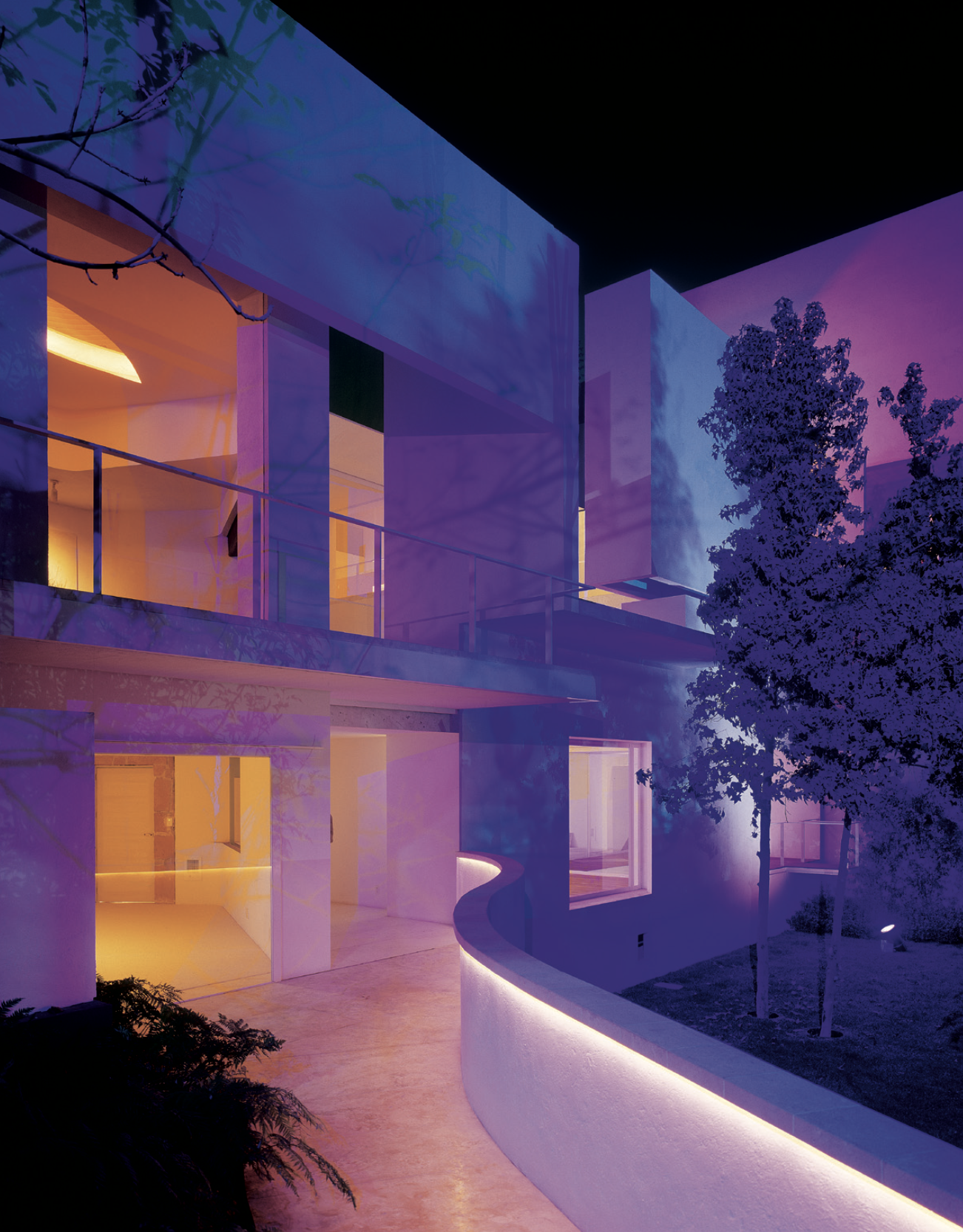
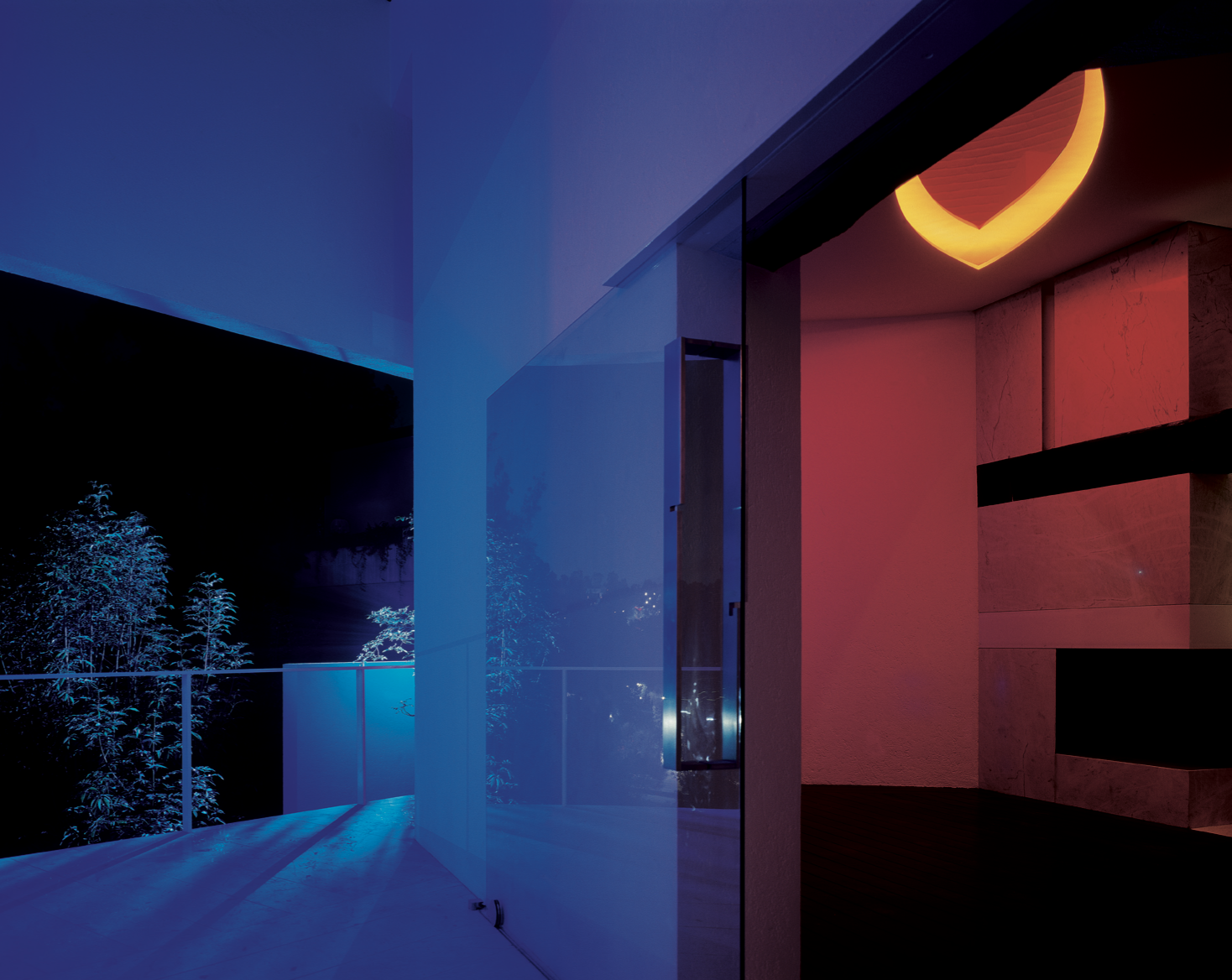
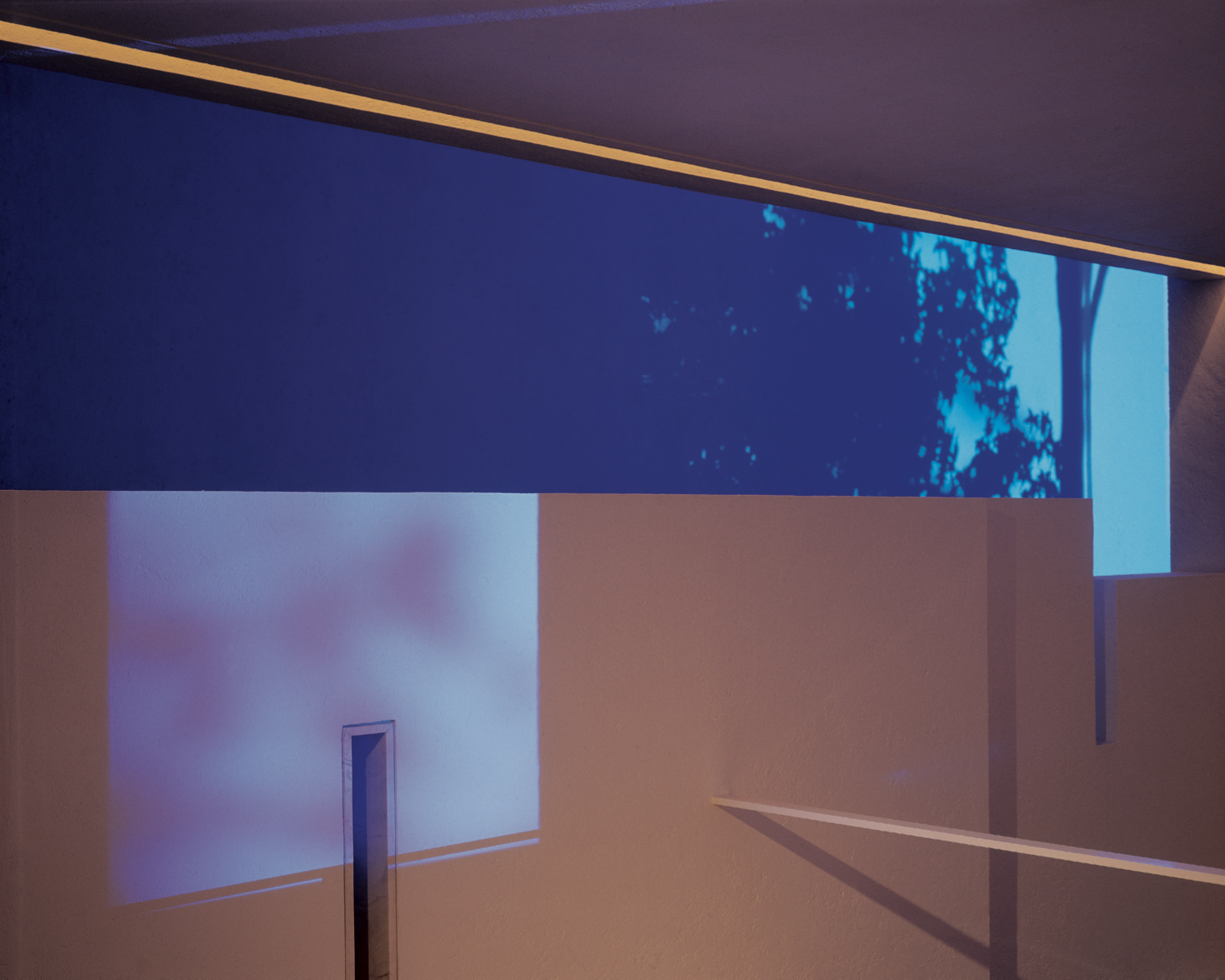
Regarding color, it has been my desire to seek out new possibilities. Luis Barragán succeeded in recovering color in architecture. It was explored to the hilt: exhaustively, in my opinion. Color has been a great legacy, but in my work I have chosen to go one step further: color as a luminous accident, a manipulation of light. Beyond a doubt it should be present, but in a more subtle fashion—not as something obvious and flat—three-dimensional color, the result of light bouncing off a flat surface.
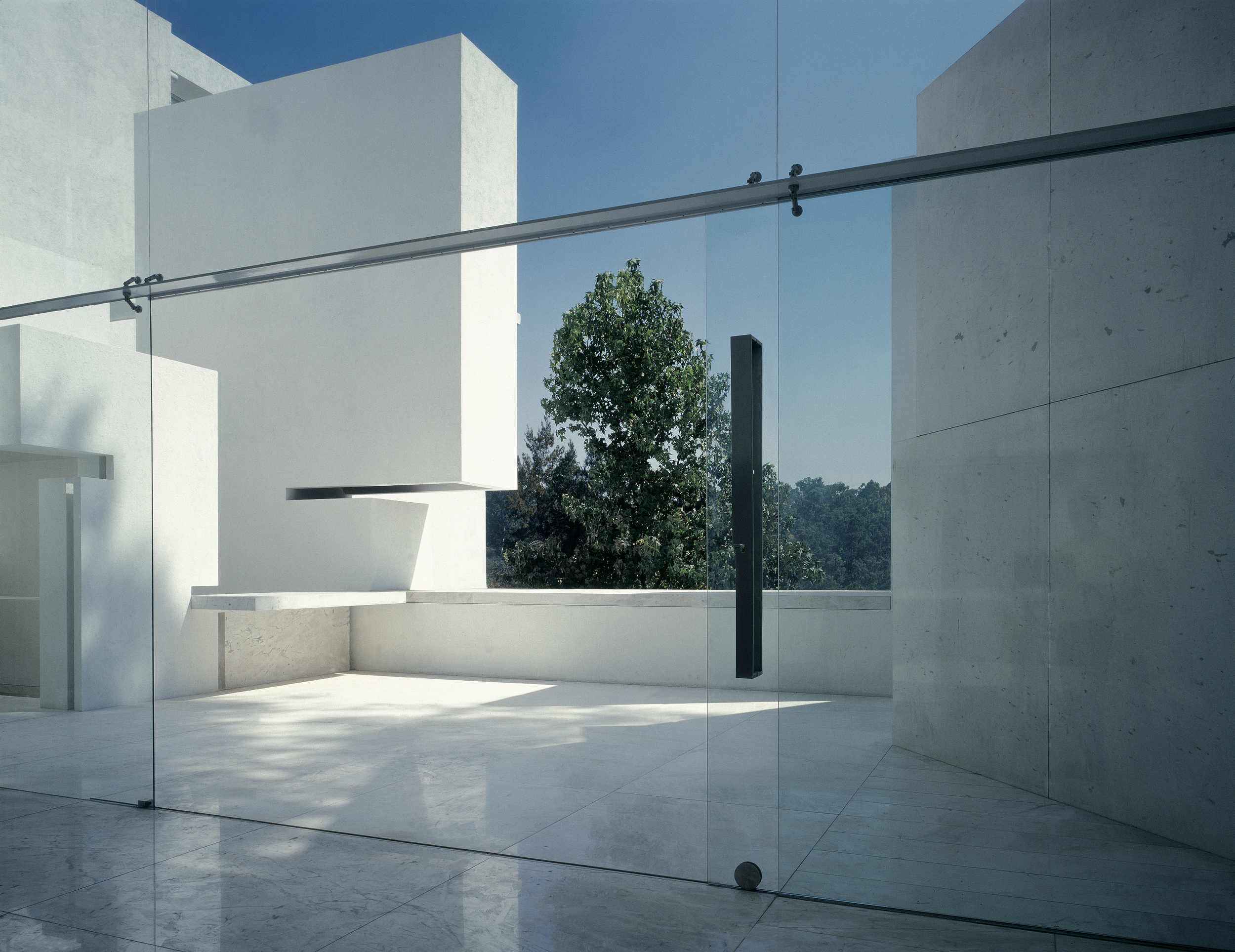
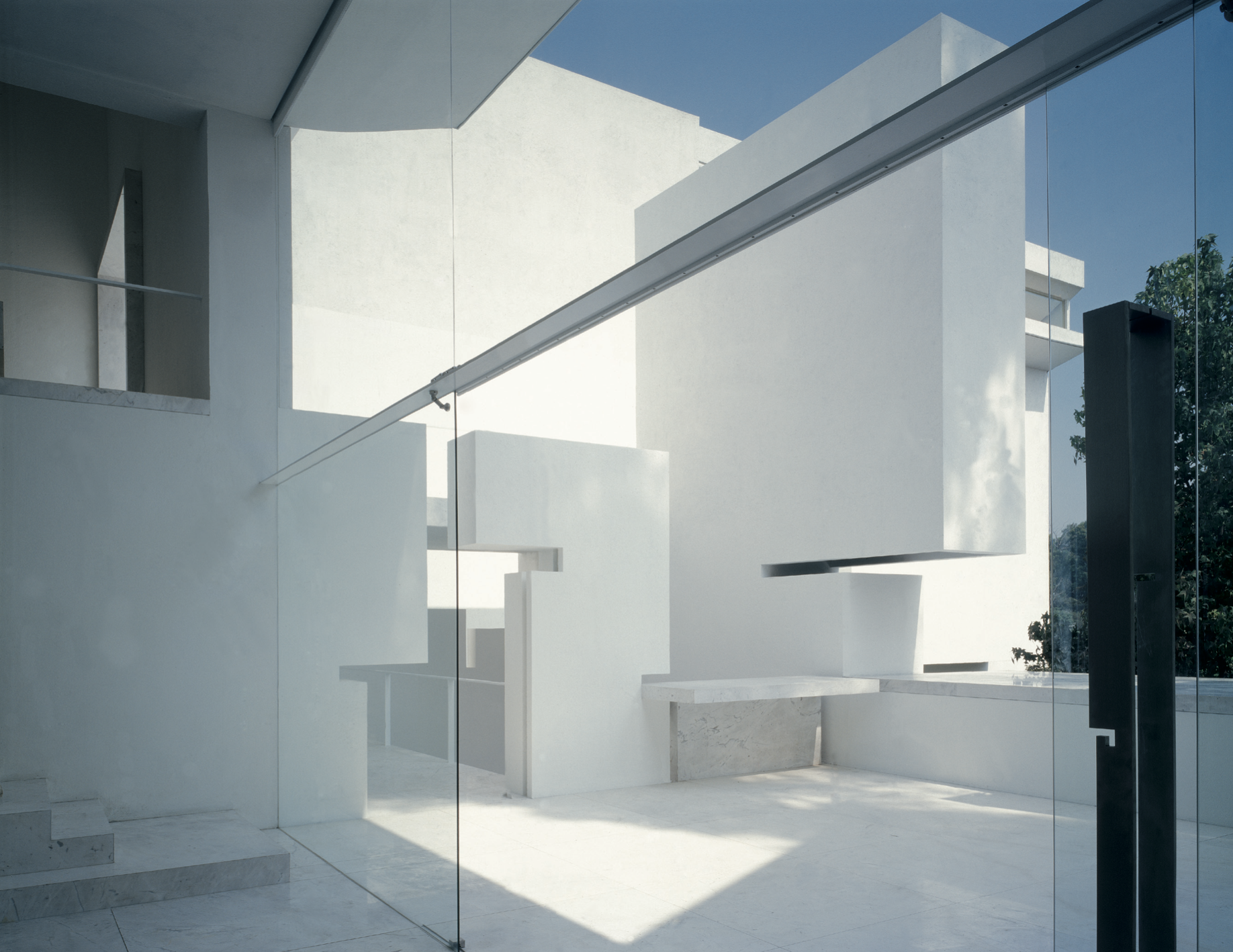
Painting with light, using walls as canvasses, creating thus diverse atmospheres and sensations. This is my intention whenever I use radiance.
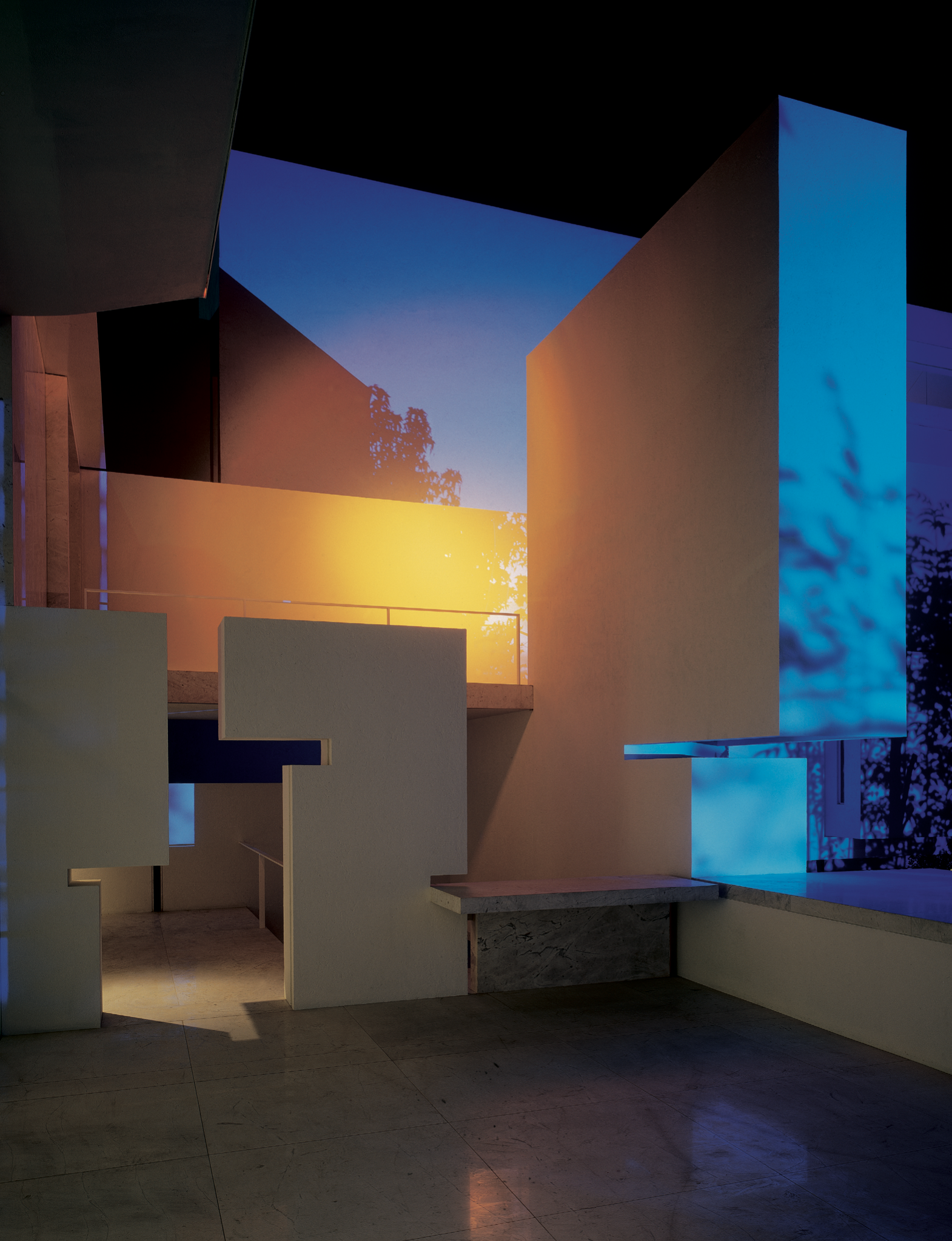
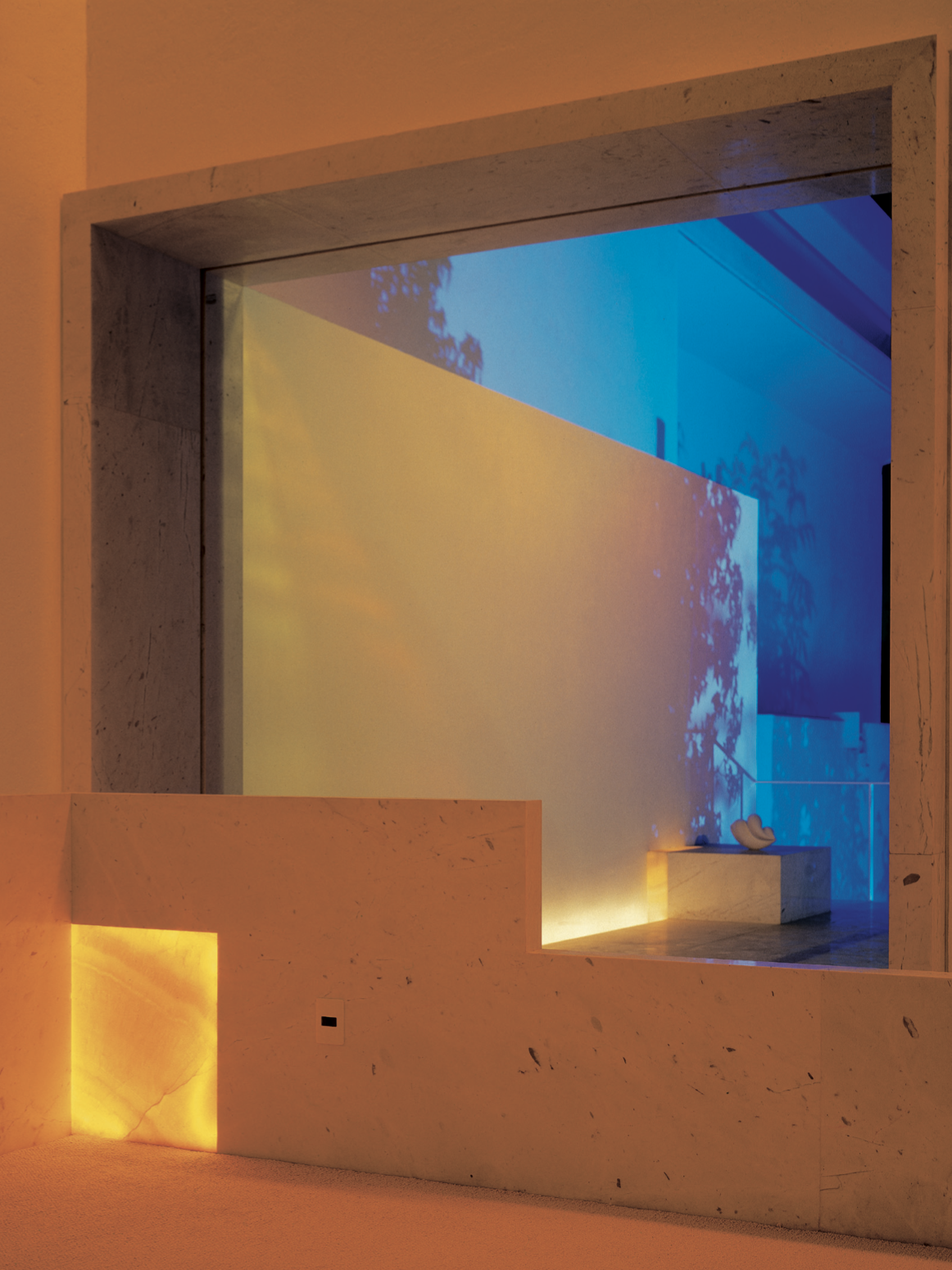
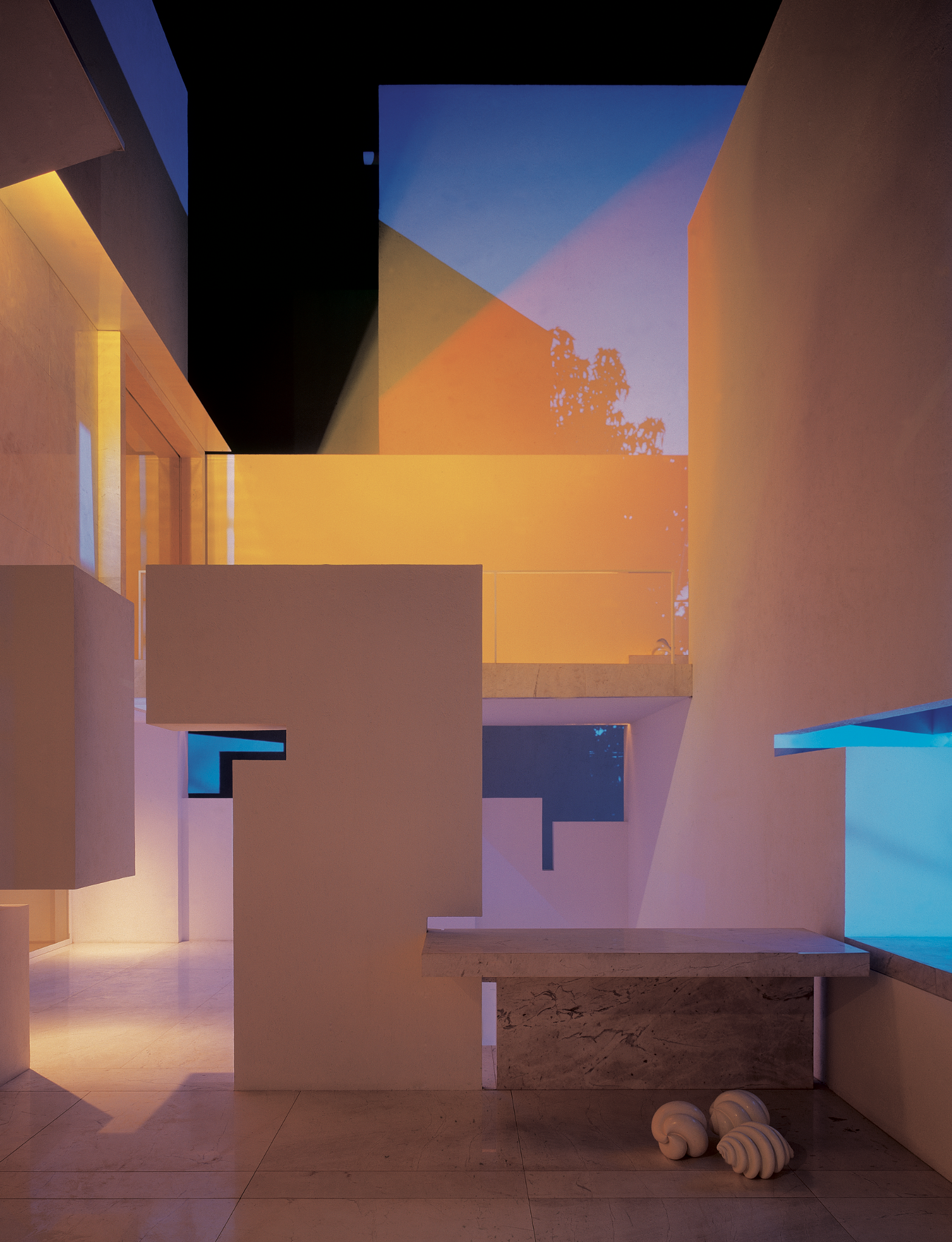
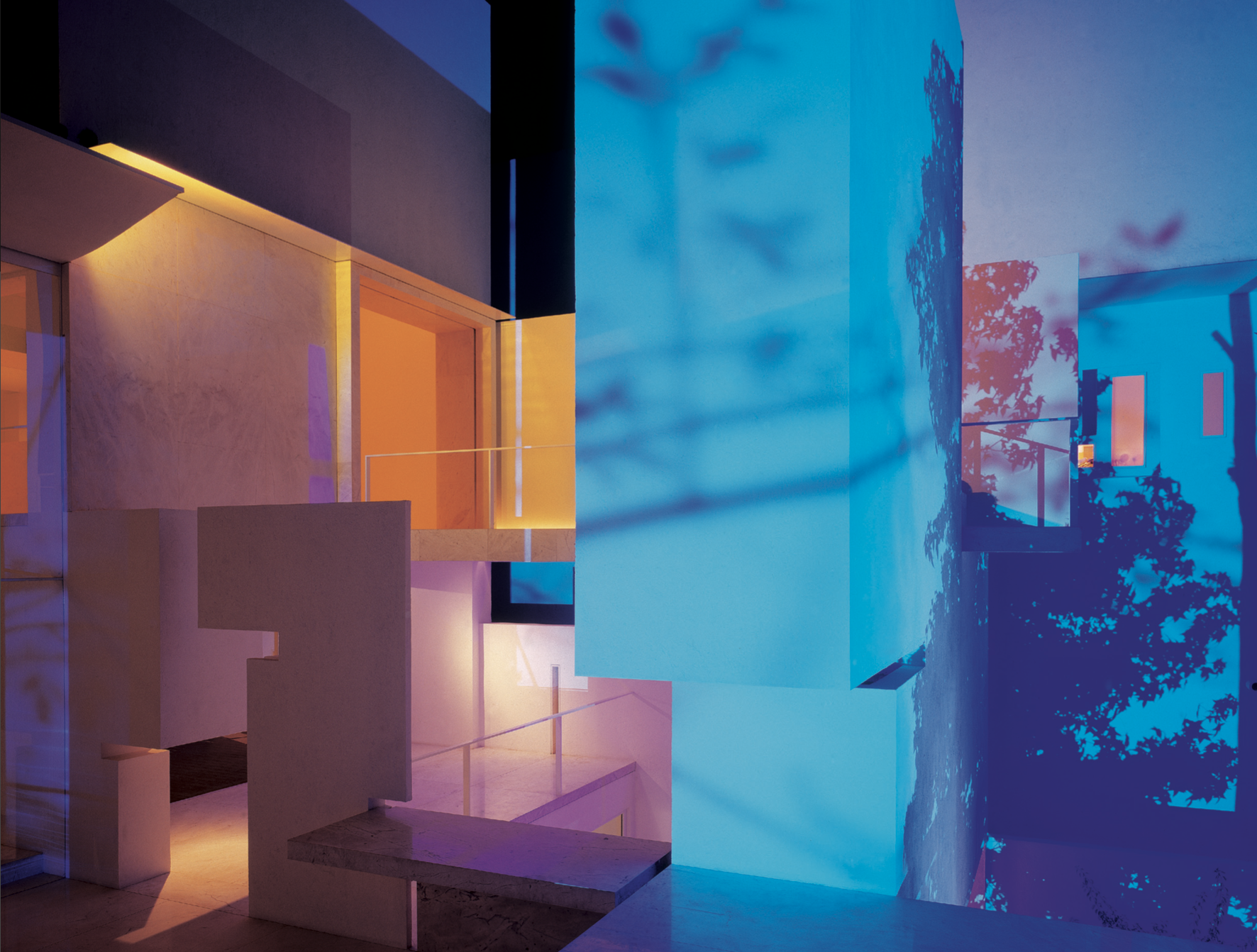
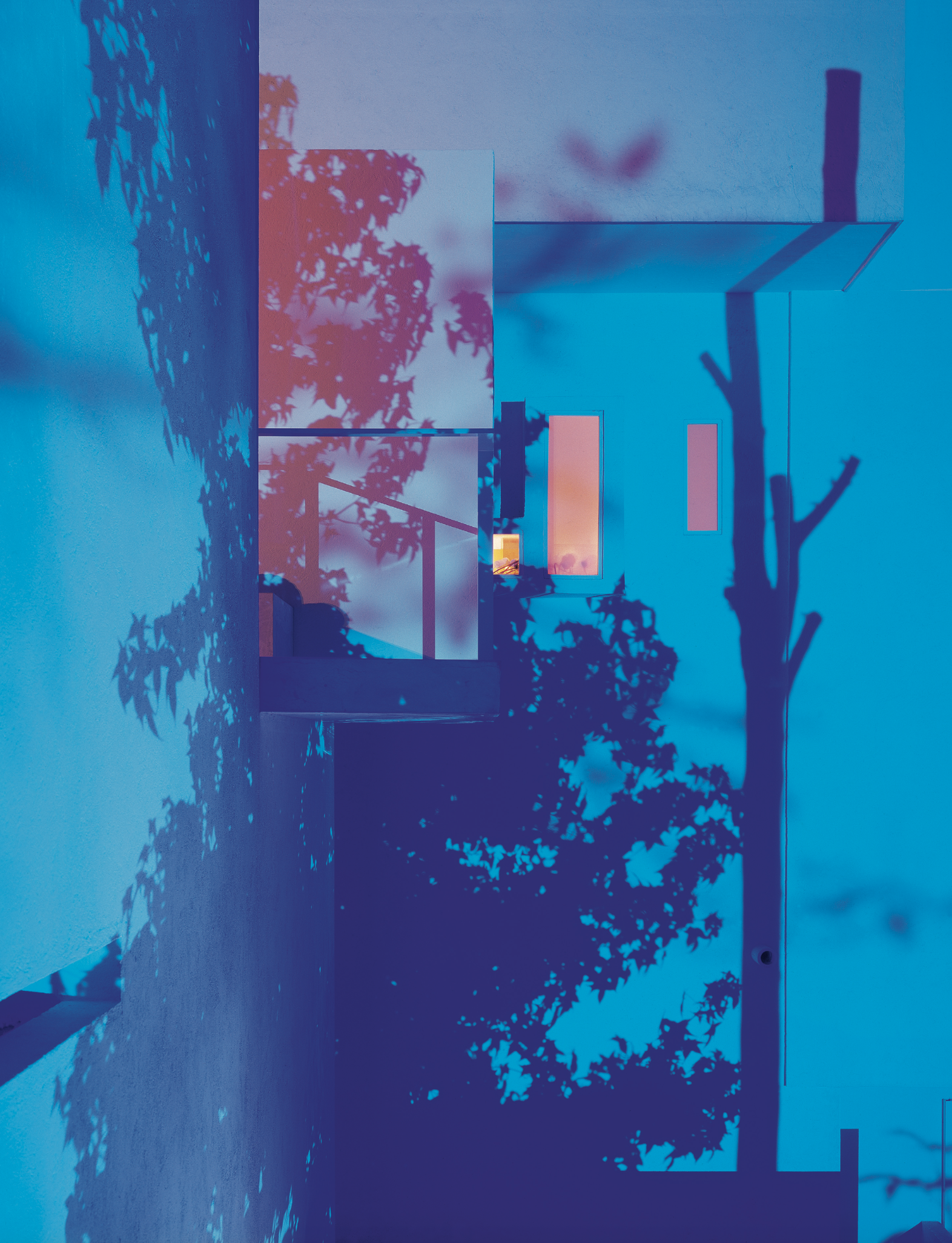
If you gamble on achieving what you want solely through technology, you will surely go wrong. Technological advances happen very quickly and are constantly transformed. Technology should not guide our intentions, given that it constitutes nothing more than a means, an instrument that can be used to generate atmospheres within the spaces we create. Intentionally integrating the latest technology can be enormously useful, given that it makes it possible to obtain greater ease, a more comfortable life in which architecture becomes a mediator of sensory experiences through silent contemplation. However, architecture that belittles content by superimposing technological aspects will soon become outdated.