
La Vista
Puebla, México
2009
Encanto Puebla posed a great dilemma in our work. It was a project in which it became clear to us that one cannot always focus on the part one most wants to, that the conditions and tools one ultimately works with do not always match what one would wish for. What I mean is that when a work is built to be sold, things must make numerical sense and respond to available, tangible financial resources.
In Encanto Puebla there was great tension between two sides, since I was simultaneously the architect and the developer. The architect who longed for things and recreated them through the mind and emotions, and the developer or financier who attended to the objective side of the project and was compelled to make it profitable. Only a healthy relationship between the two would allow work to continue being done. The development of this project ended up being a great challenge.
Photography Joe Fletcher , MAA, Victor Benitez, Nicola Lorusso
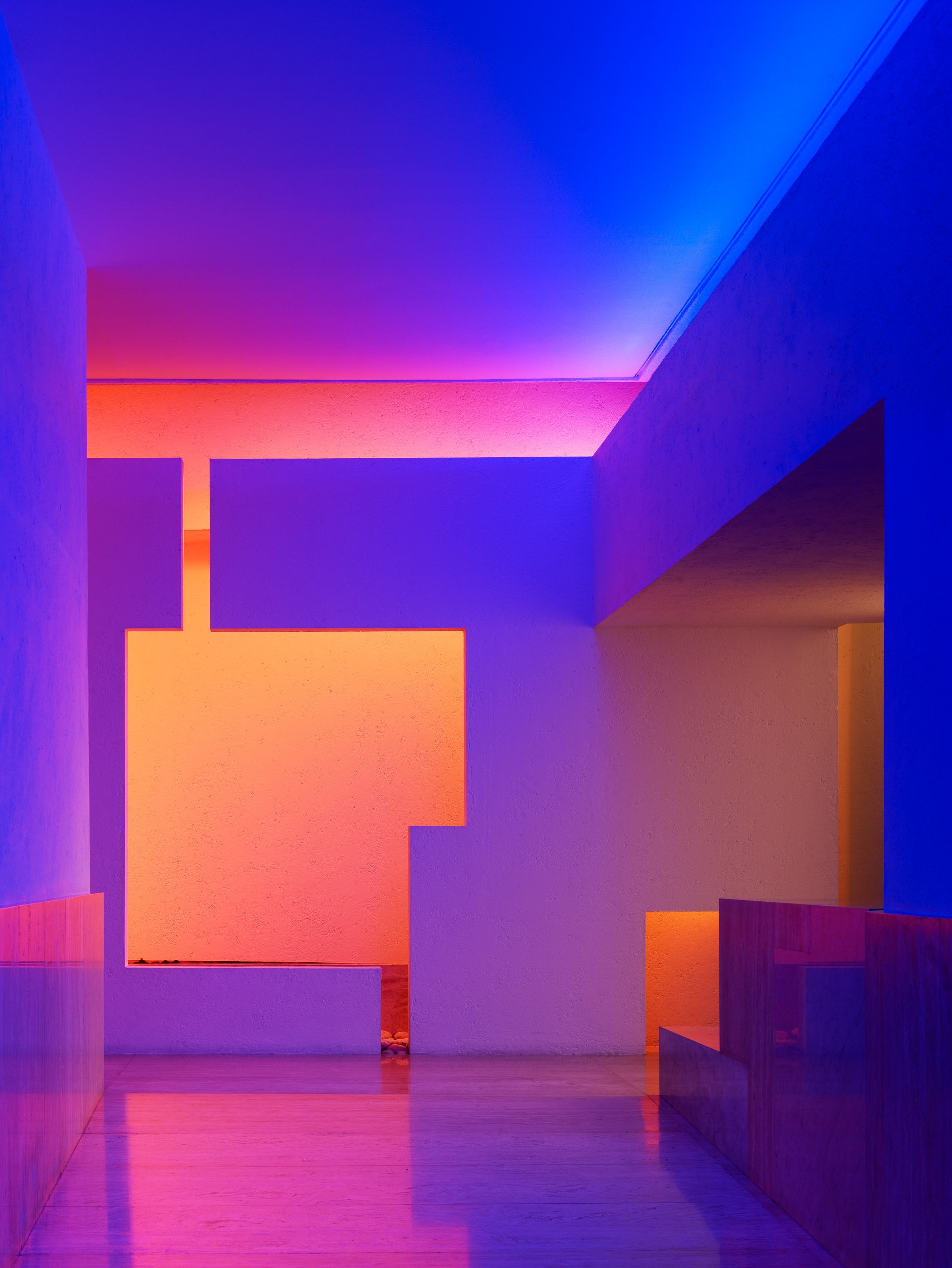
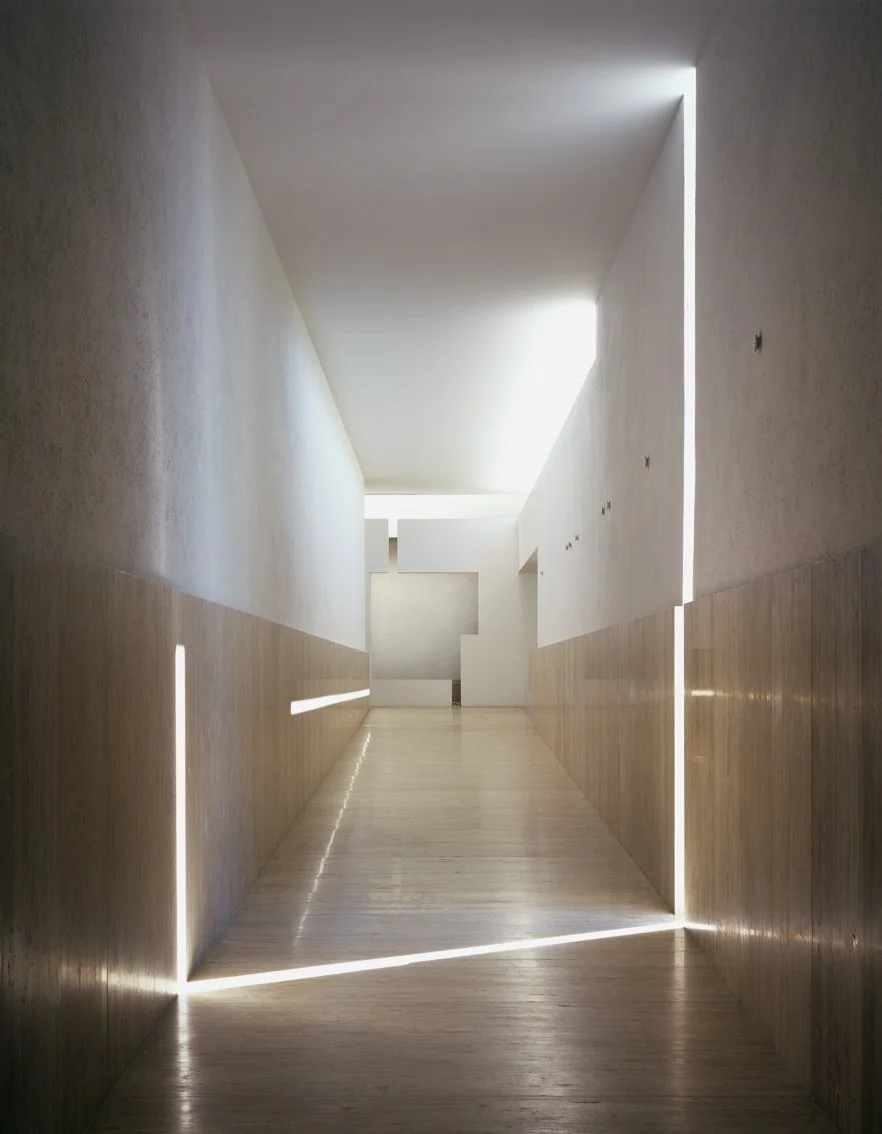
The process moved me; I learned. This project was an experience in which it was important to "stay grounded" — I always kept my feet firmly planted on the earth. It is not what one enjoys most, but it is one of the essential parts of my work.
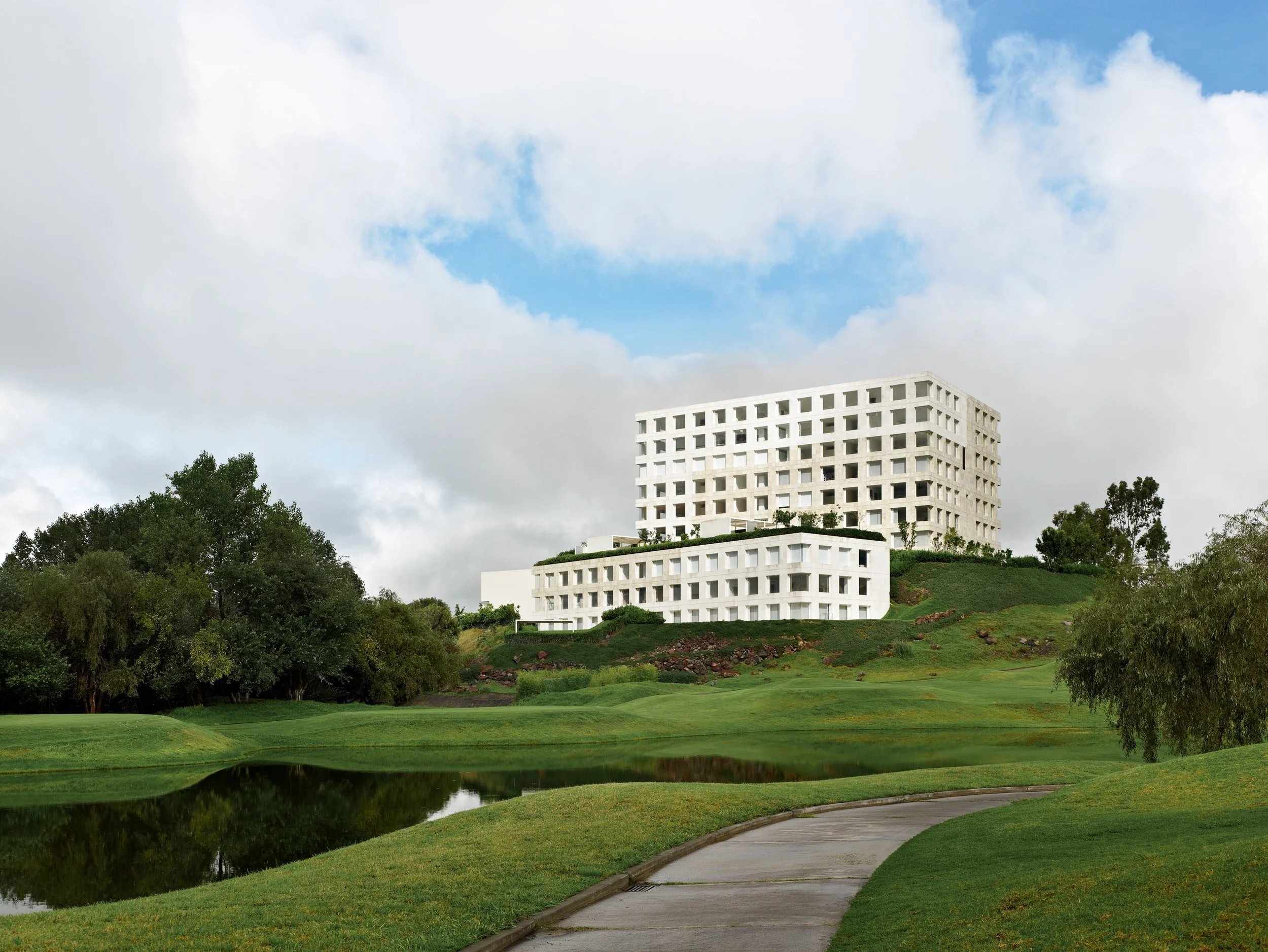
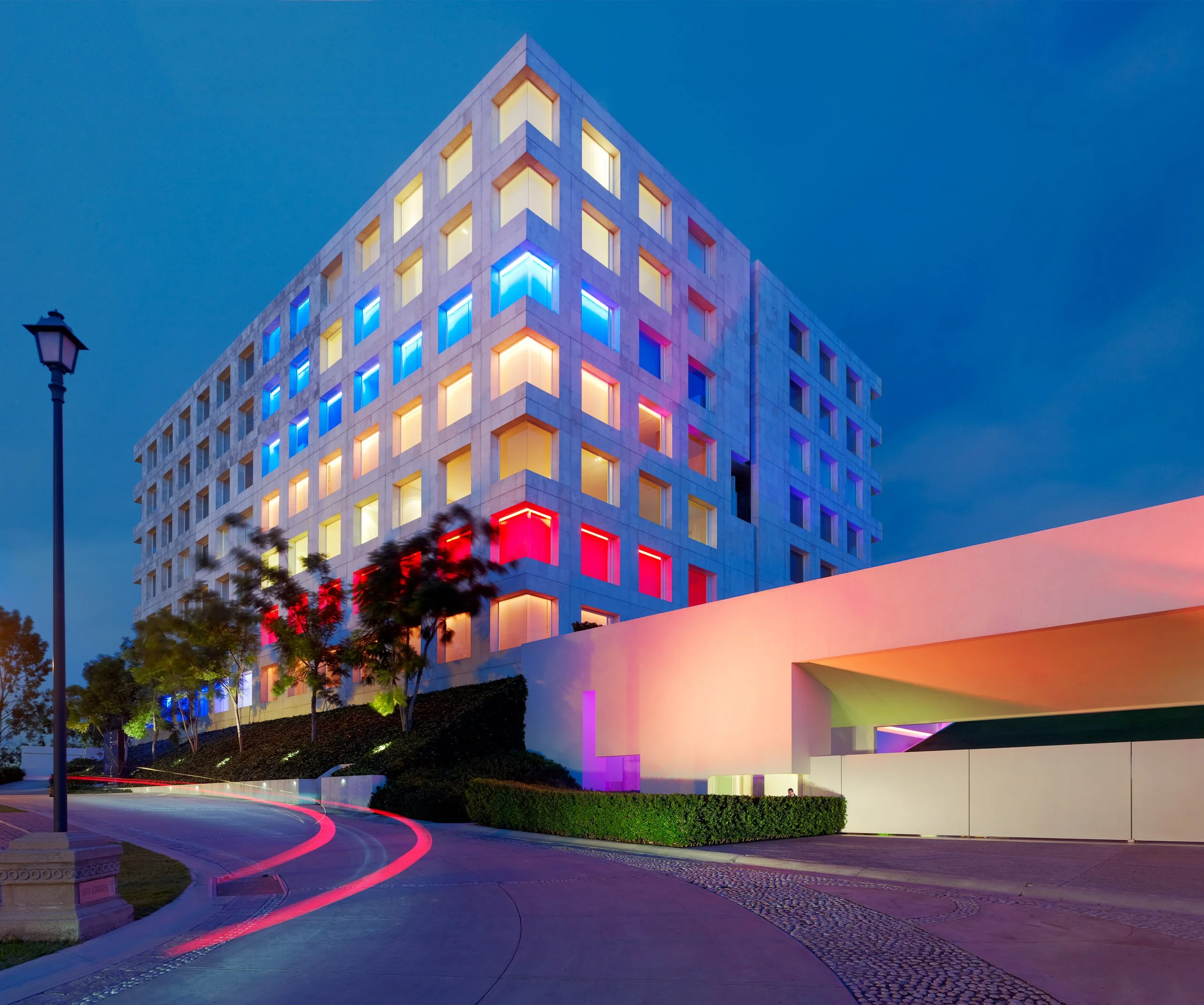
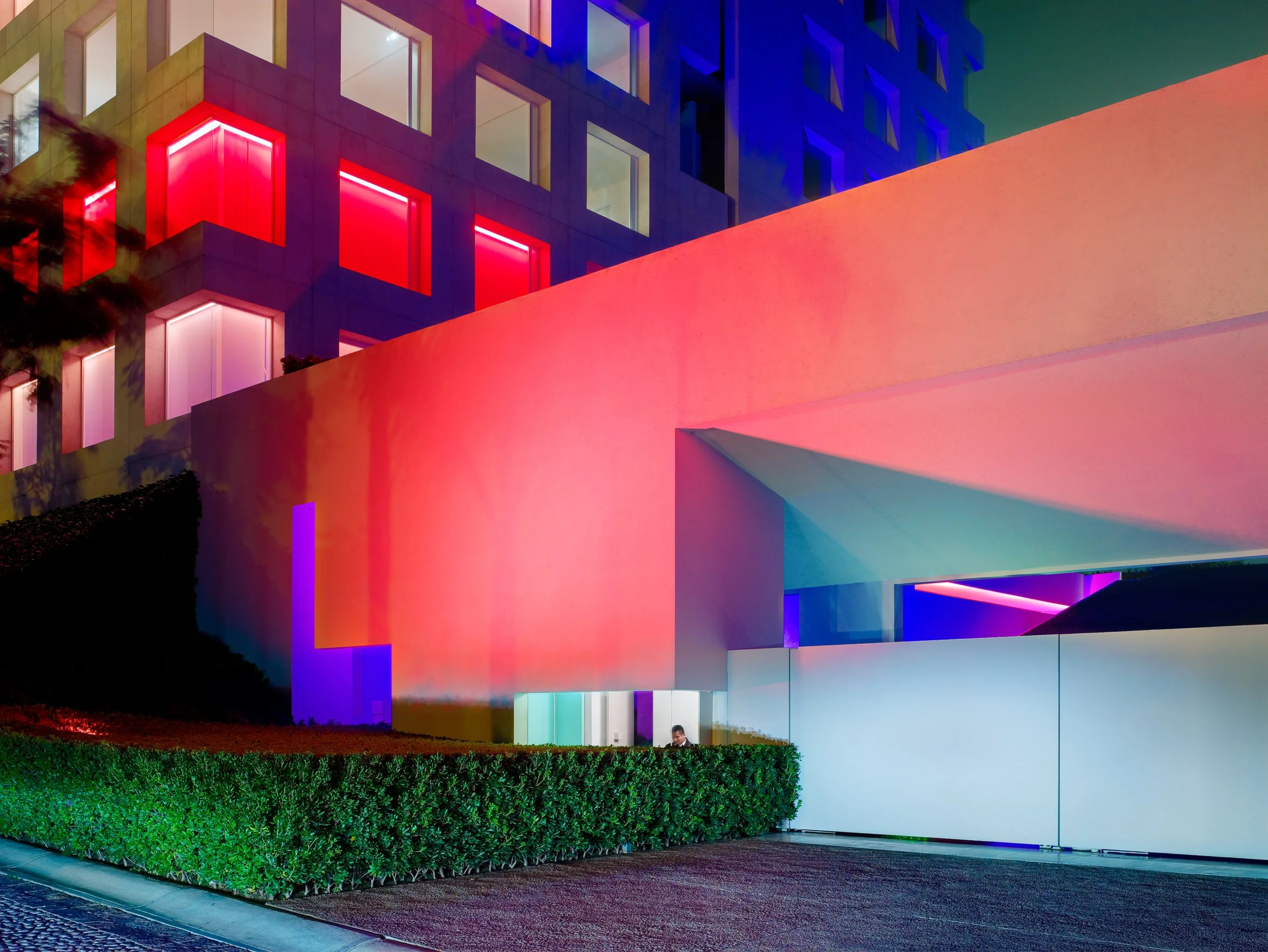
The idea with which I originated this project had no precedents in Puebla. My proposal came from a different language, for it pursued simplicity and synthesis in contrast with the local architecture.
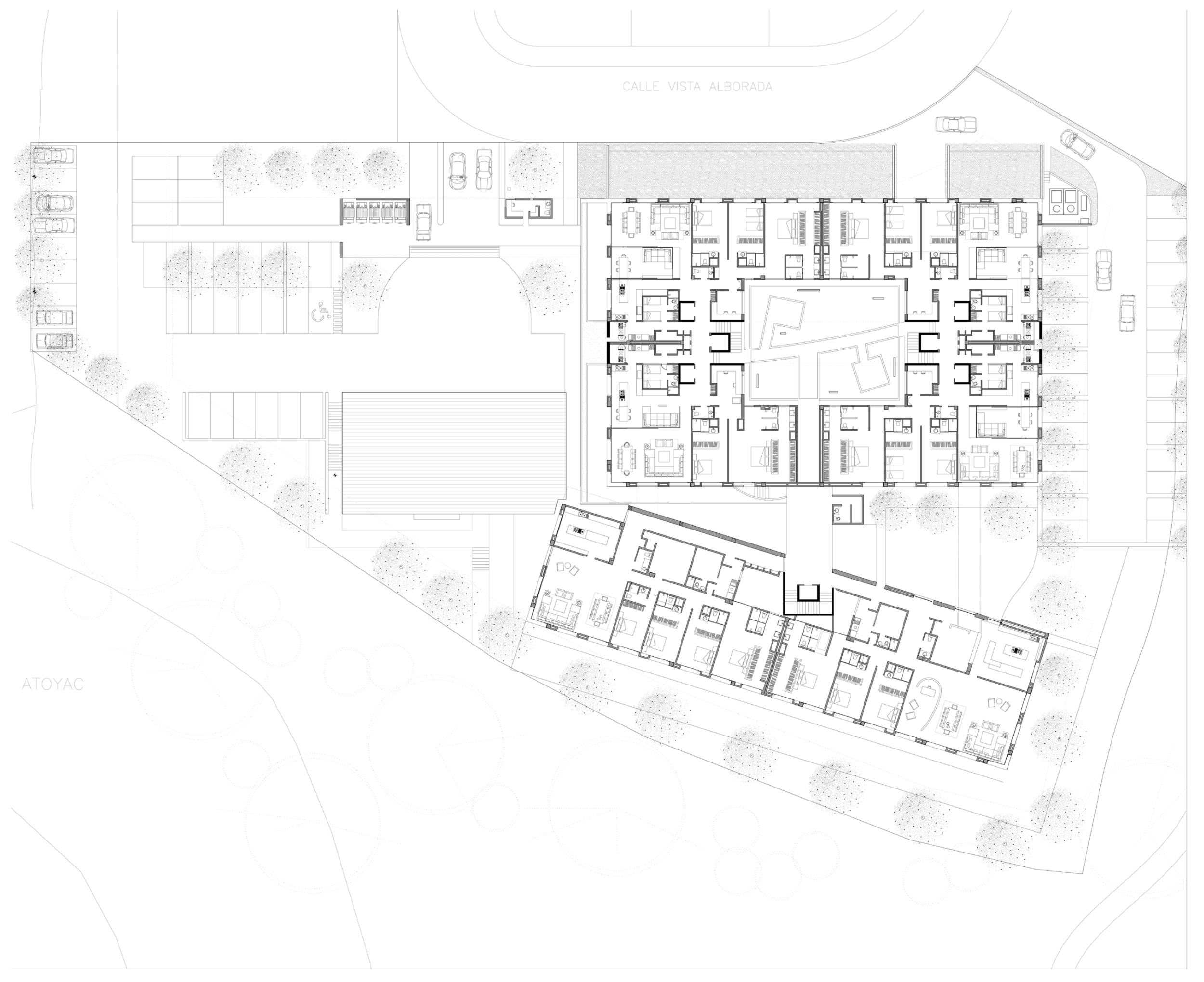
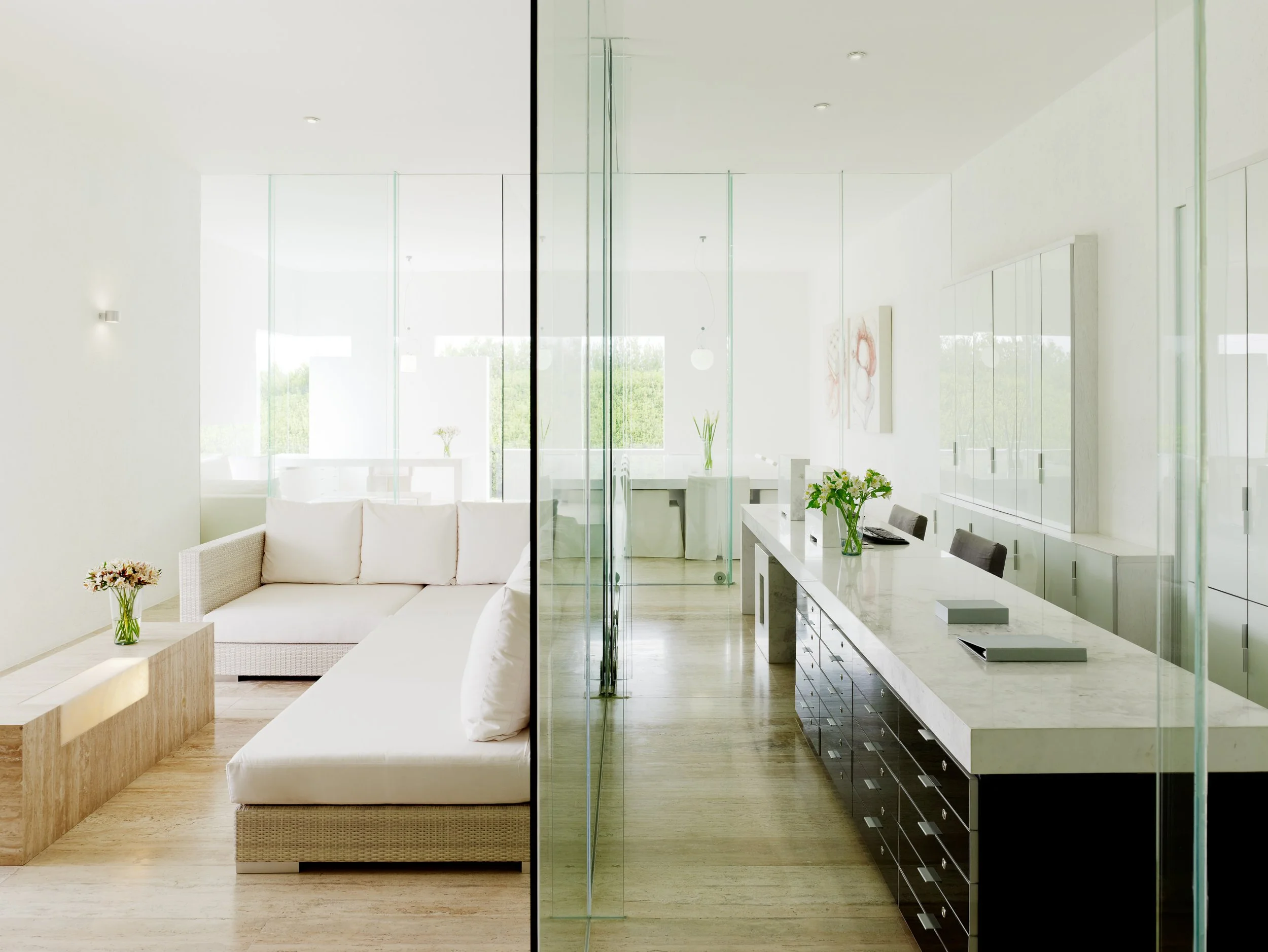
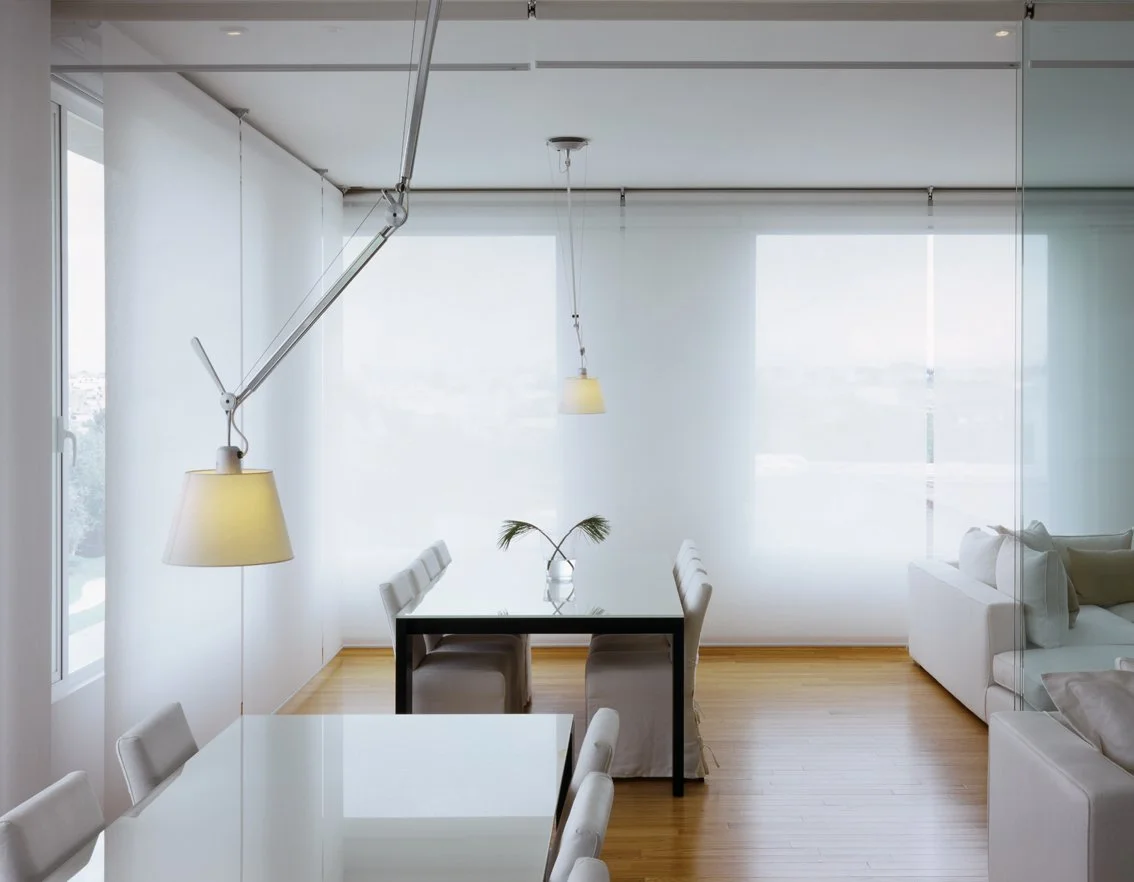
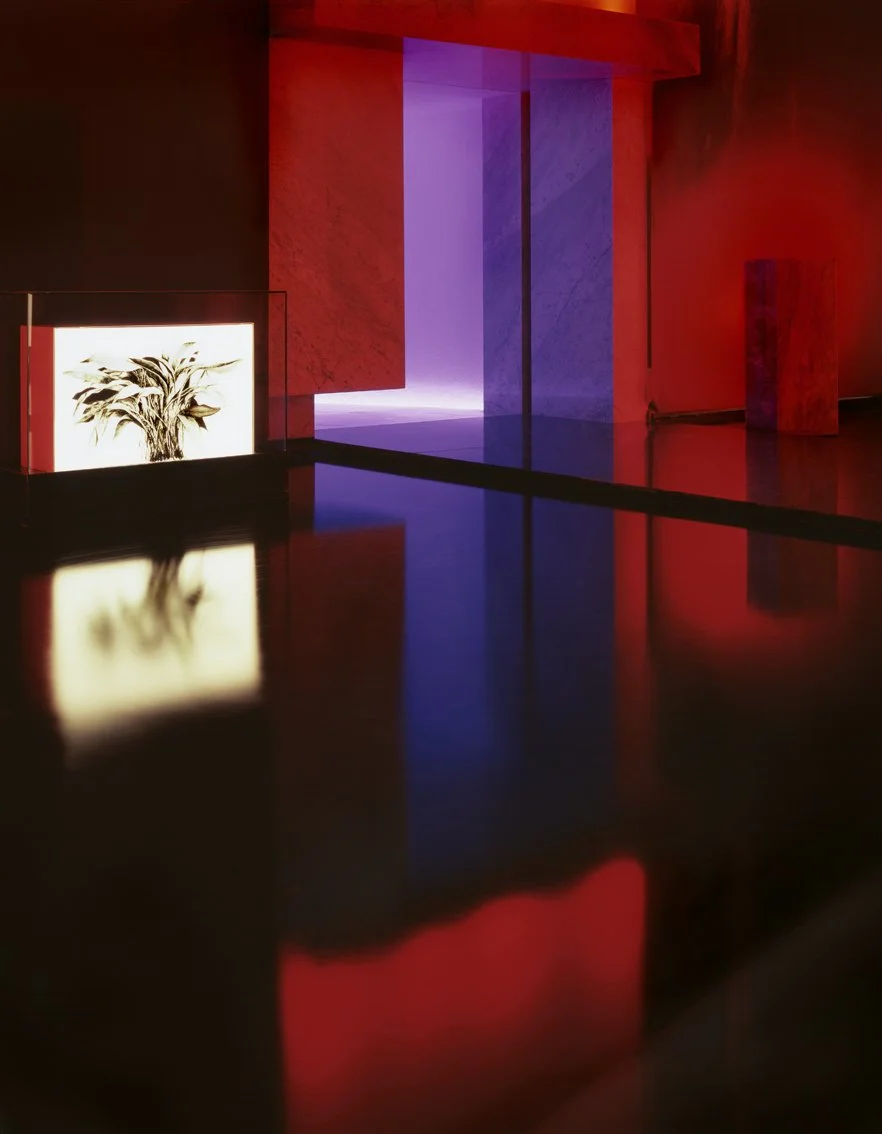
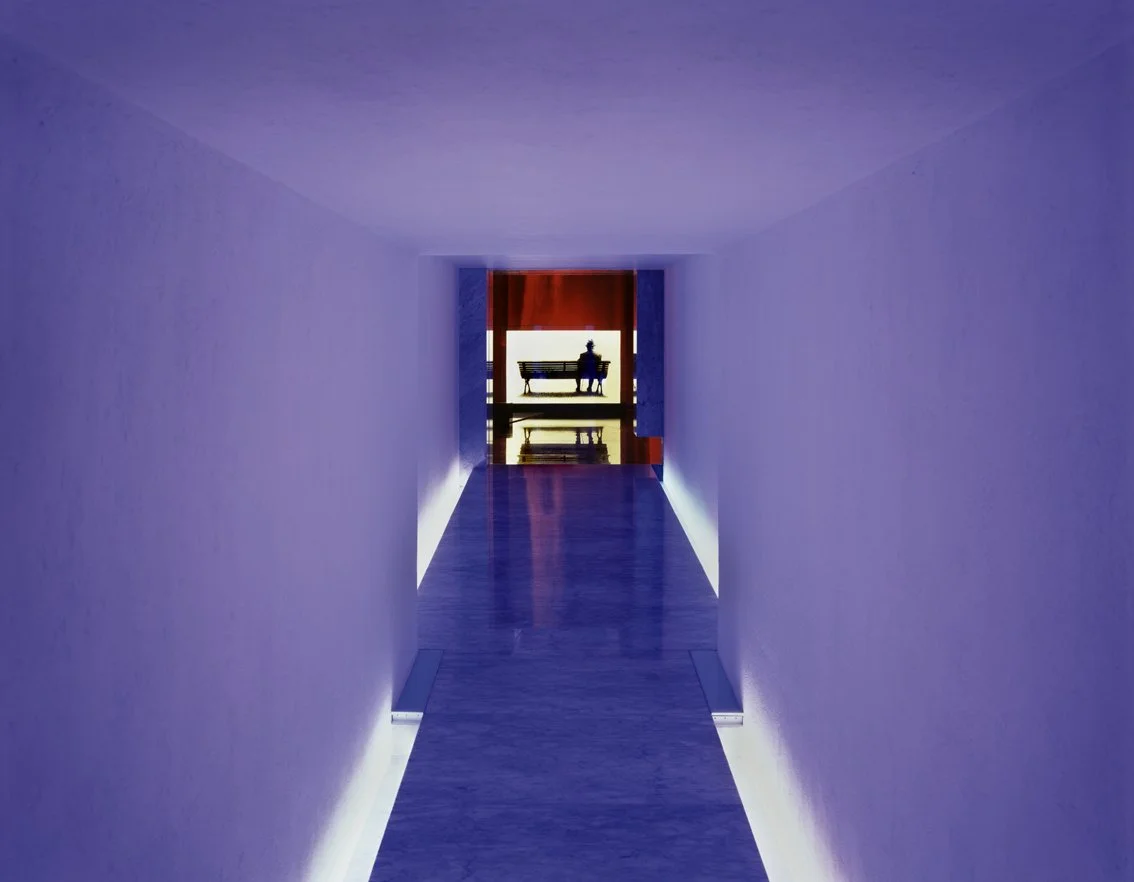
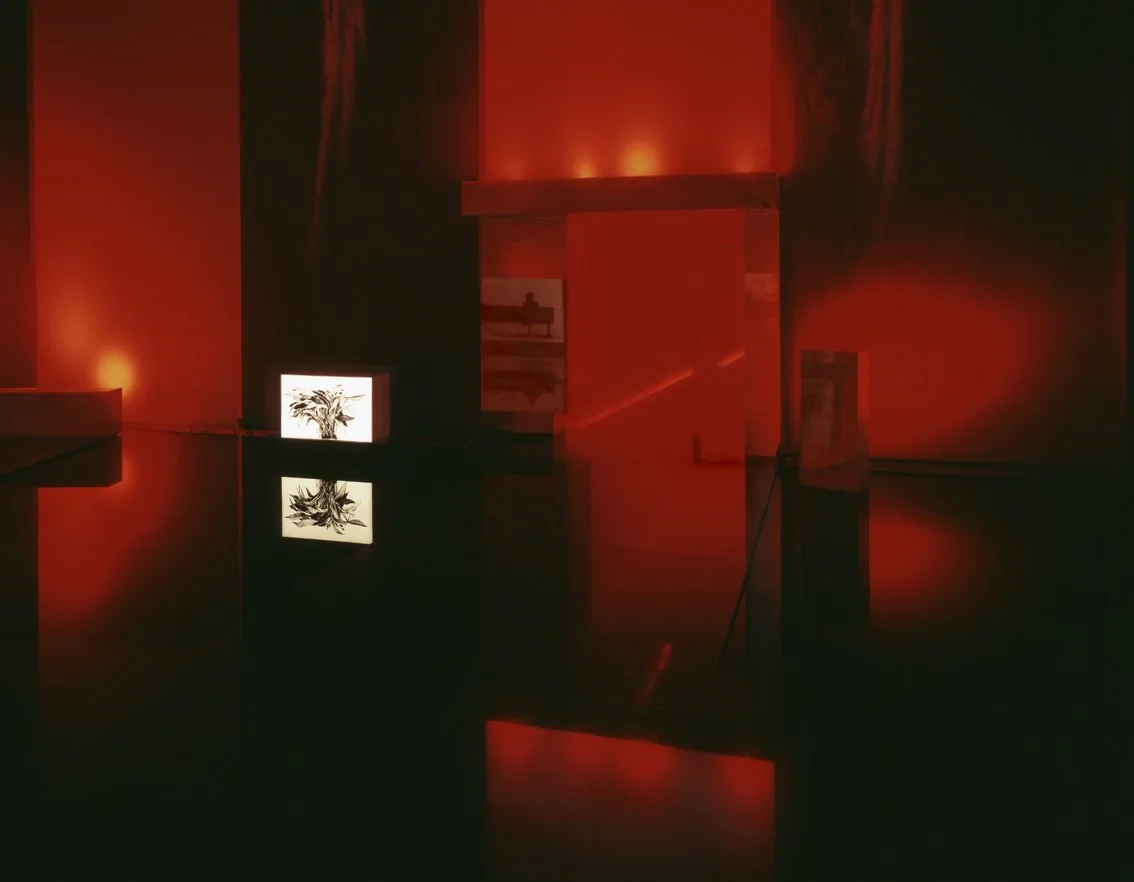
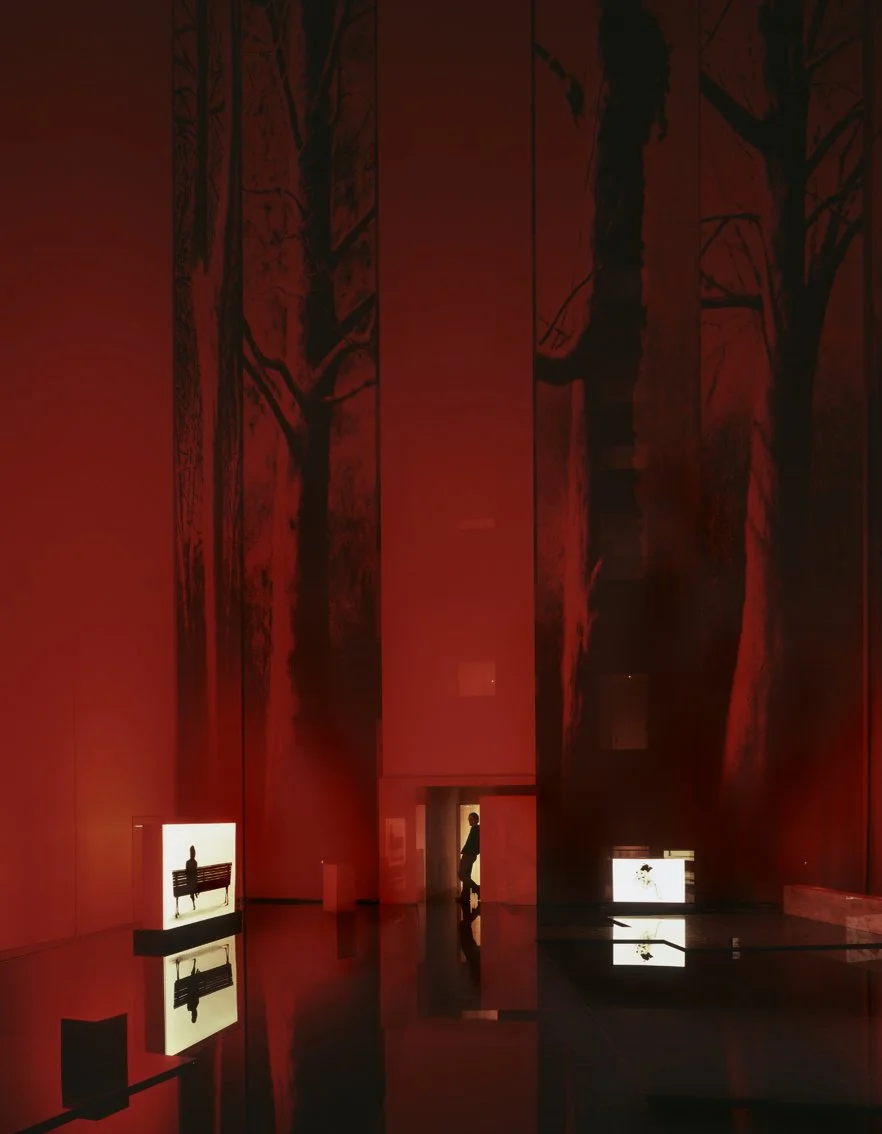
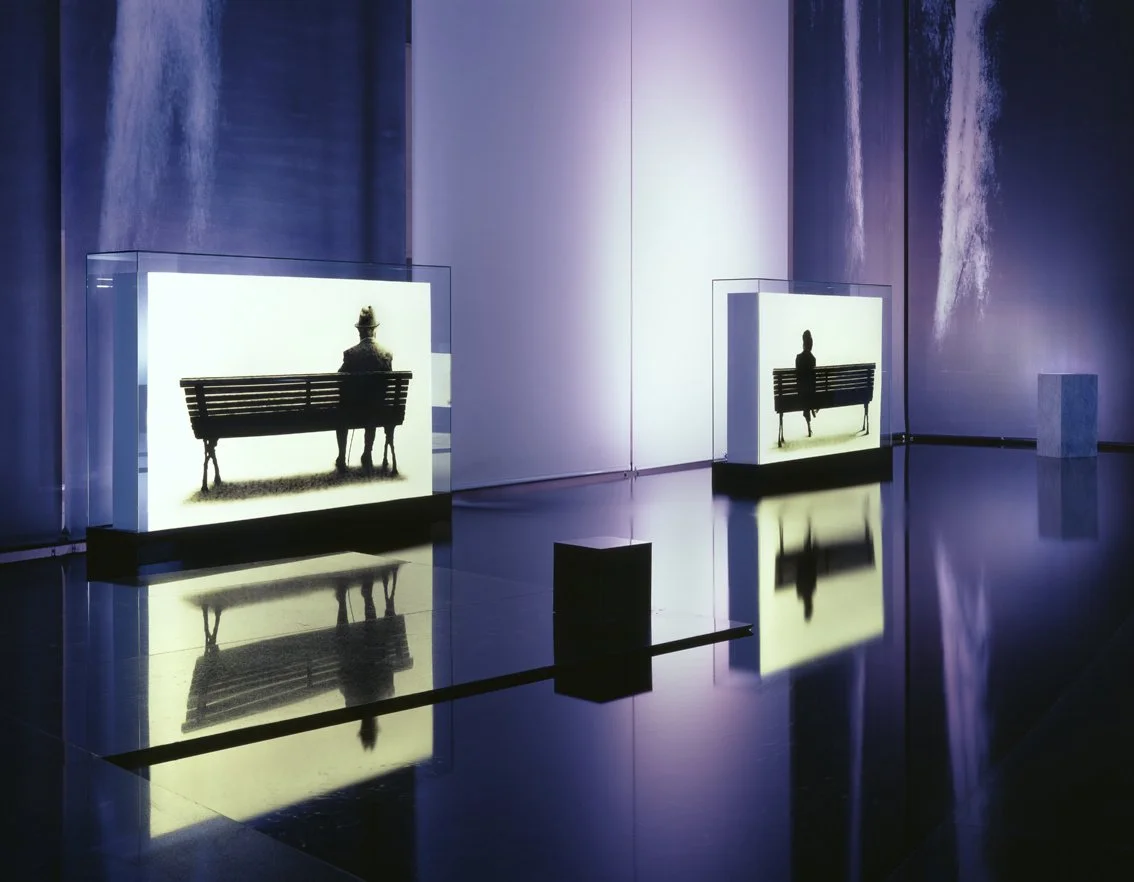
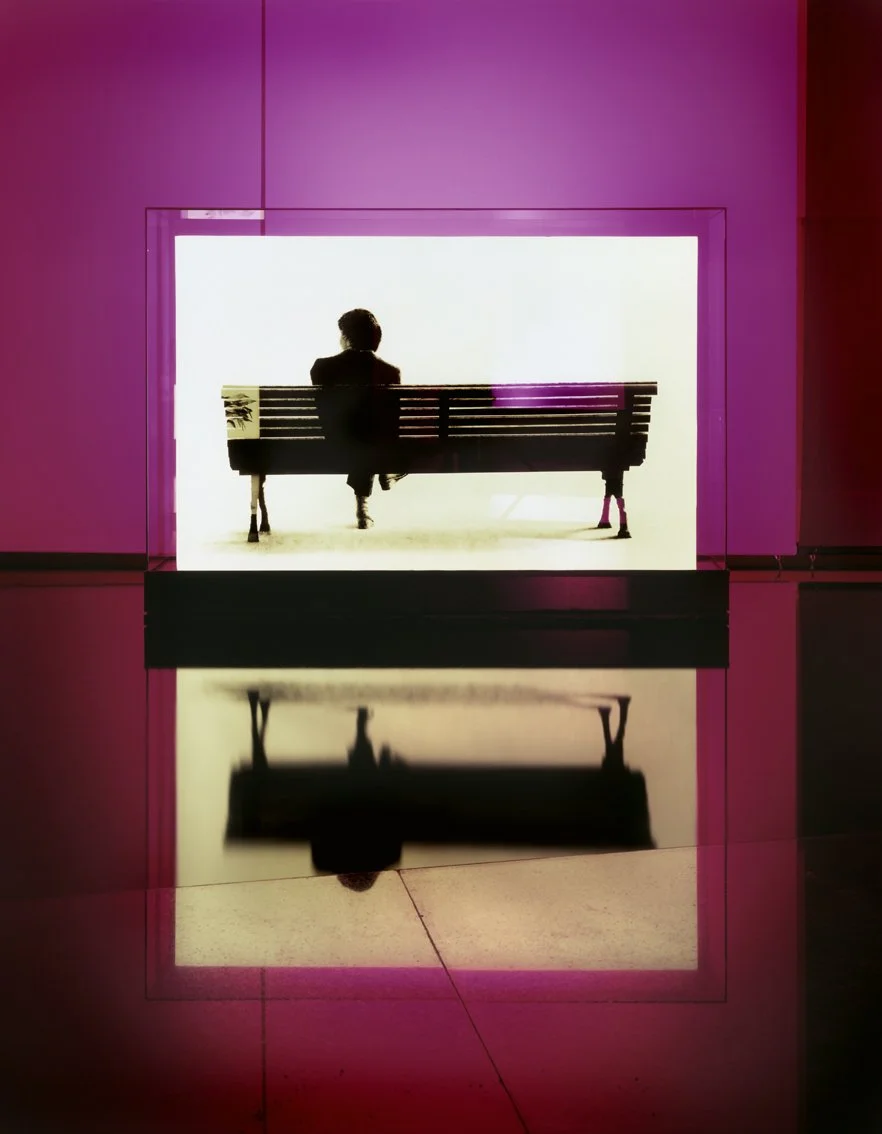
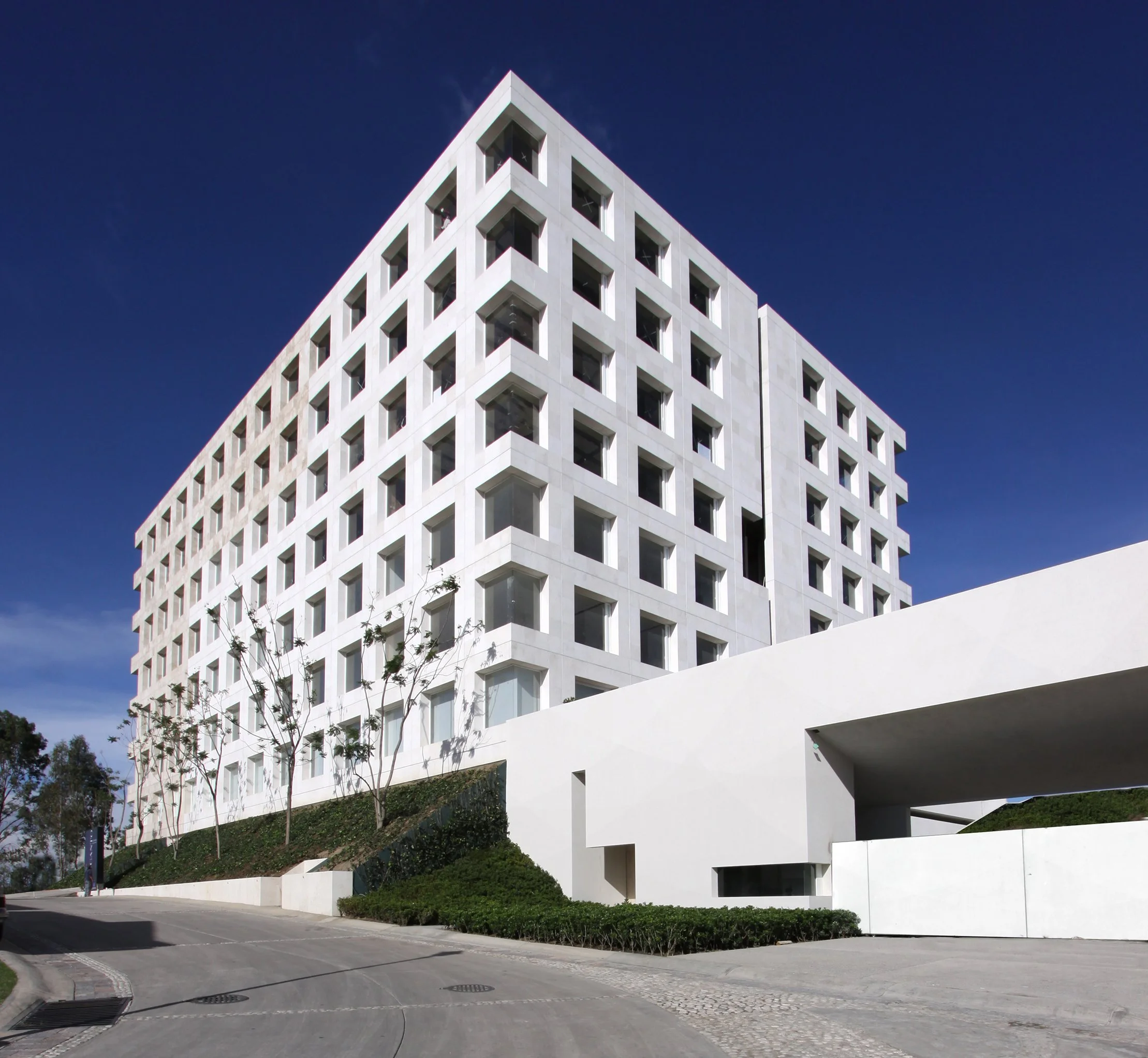
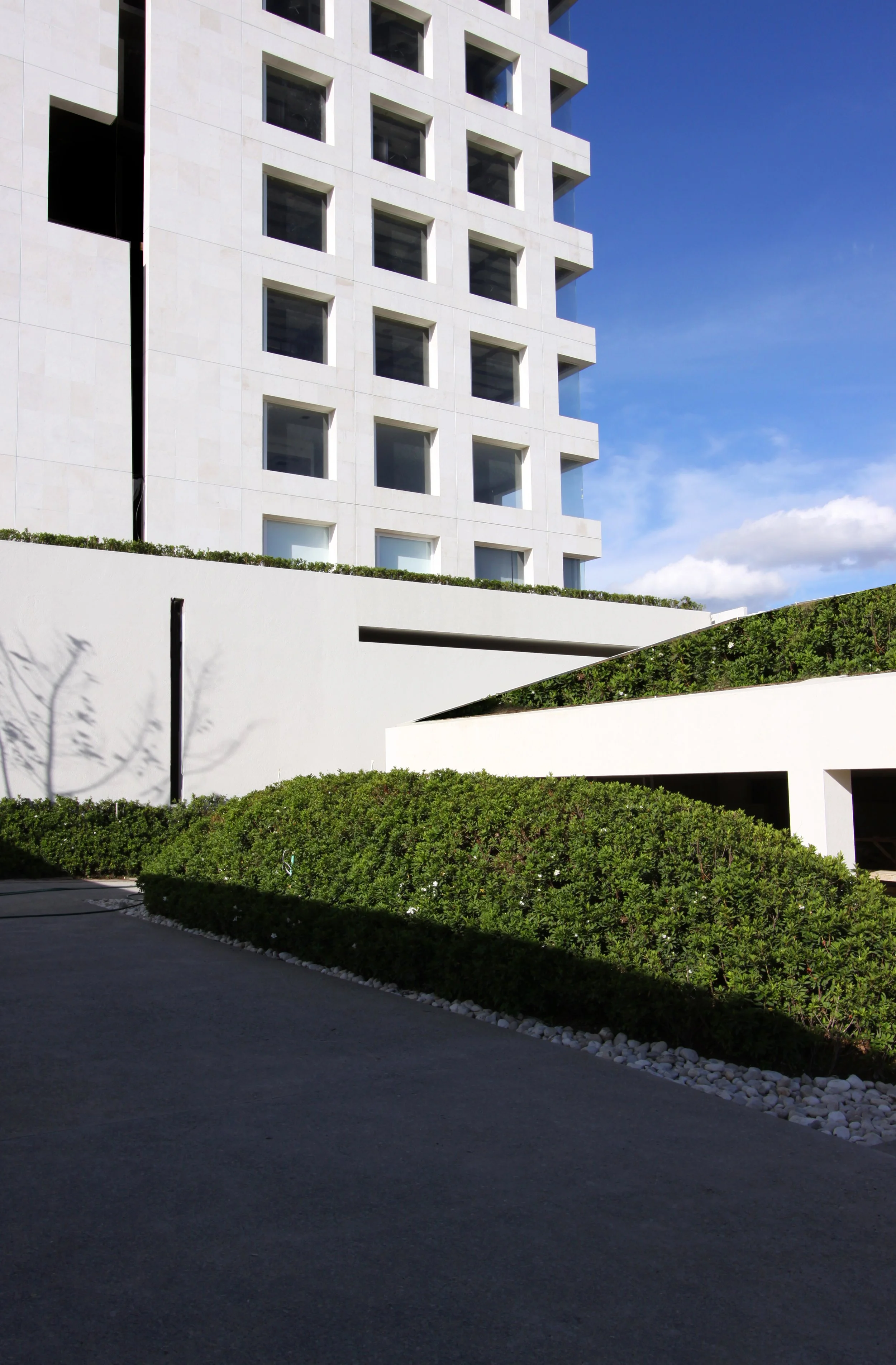
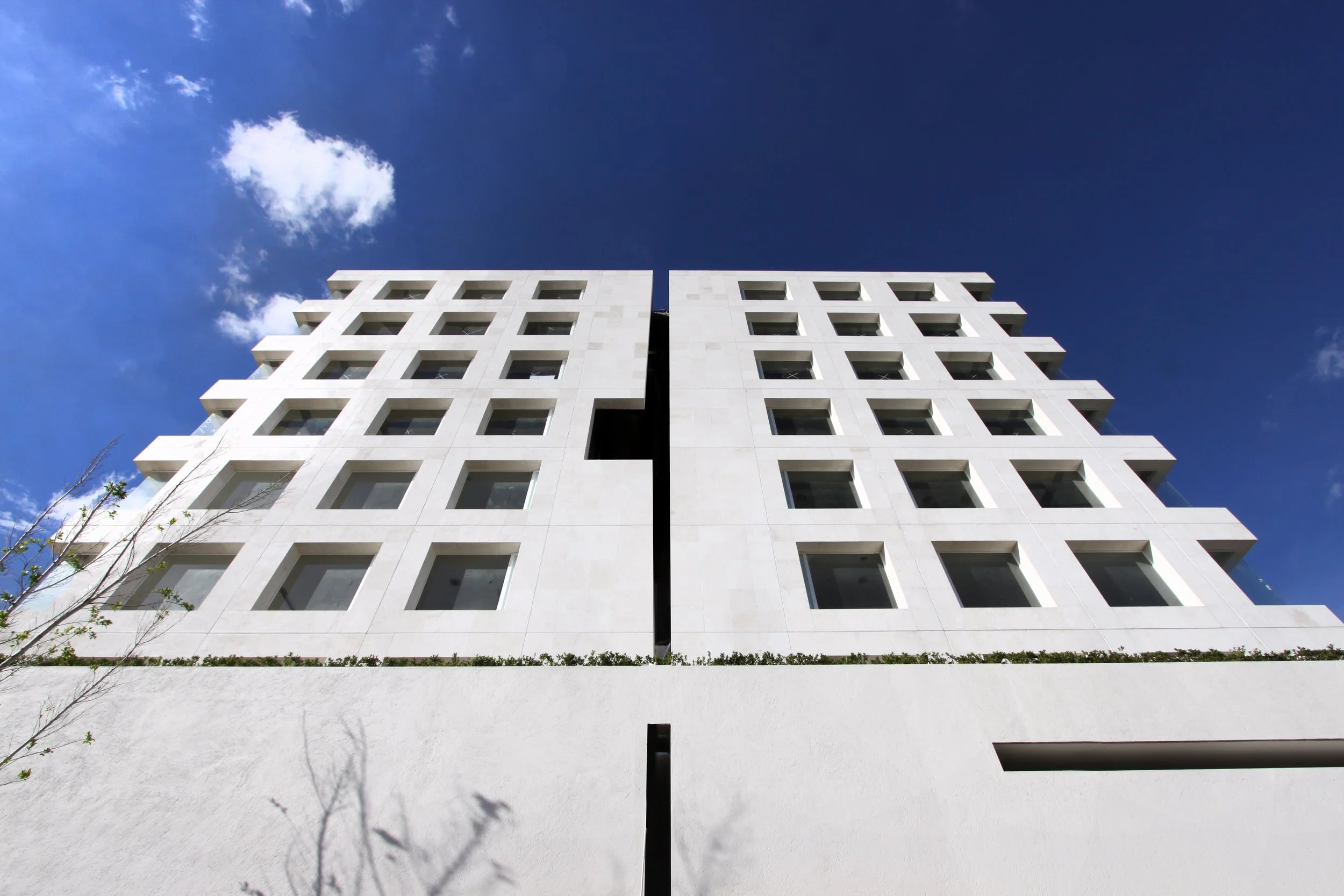
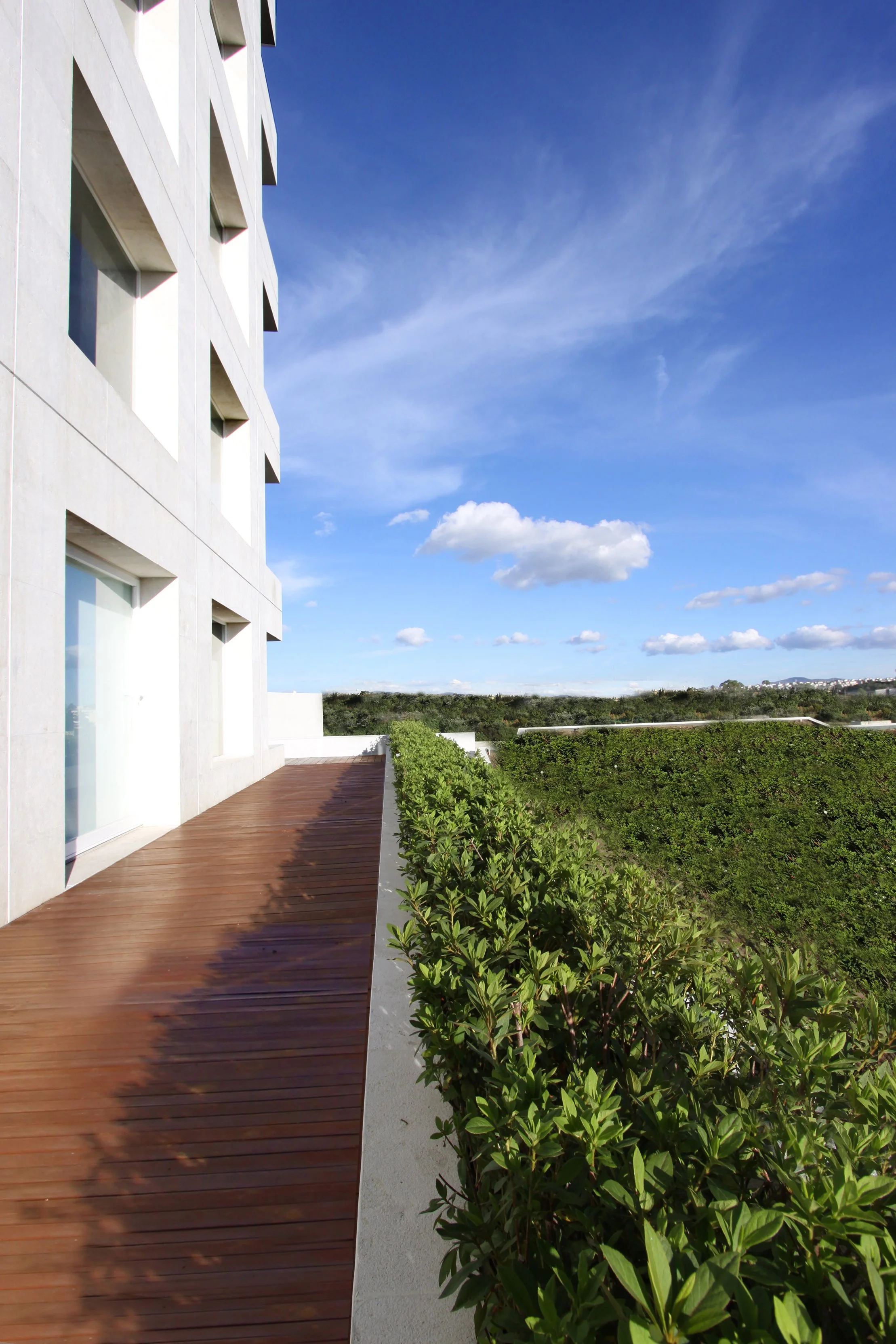
The foundation of the project was the cube — nothing is simpler or more stable than that geometric figure. An ideal structure, perfect by virtue of the relationship between its parts, and because it allows for the optimal number of walls, the exact quantity to plaster, cover, and then paint. All of the above refers to the theme of achieving a good result with the minimum of resources. That is what this project represents.
From the very beginning I considered various construction alternatives, different proposals to achieve the most viable cost for that condominium development: first, steel; second, concrete; third, a hybrid of steel and concrete; fourth, a combination of these based on post-tensioning and pre-tensioning.
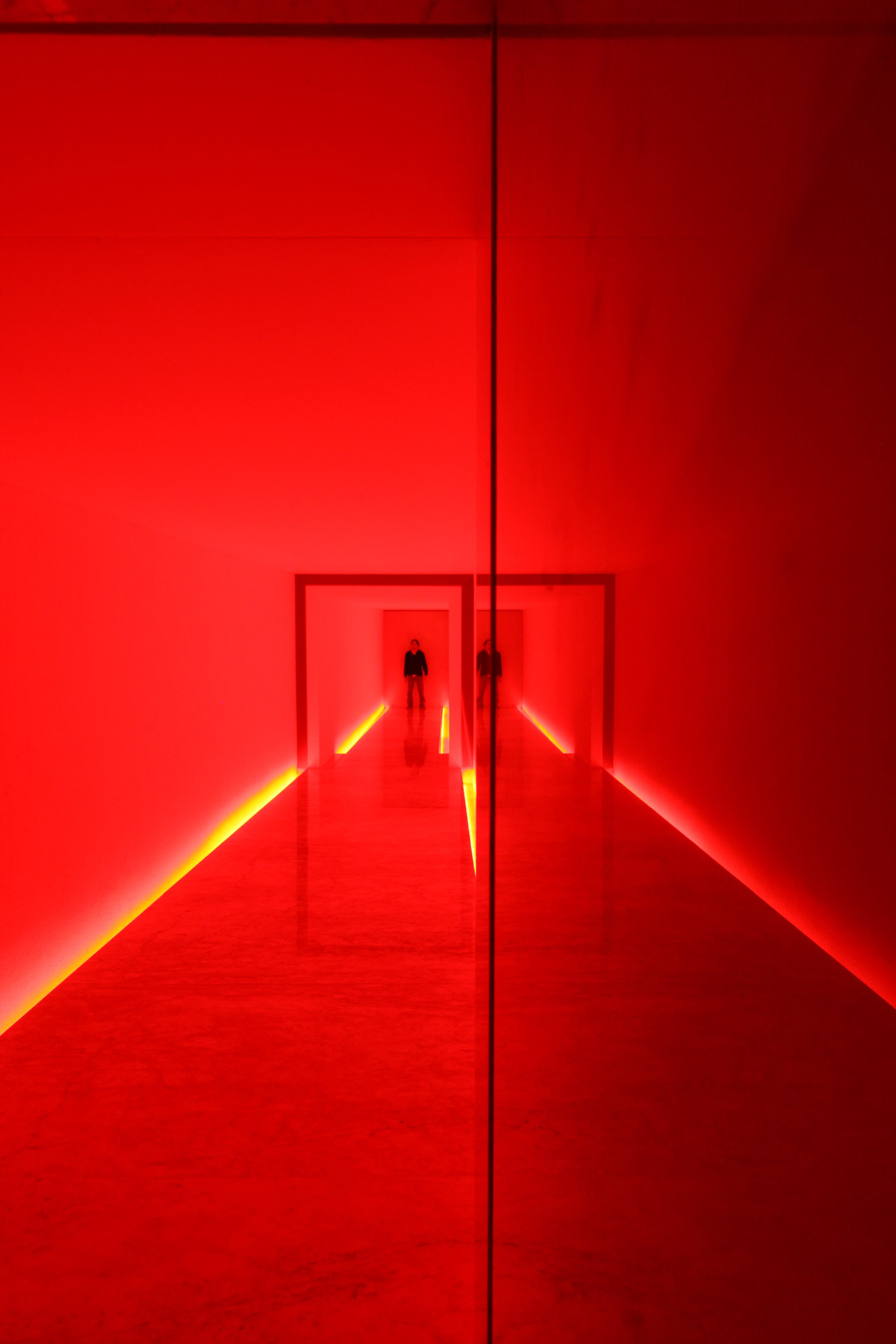
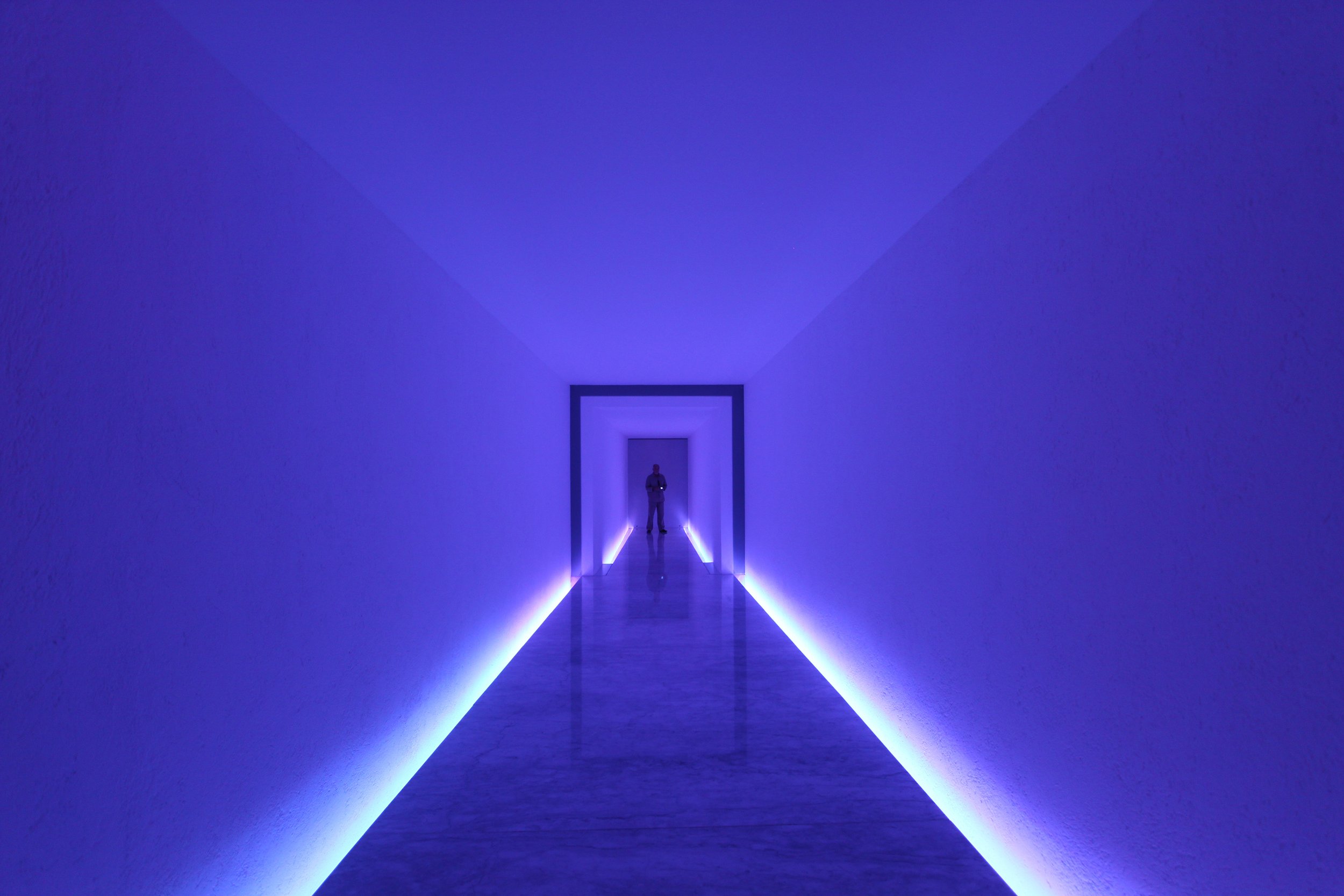
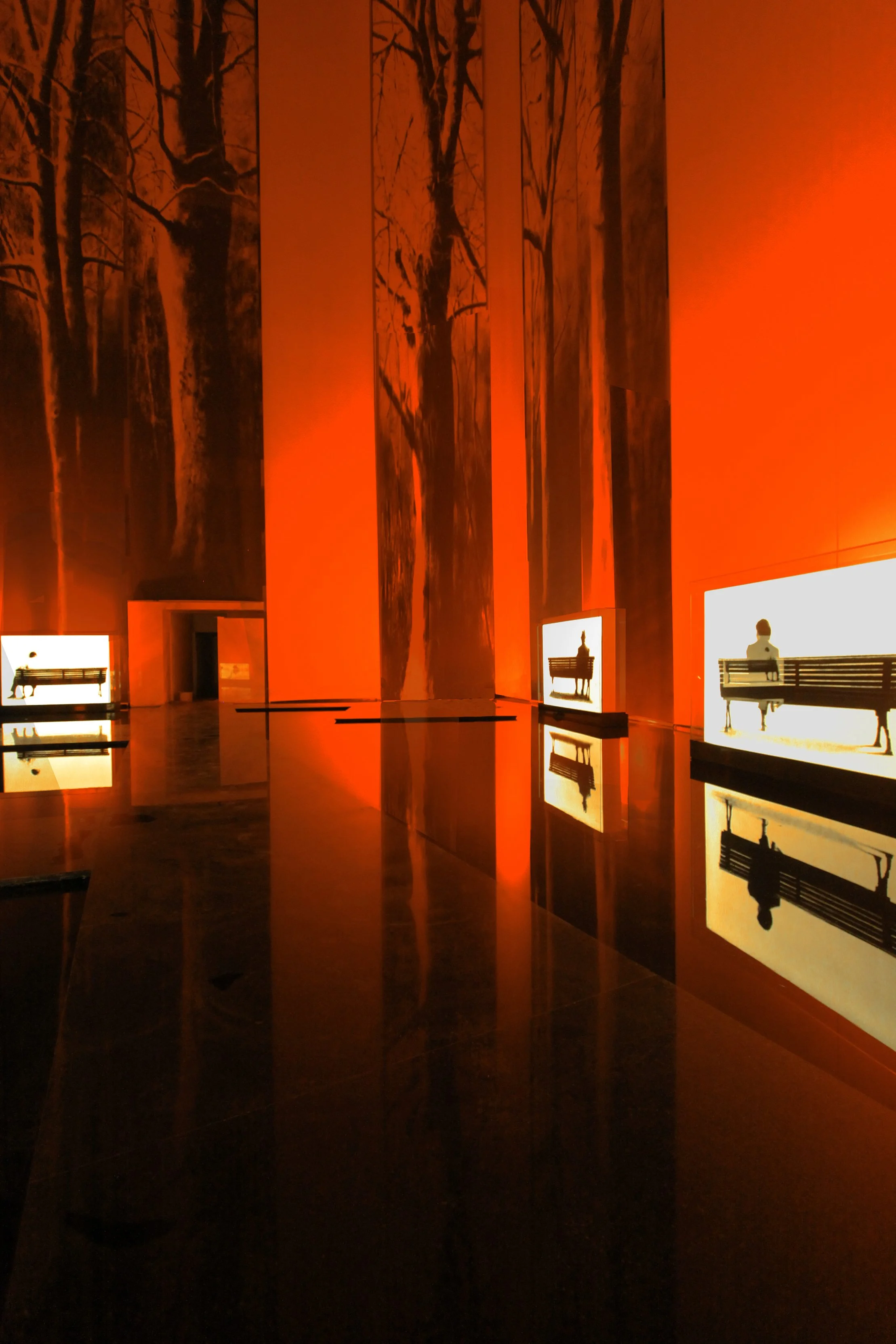
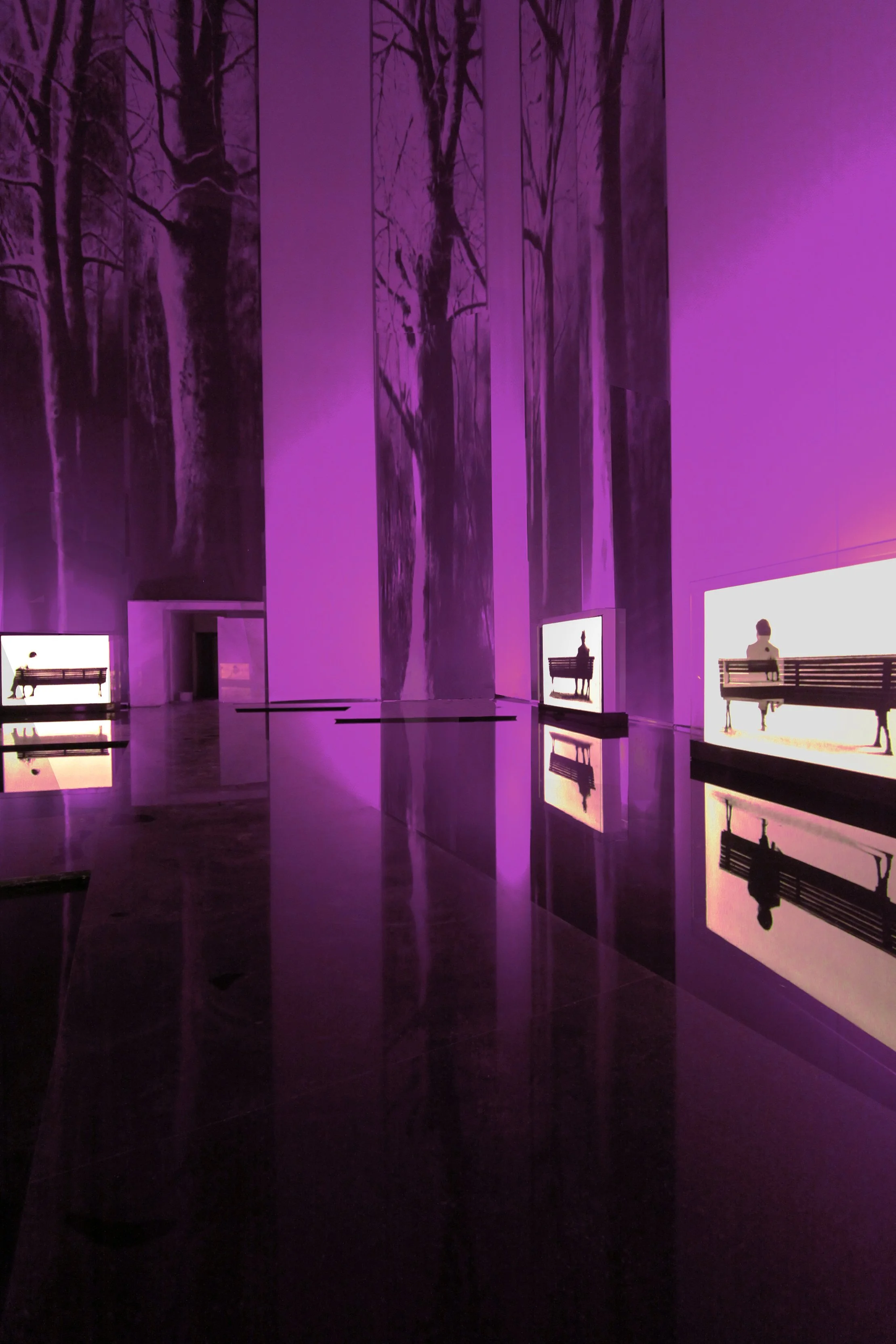
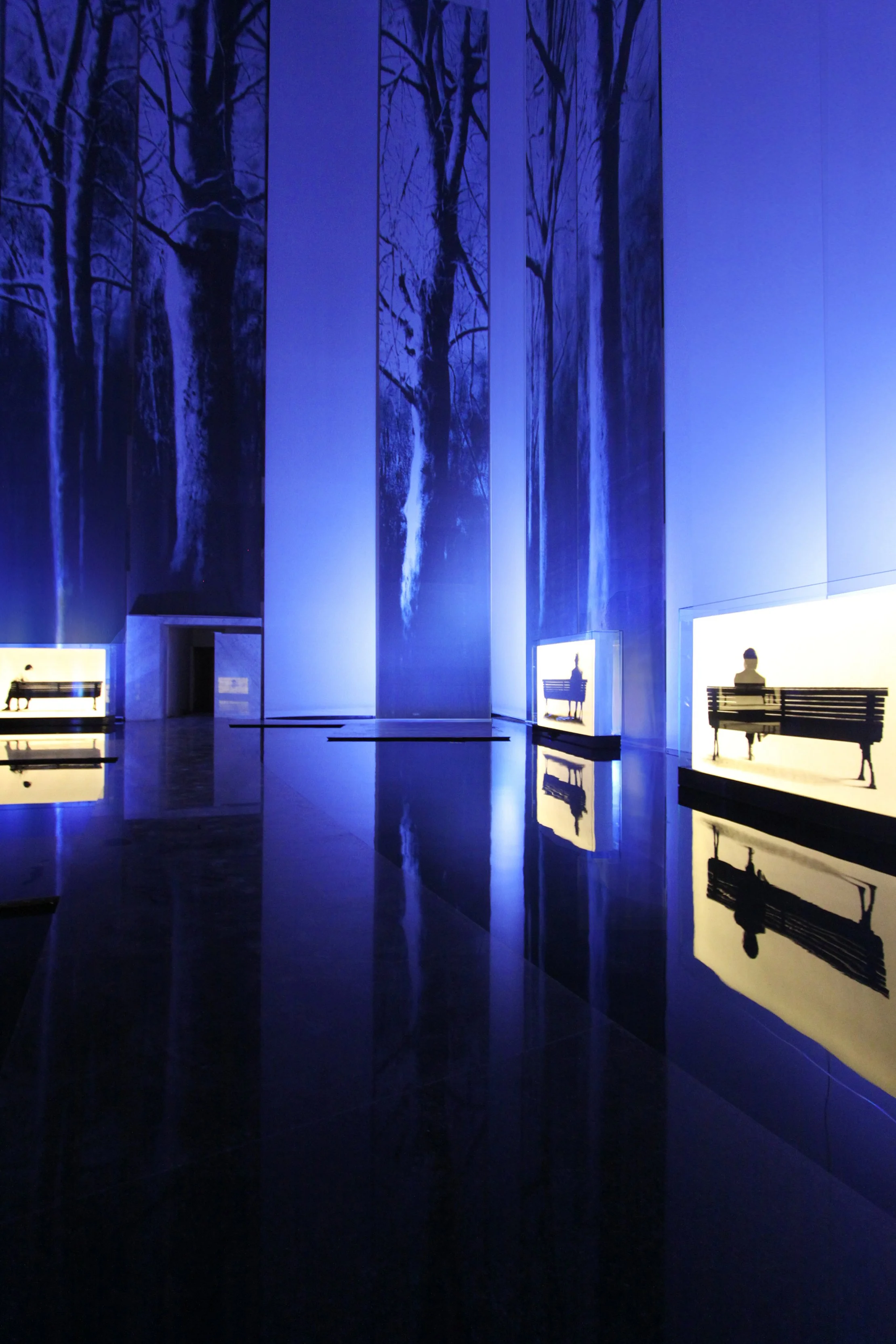
The project always had a precise objective — it was a project in which there was great clarity. With it I was able to achieve an optimal structure, in keeping with the site and the circumstances.
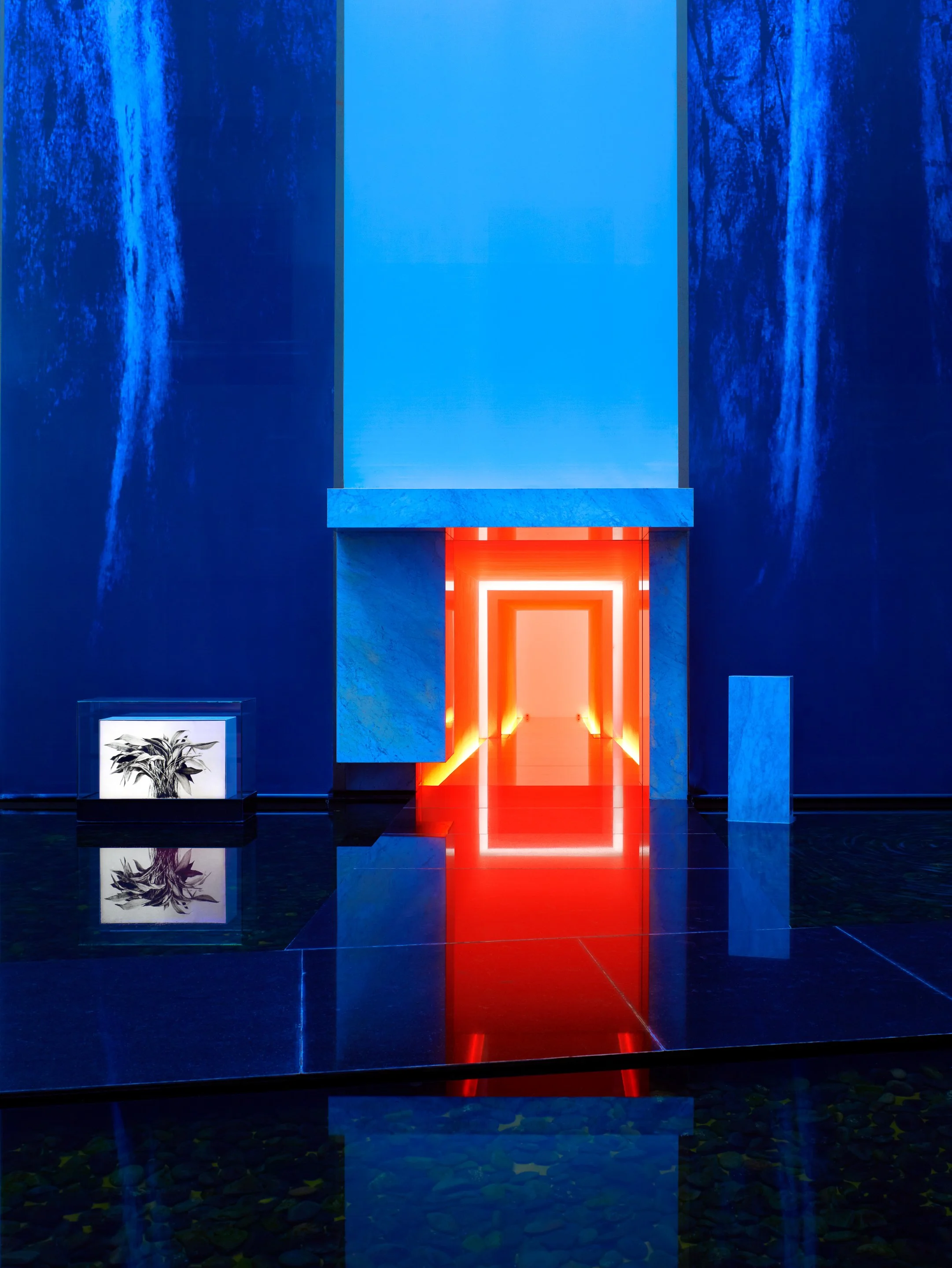
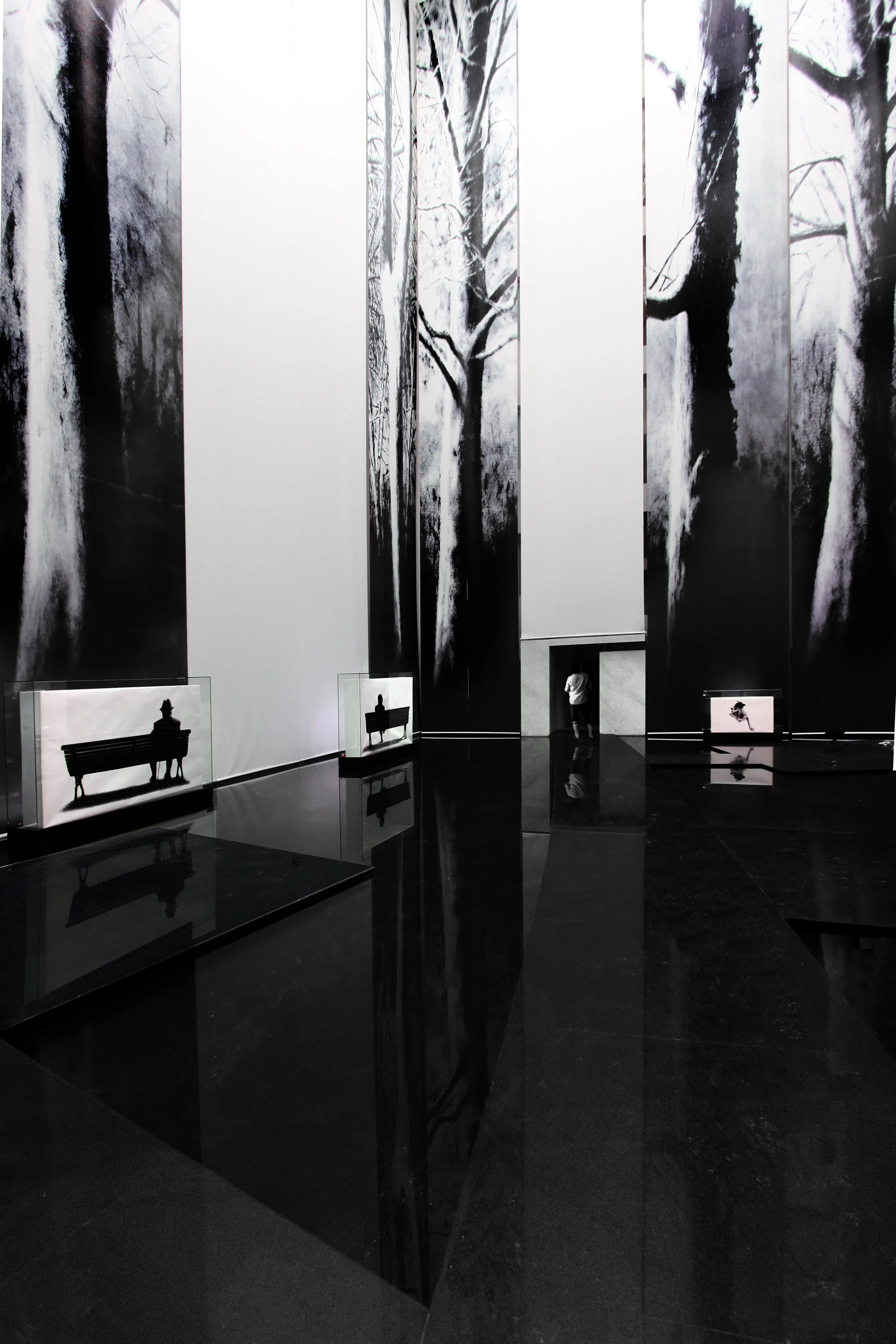
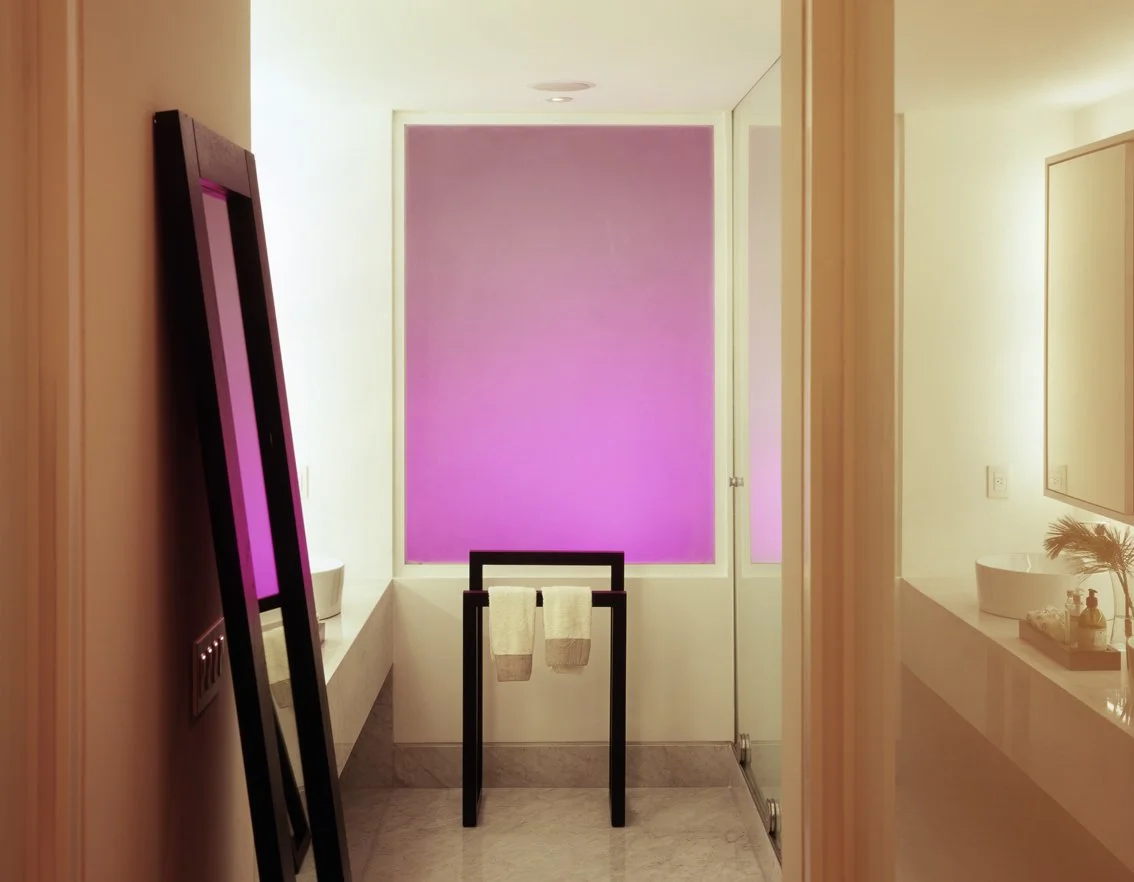
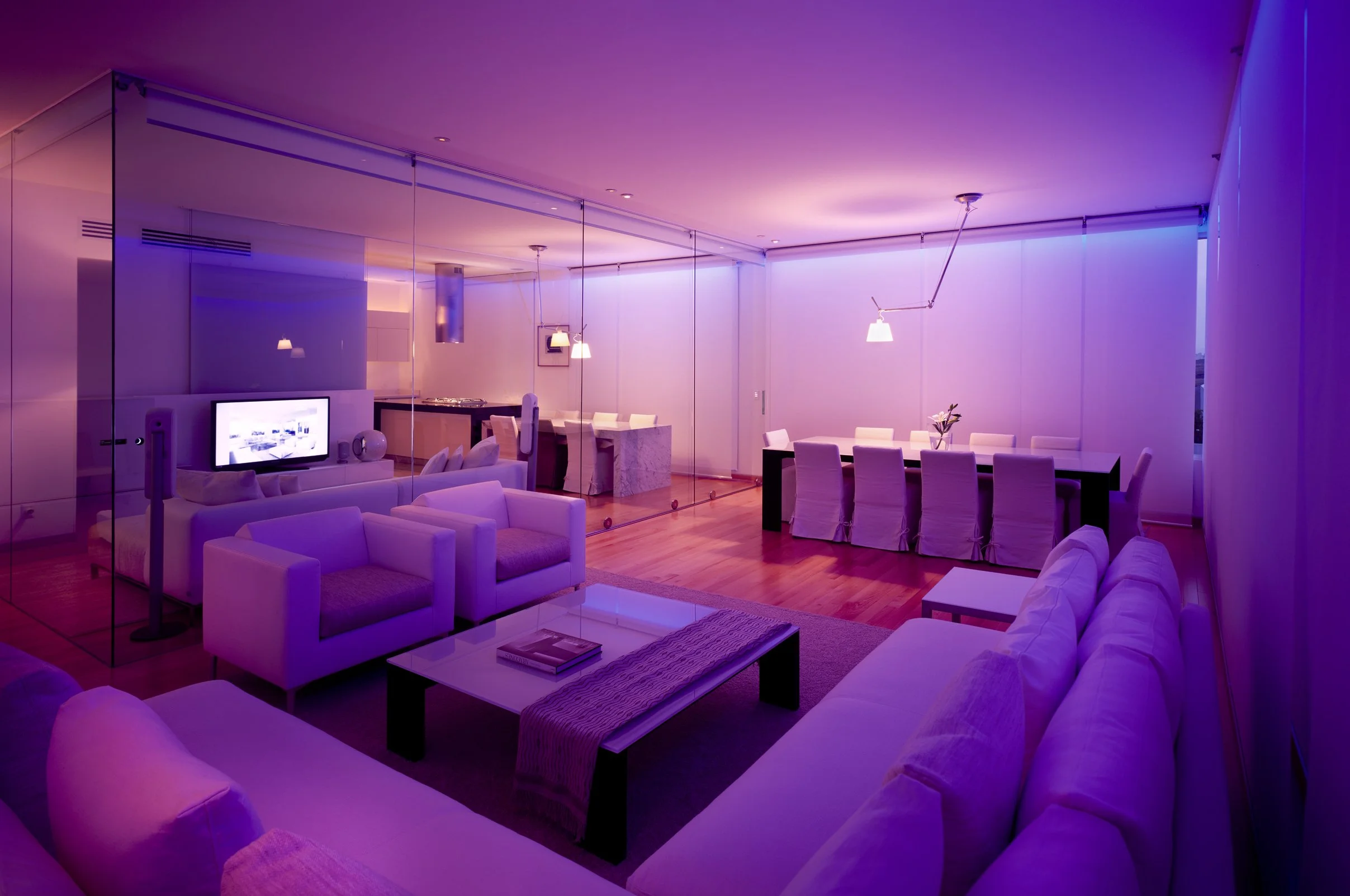
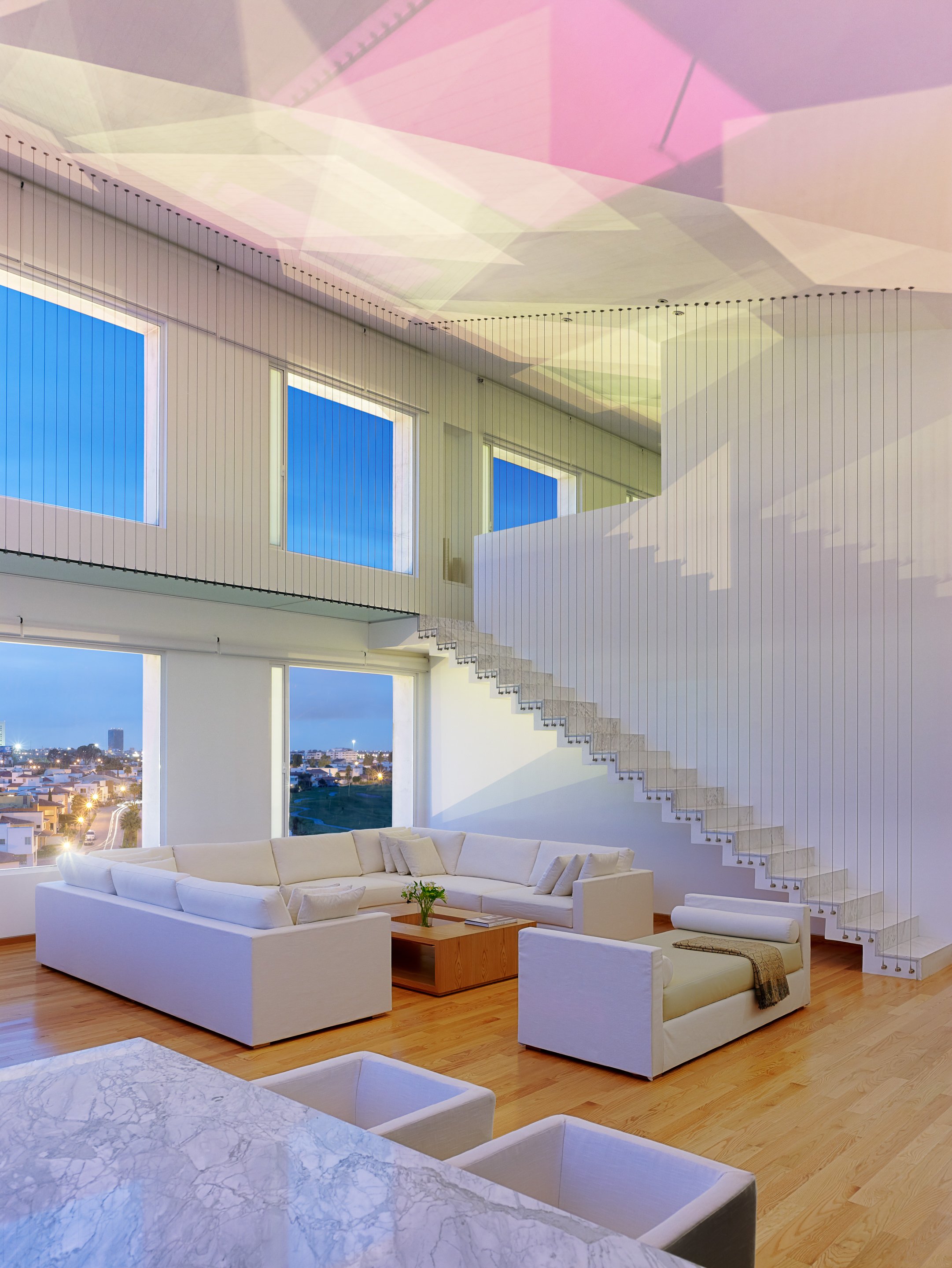
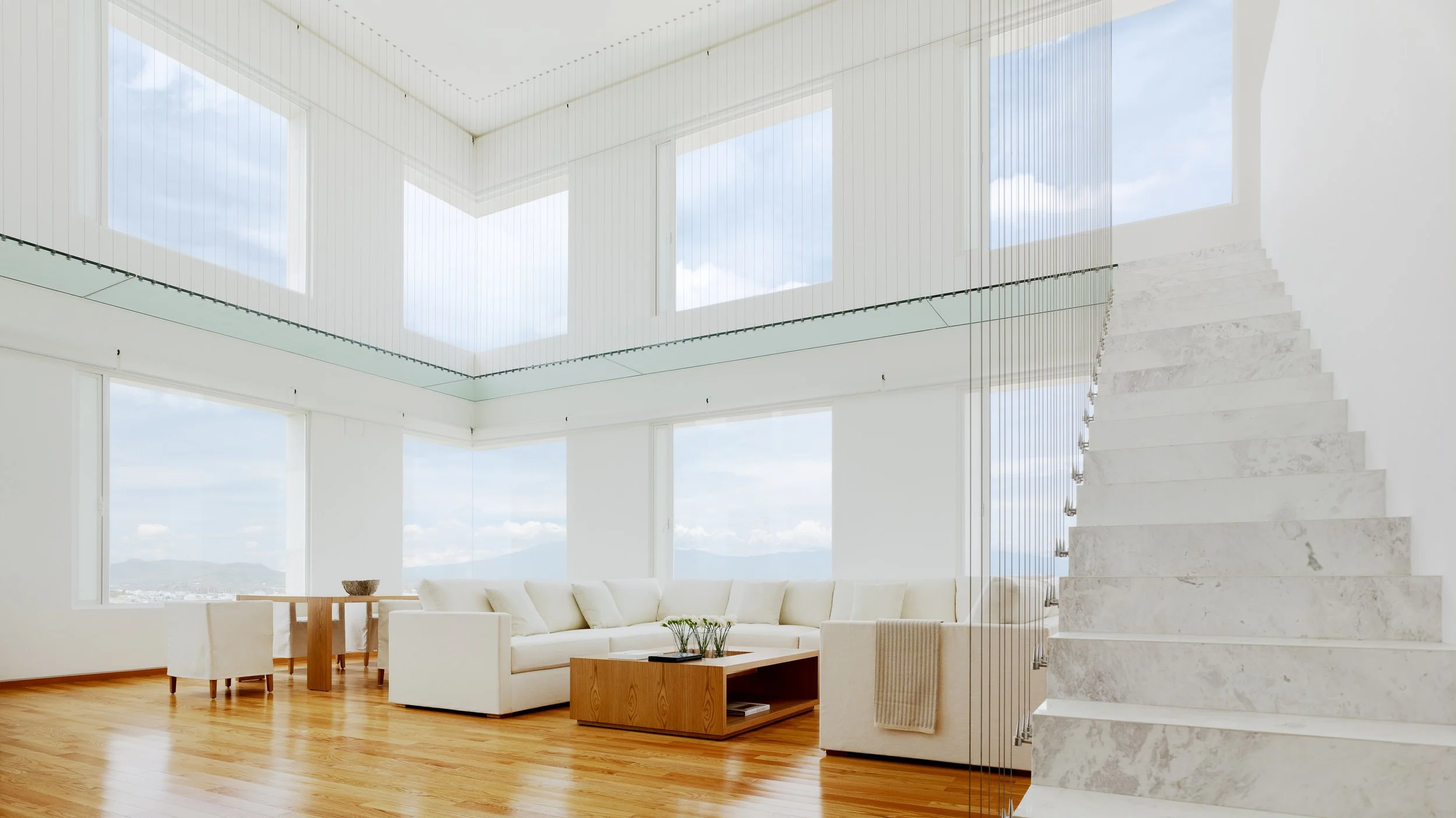
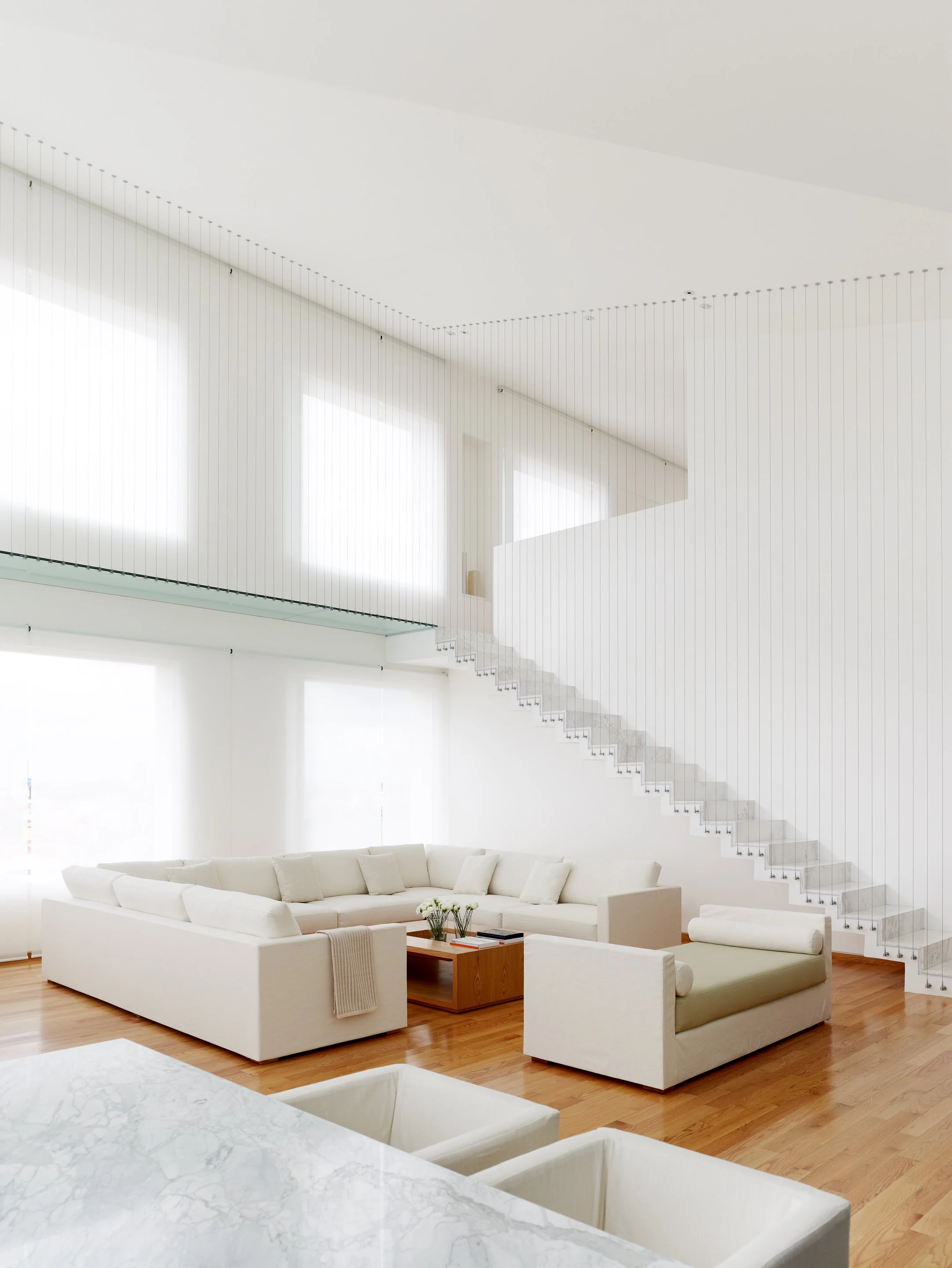
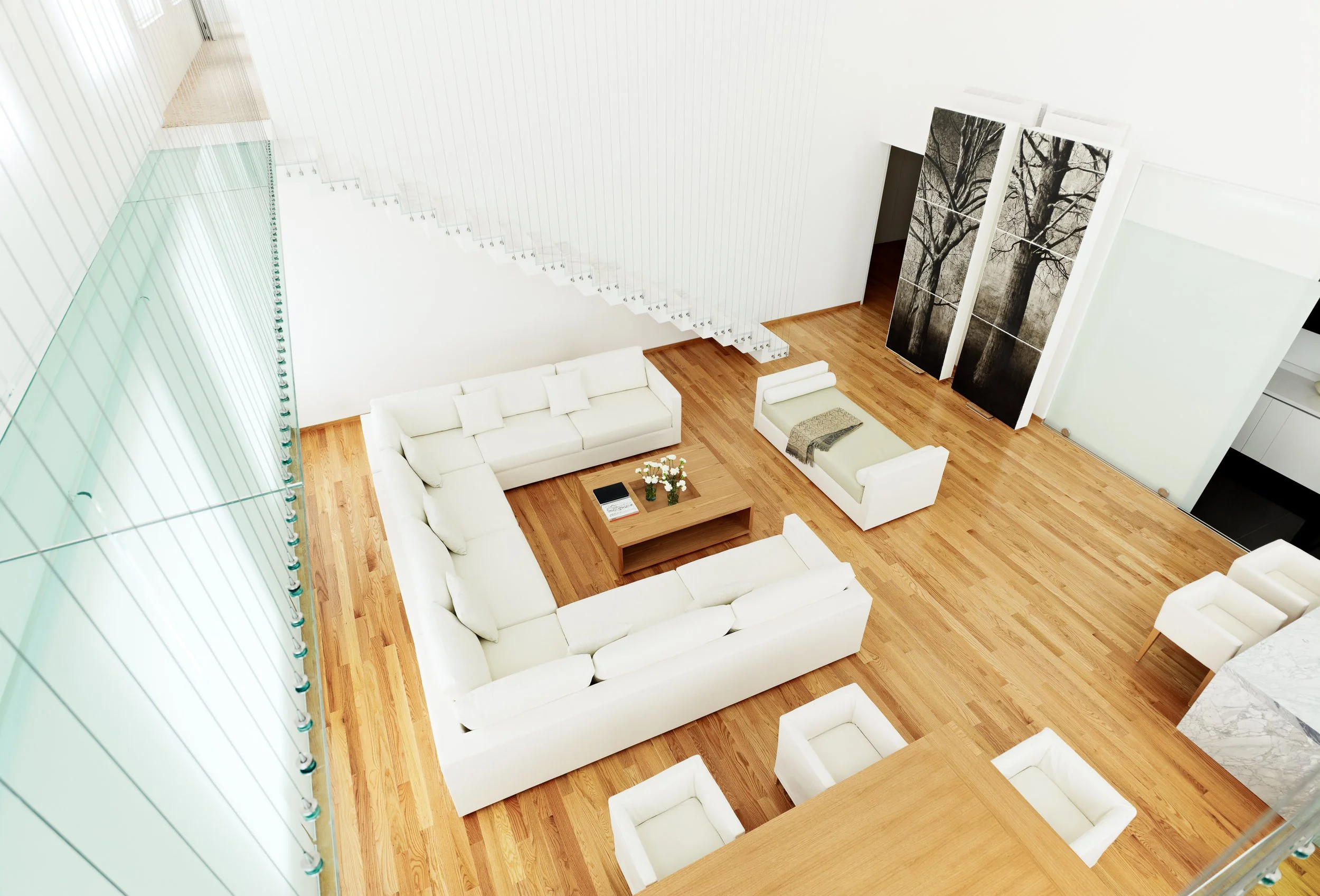
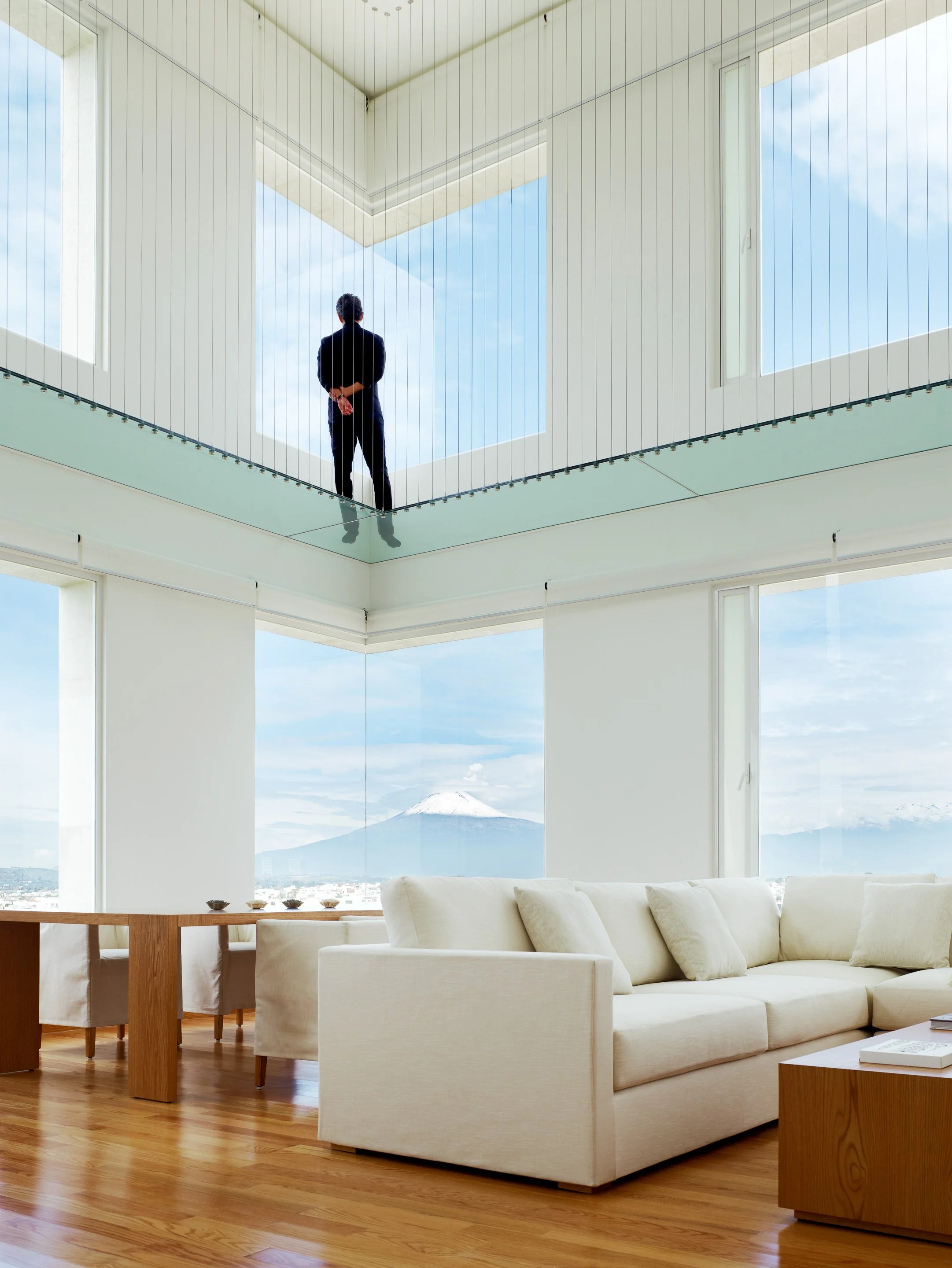
Simple, massive forms, made of traditional materials, with solid walls featuring small openings and a masterful handling of indirect light — it is capable of giving its spaces the purity of mysticism. I will forever remember that corner in the Convent of the Capuchins. The amber light, almost golden, that entered the temple through a modest asbestos roof made of that moment, of that space, a literally sacred experience. No one invents paths from scratch. We recreate, and at best we achieve metaphors — we draw closer to the realization of spaces with poetic rigor.
PRoject DEtails
-
Miguel Angel Aragonés
-
Miguel Angel Aragonés, Ricardo Diaz, Emmanuel Zamora, Roberto Gutierrez
-
Joe Fletcher , MAA, Victor Benitez, Nicola Lorusso
-
Fernando Bermejo, Jan Hendrix, Miguel Castro Leñero, Xawery Wolski
-
Puebla, Mexico
-
13,000 M2