
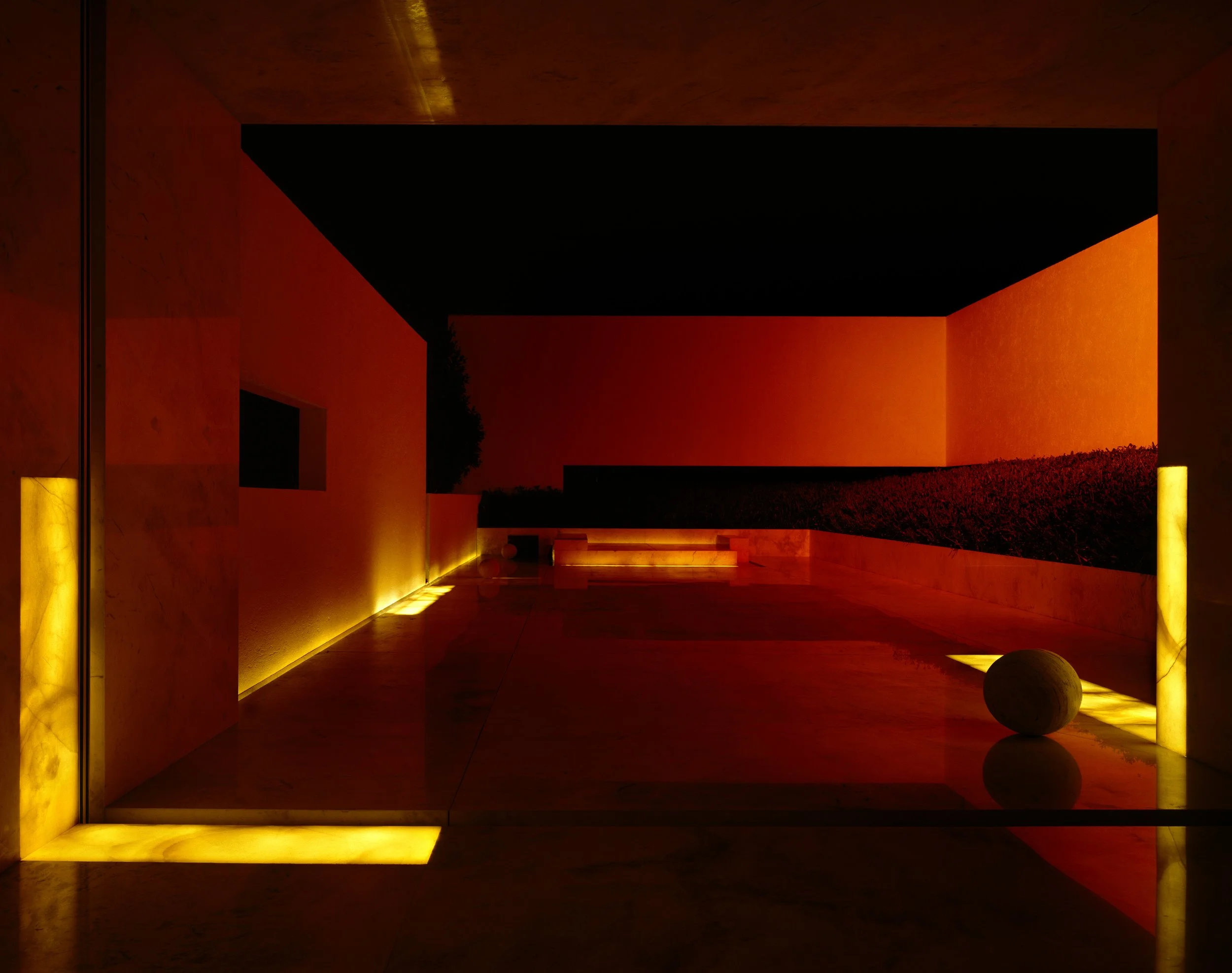
Tecas 43
Ciudad De Mexico, Mexico
2008
Science has been a great driving force of humanity and its progress is undeniable. In the twentieth century, for example, it was capable of deciphering and measuring the invisible; it observed the most microscopic and was able to understand the most remote reaches of space. The transfer of knowledge to deepen the discovery of hidden things or matters is an everyday exercise among scientists. Today we know far more about the universe than we did just a few years ago.
Science through its method, and art through the creator's gaze, have allowed us to understand things more accurately. They have been capable of showing us the world: two points of view that unveil, that reveal, from two different lenses.
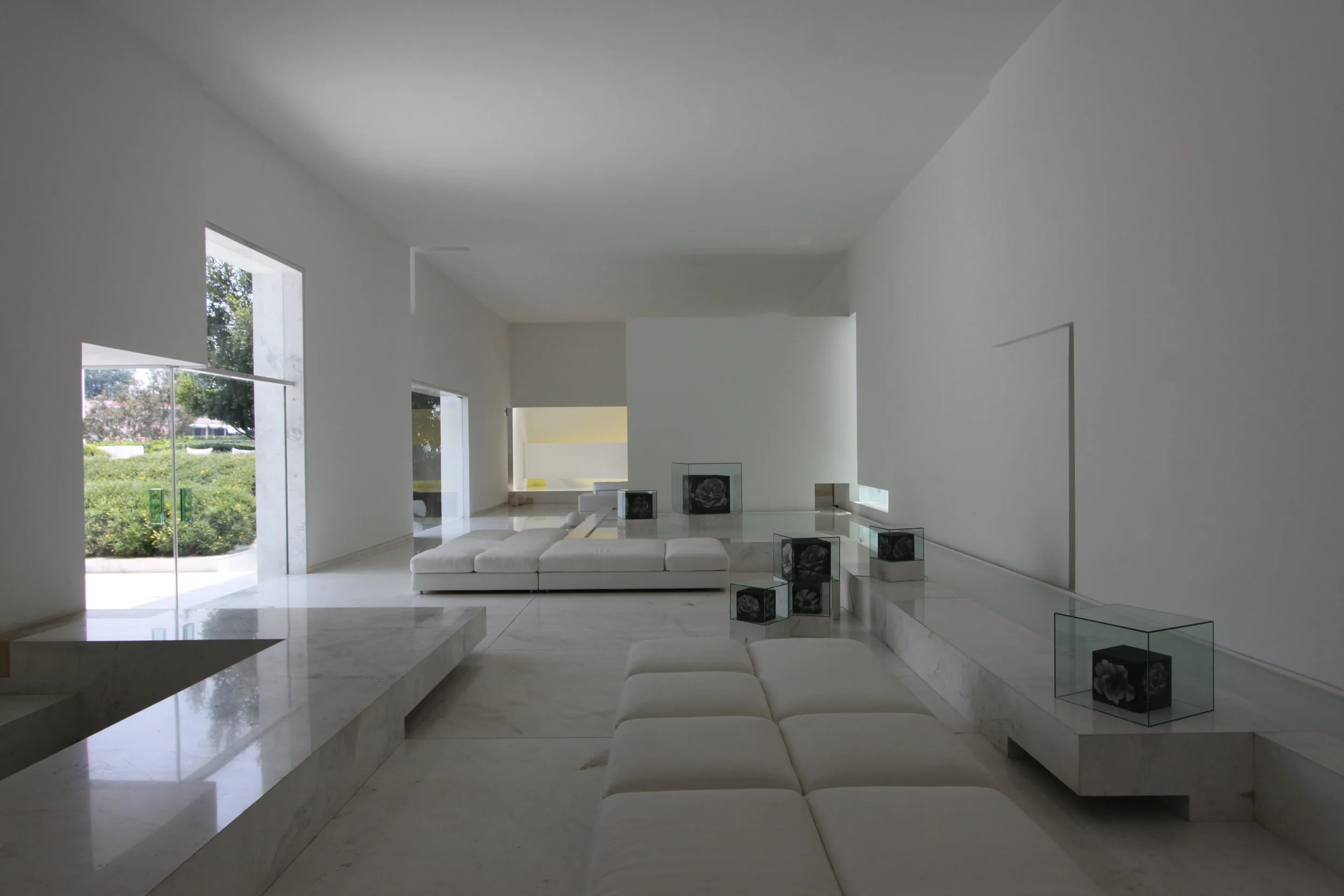
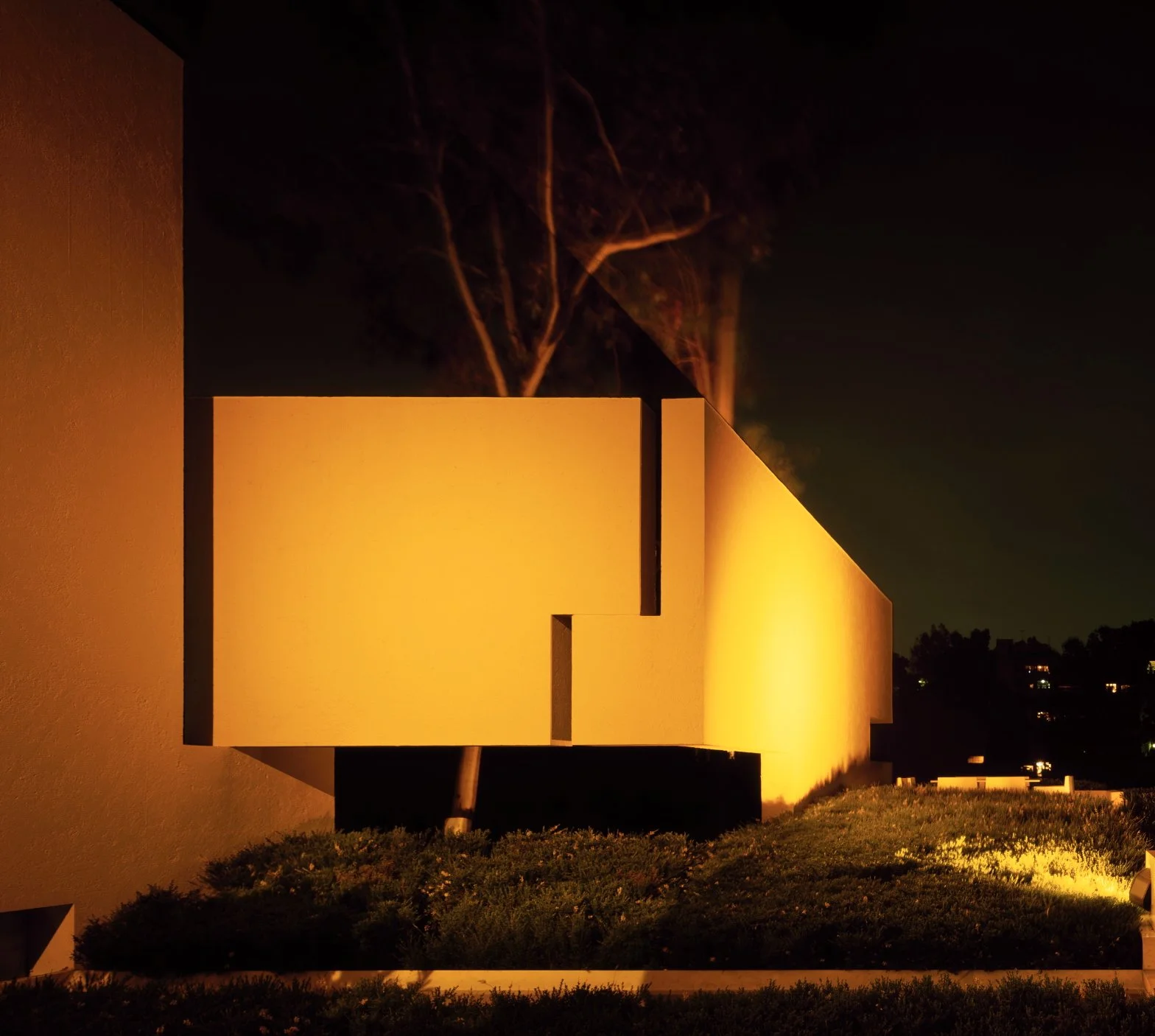
Great artists are capable of unmasking — in a broad sense — objects. That is why I believe art shows what is pertinent and eliminates what is irrelevant in an object, what does not belong to it. Art purifies the object and allows us a cleaner gaze; it allows us to see without prejudice, and for that reason it makes us freer. Societies that live and produce art become more humane and have a clearer, more vital frame of reference
Joe Fletcher , MAA, Victor Benitez, Nicola Lorusso Photography
MAA Text


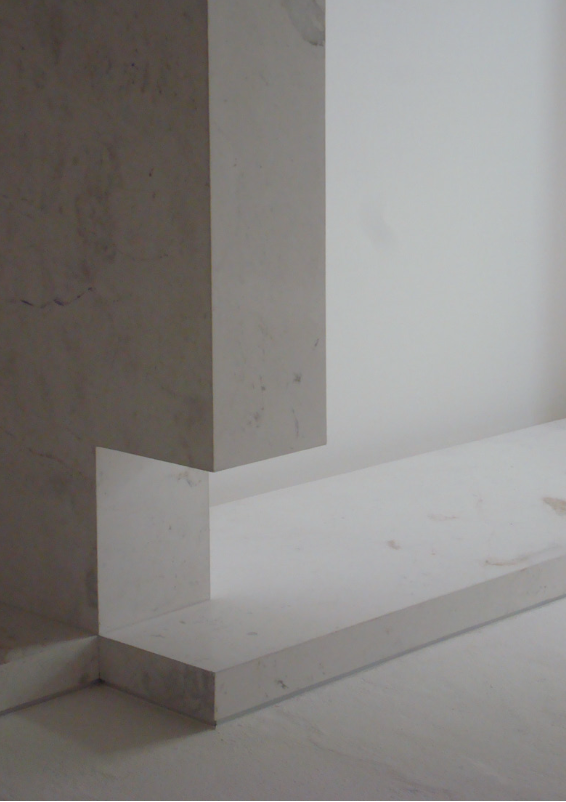
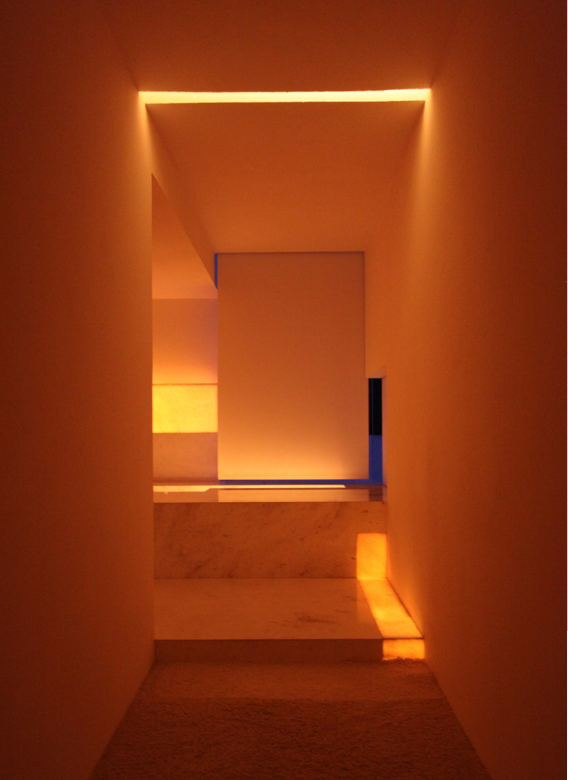
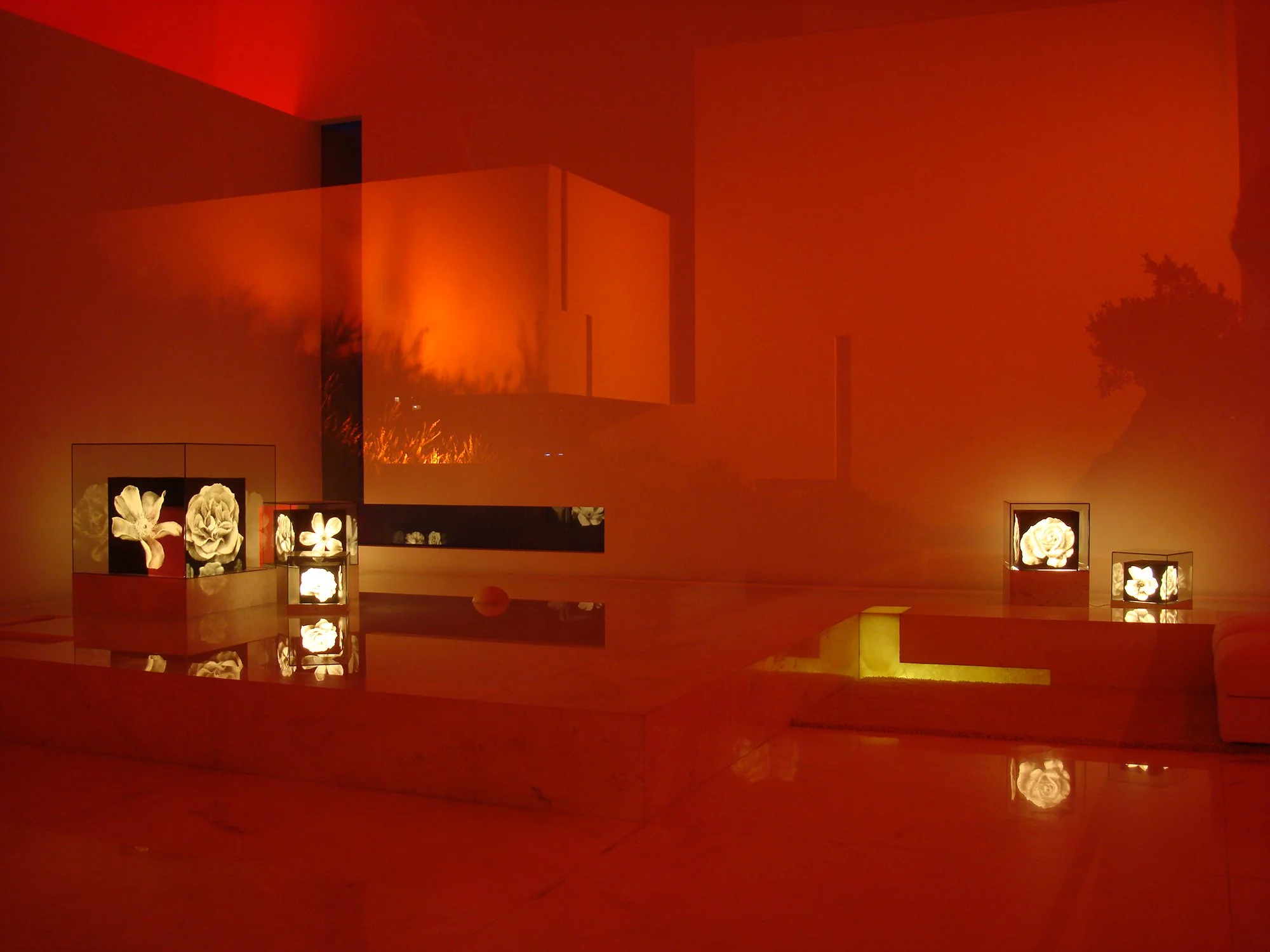
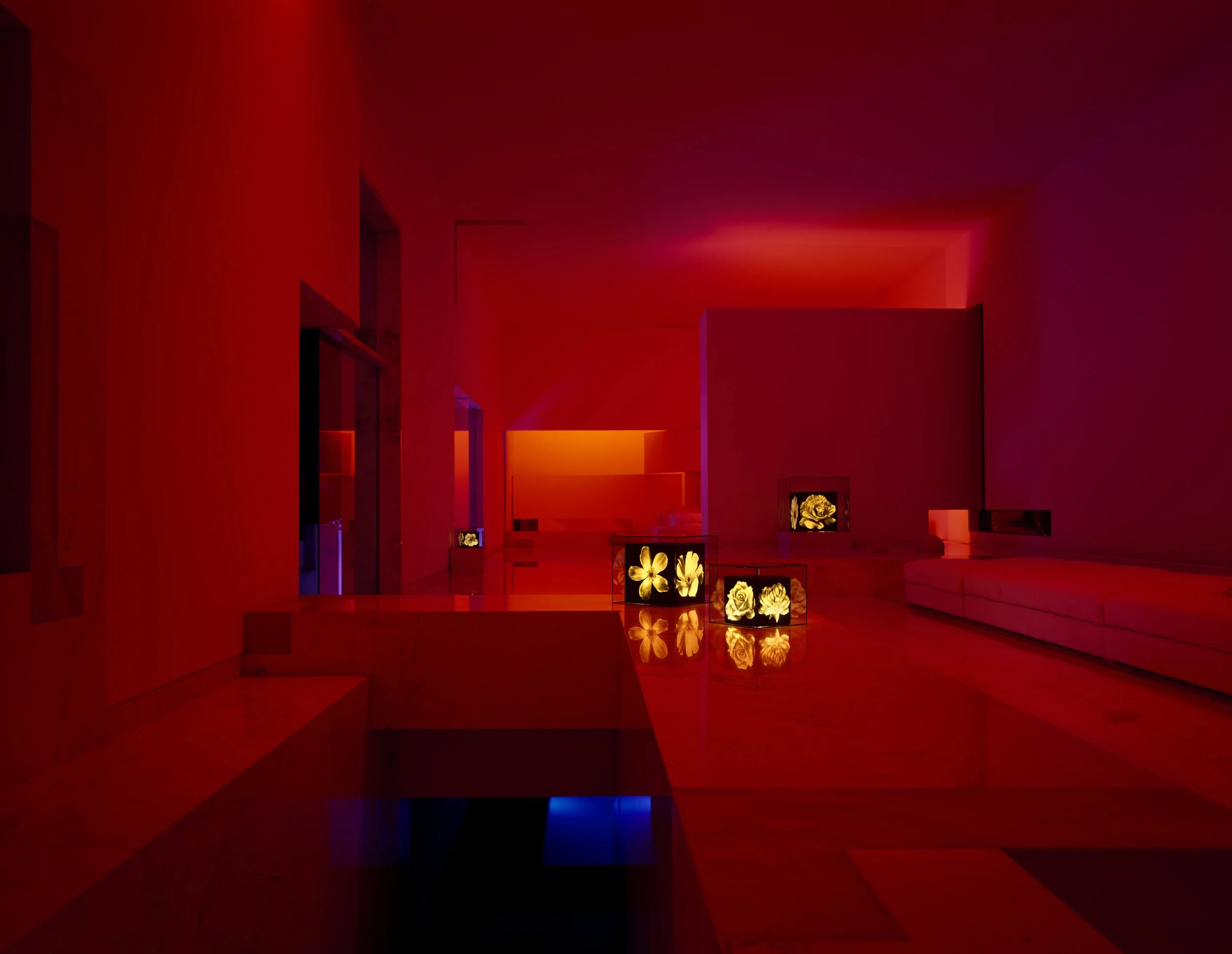
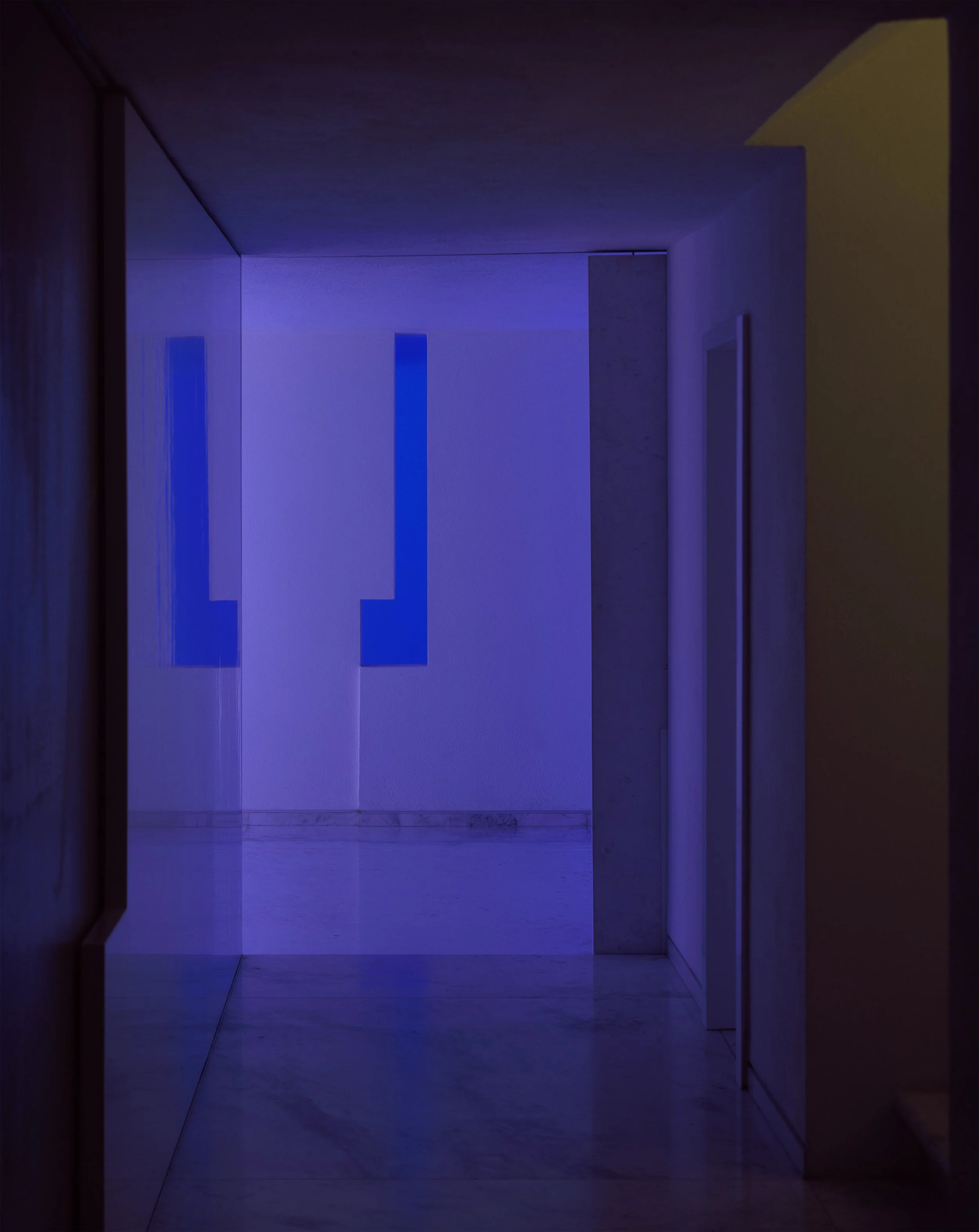
I am among those who believe that art has also evolved. In its journey throughout history, it has moved from the complexities of a Bosch to a certain refinement and simplicity, equally endearing. Such is the case of artists like Dan Flavin, Josef Albers, and Mark Rothko, for example, where there has been a synthesis, the capacity to communicate and move us with far fewer resources. Without a doubt, today we are witnesses to an evolution in the handling of language; in the handling, even, of what moves us emotionally.
It is likely that this reduction of elements that artistic work has undergone in recent times is connected to the fact that we are societies saturated with information from many angles, and that it responds to an excess of messages we face on a daily basis. Naturally, I believe, art has managed to communicate essential things to us with much less.









I would like to live a hundred years, to become someone who has witnessed every stage of life firsthand, someone who has lived through all its facets and has changed, has transformed over time through knowledge and experience.
Societies ought to be guided by those who know the most, by the brightest and most committed minds — those who believe in what they do.
It saddens and concerns me to see the lack of vocation in so many young people today, the lack of commitment, of genuine interest. In general, the world has little vocation, little belief.
If you do not commit, if you do not enjoy what you do, you end up living in routine and you do not grow. Having a vocation for something, believing in that something, is the true driving force. One must find the reason and the way to take pleasure in the craft one chooses.






















It is very easy to settle into a comfort zone and not set out to find and discover new paths, not to take risks. It is equally easy to fall into the self-satisfaction that fame can bring. Fame is useful — an extraordinary resource for being able to continue doing what you want — but it is also very dangerous.
Success and fame can turn into a great trap, for they are situations that lead us into the internal labyrinth that exists within each of us. When the "self" is exalted and the ego grows, one unwittingly withdraws from the world, for the possibility of "the other" disappears. An ego without limits clouds one's vision. The only way not to go blind and deaf, to grow and become better, is by looking at others — by attending to what lies outside. Feedback, exchange, is the only way not to lose one's grounding.
More than in awards, which are often given without real meaning, I believe in recognition — in the genuine appreciation that is sometimes made of tangible careers.





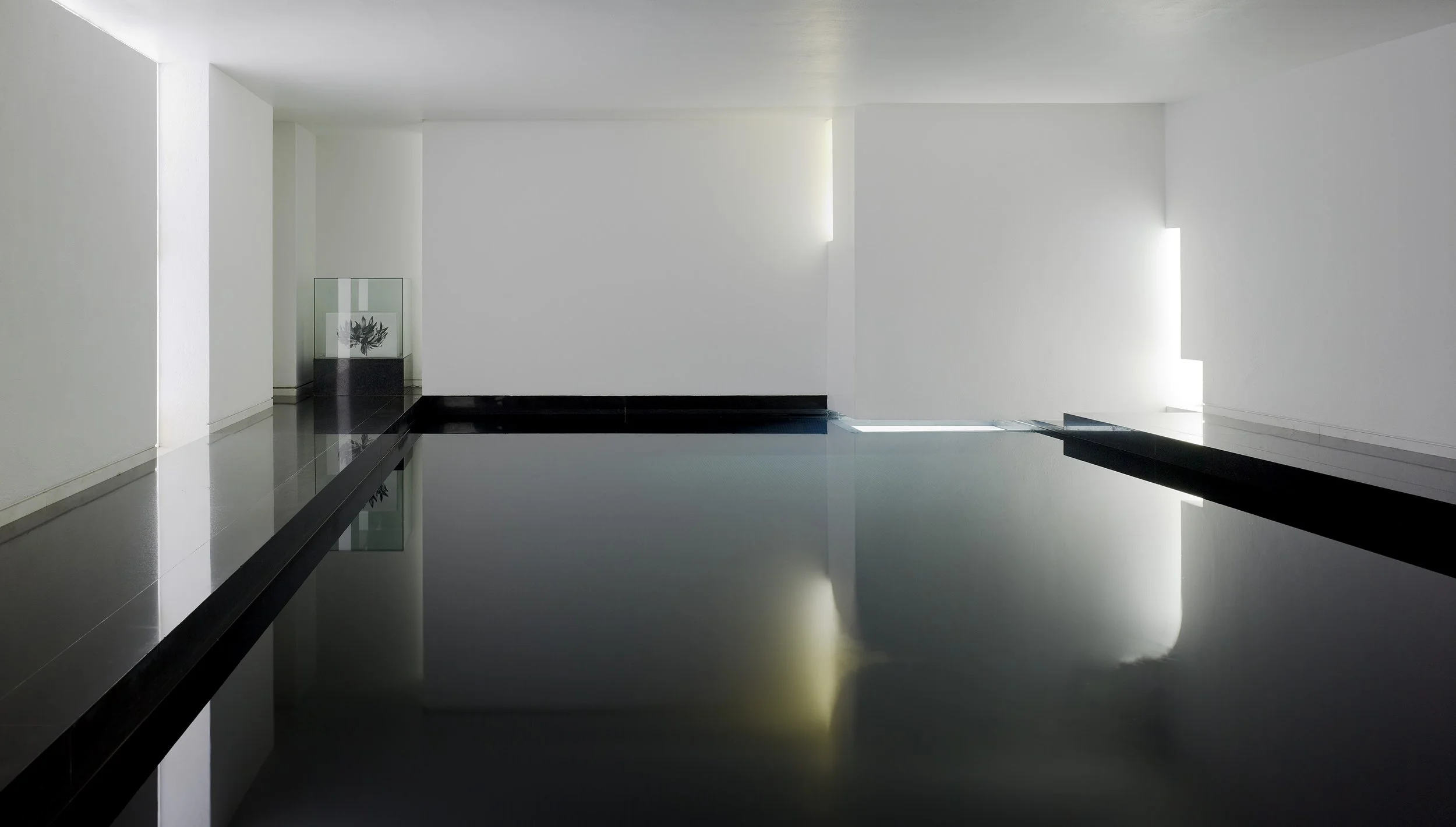
Great artists are capable of unmasking — in a broad sense — objects. That is why I believe art shows what is pertinent and eliminates what is irrelevant in an object, what does not belong to it. Art purifies the object and allows us a cleaner gaze; it allows us to see without prejudice, and for that reason it makes us freer. Societies that live and produce art become more humane and have a clearer, more vital frame of reference for things.



PRoject DEtails
-
Miguel Angel Aragonés
-
Juan Carlos Vidaña, Carlos Salinas, Claudia Rodriguez, Ricardo Diaz
-
Joe Fletcher
-
Xawery Wolski, Fernando Bermejo
-
Mexico city, Mexico
-
1,200 M2